
私募股权行业针对难以寻得买家的到期资产有一套对策:将其出售给另一只收购基金,且往往是由同一家公司管理的基金。但这种疗法有时会变得棘手,欧洲收购巨头CVC Capital Partners Plc(以下简称CVC)正深刻体会这一点。
The private equity industry has a fix for maturing assets struggling to find a buyer: Sell them to another buyout fund, likely one run by the same firm. That remedy gets messy sometimes, as European buyout firm CVC Capital Partners Plc is discovering.
CVC的第七期基金持有米兰上市药企Recordati SpA 47%的股份,这是2018年与创始家族达成交易后形成的。该投资表现尚可,但要体面退出却颇为棘手。据彭博新闻社报道,2024年曾有出售磋商,但未促成正式交易。
CVC’s Fund VII has a 47% stake in Milan-listed drugmaker Recordati SpA, following a deal with the founding family in 2018. The investment has performed well enough, but a clean exit has proved elusive. There were sale talks in 2024, according to Bloomberg News, though no formal transaction materialized.
今年5月,由CVC第九期基金和Groupe Bruxelles Lambert SA(以下简称GBL)牵头的财团同意以107亿欧元(约合120亿美元)收购Recordati全资股权。Recordati董事会以六票对四票通过该交易,投反对票的是独立董事,他们认定价格“不充分”。条款对第七期基金而言尚可。但由前Elliott Management Corp.投资组合经理James Smith领导的激进投资机构Palliser Capital要求加价。
In May, a consortium led by CVC’s Fund IX and Groupe Bruxelles Lambert SA agreed to buy the whole company for €10.7 billion ($12 billion). Recordati’s board backed the deal six votes to four, the dissenters being the independent directors who deemed the price “inadequate.”The terms were fine for Fund VII. But Palliser Capital, the activist firm led by former Elliott Management Corp. portfolio manager James Smith, called for a sweetener.
本月初,CVC追加了近4亿欧元。Palliser依然不买账。“象征性的3%涨幅无法使该报价变得公平,也无法解决其核心存在的利益冲突和胁迫性结构,”Smith表示。
CVC added nearly €400 million earlier this month. Palliser remains unimpressed. “A token 3% increase does not make this offer fair, nor does it fix the conflicts and coercive structure at its heart,” Smith said.
确实,这仍是一笔廉价交易。改进后的报价仅比交易谈判于3月曝光前股票三个月平均价高出12%。这低于Lazard Inc.和Rothschild为董事们出具的一系列估值区间的平均中位数。多位分析师认为该公司价值更高。
Indeed, it’s still a cheap deal. The improved pitch is a mere 12% premium to the stock’s three-month average before the deal talks emerged in March. It’s less than the average midpoints of a range of valuations produced by Lazard Inc. and Rothschild for the directors. Several analysts say the company is worth more.
第九期基金是常规收购基金,而非专注于陷入僵局的私募资产的所谓“延续基金”。但从外部来看,这种情况与延续基金策略非常相似:买方基金以折扣价入手,作为回报,卖方基金获得干净利落的现金退出。
Fund IX is a regular buyout vehicle rather than a so-called continuation fund that focuses on private assets that have gotten stuck. But from the outside the situation looks very similar to a continuation-fund strategy, whereby the buying fund gets a discount in return for providing the selling fund with a clean cash exit.
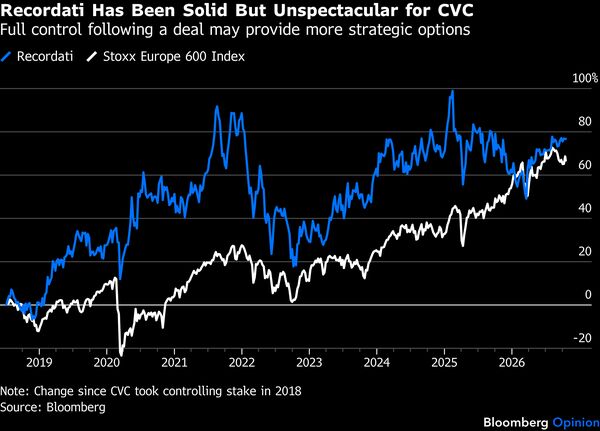
考虑到估值水平,不难理解为何第九期基金获得了新的私人联合投资者的支持。但第七期基金的合作伙伴是上市公司股东,他们想要更高的价格。
Given the valuation, you can see why Fund IX has got backing from new private co-investors. But Fund VII’s bedfellows are public company shareholders and they want a higher price.
前路并不平坦。该要约以获得67%的接受份额为条件,CVC财团已接近这一门槛。加上第七期基金的持仓与市场购买的股份,其持股比例已超过60%。理想情况下,财团希望达到90%以确保完全控制权,但若要提高出价以达成此目标,在其已宣称最新报价为最终报价后,将面临信誉受损的风险。
There are no easy ways forward. The offer is conditional on getting 67% acceptances and the CVC consortium is nearly there. It’s got over 60%, combining Fund VII’s position with purchases in the market. Ideally it would get to 90% to secure full control, but if it needs to up the offer to do so, it risks losing credibility after saying its latest number is final.
若仅获得部分控制权,财团可尝试强行推进一项交易使公司私有化,除非异议股东接受现金补偿,否则将只能持有非上市股份。CVC面临的棘手问题是,独立董事必须对此类举措签字批准。若他们拒绝,CVC可试图替换他们——但继任者会更配合吗?小股东不会满意。强制退市在法律上看似可行,但在声誉上麻烦重重。
With partial control, the consortium could try forcing through a transaction that would take the company private, leaving the holdouts with unlisted shares unless they accepted some cash compensation. The snag for CVC is that the independent directors would need to sign off on such a move. If they didn’t, CVC could try replacing them — but would the successors be any more amenable? Minority holders wouldn’t be happy. A forced delisting looks legally doable but reputationally troublesome.
若交易告吹,第七期基金可能不得不通过在市场上抛售股份来变现其持仓,且只能以折价、分多次分阶段配售的方式才能卸清全部仓位。
And should the deal fail, Fund VII would be left potentially having to cash in its stake by selling down its shares in the market, at discount prices and in several staggered placings to offload the entire position.
同一买断机构旗下不同基金之间的交易通常在私下进行。只要各方在独立治理下作出决策并各取所需——无论是流动性还是价值——这类交易本身并无不妥。但眼下的局面实在是一团糟。同一机构身处一笔有争议交易的买卖双方,且交易条款看似偏向买方,这显然不好看。这也再次提醒我们:私募股权机构与自己打交道,是因为缺乏其他选择。
Deals between separate funds overseen by the same buyout firm normally happen in private of course. There’s nothing automatically wrong with them, assuming each side makes its decisions with independent governance and gets what it wants, whether that’s liquidity or value. But this situation is a real dog’s breakfast. It’s clearly not a good look for a single firm to be on both sides of a contested transaction that looks skewed in the buyer’s favor. And it’s a reminder that when private equity firms deal with themselves, they do so for the lack of alternatives.