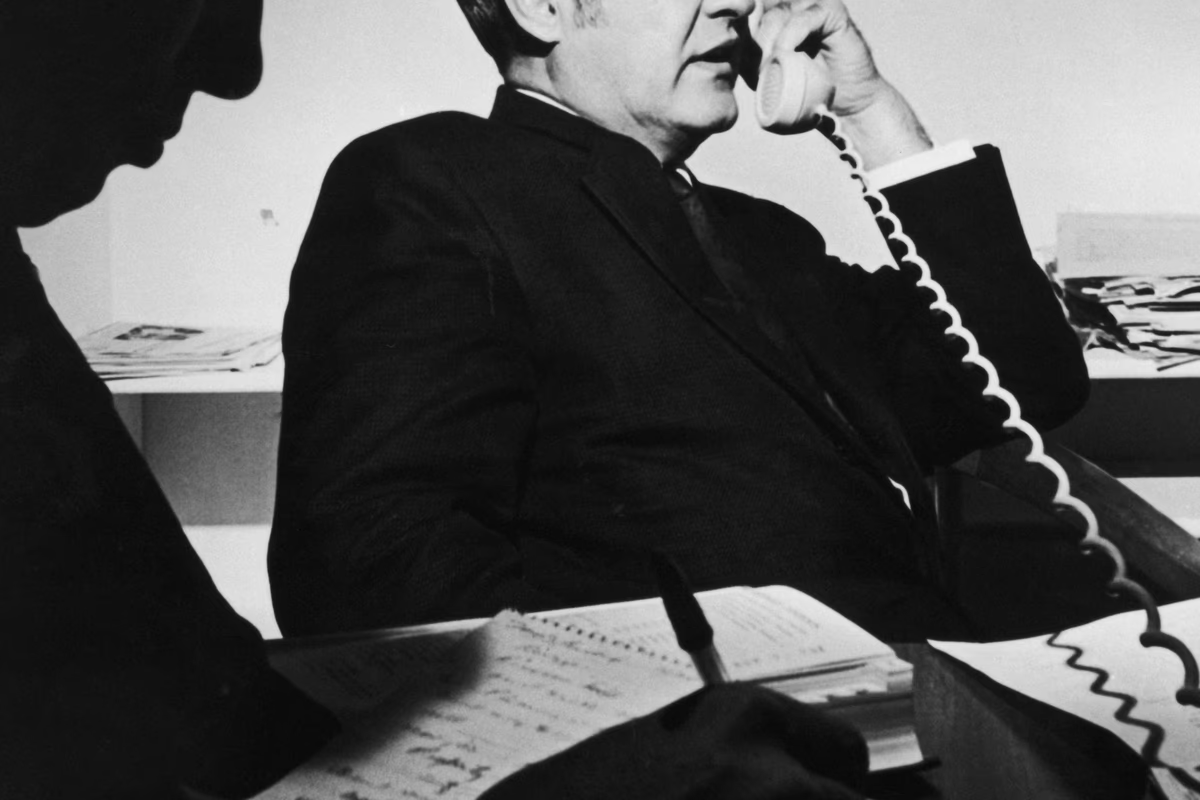
人们可能会认为,像“战略”这样常见的词,其含义应该很清楚,但事实并非如此。极具价值的《牛津美国作家同义词词典》无意中捕捉到了这种混淆:“总体规划、宏伟蓝图、行动计划、行动方案、政策、方案、战术。”但总体规划比宏伟蓝图更具体,政策是指导战略的东西,而战术存在于战略之下的有意识行动层面。
By Eliot A. Cohen One might think that the meaning of a word as common as strategy is clear, but it is not. The invaluable Oxford American Writer’s Thesaurus inadvertently captures the confusion: “master plan, grand design, game plan, action plan, policy, program, tactics.”But a master plan is something more specific than a grand design, a policy is what should direct strategy, and tactics exist at a level of intentional action below strategy.
当这种混淆被应用到战略最初且最重要的人类活动领域——战争时,问题就变得严重了。其词源在于古希腊语,这也是为什么 stratēgos 是“将军”的意思。许多关于战争战略的厚重著作都阐明了基本概念,然而,正如人们从那场搞得一团糟的美伊战争中所看到的,战略极其困难。这是一场美国拥有世界上最先进技术、高素质人员、训练有素且编制完善的组织的战争。
The muddle becomes serious when applied to strategy’s original and most important field of human endeavor: war. The roots lie in ancient Greek, which is why stratēgos was the word for “general.”Many weighty works on strategy in war make the basic ideas clear, and yet, as one can see from the badly botched American war with Iran, strategy is acutely difficult. Here we have a war in which the United States has the world’s most advanced technology, highly skilled personnel, and well-trained and -staffed organizations.
美国在一个研究了数十年的战场上作战,与以色列——中东军事最先进的国家——结成伙伴关系,并与大多数海湾国家低调合作,同时获得了英国等国家的默许支持。其敌人贫穷且腐败,最近在一系列轰炸和暗杀中损失了大量高级领导人。但结果在重要方面是一个令人震惊的挫折,因为伊朗继续扼守世界上最重要的水道之一。
The U.S. is operating in a theater of war that it has studied for many decades, in partnership with Israel—the most militarily advanced country in the Middle East—as well as, more quietly, most of the Gulf States, and it is receiving the tacit support of countries such as Great Britain. Its enemy is poor and corrupt, and recently lost a large chunk of its senior leadership in a series of bombings and assassinations. But the result is, in important respects, a shocking setback, as Iran continues to throttle one of the world’s most important waterways.
这并非因为美国武器出现故障,其水兵和飞行员无能,或问题新颖且未被预料到。相反,美国在战场上的挫折代表了一种极其尴尬的战略失败。
This happened not because America’s weapons malfunctioned, its sailors and airmen were incompetent, or the problems were novel and unanticipated. Rather, America’s battlefield reversals represent a strategic failure of an acutely embarrassing kind.
问题也不仅仅在于美国政治领导层的无能,尽管这确实起了作用。战略史就是一部错误、误判、评估失当和执行不力的历史。古希腊时期如此,雅典在伯罗奔尼撒战争中手握好牌却输掉了战争;两次世界大战中德国和日本如此,它们挑选了自认为有利的时机和地点发动战争;今天的俄罗斯在乌克兰问题上亦是如此;顺便说一句,伊朗自身也如此,在1980年代对阵伊拉克以及近年来对阵以色列时,都遭遇了自己的战略失败。战略的七个核心问题看似极其简单,却极少能得到妥善回答。
Nor is the issue simply incompetent American political leadership, although that has played its role. The history of strategy is a tale of errors, misjudgments, poor assessments, and inadequate follow-through. It was true of the ancient Greeks, when Athens held the high cards in the Peloponnesian War and lost; it was true of Germany and Japan in the two world wars they launched at times and places of their choosing; it is true of Russia today in Ukraine; it is, for that matter, true of the Iranians themselves, who suffered their own strategic failures against Iraq in the 1980s and Israel in recent years. The seven core questions of strategy may seem extremely simple, and yet they are rarely answered well.
第一个问题是:还在发生什么?战略要求实践者对周围环境进行定位,因为一个国家几乎从来不是孤立地与另一个国家对峙。当特朗普政府发起当前这轮与伊朗的冲突时,它忽视了所处环境——在某些方面甚至让环境变得更糟。美国疏远了其欧洲盟友,而它需要这些盟友的积极协助,以在面对水雷和水面攻击时保持霍尔木兹海峡畅通;它未能与海湾盟友打好基础,而这些盟友将暴露在伊朗攻击之下;它低估了俄罗斯和中国与伊朗建立深度伙伴关系的程度,后者提供了目标情报、军事系统组件,甚至一些武器。由于盯着眼前的敌人,政府忽视了塑造其他一切的背景环境。
The first is What else is going on? Strategy requires its practitioners to orient themselves to the surrounding environment, for almost never is a country simply facing off against another in isolation. When the Trump administration launched the current round of fighting with Iran, it did so having neglected its environment—indeed, in some ways, having made that environment worse. The U.S. had alienated its European allies, whose active help it needed in keeping the Strait of Hormuz open in the face of mine and surface attacks; it failed to prepare the ground with Gulf allies who would be exposed to Iranian attacks; and it underestimated the extent to which Russia and China had put themselves into a deep partnership with Iran, providing targeting intelligence, the components of military systems, and even some weapons. By fixating on the enemy at hand, the administration neglected the context that had shaped everything else.
各国政府收集了大量关于可量化事物的情报——坦克、舰艇、导弹。但在回答第二个问题上,它们的表现要差得多,而这个问题可以从一部意想不到的战略经典中推导出来:1969年的电影《虎豹小霸王》。保罗·纽曼和罗伯特·雷德福饰演两名相对不尚暴力的火车劫匪,故事发生在边疆时代的末期。一天,当他们正在劫持一列火车时,一节货车的门滑开,六名骑马的人追了出来。
Governments collect a great deal of intelligence about things that can be counted—tanks, ships, missiles. They do a much worse job of answering the second question, which can be derived from an unlikely classic of strategy: the 1969 movie Butch Cassidy and the Sundance Kid. Paul Newman and Robet Redford play two relatively nonviolent train robbers in the last days of the frontier. One day, as they are holding up a train, a boxcar door slides open and they are pursued by half a dozen men on horseback.
随后展开了扣人心弦的追逐场面,布奇和桑德斯使出浑身解数试图摆脱追兵,但追击依然继续。在困惑中,布奇问桑德斯:“那些家伙是谁?”这是第二个重大的战略问题,也是一个微妙的问题。
Exciting chase scenes ensue as Butch and Sundance try every trick in their extensive playbook to shake them off, but still the pursuit continues. In bafflement, Butch asks Sundance, “Who are those guys?”It is the second great strategic question, and a subtle one.
这两名劫匪知道有多少骑手在追他们,也知道他们携带什么武器。他们甚至可能辨认出对方骑的是什么品种的马。但他们不知道是什么让这伙执法者如此执着,且如此善于识破他们的诡计——是什么在驱动他们,以及这对布奇和桑德斯意味着什么。
The two robbers knew how many riders were pursuing them and what weapons they carried. They could probably even tell the breed of horses they were riding. But they did not know what made this band of lawmen so much more persistent and so adept in seeing through their dodges—what motivated them, and what that would mean for Butch and Sundance.
这种情报很难获取,尤其是当你甚至不知道自己需要这种信息的时候。特朗普总统及其核心顾问很可能对伊斯兰革命卫队的领导人知之甚少,而这些人现在是他们的主要对手。显然,他们至今仍无法理解敌人是如何做决策的。西方领导人低估或根本无法领会敌人的意识形态或宗教动机,这并不罕见,这似乎也是美伊冲突中发生的部分情况。
That sort of intelligence is difficult to come by, particularly if you do not know that that is the information you need. President Trump and his key advisers likely knew little about the leaders of the Islamic Revolutionary Guard Corps, who are now their primary opponents. It is clear that they still cannot fathom how their enemy makes decisions. It is not uncommon for Western leaders to underestimate or simply fail to grasp the ideological or religious motivations of their enemies, and that seems to be part of what has happened in the conflict with Iran.
但似乎同样的是,该政府及其顾问误判了伊朗发动一场旷日持久、错综复杂的战争的准备程度,在这场战争中,伊朗虽然火力处于劣势,但未必会在智谋上落败。
But it seems as well that the administration and its advisers misjudged Iran’s preparedness to launch a protracted, complex war in which it would be outgunned but not necessarily outsmarted.
问题很可能是相互的:如果伊朗领导人押注所谓的“TACO赌注”——“特朗普总是怂(Trump Always Chickens Out)”,他们已被反复证明是错的,正如许多特朗普的国内批评者一样。他们对特朗普、他的动机、他的决心储备以及他的恐惧的了解,可能正如他对他们的了解一样少。同样,以色列人对哈马斯领导人叶海亚·辛瓦尔的了解也很少,尽管他们曾关押他10年;美国人对1941年秋日本决策者的核算也知之甚少。
The problem is probably reciprocal: If Iran’s leaders have taken the so-called TACO bet—“Trump Always Chickens Out”—they have been repeatedly proven wrong, as indeed have been many of Trump’s domestic critics. They may understand Trump, his motivations, his stock of resolve, and his fears as little as he understands them. Or for that matter, as little as the Israelis understood Yahya Sinwar, the leader of Hamas, even though they had had him in their prisons for 10 years, or as little as Americans understood the calculus of Japanese decision makers in the fall of 1941.
有时甚至连对方是谁在掌权都搞不清。在越战的大部分时间里,美国领导人认为是富有魅力的胡志明或经验丰富的武元甲大将在做决策。后来他们怀疑是集体领导。实际上,主导人物是那位毫不起眼的越共中央第一书记黎笋。在当前的冲突中,特朗普曾多次表达对不清楚对方是谁在掌权的沮丧。
Sometimes it is possible not even to know who is in charge on the other side. During most of the Vietnam War, American leaders believed that the charismatic Ho Chi Minh or the experienced General Võ Nguyên Giáp were making the decisions. Later they suspected that it was a collective leadership. In reality, the dominant figure was the colorless first secretary of the Communist Party, Lê Duẩn. In the current war, Trump has frequently expressed his frustration at not knowing who is in charge on the other side.
“我们想要做什么?”是第三个、也是最显而易见的战略问题,或许最容易提出,却最具欺骗性。当批评者指责特朗普政府在伊朗战争上的作为时,通常聚焦于其目标所谓的不明确。他们有一定道理,但程度比人们想象的要有限得多。事实上,设定目标虽至关重要,却是一项模糊且多变的事业。
What are we trying to do? is the third and most obvious strategic question, perhaps the easiest to pose and the most deceptive. When critics have gone after the Trump administration over the Iran war, they have usually focused on the supposed unclarity of its goals. They have something of a point, but to a more limited degree than one might think. In truth, the setting of goals, although vital, is a murky and shifting enterprise.
卡尔·冯·克劳塞维茨在其有生之年目睹了多次战略失败,以及盟军联盟最终战胜拿破仑时代的法国,他教导说战争是政治通过其他手段的延续。这或许是从其经典著作《论战争》中汲取的最重要教训,当然也是最令人难忘的一条。但如果战争的最终目标是政治性的,那么它们也具有政治特征——即它们可能是模糊的、不一致的,最重要的是易变的。
Carl von Clausewitz, who in his lifetime witnessed numerous strategic defeats as well as the ultimate victory of the allied coalition over Napoleonic France, taught that war is a continuation of policy by other means. It may be the most important teaching to take away from his classic, On War, and is certainly the most memorable. But if the ultimate objectives in war are political, then they also have political characteristics—that is, they may be vague, inconsistent, and above all changeable.
老布什在1990-1991年海湾战争前夕,为美军列出了四项目标,常被引为战略清晰的典范。然而仔细审视会发现,这些目标绝非清晰明了。第一项目标是确保海湾地区美国公民的安全——但在轰炸开始前,这一目标已然达成,因为伊拉克独裁者萨达姆·侯赛因已释放了其扣押的美国和欧洲人质。置于危险之中的美国公民,正是即将进入伊拉克作战的士兵、水兵、飞行员和海军陆战队员。
George H. W. Bush famously outlined four objectives for American forces in advance of the 1990–91 Gulf War, in an oft-cited example of strategic clarity. A closer look, however, shows that they were anything but clear. The first objective was ensuring the safety of American citizens in the Gulf—but before the bombs fell, that had already been achieved, because the Iraqi dictator Saddam Hussein had released his American and European hostages. American citizens—the soldiers, sailors, airmen, and Marines going into Iraq—were the ones endangered by the war.
将伊拉克驱逐出科威特倒是明确具体,但“恢复科威特合法政府”——一个由仅占该国居民约四分之一的公民阶层支持的君主制政权——则并非如此。正如过去35年的事件所证明,第四项目标、确保波斯湾的稳定,不过是一厢情愿的幻想。
Expelling Iraq from Kuwait was straightforward enough, but restoring the “legitimate government of Kuwait”—a monarchy backed by a citizenry that included scarcely a quarter of the country’s inhabitants—was not. And as the events of the past 35 years have proven, the fourth objective, ensuring the stability of the Persian Gulf, was a pipe dream.
此外,美国追求的一些目标要么未曾公开宣称(剥夺萨达姆的核计划并为推翻其政权创造条件),要么仅是在对战场事态的反应中逐渐演变而来(保护北部的库尔德人口,以及在一定程度上保护南部的什叶派人口)。
Moreover, some of the objectives the United States pursued either were unstated (stripping Saddam of his nuclear program and setting up the conditions for his overthrow) or evolved only in reaction to events on the ground (protecting the Kurdish population in the north and, to some degree, the Shia in the south).
这种目标转移在所有战争中都会发生。英国名义上参加第二次世界大战是为了救波兰于德国之手,结果却禁止波兰军队参加伦敦的胜利大游行。美国入侵阿富汗是为了摧毁“基地”组织,结果却试图建立一个阿富汗民主共和国。
This kind of shift in objectives occurs in all wars. Britain entered World War II nominally to save Poland from Germany. It ended up prohibiting Polish troops from marching in the victory parade in London. The United States invaded Afghanistan to destroy al-Qaeda; it ended up attempting to create an Afghan democratic republic.
从这个角度看,特朗普政府在伊朗战争中的目标设定虽然混乱,但并非完全不可信。显然,一个目标是摧毁伊朗的核项目,或者至少使其严重受损;另一个目标是通过拆除其部分关键军事工业,限制其利用导弹和无人机袭击威胁邻国的能力。第三个目标,也是最值得怀疑的,似乎是推翻并取代该政权。最后这个目标显然超出了美军目前的能力范围,尽管前两个目标已在一定程度上实现。
Considered in this light, the Trump administration’s objective-setting in the Iran war, though messy, is not entirely implausible. Clearly, one objective has been to destroy, or at the minimum badly damage, Iran’s nuclear enterprise; another to limit its ability to threaten its neighbors with missile and drone attacks by dismantling some of its key military industries. A third, and the most questionable, seems to have been to overthrow and replace the regime. That last goal is evidently beyond the current reach of the U.S. military, although the other two have been achieved in some measure.
随着战争拖延,政府又提出了其他目标,其中包括一个奇怪的目标,即让“全美各地的石油和天然气保持低价”,副总统万斯已宣称这一目标现在优先于防止伊朗拥有核武器。
As the war has wound on, the administration has reached for other goals, including the bizarre one of keeping “oil and gas cheap for Americans all over the country,” which Vice President Vance has declared now has primacy over avoiding a nuclear Iran.
特朗普政府目标设定的一个问题在于,总统愚蠢地坚持认为自己取得的成就超过了实际情况:他反复使用“彻底摧毁”一词,反而掩盖了在追求前两个目标方面取得的一些真实——尽管远非绝对——的成功。至于第三个目标,它本就注定难以实现,但并非完全不可能。该政府的真正失败在于,除了进攻性目标外,还设定了本质上是防御性的目标,尤其是保卫霍尔木兹海峡。
One problem with the Trump administration’s objective-setting is the president’s foolish insistence that he has achieved more than he has: His repeated use of the word obliteration actually obscures some real, if far from absolute, successes in pursuit of his first two objectives. As for the third, it was always bound to be a reach but was not beyond the realm of possibility. The administration’s real failures have come in setting what were essentially defensive objectives in addition to the offensive ones, above all securing the Strait of Hormuz.
至于其余方面,与许多之前的政府一样,它承诺的远超战争所能交付的一切——想想“终结一切战争”的狂妄,或结束暴政的目标。在民主社会中,用夸张的修辞和荒谬的愿望来为战争的风险和牺牲辩护的诱惑,通常会战胜政治和军事领导人的良好判断。
For the rest, like many administrations before, it has promised much more than war can ever deliver—think of the hubris of the “war to end all wars,” or the objective of ending tyranny. In democratic societies, the temptation to justify the hazards and sacrifices of war with overblown rhetoric and absurd aspirations usually overcomes the good judgment of political and military leaders alike.
我们的手段是什么?这是第四个问题。在严格的数量层面上,这通常很容易通过统计坦克、导弹或军舰的数量来回答。但这些往往是方程中最不重要的变量。真正的变量是:组织是否能做我们希望它们做的事;我们拥有的技术手段是否足以完成任务;以及,如果出现新挑战,我们是否有资源来应对。
What are our means? is the fourth question. At a strictly quantitative level it is usually easily answered by counting tanks, missiles, or ships. But those are often the least important variables in the equation. The real variables are whether organizations can do what we want them to do; whether the technical means we have at our disposal are adequate to the task; and whether, if new challenges arise, we have the resources to meet them.
美国进入当前战争时,最先进武器的储备有限,扫雷能力有限,且完全没有护卫舰来护送船队。它在波斯湾为飞机准备的加固掩体也非常有限,因此在地面上遭受了准确的伊朗导弹(可能由俄罗斯情报引导)造成的一些惊人损失。整个战役一直基于对轰炸能够发挥作用的期望,这些期望最好也只是高度不可能,最坏则完全不切实际。
The United States entered the current war with limited stockpiles of its most advanced weapons, limited mine-clearing capabilities, and no frigates whatsoever to escort convoys. It had very little in the way of hardened bunkers for its aircraft in the Persian Gulf, and so suffered some shocking losses on the ground to accurate Iranian missiles (possibly guided by Russian intelligence). And the entire campaign has been predicated on expectations about what bombing could do that were at best highly improbable and at worst totally unrealistic.
政府显然高估了美军的能力,但也不得不让人怀疑,武装部队是否也误判了自身的实力。数十年来在被动防御(例如混凝土掩体、地下指挥所)和主动防御(例如地对空导弹阵地)方面的投入不足,而非特朗普政府的任何特定决策,使美国空军面临巨大损失的风险。类似的、长达数十年对反水雷作战和护航任务缺乏重视,使得霍尔木兹海峡行动变得如此艰难。
The administration clearly overestimated what the U.S. military could do, but one has to wonder whether the armed forces also misjudged their own capabilities. Decades of underinvestment in both passive defenses (for example, concrete shelters, underground command posts) and active ones (for example, surface-to-air missile batteries), not any particular decision of the Trump administration, have exposed the U.S. Air Force to high losses. A similar decades-long lack of commitment to the counter-mine-warfare and the escort-of-convoy missions has made the Strait of Hormuz operation so difficult.
“知己知彼,百战不殆”,这是中国将领孙子的名言。但军事组织及其领导人经常无法了解自己,尤其是自身的弱点。美国缺乏在伊拉克和阿富汗进行经典反叛乱战争的准备,为此付出了惨重的代价,损失了生命、金钱和时间。大多数军队都无法通过审视资源匮乏、组织准备不足或能力欠缺,来对自身的不足进行清醒的反思。
“Know the enemy and know yourself and in a hundred battles you will not be defeated,” goes the saying of the Chinese general Sun Tzu. But military organizations and their leaders frequently fail to understand themselves, and in particular their own weaknesses. America’s lack of preparedness to conduct classical counterinsurgency warfare in Iraq and Afghanistan cost it dearly in blood, money, and time. Most militaries fail to conduct a sober reckoning with their own deficiencies by examining their lack of resources, organizational preparation, or aptitude.
第五和第六个问题是:我们的优先事项是什么?我们应按何种顺序行动?对于像美国这样富裕强大的国家,这些问题尤为棘手。美国领导人往往表现得好像资源无限,几乎不需要做出真正艰难的战略抉择。这种灵活性是令人惊叹的富裕和人口大国的福气之一(有时也是诅咒)。
The fifth and sixth questions are What is our priority? and In what sequence should we act? For a country as wealthy and powerful as the United States, these are particularly uncomfortable questions. American leaders often act as though their resources are infinite and few really difficult strategic choices need to be made. That flexibility is one of the blessings (and occasionally the curse) of an astoundingly wealthy and populous country.
经济学家喜欢用“权衡”这个词——要得到这个,就得放弃那个。军方则使用“兵力经济”或“可接受风险”等措辞,掩盖了一个更直白的真相:有些事情比其他事情更重要。在当前的伊朗战争中,很明显,控制霍尔木兹海峡从未是首要任务——如果是,美国本会开展多种行动,很可能包括夺取海峡附近的一些小岛。
Economists like the word trade-off—to get this, you have to give up that. The military uses instead phrases such as economy of force or acceptable risk that mask the blunter truth that some things are more important than others. In the current Iran war, it has become clear that getting control of the Strait of Hormuz has never been the top priority—had it been so, the U.S. would have conducted a variety of operations, probably including seizing some of the smaller islands near the strait.
在战争中确定优先级可能极其困难。富兰克林·罗斯福在第二次世界大战期间做出的最佳决策,就是一个关于优先级的决策。军政领导人都曾认为,1941年德国比日本更重要,必须优先对付。但美国参战始于1941年12月7日的珍珠港袭击。在随后的六个月里,罗斯福同意了英国入侵法属北非的提议,于1942年11月发动行动。美国陆军参谋长乔治·马歇尔将军和海军作战部长欧内斯特·金上将认为这是战略错误并表示反对,他们主张于1943年入侵法国。
Setting priorities can be acutely difficult in war. The best decision Franklin D. Roosevelt made during the Second World War was one of priority. Military and political leaders alike had believed in 1941 that Germany would be a more important enemy than Japan and needed to be tackled first. But the war began for the United States with the Pearl Harbor attack of December 7, 1941. Over the next six months, Roosevelt agreed to the British proposal to invade French North Africa in November 1942. General George C. Marshall, the chief of staff of the U.S. Army, and Admiral Ernest J. King, the chief of naval operations, thought it a strategic error and opposed it, favoring instead an invasion of France in 1943.
罗斯福的考量主要是政治性的:为了维持国内对“先打败德国”政策的支持,美军必须在珍珠港事件发生一年内,在欧洲战区的某个地方投入实战。他在优先次序上判断正确,而不从政治角度思考问题的马歇尔和金恩则判断错误。(顺便说一句,1943年登陆法国对缺乏实战经验的美军来说,在作战层面上很可能也是一场灾难,但那是另一码事。)
Roosevelt’s calculation was chiefly political: To sustain domestic support for the “Germany first” policy, American forces had to be in action somewhere in the European theater of operations within a year of Pearl Harbor. He got his priorities right, and Marshall and King, who did not think politically, were wrong. (As it happened, a 1943 invasion would probably have been an operational debacle as well for the untried U.S. Army, but that was a separate matter.)
然而,如果罗斯福在优先次序上判断正确,他在行动顺序上却判断错误。像大多数政治家一样,他不想受制于先前的决定——政治学家称之为“路径依赖”。他以为可以在发动北非登陆的同时,仍能于1943年登陆法国,结果证明他错了。击败德军在北非的部队耗时比预期长,直到1943年3月才告结束。西西里岛看似是一个容易攻克的目标,此外,将大量兵力调往英国需要时间,特别是在大西洋的U型潜艇威胁被消除之前,因此盟军于7月进攻该岛并将其占领。
If Roosevelt got priority right, however, he got sequencing wrong. Like most politicians, he did not want to feel trapped by prior decisions—what political scientists call “path dependence.”He believed that he could have the North Africa invasion and still invade France in 1943, and he was wrong. The defeat of German armies in North Africa took longer than expected, and was not completed until March 1943. Sicily loomed as an easy target, and besides, shifting large forces to Britain, particularly before the U-boat menace in the Atlantic was defeated, would take time, so in July the Allies attacked the island and took it.
这导致意大利独裁者贝尼托·墨索里尼倒台;盟军合乎逻辑的下一步行动因此是登陆意大利。这于1943年9月发生,紧随意大利退出轴心国之后。而这又导致德军迅速占领意大利,并在欧洲形成了一个谁也未曾预料到的战线。
That triggered the fall of the Italian dictator Benito Mussolini; the logical next Allied move was therefore a landing in Italy. That occurred in September 1943, in the immediate aftermath of Italy’s defection from the Axis. And that, in turn, led to a swift German occupation of Italy and an ensuing front in Europe that no one had anticipated.
因此,行动顺序仅部分掌握在罗斯福手中,事实上也仅部分掌握在任何人手中。一事牵一事,正如战争中常见的那样,交战双方看起来像是在下棋,一次只走一步,抓住机会却未能充分预见这样做的后果。
Sequencing, then, was only partially under Roosevelt’s control, or anyone else’s for that matter. One thing led to another, and as is so often the case in war, the contenders looked as though they were playing chess one move at a time, seizing an opportunity without fully anticipating the consequences of doing so.
最后一个问题在许多方面是最困难的:我们的制胜理论是什么?或者更简单地说,我们为什么认为这会奏效?
The final question is in many ways the most difficult: What is our theory of victory? Or, put more simply, Why do we think this will work?
在伊朗战争的问题上,胜利理论似乎是:我们将给政权造成如此巨大的经济痛苦,以至于它将被迫屈服,要么是因为它不愿看到伊朗经济毁于一旦,要么是因为其民众将会起来推翻它。但伊朗已经因自我施加的经济苦难遭受了几十年,其领导人凭借自身的腐败网络,可以在别人遭难时过着奢华生活。至于起义,支持起义的时机本应是在2026年12月和次年1月伊朗民众走上街头之时,而在伊斯兰共和国的镇压机器屠杀了3万人之前。
In the case of the Iran war the theory of victory seems to be: We will inflict so much economic pain on the regime that it will give in, either because it will hate to see the Iranian economy ruined or because its people will rise up and overthrow it. But Iran has been suffering self-imposed economic misery for decades, and its leaders, with their own corrupt networks, can live in splendor while others suffer. And as for an uprising, the time to support that would have been when Iranians took to the streets in December and January 2026, before 30,000 were massacred by the Islamic Republic’s repressive apparatus.
如果美国还剩下任何一种胜利理论,那就是更理性的伊朗领导人将取代极端分子——但眼下看来,掌握枪杆子的恰恰是最强硬的强硬派。
If there is any theory of victory left for the United States, it is that more reasonable Iranian leaders will replace the extremists—but it would appear at the moment that the hardest of the hard-liners are the ones with the guns.
阐述胜利理论无异于构建一个貌似合理的故事——不同角色身处某种境地,他们采取这样或那样的行动,最终导出一个结局。但在实践中,此类理论极少在政府决策讨论中被提出——此话源于我的亲身经历。我曾坐在“形势室”亲眼目睹:高级官员们讨论向阿富汗增派士兵、外交官或援助资金,却无人真正触及所考虑举措究竟如何通向成功这一问题。
Articulating a theory of victory is no different from constructing a plausible story—the different characters find themselves in a situation, they do this and that, and there is an outcome. In practice, though, such theories are rarely offered in governmental deliberations—and here I speak from personal experience. I saw that play out while sitting in the Situation Room as senior officials discussed sending more soldiers, or diplomats, or aid money to Afghanistan, without anyone quite broaching the question of how the moves under consideration were supposed to lead to success.
此类失败极为常见,翻阅档案记录即可证实。战略的核心在于执行——即将部队从一地调动至另一地、指挥其作战、并应对突发状况,这是一项极其复杂艰巨的任务。此外还有配套活动——外交倡议、向公众阐述开战理由或解释战争进程、筹集并调度财力与工业资源。所有这一切都需要严肃、细致且影响深远的工作。在这样的情形下,开始讲故事,甚至要求讲故事,顶多显得轻浮,最坏则会彻底破坏官员们的投入和士兵们的牺牲。
Such failures are entirely common, as the perusal of archival records confirms. Strategy is chiefly about execution—the exceedingly complicated and difficult task of moving forces from one place to another, guiding them through combat, and responding to unforeseen circumstances. There are ancillary activities—diplomatic initiatives, the public presentation of the reasons for war or expositions of why it is going the way it is, the gathering and deployment of financial and industrial resources. All of this requires serious, detailed, and extremely consequential work. To begin telling a story, or even to ask for one, in such a circumstance can seem frivolous at best, and at worst downright subversive of the efforts officials are investing and the sacrifices soldiers are making.
为何一切都如此艰难?原因之一在于一切战争固有的不确定性,其中个性、偶发事件、意外、嗜血本能、不断变化的政治算计,以及纯粹的好运或厄运都在发挥作用。但决策者自身的弱点同样重要。
Why is it all so hard? One reason lies in the sheer uncertainty of all wars, in which personalities, contingent events, accidents, bloodlust, shifting political calculations, and sheer good or bad luck play their part. But no less important are the weaknesses of the decision makers themselves.
首先,他们往往要么经验丰富却年事已高、饱受老年病痛折磨,要么年轻却缺乏经验、要么自大要么胆怯。历史学家将剖析特朗普政府的档案,或像已故副总统迪克·切尼的心脏病专家那样,推测总统明显身体状况不佳、甚至可能精神状态不佳意味着什么。他绝非孤例。
For one, they are often, if experienced, old and suffering the afflictions of age, or if young, inexperienced and either cocky or timid. Historians will parse the records of the Trump administration or, like the cardiologist of the late Vice President Dick Cheney, wonder what it meant that the president was clearly in poor physical and possibly mental health. He would hardly be alone.
1956年,首相安东尼·伊登发动苏伊士行动,对抗埃及的贾迈勒·阿卜杜勒·纳赛尔。当时,他在经历一系列严重失误的胆囊手术后,曾因高烧高达106华氏度(约41.1摄氏度)住院治疗。他一直在服用安非他命和安眠药。在一项对伊登的精彩研究中,大卫·欧文——他本人曾任外交大臣且是一名医生——得出结论:伊登的身体健康状况在导致重大惨败的糟糕决策中发挥了重要作用。
Prime Minister Anthony Eden launched the Suez operation of 1956 against Egypt’s Gamal Abdel Nasser. At the time, he had been hospitalized with a fever of up to 106 degrees following a set of badly botched gallbladder operations. He had been taking amphetamines and sleeping pills. In a fascinating study of Eden, David Owens, himself a former foreign secretary and a physician, concluded that Eden’s physical health played a large role in the poor decision making that helped produce a major debacle.
二战最后一年,罗斯福濒临死亡;温斯顿·丘吉尔曾突发心脏病;约瑟夫·斯大林除患有高血压外,还变得日益多疑。约翰·肯尼迪为治疗严重的背痛服用了一种可怕的药物混合剂,并患有艾迪生病。伍德罗·威尔逊遭受了一次致残性中风,导致美国政府实际上掌握在他那位过度保护的妻子手中。这些绝非孤立案例。
Roosevelt was on the edge of death in the last year of World War II; Winston Churchill had a heart attack; and Joseph Stalin, in addition to suffering from hypertension, had become increasingly paranoid. John F. Kennedy took a horrifying cocktail of drugs for his bad back and suffered from Addison’s disease. Woodrow Wilson had an incapacitating stroke that left the U.S. government largely in the hands of his protective wife. These are not isolated cases.
即使是健康的年轻领导人,也可能发现自己深受急性睡眠剥夺及其他障碍之苦。一篇对拜登总统国家安全顾问的溢美之词指出,2021年美军撤离阿富汗期间,杰克·沙利文连续数天每晚仅睡两小时。正如研究过住院医师的人所知,睡眠如此之少几乎必然导致决策失误。
Even healthy younger leaders may find themselves suffering from acute sleep deprivation and other disorders. A flattering portrayal of President Biden’s national security adviser noted that, during the American withdrawal from Afghanistan in 2021, Jake Sullivan was getting two hours of sleep a night for days on end. As those who have studied medical residents know, going that short of sleep practically guarantees poor decisions.
心理学家丹尼尔·卡尼曼及其同事阿莫斯·特沃斯基研究了许多扭曲理性决策的启发式捷径。其中几乎全部都适用于战略决策。以“锚定效应”为例,即我们倾向于依据某一现有信息来判断一件事件、一个问题或一项成本。微不足道的例子是:餐厅菜单上摆放一瓶极其昂贵的葡萄酒,意在让第二或第三贵的酒显得价格合理。
The psychologist Daniel Kahneman and his colleague Amos Tversky have examined many heuristic shortcuts that distort rational decision making. Almost all of them apply in strategic decision making as well. Take anchoring, our tendency to judge an event, problem, or cost based on some existing piece of information. The trivial case is the extremely expensive bottle of wine put on a restaurant menu with the idea of making the second- or third-most-expensive bottle look reasonably priced.
战略层面的锚定效应频繁出现。在1941年6月德国入侵苏联的前夕,不仅希特勒,连他的将领们也断定俄罗斯是个不堪一击的巨人。他们将认知锚定在1939至1940年的苏芬冬季战争上,当时20万苏军被芬兰民兵击毙、负伤或俘虏。他们未予关注的是,苏联已从那场战争的失败中迅速汲取教训,也未将俄罗斯人在本土作战所拥有的一切优势纳入考量。
Strategic anchoring occurs frequently. In the run-up to the German invasion of the Soviet Union in June 1941, not only Hitler but also his generals concluded that Russia was a fragile giant. They anchored their perceptions on the 1939–40 winter war between the U.S.S.R. and Finland, when 200,000 Soviet troops were killed, wounded, or captured by Finnish militiamen. They paid no attention to the way in which the Soviets had learned swiftly from their failures in that war, and did not account for all of the advantages that Russians would derive from fighting on their own ground.
同样,俄罗斯军方和西方观察家都将对乌克兰战斗力的认知,锚定在2014年和2015年顿巴斯地区的冲突以及俄罗斯夺取克里米亚的行动上。他们低估,或者干脆忽视了此后乌克兰在训练和装备方面的改进,或者是类似于1941年的情况,忽视了当乌克兰人为保卫村庄和城市、对抗一个肆无忌惮地实施强奸和谋杀的军队时,所会表现出的差异。
In a similar vein, both the Russian military and Western observers anchored their perception of Ukrainian fighting power in the 2014 and 2015 rounds of conflict in the Donbas as well as the Russian seizure of Crimea. They had discounted, or simply ignored, the improvements in Ukrainian training and equipment since then, or, in parallel with the 1941 case, the differences that would emerge when Ukrainians were fighting to protect their villages and cities from an army that would commit rape and murder with abandon.
战略决策很少是个人选择的结果;更多时候,它是某种审议的产物。即使在最极端的极权国家也是如此。斯大林拍板定夺,但格奥尔基·朱可夫元帅也能获得倾听的机会。这导致了妨碍合理战略判断的另一个障碍:集体病态。欧文·贾尼斯所描述的“群体思维”现象,在战略决策中表现得尤为强烈:不可战胜的错觉、集体性地忽视警告、对自己固有道德性不加质疑的信念、对对手的刻板看法、自我审查,以及对异见者的排斥,或将其边缘化。林登·约翰逊听取了内部异见者乔治·鲍尔关于越南问题的意见,随后便迅速翻篇。
Strategic decision making is rarely a matter of individual choices; more often it is the result of some kind of deliberation. This is true even in the most extreme totalitarian countries. Stalin called the shots, but Marshal Georgy Zhukhov could get a hearing. This leads to another obstacle to sound strategic judgment: collective pathologies. The phenomenon described by Irving Janis as groupthink applies particularly forcefully to strategic decision making: illusions of invulnerability, collective discounting of warnings, unquestioned belief in one’s own inherent morality, stereotyped views of adversaries, self-censorship, and the exclusion of dissidents, or their reduction to marginal status. Lyndon Johnson heard out George Ball, the in-house dissenter on Vietnam, and then moved swiftly on.
这些以及许多其他病态,不仅困扰特朗普政府在伊朗问题上的决策,也困扰大多数处于战争中的国家。它们可以缓解,但无法根除。形式上的程序不如品格特质有帮助。其中最重要的是同理心,以理解敌我双方;好奇心,因为每场战争都是新的且独特的;谦逊,以接受自己犯过错误;以及最重要的是道德勇气,直面事实的本来面目,并据此做出决策。
These and many other pathologies have beset not only the Trump administration in Iran, but most countries at war. They can be mitigated but not resolved. Formal procedures are less helpful than qualities of character. Of these the most important are empathy, to understand both the enemy and one’s own side; curiosity, because every war is new and distinctive; humility, to accept that one has made mistakes; and above all moral courage, to face facts for what they are and to make decisions accordingly.
这位总统在所有这些方面都严重缺失。他难以设身处地为他人着想;对军事行动的重要细节似乎缺乏好奇心;他远谈不上谦逊;如果他有什么厌恶的东西,那就是承认自己可能犯错。而且,这些特质似乎并不只存在于他身上,而是为政府中的许多人所共有。
The president is singularly deficient in all of these aspects. He finds it difficult to imagine the world as seen by others; he seems to be incurious about the important details of military operations; he is far from humble; and if he is averse to anything, it is admitting that he might be wrong. These traits do not seem, moreover, to be confined to him but are shared by many in his administration.
战略美德固然罕见,但确有其人。丘吉尔以其正当的勇气闻名,是一位伟大的战时领袖。然而,他受益于同理心,不亚于受益于勇气。正如历史学家约翰·卢卡奇敏锐地指出的那样,他相对于希特勒的巨大优势在于,他能想象身为希特勒是什么感受,而希特勒永远无法想象身为丘吉尔是什么感受。研究亚伯拉罕·林肯指挥内战的过程,不难被他的好奇心和谦逊所打动——这两者都没有妨碍他的坚定和果断。
The strategic virtues, to be clear, are rarely found. But they do exist. Churchill, whose courage was justly famous, was a great war leader. He benefited as much, however, from his empathy as from his courage. His great advantage over Hitler, as the historian John Lukacs has shrewdly noted, is that he could imagine what it was like to be Hitler, but Hitler could never imagine what it was like to be Churchill. One cannot study Abraham Lincoln’s conduct of the Civil War without being struck by his curiosity and humility—neither of which interfered with his resolve and decisiveness.
展现这些品质的不仅是公认的历史伟人:2006年12月,尽管军政下属心存顾虑,小布什总统仍决定向伊拉克增兵,表现出相当大的道德勇气。在六日战争爆发前夕,以色列总理利维·艾希科尔做出的若干决定,为以色列赢得了至少一定程度的国际支持与理解;而在截然不同的境遇下,总理本雅明·内塔尼亚胡却极其挥霍地挥霍了这些资产。
Nor is it the acknowledged great figures of history alone who show these qualities: When President George W. Bush made the call in December 2006 to surge forces to Iraq despite the apprehensions of his military and political subordinates, he exhibited considerable moral courage. Israeli Prime Minister Levi Eshkol made a number of decisions in the run-up to the Six-Day War that bought Israel at least a modicum of the support and understanding that it would need from abroad, and which, in very different circumstances, Prime Minister Benjamin Netanyahu has so profligately squandered.
有人认为战略极其困难,甚至不值得尝试。这不仅是绝望的论调,更是虚无主义。一些决策者展现了卓越的战略判断力,并利用战争实现了其政治目标。最著名的或许要数安瓦尔·萨达特,这位长期被低估的埃及总统发动了1973年的赎罪日战争,并利用一次本可能轻易酿成灾难的惊人早期胜利,争取到了他渴望的和平。
Some view strategy as so difficult that it is not even worth attempting. These are not only counsels of despair but of nihilism. Some decision makers have shown excellent strategic judgment and used war to achieve their political objectives. The most notable might be Anwar Sadat, the long-underestimated Egyptian president who launched the 1973 Yom Kippur War and used a spectacular early success that could have easily ended in catastrophe to secure the peace he wanted.
战争是一件丑恶的事。然而,世上还有更丑恶的事,任何去过萨拉热窝乱葬岗或乌克兰布查屠杀现场的人都会明白。现在与伊朗的战争,很可能远比日后由拥有核武器的伊朗发动的战争要不那么可怕。此外,有时战争是不可避免的:真正的和平主义者寥寥无几,且没有任何一个奉行和平主义的国家,能在一个不奉行和平主义的敌对邻国面前幸存下来。
War is a hideous thing. There are even more hideous things, however, as anyone who has visited the mass graves of Sarajevo or the slaughter field of Bucha in Ukraine will know. A war with Iran now may well be far less terrible than a war launched by an Iran with nuclear weapons later. Moreover, sometimes war is unavoidable: True pacifists are few, and no nation committed to pacifism has survived the predations of a hostile neighbor that is not.
正在阅读本文的任何人,极有可能生活在一个目前正处于战争中、曾经历过战争、或深受战争影响的国家。他们几乎可以肯定生活在一个边界由战争塑造的国家,且很可能生活在一个政体源于战争的国家。因此,我们所有人都拥有,或理应拥有,对战略的浓厚兴趣。
The chances are good that anyone reading this article lives in a country that is currently at war, or has been at war, or is closely affected by war. It is a near certainty that they live in a country whose borders have been shaped by war, and quite probably one whose form of government has resulted from war. All of us therefore have, or should have, a keen interest in strategy.
然而遗憾的是,其实践在未来只会变得更加困难。战争正蔓延至新的领域,并采用新型可怕的常规武器,其中许多能够依据机器在极短时间内做出的决定采取行动。核武器正在扩散,而我们现在面临着在人工智能辅助下制造毁灭性生物武器的可能性。将军和海军上将以往的经验和专业知识过时的速度日益加快;未经考验的政治领导人在如此不确定性中摸索前行的风险则大得多。更多国家具备做可怕事情的能力,且似乎愿意付诸行动。
Unfortunately, however, its practice will not get any easier in the future. War is spreading to new domains, and employing new and terrible conventional weapons, many capable of acting on the basis of decisions that machines will make in fractions of a second. Nuclear weapons are spreading, and we now face the potential of devastating biological weapons manufactured with the aid of artificial intelligence. The previous experiences and professional knowledge of generals and admirals becomes ever more swiftly obsolete; the hazards of untried political leaders wading through such uncertainty, immensely greater. More countries have the capacity to do terrible things, and are seemingly willing to do so.
这些都不是忽视亚里士多德认为公民必修学科的借口。在《修辞学》中,他详细论述了演说家必须掌握的主题,包括“本国现有和潜在的军事实力,以及该实力的性质;此外,本国发动过哪些战争,以及是如何作战的。他不仅必须了解本国的这些情况,还必须了解邻国的情况;以及那些可能发生战争的国家的情况,以便维持和平。”战略是最古老的学科之一。
None of that is an excuse for neglecting the subject that Aristotle thought essential for a citizen. In his Rhetoric, he talks at length about the subjects an orator must master, including “the military strength of his country, both actual and potential, and also the nature of that strength; and further, what wars his country has waged, and how it has waged them. He must know these facts not only about his own country, but also about neighboring countries; and also about countries with which war is likely, in order that peace may be maintained.”Strategy is one of the oldest of subjects.
它深受当前事件和技术的影响,但最好通过深入接触战争历史来学习。它可以被研究,却很少能被完全掌握,它既是计算的领域,也是必然错误的领域。有一点我们可以确定:当我们审视一个暴力对许多敌视我们价值观和利益的国家和组织而言并非最后手段,而很可能是首选手段的世界时,战略将比以往任何时候都更加必要。
It is powerfully shaped by current events and technologies but best learned through a deep encounter with the history of war. It can be studied but rarely mastered, and it is the domain of both calculation and inevitable error. Of one thing we can be certain: As we look at a world in which violence is not the last resort for many countries and organizations hostile to our values and interests, and may very well be the first, strategy will be needed more than ever.