十五年前的今天,穆阿迈尔·卡扎菲被反抗武装分子俘获并杀害,结束了他对利比亚长达42年的一人统治。法国国际广播电台就“卡扎菲主义”所代表的含义、仍有谁信奉它,以及其缔造者的下台是否让利比亚人民的生活变得更好,采访了利比亚问题专家维吉妮·科隆比埃。
Fifteen years ago today, Moamer Kadhafi was captured and killed by rebel fighters, ending 42 years of one-man rule over Libya. RFI spoke to Libya specialist Virginie Collombier about what "Khadafism" stood for, who still believes in it and whether the removal of its architect has made life better for the country's people.
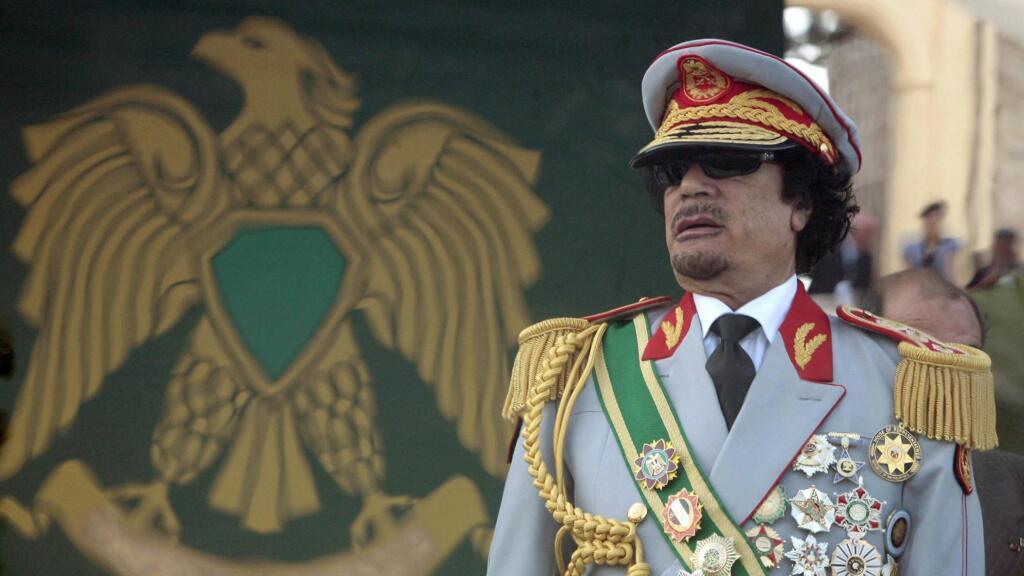
2009年9月1日,利比亚独裁者穆阿迈尔·卡扎菲在庆祝其掌权40周年的活动中。路透社/佐赫拉·本森姆拉/资料图片卡扎菲于1969年通过军事政变在利比亚夺取权力,随后建立了20世纪最独特的国家之一。
Libyan dictator Moamer Khadafi during the celebrations marking the 40th anniversary of his rise to power on 1 September, 2009. REUTERS/Zohra Bensemra/Files Kadhafi seized power in Libya in a military coup in 1969 and went on to build one of the most idiosyncratic states of the 20th century.
该国由巨额石油财富资助,并由残酷的镇压维持,其指导思想是卡扎菲的《绿皮书》——一份提出资本主义和共产主义之间“第三条道路”的宣言,官方称为“人民国”,即“群众国家”。
Funded by vast oil wealth and enforced by ruthless repression, it was guided by his Green Book – a manifesto proposing a “third way” between capitalism and communism, and officially called the Jamahiriya – or “state of the masses”.
卡扎菲将自己塑造为阿拉伯——随后是非洲——解放的捍卫者,并在国外支持武装团体,这导致西方和联合国对其实施了多年制裁。
Kadhafi cast himself as a champion of Arab – and subsequently African – liberation, and backed armed groups abroad, which brought years of Western and United Nations sanctions.
2011年,在起义和西方支持的军事干颃之后,卡扎菲垮台,使利比亚分裂为该国东部和西部的对立政府。许多非洲人将他的下台归咎于此后在萨赫勒地区蔓延的不稳定。
His fall in 2011, following an uprising and a Western-backed military intervention, left Libya split between rival governments in the country's east and west. Many Africans blame his removal for the instability that has since spread across the Sahel.
今年2月,卡扎菲的儿子赛夫·伊斯兰——长期被视为其政治继承人——被暗杀,使他的支持者失去了领袖。
In February this year, Kadhafi's son Saif al-Islam, long seen as his political heir, was assassinated , leaving his supporters without a leader.
我们采访了罗马路斯·圭多·卡利大学教授、利比亚问题专家维吉妮·科隆比埃,询问卡扎菲的思想和影响在利比亚及其以外地区还留下了什么。
We asked Virginie Collombier, a professor at Luiss Guido Carli University in Rome and a specialist on Libya, what survives of Kadhafi's ideas and influence, in Libya and beyond.
法国国际广播电台:卡扎菲主义仅仅是《绿皮书》吗?这部文本阐述了反资本主义、反马克思主义的“第三条道路”,以塑造人民国的政治、经济和社会生活?
RFI: Is Kadhafism simply the Green Book – the text which set out a third way, anti-capitalist and anti-Marxist, to shape the political, economic and social life of the Jamahiriya ?
《绿皮书》常被视为卡扎菲主义的象征,也是其核心教义文本:一种“第三条道路”,旨在为20世纪两大意识形态——资本主义和共产主义——提供替代方案。但卡扎菲的治理方式建立在更为广泛的思想和制度体系之上。
The Green Book is often seen as the symbol of Kadhafism, and it's the central doctrinal text: a third way meant to offer an alternative to the two great ideologies of the 20th century, capitalism and communism. But Kadhafi's way of governing was based on a much broader set of ideas and institutions.
其基本理念是,主权应直接属于民众。人民通过基层的人民委员会自我组织,这些委员会再与政府和行政部门相连。此外,还有一种独特的经济观,常被比作社会主义,尽管其形式各异,并随时间而变。还有源自伊斯兰教的教义元素,同样也在不断演变。
The fundamental idea was that sovereignty should belong directly to the masses. People organise themselves at grassroots level through popular committees, which are then connected to the government and the executive branch. There was also a distinctive economic outlook, often likened to socialism, though it took different forms and shifted over time. And there were doctrinal elements drawn from Islam, which likewise evolved.
在外交政策上,主要原则围绕阿拉伯民族主义、随后是非洲民族主义,以及一种革命性的反帝国主义理论展开。请记住,卡扎菲于1969年掌权,当时冷战正处于高潮。泛阿拉伯民族主义运动,尤其是埃及[贾迈勒·阿卜杜勒·纳赛尔]的运动,以及叙利亚和伊拉克的运动,早已改变了该地区。卡扎菲上台相对较晚,其执政方式深受当时世界其他地方发生的事情的影响。
In foreign policy, the main principles revolved around Arab nationalism, then African nationalism, and a revolutionary anti-imperialist theory. Remember that Kadhafi took power in 1969, when the Cold War was at its height. Pan-Arab nationalist movements, notably [Gamal Abdel] Nasser’s in Egypt but also in Syria and Iraq, had already transformed the region. Kadhafi arrived somewhat late, and his approach to power was heavily influenced by what was happening elsewhere at the time.
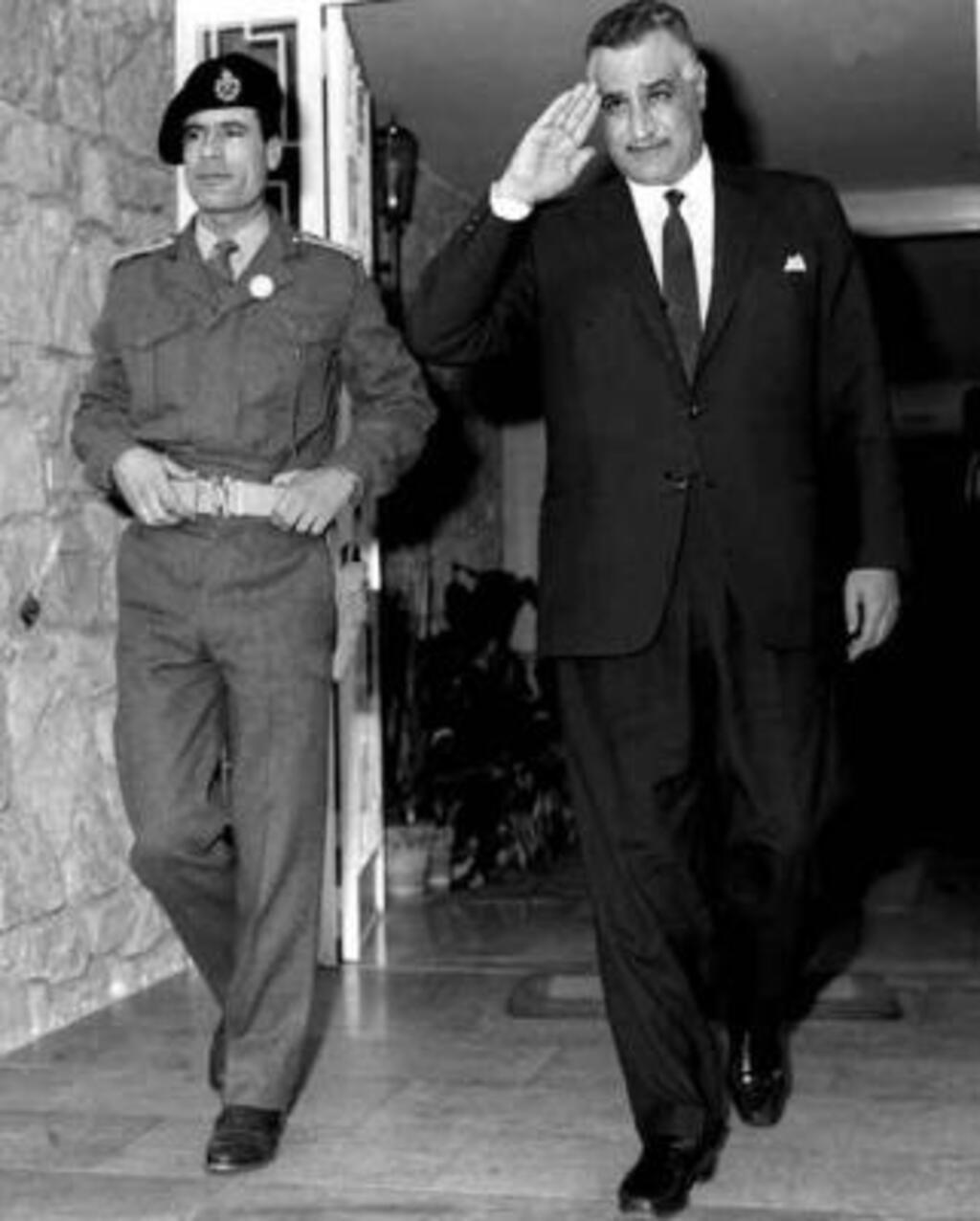
卡扎菲与埃及总统贾迈勒·阿卜杜勒·纳赛尔——阿拉伯民族主义的领军人物——于1969年合影。© 维基百科RFI:在西方,卡扎菲主义与政治镇压、地区冲突以及涉嫌支持国际恐怖主义联系在一起。为何他的革命意识形态、阿拉伯民族主义和泛非主义已退居次要地位?
Kadhafi alongside Egyptian President Gamal Abdel Nasser – the leading figure of Arab nationalism – in 1969. © Wikipedia RFI: In the West, Kadhafism is associated with political repression, regional conflict and alleged support for international terrorism. Why have his revolutionary ideology, Arab nationalism and pan-Africanism taken a back seat?
首先,因为这些在西方并不特别受人欢迎。卡扎菲很快就与美国和法国发生直接对抗。多个西方大国多次试图直接或间接地消灭他。
First, because these are not things that are particularly appreciated in the West. Kadhafi very quickly found himself in direct confrontation with the United States and France. There were repeated attempts by a number of Western powers to eliminate him, directly or indirectly.
他的“第三条道路”从根本上与议会民主制度相悖。虽然他表面上提倡“大众民主”,但实际上该政权高度集权;对一切形式的反对意见(无论是政治上的,还是那些质疑利比亚作为阿拉伯国家的本质、否认该国种族与语言多样性的观点)都采取了严厉的镇压措施。
His “third way” was also fundamentally at odds with parliamentary democracy. Behind the rhetoric of mass democracy, the system was highly centralised. Repression was severe and fell on every kind of opposition: political, of course, but also views that challenged the idea of Libya as above all an Arab nation, denying the country’s ethnic and linguistic diversity.
他的经济政策同样引发了强烈反对——许多人的财产(包括住房)被国有化,从而遭受了严重损失。
His economic policies also generated strong opposition, with many people badly hit by the nationalisation of property, including homes.
除了镇压手段外,该政权还利用地方权力机构来任命对政权忠诚的人士担任地方官员,这实际上是一种既压制反对者、又奖励地方代表的政策。
Alongside the repression, the system used local levels of power to install loyal interlocutors on the ground – in effect a policy of repression, and reward for the regime's local representatives.
通过中央政府(尤其是从20世纪60年代开始的石油资源分配)来重新分配财富,进一步加剧了权力的集中。
The redistribution of wealth through the central state [notably oil resources from 1960s onwards] also reinforced the concentration of power.
此外,卡扎菲自诩为反帝国主义和反对欧洲殖民主义的领袖,因此支持了一些被西方视为恐怖组织的运动——包括非洲的民族解放运动,以及北爱尔兰和巴勒斯坦的独立运动。该政权甚至直接参与了恐怖袭击,这导致了美国及联合国长达20多年的制裁。目前,乌克兰军队在利比亚西部秘密开展军事行动。
Finally, by positioning himself as a leader of anti-imperialism and opposition to European colonialism, Kadhafi backed a number of movements that the West regarded as terrorist: national liberation movements in Africa, but also in Northern Ireland and Palestine. The regime went as far as supporting terrorist attacks, which led to major US and then UN sanctions lasting more than 20 years. Ukrainian forces operating in western Libya as covert war grows
RFI:阿拉伯联盟已经抛弃了卡扎菲,但在1992年联合国首次实施制裁后,许多非洲国家领导人仍继续支持他。为什么卡扎菲主义在阿拉伯世界的影响力不如在非洲那么大?
RFI: The Arab League dropped Kadhafi, yet many African heads of state continued to back him after the first UN embargo in 1992. Why was Kadhafism less successful in the Arab world than in Africa?
卡扎菲与其他阿拉伯国家领导人之间的矛盾很快显现出来。他是一个张扬、好斗的人物,因此与多个中东国家(尤其是埃及)发生了冲突;他也被视为一个制造麻烦的人——他与法国乃至美国的关系都极为紧张。
Tensions between Kadhafi and other Arab leaders emerged very quickly. He was a flamboyant figure who soon fell out with several Middle Eastern governments, particularly Egypt’s, because he wanted to be the leader of the Arab world. He was also seen as a troublemaker – relations with France , and especially the US, were very strained.
因此,他改变策略,从阿拉伯民族主义转向非洲:关注非洲的未来、非殖民化与发展。他推行一系列非洲政策,包括支持发展与投资,这迅速使他总体上成为一位备受推崇的人物,尽管他在各国的受欢迎程度有所不同。
So he changed tack, shifting from Arab nationalism to Africa: its future, decolonisation and development. He pursued a series of African policies, including support for development and investment, which quickly made him an admired figure overall, although his popularity varied from country to country.
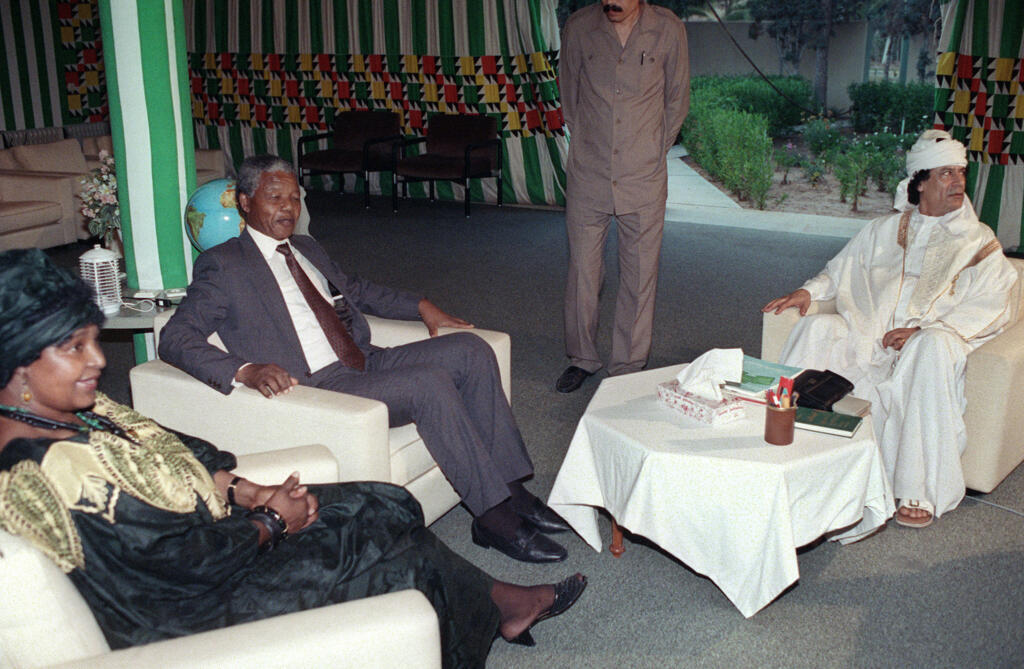
1990年5月18日,卡扎菲是曼德拉出狱后前去致谢的第一位国家元首,以表彰他在种族隔离时期对非国大的慷慨支持。法新社/迈克·内尔森 摄法广:卡扎菲在非洲留下了什么遗产?利比亚问题专家樊尚·于格表示,非洲“英雄短缺”,这使卡扎菲成了“默认的偶像”。
On 18 May 1990, Kadhafi was the first head of state Nelson Mandela went to thank after leaving prison, in recognition of his generous support for the ANC during the apartheid years. AFP/Mike Nelson RFI: What remains of Kadhafi's legacy in Africa? Libya specialist Vincent Hugeux says Africa is “short on heroes”, which made Kadhafi “an icon by default”.
现在是2026年。对于构成非洲大陆人口大多数的年轻一代来说,卡扎菲是遥远的记忆。他们往往有其他参照系,但确实,标志性人物寥寥无几。在一些非洲精英眼中,卡扎菲做了很多好事,因此存在某种怀旧情绪。
It's now 2026. For the younger generation, who makes up the majority of the continent’s population, Kadhafi is a distant memory. They often have other reference points, but it's true that iconic figures are thin on the ground. Among some African elites, Kadhafi did a lot of good, so there's a certain nostalgia.
或许也存在、且近年来必然增长了对参与推翻他的国家的深深怨恨,甚至愤怒。他们言之有理地说:“你们推翻了政权,却没有任何明确的后续计划。”
There may also be, and it's surely grown in recent years, deep resentment, even anger, towards the countries that took part in overthrowing him. They say, with some justification: "You removed the regime without any clear plan for what would come next."
推翻卡扎菲深刻地 destabilised(使……动荡/不稳定)了整个地区。通过多米诺效应,它产生了严重且有害的后果,特别是在萨赫勒地区,表现为不安全、动荡和圣战主义蔓延。这不是唯一的解释,但或许有一种感觉,即2011年推翻他的军事行动给非洲带来了许多有害后果。利比亚阿勒哈迪姆空军基地成为俄罗斯在萨赫勒地区的武器枢纽法广:利比亚是阿拉伯之春亲民主抗议期间唯一遭遇外国干预的国家——一场未获非洲联盟支持的西方“人道主义”干预。
Removing Kadhafi profoundly destabilised the whole region. Through a domino effect, it had severe and damaging repercussions, particularly in the Sahel, in terms of insecurity, instability and the spread of jihadism. It isn't the only explanation, but there is maybe a feeling that the military operation that toppled him in 2011 had many harmful consequences for Africa. Libya's Al-Khadim airbase becomes a hub for Russian arms in the Sahel RFI: Libya was the only country to see foreign intervention during the Arab Spring pro-democracy protests – a “humanitarian” intervention by the West carried out without the African Union’s backing.
与该地区大多数国家在2011年和2012年发生的情况不同,利比亚是西方大国唯一选择干预的国家。
Unlike what happened in most countries in the region in 2011 and 2012, Libya was the only state where Western powers chose to intervene.
曾有过调解尝试,特别是在南非的主导下,试图在抗议者(即卡扎菲的反对者)与政权之间寻找妥协方案。但西方大国将这些调解努力搁置一旁,并未给予严肃考虑。这仍然是非洲精英阶层之间紧张关系和批评的主要根源。
There were attempts at mediation, notably under South African leadership, to find a compromise between the protesters, or opponents of Kadhafi, and the regime. But Western powers set these mediation efforts aside and gave them no serious consideration. That remains a major source of tension and criticism among African elites.
该干预行动也被俄罗斯视为一种背叛,此后俄罗斯动用否决权阻止了安理会提出的任何形式的干预。2011年,莫斯科在1973号决议上投了弃权票。西方将该决议描述为体现了对示威者和平民的“保护责任”。但实际上,这一责任很快就演变成了旨在推翻政权的军事干预。
The intervention was also seen as a betrayal by Russia, which has since used its veto to block any form of intervention proposed at the Security Council. In 2011, Moscow abstained on Resolution 1973 . The West had presented it as a text embodying the “responsibility to protect” demonstrators and civilians. In practice, that responsibility was very quickly turned into a military intervention with the clear aim of toppling the regime.
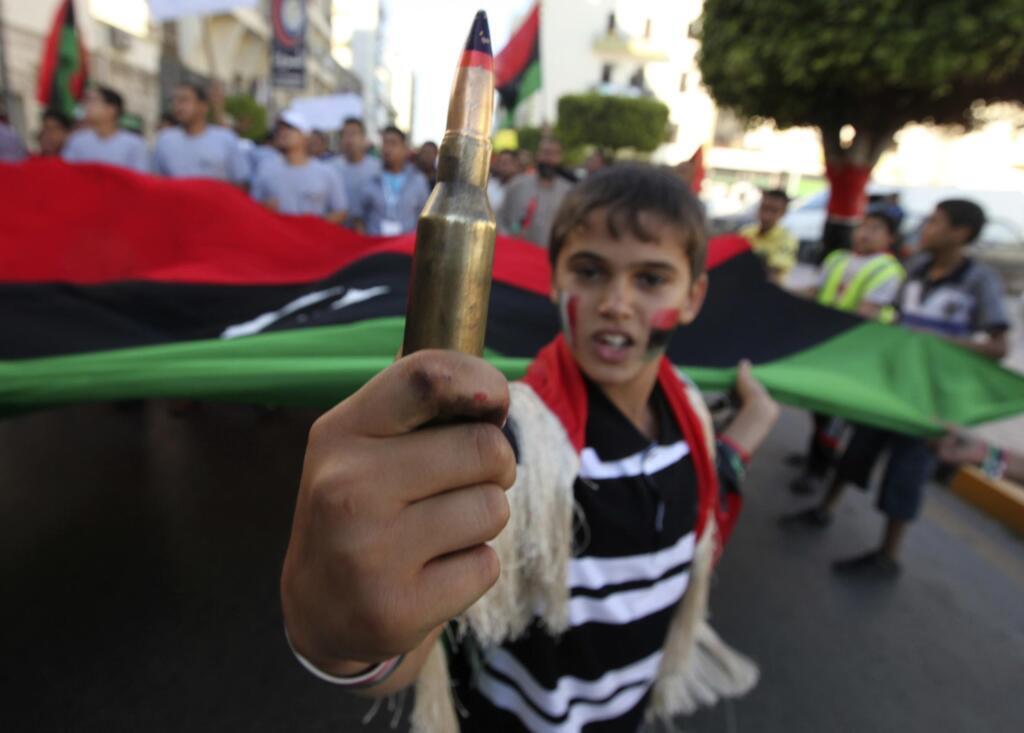
抗议者于2011年5月14日在班加西法院外聚集,呼吁国际刑事法院对卡扎菲发布逮捕令。 REUTERS/Mohammed Salem法广:为什么利比亚的卡扎菲主义运动自2011年革命以来从未恢复元气?
Protesters gather outside the courthouse in Benghazi on 14 May 2011, calling on the International Criminal Court to issue arrest warrants against Kadhafi. REUTERS/Mohammed Salem RFI: Why has the Kadhafist movement in Libya never recovered since the 2011 revolution?
2011年局势尤为复杂。与埃及或突尼斯不同,后者由民众运动推翻政权并由另一政权取而代之,利比亚出现了三重重叠。
The year 2011 was particularly complex. Unlike in Egypt or Tunisia, where a popular movement brought down a regime and replaced it with another, three things overlapped in Libya.
首先是民众运动,它迅速军事化并遭遇镇压。与此同时,政权与反对派的对抗因国内亲卡扎菲与反卡扎菲武装力量的深度分裂而加剧,冲突由此演变为真正的内战。
There was a popular movement that quickly became militarised and was met with repression . At the same time, the confrontation between the regime and its opponents was compounded by a deep division in the country between pro and anti-Kadhafi forces, both armed. This turned the conflict into a genuine civil war.
最后,也是最关键的是,外国军事干预增加了另一层复杂性,并壮大了实地各反卡扎菲派别。
Finally, and above all, foreign military intervention added another layer of complexity and strengthened the various anti-Kadhafi factions on the ground.
政权倒台时,国家在胜利的革命者与被边缘化、被排挤数年的失败者之间陷入深度撕裂。
When the regime collapsed, the country was deeply divided between the victorious revolutionaries and the defeated, who were marginalised and sidelined for several years.
在这个分裂的利比亚,两个敌对阵营出于安全和政治原因,意识到他们需要引入一些卡扎菲时代的人物。从2017-18年起,一个吸纳和拉拢的过程开始了,一些前显要人物分别与哈利法·哈夫塔尔[利比亚国民军领导人]或的黎波里政府结盟。
In this divided Libya, the two rival camps realised that, for security and political reasons, they needed to bring in a number of figures from the Kadhafi era. From 2017-18 onwards, a process of absorption and co-option began, with a number of former prominent figures aligning themselves with either Khalifa Haftar [leader of the Libyan National Army] or the Tripoli government.
那些拒绝加入该体系的人,在不同程度上与赛义夫·伊斯兰·卡扎菲结盟。但尽管他在政治上极具魅力,却没有军队或真正的民兵能够动员民众。他也没有财力做到这一点,这使他处于劣势。
Those who refused to join that system were, to varying degrees, allied with Saif al-Islam Khadafi . But although he was politically charismatic, he had no army or real militia capable of mobilising people. Nor did he have the financial means to do so, which put him at a disadvantage.
在他于2026年2月遭暗杀后,他的运动陷入真正的危机。支持者没有可以团结的人物,也没有真正的政治纲领。在卡扎菲幸存的子女中,似乎没有人有意愿或能力扮演那种动员者的角色。
Following his assassination in February 2026, his movement is in real crisis. There's no figure for supporters to rally around and no real political project either. Among Kadhafi's surviving children, it seems that no one has the desire or the ability to play that mobilising role.
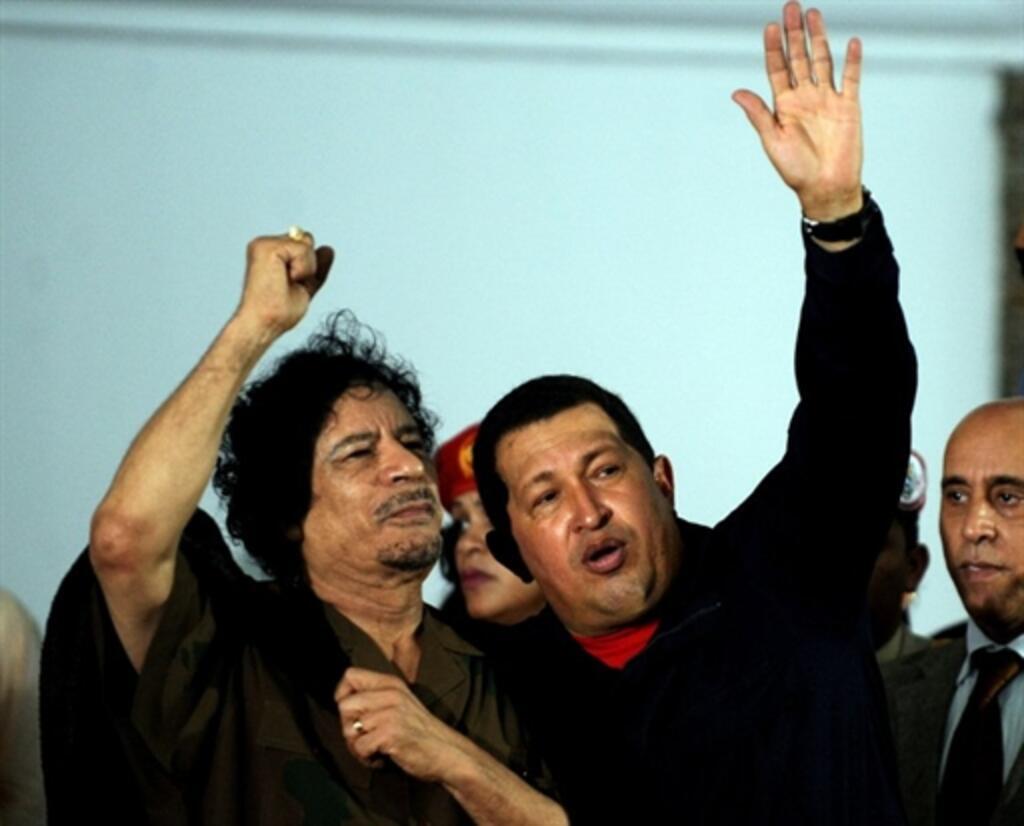
2008年,利比亚领导人穆阿迈尔·卡扎菲与委内瑞拉总统乌戈·查韦斯在马格丽塔岛上。法新社利比亚通往民主的道路依然受阻,政治僵局持续法新社:作家让-路易·古罗在其2023年的著作中写道:“卡扎菲主义无非就是卡扎菲本人。”您同意吗?
Libyan leader Moamer Kadhafi and Venezuelan President Hugo Chavez on the island of Margarita in 2008. AFP Libya's road to democracy remains blocked as political stalemate endures RFI: The writer Jean-Louis Gouraud, who knew Kadhafi well, wrote in his 2023 book that “Kadhafism was nothing other than Kadhafi”.
卡扎菲主义确实非常以卡扎菲个人为中心,是一个与他紧密相连的高度个人化的权力体系。同时,卡扎菲也是一个社会和一种相当特殊的历史的产物。
Do you agree? Kadhafism was indeed very much centred on Kadhafi as a person, on a highly personalised system of power closely tied to him. At the same time, Kadhafi was the product of a society and a rather particular history.
在某些方面,他身上有着非常利比亚的特质。在某种程度上,他围绕自己建立了一个与该国社会结构和历史紧密相连的体系。这有时被称为“利比亚个性”。
In some respects there was something very Libyan about him. In a way he organised around himself a system closely tied to his country’s social structures and history. This is what is sometimes called the “Libyan personality”.
这很好地反映了利比亚社会经历的深刻动荡:从殖民时期到独立和石油的发现——以及这种发现以残酷方式改变社会和国家角色的过程。
It reflects quite well what Libyan society went through in terms of profound upheaval: from the colonial period to independence and the discovery of oil – and the brutal way that transformed society and the role of the state.
我们往往会忘记,利比亚及其人民在数十年间因制裁和禁运而与世隔绝。这种状况至今仍在塑造利比亚人的性格,尽管新一代人当然已经出现。
We tend to forget that Libya and its people spent several decades largely cut off from the rest of the world because of sanctions and embargoes. That still shapes the Libyan personality today, even though new generations have of course come along.
所以,是的,在某种程度上可以说卡扎菲主义就是卡扎菲。但它也是一个国家历史的反映,以及一个社会动荡的反映,这个社会我们尚未充分分析或理解,而且相当不寻常。本文改编自安妮·伯纳斯的法语采访。
So yes, in some respects you could say Kadhafism was Kadhafi. But it's also the reflection of a country’s history, and upheavals in a society that we haven't yet properly analysed or understood and which are quite unusual. This article has been adapted from an interview in French by Anne Bernas.