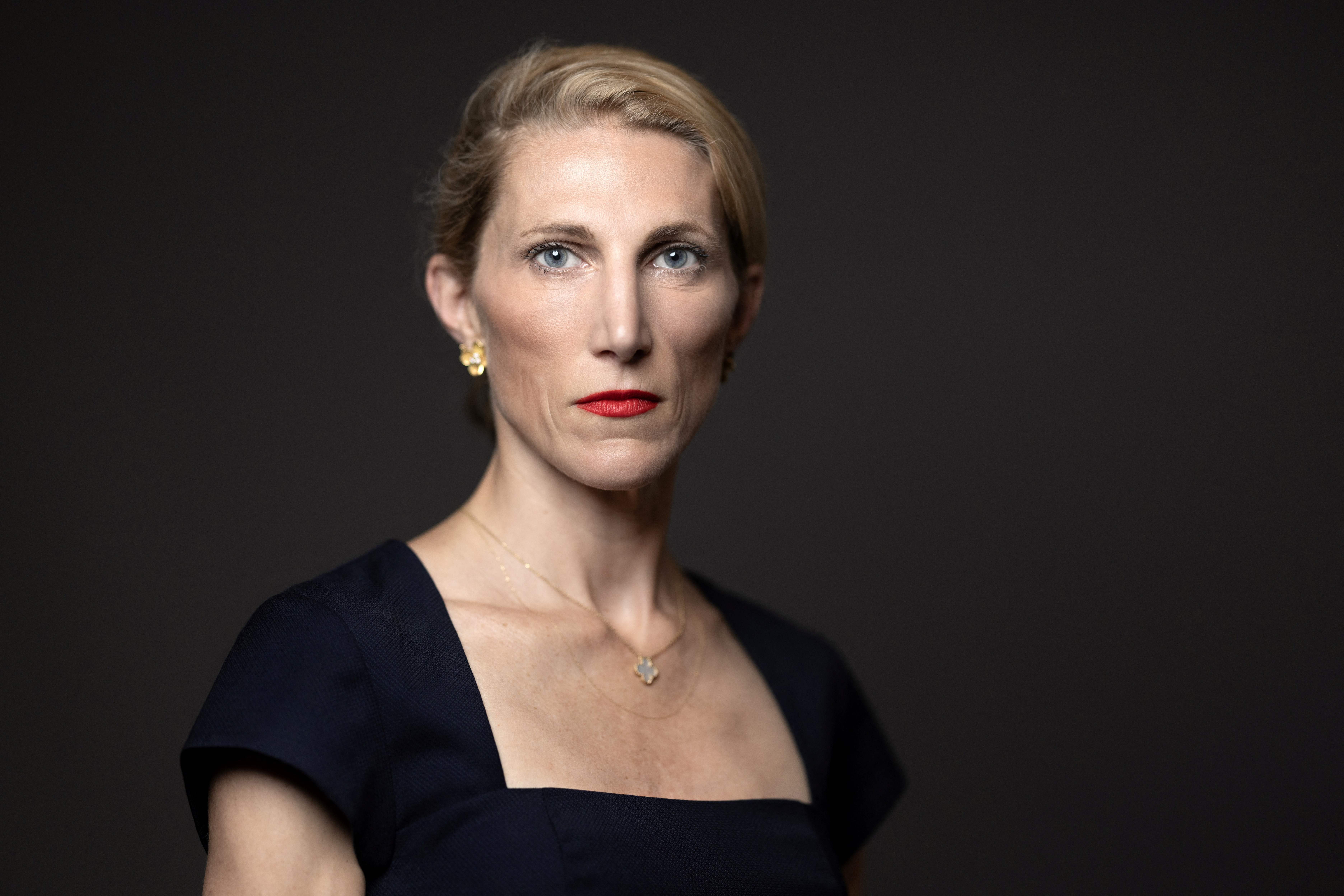
范妮莎·克里博士已被任命为世界卫生组织卫生韧性特使。Joel Saget/AFP via Getty Images/AFP “韧性”是一个热门流行词。但它究竟意味着什么?是从悲剧中反弹?克服障碍?还是在逆境中拥有追随梦想的内在力量?
Dr. Vanessa Kerry has been named the Special Envoy for Health Resilience at the World Health Organization. Joel Saget/AFP via Getty Images/AFP Resilience is one of those buzzy buzzwords. But what does it mean, exactly? Bouncing back from tragedy? Conquering obstacles? Having the inner strength to follow a dream when the odds are against you?
对范妮莎·克里博士而言,定义相当直截了当。归根结底就是做好准备。在全球卫生领域,她说,这意味着“强有力的体系、初级卫生保健以及应对能力”。这些理念将指导她在新职位——世界卫生组织卫生韧性特使——上的工作。
For Dr. Vanessa Kerry, the definition is pretty straightforward. It boils down to being prepared. In the world of global health, she says, that means "strong systems, primary care and the ability to respond." Those are the ideas that will guide her in her new job as Special Envoy for Health Resilience at the World Health Organization.
这是她令人印象深刻的履历中的最新一笔。克里曾担任世卫组织首位气候变化与健康特使,现任哈佛大学公共卫生学院全球健康与气候政策主任,也是“种子全球健康”组织的创始人兼首席执行官。这个非营利组织十多年来一直在资源匮乏国家建设韧性,派遣教练和导师教育和培训当地医疗专业的学生和从业者,同时建设财力和物力资源。
It's the latest addition to an impressive resume. Kerry was WHO's first special envoy for climate change and health, is director of global health and climate policy at Harvard School of Public Health and is the founder and CEO of Seed Global Health That nonprofit group has been building resilience in lower resource countries for over a decade, dispatching coaches and mentors to educate and train local healthcare students and practitioners as well as building financial and material resources.
克里的行动主义反映了她年轻时的关键时刻。小学时,她决定要成为一名医生。14岁时,她随父亲、前参议员兼国务卿约翰·克里前往越南,目睹的贫困深深震撼了她。一次高风险分娩 接着是卢旺达的危机。
Kerry's activism reflects seminal moments from her younger years. In grade school, she decided she wanted to become a doctor. At age 14, she traveled to Vietnam with her father, former Senator and Secretary of State John Kerry, and was deeply struck by the poverty she saw. A high-risk delivery Then came the crisis in Rwanda.
在医学院三年级和四年级之间,她在卢旺达的一家医院度过了一段时间。一天,她被要求“帮把手”协助一名妇女分娩,与一名护士合作。
Between her third and fourth years in medical school, she spent time in a hospital in Rwanda. One day she was asked to "be a helping hand" with a woman's labor and delivery, working with a nurse.
克里说:“我只是个学生。”所以团队就只有我们俩——这名来自美国的医科学生和一名卢旺达护士。
Kerry said, "I'm a student." So that was the team — this medical student from the U.S. and a Rwandan nurse.
“产妇在用力,但胎儿没有下降,”凯里回忆道。“肩膀卡住了,所以我们需要实施助产手法来帮助分娩。”她努力回想在“很久以前的产科轮转”期间学到的一切。当时没有影像设备,她和那位护士也都没有接受过针对这种情况的专门培训。
"The mother was pushing but the baby was not advancing," Kerry remembers. "The shoulder had gotten stuck and so we needed to do the maneuvers to help to deliver." She tried to remember everything she could from time spent in a "labor rotation a while back." There was no imaging, no specific training either she or the nurse had had for this type of situation.
“我们很幸运,”她说,“因为我们记得的东西管用了。”母子平安。
"We were lucky," she says, "Because what we remembered worked." Mother and child survived.
现年49岁的凯里回忆道:“我记得走出那间房时想,那太让人痛苦了——不止如此,极其震惊和恐惧。
Kerry, now 49, recalls: "I remember walking out of that room thinking, that was extremely distressing — more than that, extremely shocking and terrifying.
她只能得出结论:“这整套体系行不通。”那次惊心动魄的分娩经历成了“种子全球健康组织”成立的契机。她知道许多同事都想致力于改善全球健康。但许多机会都是飞进去实施某些手术,然后飞回来。
She could only conclude "this whole system doesn't work." That harrowing delivery was the germ for Seed Global Health. She knew that many of her colleagues wanted to work to improve global health. But many of the opportunities involved flying in to perform certain procedures, then returning home.
“他们在那一刻做出了贡献,但随后呢?”当她从卢旺达返回波士顿,在麻省总医院完成住院医师培训时,她开始酝酿一个想法:与和平队合作,派遣医生和护士前往撒哈拉以南非洲担任医学教育者,培训医疗卫生人员,让他们再去培训其他人——建立一个国家内部的医疗卫生体系。种子组织与和平队的合作从2012年持续到2018年,重点是推动国家主导的艾滋病疫情控制工作。
"They made a contribution in that moment, but what then?" When she returned to Boston from Rwanda to finish her residency at Massachusetts General, she began hatching the idea of working with the Peace Corps to send doctors and nurses to sub-Saharan Africa as medical educators to train health care workers who could then train others — building a country's internal health care system. Seed's collaboration with the Peace Corps lasted from 2012-2018, focusing on the development of country-led efforts at HIV/AIDS epidemic control.
如今,种子组织在多个撒哈拉以南非洲国家开展培训工作。以乌干达为例,凯里表示,她的团队已与卫生部合作,通过培训30名急诊医学医师来建设急诊医学体系。今年早些时候那里发生埃博拉疫情时,她说这些急诊医师和其他专家能够在全国范围内培训3000多名卫生工作者,内容涵盖埃博拉病例管理、感染预防与控制。
Today, Seed is active in several sub-Saharan African countries for its training efforts. In Uganda, for example, Kerry says that her group has partnered with the Ministry of Health to build up emergency medicine by training 30 emergency medicine physicians. When an Ebola outbreak occurred there earlier this year, she says that these emergency physicians and other specialists were able to train over 3,000 health workers around the country in Ebola case management and infection prevention and control.
她说,Seed让她明白,建立韧性“并非艰巨的任务。如果你培训卫生工作者,他们就能监测并提供医疗服务,能提供监测,能提供预防。”她说,构建应对型医疗体系正是她新工作的核心。
Seed, she says, has taught her that building resilience "is not a daunting task. If you train health workers, they can monitor and provide healthcare, they can provide surveillance, they can provide prevention." Building responsive healthcare systems is what her new job is all about, she says.
“我们一直是按病种、按危机来提供资助。我们可以换个角度思考这个问题。”
We've been funding disease by disease and crisis by crisis. We can be thinking about this differently."
她的目标不仅仅是在新疫情爆发时才介入。“如果一个国家没有建立卫生系统基础设施,他们可能就无法应对紧急情况。韧性意味着建立一个已经就位的系统。”
Her goal is not merely to jump in when a new outbreak occurs. "If a nation does not have a health system infrastructure in place, they will probably not be prepared to respond to the emergency. Resilience means building a system that will already be in place."
这也意味着倾听当地声音。“各国知道照顾其民众的优先事项是什么,”她说。作为韧性特使,她希望确保有充足资金,以便“我们能更有效地应对疾病带来的最大负担。”Diane Cole为包括《华尔街日报》《华盛顿邮报》在内的多家出版物撰稿。她是回忆录《巨痛之后:新生》的作者。
And it also means listening to local voices. "Countries know what their priorities are to care for their population," she says. As the resilience envoy, she wants to make sure there is ample funding so "we more effectively address the biggest burdens of disease." Diane Cole writes for many publications, including The Wall Street Journal The Washington Post. She is the author of the memoir After Great Pain: A New Life Emerges.
她的网站是 关于我们变化世界中生活的故事,请订阅NPR全球健康通讯。
Her website is For stories about life in our changing world, to NPR's Global Health newsletter.