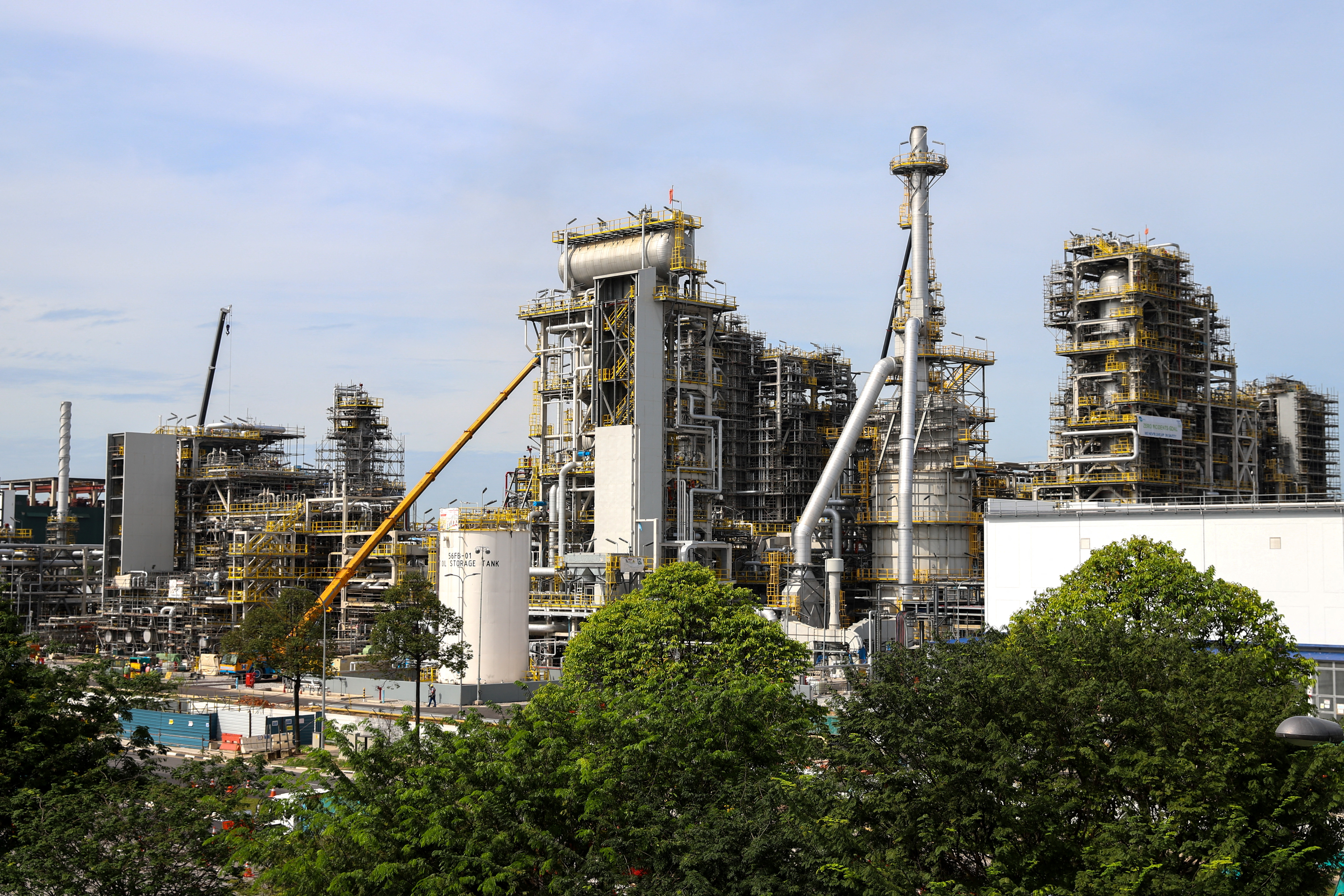
芬兰生物燃料制造商和炼油商Neste(NESTE.HE)周二敦促欧盟委员会放宽对不威胁粮食供应或森林的生物燃料原料的限制。
Finnish biofuel maker and oil refiner Neste (NESTE.HE) on Tuesday urged the European Commission to ease restrictions on biofuel feedstocks that do not put food supplies or forests at risk.
这项呼吁是在战争推动化石燃料价格上涨,重新激发人们对生物燃料作为提高能源安全和潜在降低能源成本的方式的兴趣之际提出的。
The appeal comes as higher fossil fuel prices driven by war have renewed interest in biofuels as a way to improve energy security and potentially reduce energy costs.
生物燃料通常与化石燃料混合,可以由多种有机材料制成,但大多数是由糖和玉米等食品和饲料作物生产的。
Biofuels, typically blended with fossil fuels, can be made from a range of organic materials, though most are produced from food and feed crops such as sugar and corn.
长期以来,生物燃料一直是争论的焦点,争论它们是否有助于减少排放和增强能源安全,还是反而导致森林砍伐和粮食价格上涨。
They have long been at the centre of debate over whether they help cut emissions and bolster energy security or instead drive deforestation and higher food prices.
出于这个原因,欧盟委员会限制了在欧洲可以种植的生物燃料原料的数量。
For that reason, the European Commission limits the amount of biofuel feedstocks that can be grown in Europe.
Neste认为,这些担忧不适用于由间作或覆盖作物(如收获间歇期种植的油菜或在退化土地上种植的作物)制成的第二代或先进生物燃料。
Neste argues those concerns do not apply to second-generation, or advanced, biofuels made from intermediate or cover crops such as canola grown between harvests or on degraded land.
“欧洲这些间作作物的最大可用量高达2700万吨,但目前的认证规则取消了我们大量的潜力,”Neste公共与监管事务EMEA负责人塞缪尔·莫班克(Samuel Maubanc)表示。
"The maximum availability in Europe from these intermediate crops is up to 27 million tons, but right now the certification rules disqualify a lot of the potential we have," said Samuel Maubanc, Neste's EMEA head of Public and Regulatory Affairs.
莫班克在伦敦的Argus Biofuels Europe会议上发表上述言论。欧盟委员会未立即回应置评请求。
Maubanc was speaking at the Argus Biofuels Europe conference in London. The Commission was not immediately available to comment.
根据伦敦智库查塔姆府(Chatham House)最近的一项研究,随着主要生产国提高混合强制规定,全球生物燃料产量预计将从2025年水平到2030年激增近70%。
Global biofuels output is expected to surge nearly 70% by 2030 from 2025 levels as major producing countries increase blending mandates, according to a recent study by London-based think tank Chatham House.
自去年2月下旬伊朗战争开始以来,原油价格已上涨近40%,而糖和玉米价格已上涨约20%。
Crude oil prices have risen nearly 40% since the Iran war began in late February, while sugar and corn prices have gained about 20%.