“平庸的‘表演’就此开始了……很快,听众们就完全沉浸其中了,就像遭遇山洪暴发的鸡群一样。”《每日邮报》对英国教育大臣露西·鲍威尔最近一次演讲的评价相当严厉。《泰晤士报》对自由民主党领袖埃德·戴维的评价也同样负面;戴维在9月的党派会议上发表演讲时,依然像往常一样“看起来和说话的方式,都像是一个和蔼可亲的乡村全科医生,正在给老妇人分发鱼肝油”。
“The sluice gates of mediocrity opened. Before long the audience were up to their beaks in it, like chickens in a flash flood.”The Daily Mail’s verdict on a recent speech by Lucy Powell, Britain’s education secretary, was not kind. Nor was the Times’s on Sir Ed Davey, leader of the Liberal Democrats, who “looked and sounded, as he always does, like a smiley rural GP doling out cod-liver oil to old ladies” during his party-conference speech in September.
与保守党的影子财政大臣相比,这两位政治人物的遭遇还算“轻微”的。《卫报》在10月份写道:“哪怕只有20分钟的演讲时间,安德鲁·格里菲斯也能彻底摧毁一个人的形象。”格里菲斯的演讲无论在内容还是表达方式上都是史上最糟糕的——简直就像是在看一只智力低下的猴子在表演。这类尖锐的批评在社交媒体上很常见,但在大多数国家,这类言论很少会出现在主流报纸的版面上。然而,在英国的政坛中,这类言论反而受到鼓励……这要归功于英国议会中那些古老而依然活跃的“幽默表演”传统。
Both got off lightly compared with the Conservatives’ shadow chancellor. “Even 20 minutes of Andrew Griffith can rip your soul in half,” the Guardian wrote in October. “Griffith proceeded to give the worst speech ever heard. Not just in content but in delivery. It was like watching a less sentient version of the PG Tips monkey.”Such indelicate sentiments are common on social media, but in most countries they rarely grace the pages of mainstream newspapers. On Fleet Street, however, they are positively encouraged. For that you can thank the ancient, still-thriving art of the British parliamentary sketch.
当财政大臣约翰·希利在10月28日发表首份预算报告时,他最关心的当然是议员们、选民以及债券市场的反应。不过他也很可能会留意那些幽默表演中的台词或桥段——因为一个精彩的幽默台词可能会让一位政治家在余下的职业生涯中一直受到公众的嘲笑。特蕾莎·梅在担任首相期间,就曾因在脱欧问题上的机械式回答,被《卫报》的约翰·克雷斯称为“‘梅博特’”(Maybot)。
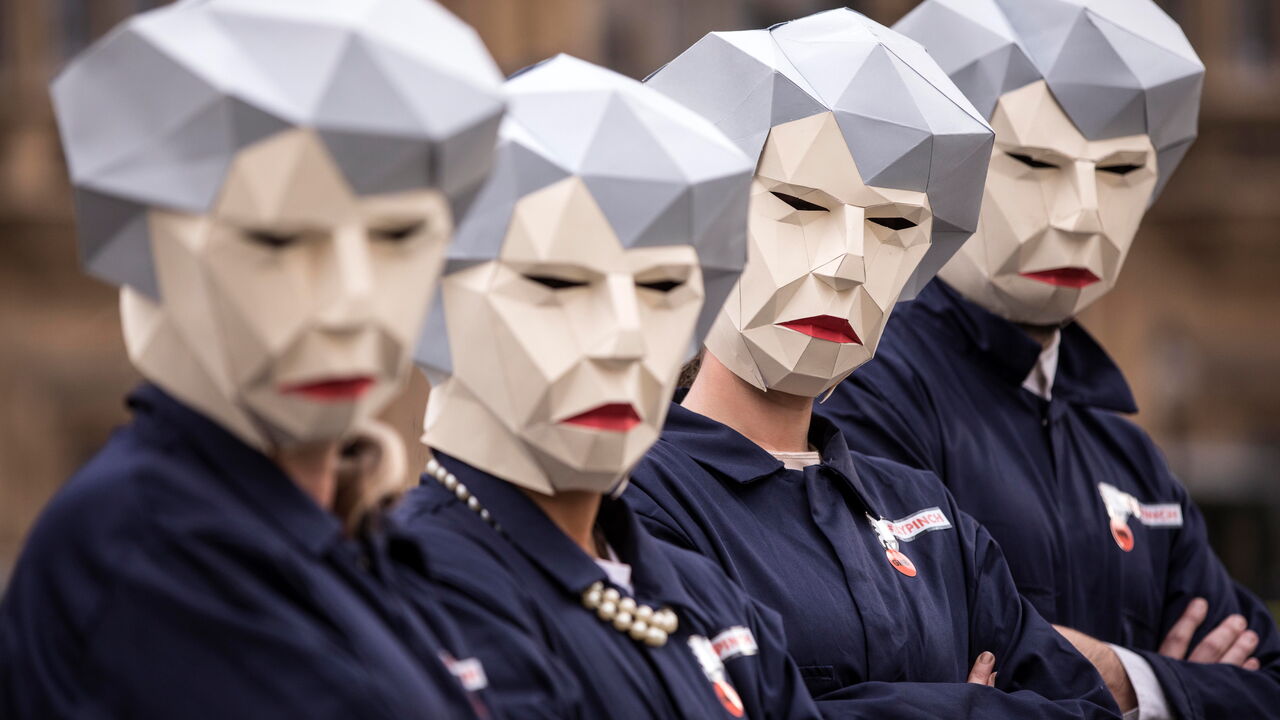
When John Healey, the chancellor, delivers his first budget on October 28th, he will care most about the responses of MPs, voters and the bond markets. But he will probably keep half an eye on the sketches, too, since a well-turned phrase in a sketch can dog a politician for the rest of their career. Theresa May, while prime minister, never managed to escape the nickname of “Maybot”, attached to her by the Guardian’s John Crace after a particularly robotic set of interviews about Brexit.
这种“政治讽刺短剧”其实与普通的绘画作品毫无关系;它更像是一种以幽默方式呈现的政治新闻报道——通常会描绘议会辩论、政治家的演讲或采访内容。这类短剧会记录下政治家们所说的话,以及编剧对这些言论的看法,并加入大量针对政治家的讽刺性幽默。目前有四家日报和两家杂志仍在聘请这类编剧;相比之下,整个英国的媒体机构加起来只雇用了一名专门报道工业领域的记者。
A sketch has nothing to do with drawing. Rather, it is a comic but factual report of a political news event—usually parliamentary proceedings, a speech or an interview. It recounts what was said and what the sketch writer thought of it, along with plenty of jokes at the politicians’ expense. Four daily newspapers and two magazines employ sketch writers; in contrast, all British media outlets between them now employ only one industrial correspondent.
这种创作传统起源于19世纪初,每位编剧都梦想能够达到他们最伟大的前辈查尔斯·狄更斯的水平(狄更斯曾为《议会镜报》撰稿)。
The practice began in the early 19th century and every sketch writer dreams of reaching the heights of their greatest predecessor, Charles Dickens, who wrote for the Mirror of Parliament.
其他属于“Fleet Street”(伦敦新闻业中心)的传统,比如“猜球比赛”或那些裸露上身的“第三版”杂志模特,早已在互联网时代消亡了。然而,这种政治讽刺短剧却依然存活了下来。据克雷斯先生(Mr. Crace)称:“脱欧时期的混乱局势反而促进了这种短剧的复兴——因为在那段时期,只有这种形式才能准确反映政治领域的荒诞与混乱。”罗布·赫顿(Rob Hutton)认为,这种短剧能够延续至今的另一个原因是:从事这种创作的记者往往更加“诚实”——他们不敢直接指责政治家撒谎。
Other Fleet Street traditions, such as spot-the-ball competitions and topless “page 3” girls, have died in the age of the internet. But the sketch lives on. The chaos of the Brexit era helped, according to Mr Crace: “The sketch was reborn, because it was sometimes the only thing that could capture the hallucinogenic nature of politics at the time.”Another reason for its survival, says Rob Hutton, who writes sketches for the Critic, a magazine, is that practitioners of the art can be “more honest”. News reporters, for instance, might feel uneasy about straightforwardly accusing politicians of lying.
什么才是一篇优秀的讽刺漫画(或短剧)呢?对克雷斯先生来说,关键在于能够准确把握当天的热点问题,并对其进行深刻的剖析。而《每日邮报》的昆汀·莱茨则采取了不同的创作方式:他专门报道那些鲜为人知的下议院辩论,并擅长将那些不知名的政客“鲜活”地呈现在读者面前。(莱茨在最近的一篇文章中讽刺地写道:“这位名叫基尔·马瑟的交通部副部长看起来只有14岁左右,很可能还没买过剃须刀。”)
What makes a good sketch? For Mr Crace, the important thing is to identify the issue of the day and shine a light on it. Quentin Letts of the Daily Mail takes a different approach: he files reports from the most obscure Commons debates, and enjoys bringing little-known politicians to life. (Keir Mather, a junior transport minister, “looks about 14 and is almost definitely yet to buy his first razor”, Mr Letts noted archly in a recent piece.)
这些讽刺漫画的创作者们一致认为,优秀的作品不仅能引发读者的笑声,还能揭示当权者的真实心理。“最出色的讽刺漫画作者其实是一位政治思想家,”《泰晤士报》的前主编彼得·斯托瑟德爵士这样评价道。赫顿则认为,这类作品的价值在于能够揭示安迪·伯纳姆(Andy Burnham)自我认知与公众对他的印象之间的差距——伯纳姆自认为是“威斯敏斯特政坛中的局外人”,而实际上公众对他的看法却截然不同。
The sketch squad agree that a good one does more than make readers laugh; it illuminates the psychology of the powerful. “The best sketch writer is a political thinker,” says Sir Peter Stothard, a former editor of the Times. Mr Hutton sees potential in exposing the gap between how Andy Burnham sees himself—as a blokey outsider to Westminster—and how the prime minister comes across to others.
并非所有议员都害怕在讽刺漫画中成为笑柄。前保守党内阁部长罗伯特·巴克兰德爵士表示,他认为被嘲笑是一种“荣誉”;他还提到,他的下议院同事们常常在议会咖啡馆里互相朗读这些漫画中的精彩片段。对于那些成为讽刺对象的政客们,他毫无同情之心:“这就好比水手们抱怨大海一样——如果不喜欢水,就不要出海啊。”
Not all MPs fear being brutalised in a sketch. Sir Robert Buckland, a former Conservative cabinet minister, says he considered it a “badge of honour” to be mocked. Commons colleagues sit around in parliamentary cafés reading choice excerpts out loud to each other, he adds. He has no sympathy for the sketch writers’ victims: “It’s like sailors complaining about the sea, isn’t it, really? Don’t get on the water if you don’t like it.” ■