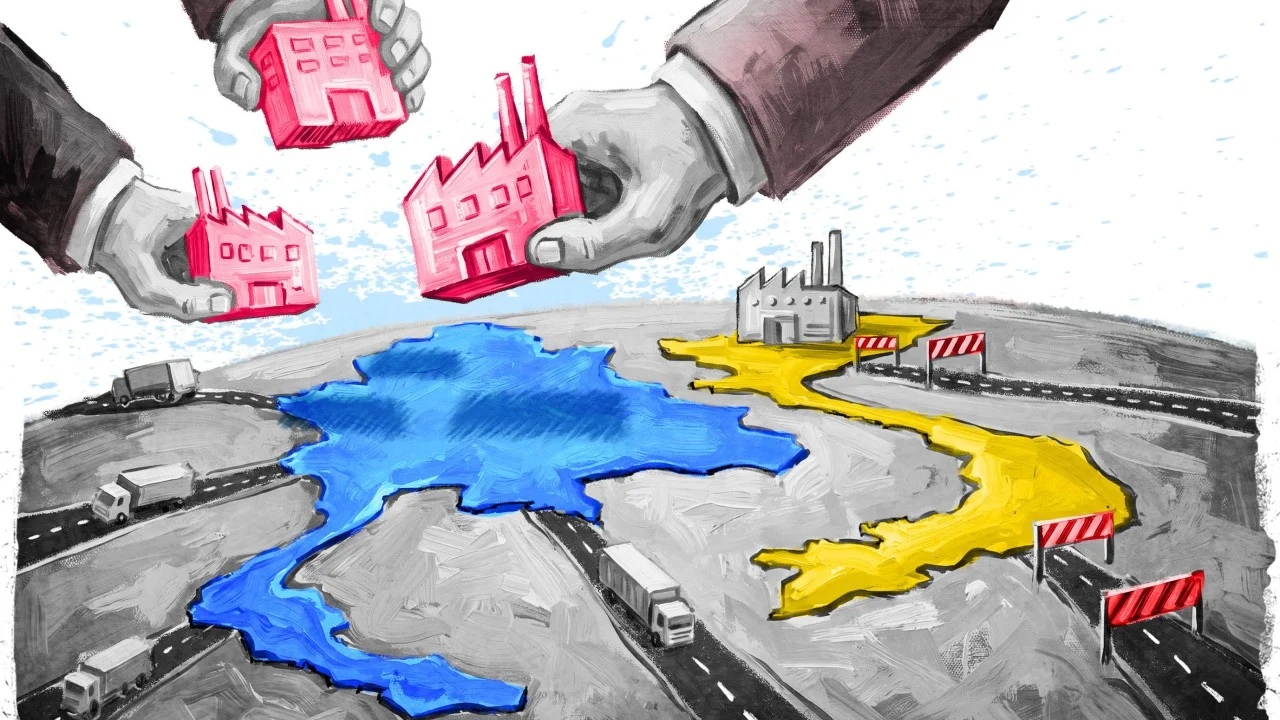
中国企业正在发生微妙转变,它们采取“中国加一”策略,将国内投资转向周边经济体——这一策略主要旨在对冲关税和地缘政治风险。
A subtle shift is taking place among Chinese businesses as they adopt a “China plus one” outlook and redirect domestic investments to neighbouring economies – a strategy largely designed as a hedge against tariffs and geopolitical risks.
越南在很长一段时间内备受青睐,但随着企业将目光投向泰国这一替代目的地,其吸引力开始有所下降。在后“贸易战2.0”时代,泰国在竞争中占据优势,去年吸引了数十亿美元的投资支出。
Vietnam, popular for much of this period, is beginning to lose some favour as firms look to Thailand as another alternative destination. The latter country has gained the edge on its competitor in the post-trade war 2.0 era, attracting billions of US dollars in outlays last year.
但投资涌入也让曼谷更加警惕风险,特别是与美国旨在限制中国转口贸易的措施有关的风险。
But the influx has also made Bangkok more mindful of risks, particularly those related to US measures intended to limit Chinese transshipment.
“泰国被誉为新时代‘中国加一’战略的新标杆,”香港科技大学公共政策学教授Donald Low(刘兆佳)表示。
“Thailand is hailed as a new poster child of the ‘China plus one’ strategy of the new era,” said Donald Low, professor of public policy at the Hong Kong University of Science and Technology.
随着技术密集型中国制造商纷纷涌入,而通过越南重新出口货物的路径逐渐走向终结,这片“微笑之国”可能在与邻国的竞争中进一步扩大优势。
As tech-intensive Chinese manufacturers flock there while the sun sets on export re-routing via Vietnam, the Land of Smiles may gain further ground over its neighbour.
“泰国拥有相当成熟、复杂的制造业基础,比越南更先进,”Low说。
“Thailand has a reasonably mature, sophisticated manufacturing base that is more advanced than Vietnam’s,” Low said.
从越南的角度来看,“制造业饱和”以及认知的转变——因美国贸易审查而加剧,包括对被认定经越南转口的中国商品征收40%惩罚性关税——意味着越南作为热门投资目的地的阶段可能已告一段落,这位学者补充道。泰国入选,越南出局?
From Vietnam’s perspective, “manufacturing saturation” and a perception change – aggravated by US trade scrutiny, including punitive tariffs of 40 per cent on Chinese goods found to have been diverted through the country – mean it may have run its course as a popular destination, the scholar added. Thailand in, Vietnam out?
根据中国商务部数据,2025年泰国吸引中国投资53.3亿美元,而越南为24.6亿美元。
In 2025, Thailand attracted US$5.33 billion in Chinese investment, compared with Vietnam’s US$2.46 billion, according to data from the Chinese Ministry of Commerce.
Low表示,泰国的地理位置和成熟的工业基础设施,使得中国资资工厂能够直接接入正从中国向东南亚国家联盟(东盟)成员国延伸的供应链。
Thailand’s location and established industrial infrastructure have allowed China-funded factories to plug straight into supply chains that are being extended from China to members of the Association of Southeast Asian Nations (Asean), Low said.
“对于那些技术密集型的制造业领域——比如电子零部件、机械设备、电动汽车(EV)以及太阳能电池板——泰国具备吸引投资所需的条件。例如,比亚迪就在泰国建立了自己的电动汽车工厂。”他说。
“For tech-intensive manufacturing – like electronic components and machinery, electric vehicles [EVs] and solar panels – Thailand has the requisite capabilities to attract investments. BYD, for instance, runs an EV plant there,” he said.
在泰国政府大力宣传的一个成功案例中,比亚迪在泰国生产的首批电动汽车于2024年在罗勇市下线。该工厂耗资4.9亿美元建造,年产能为15万辆汽车,拥有1万名泰国员工。
In a success story now touted by Thai officials, the first EV made by BYD in Thailand rolled off the production line in 2024 in Rayong, the location of a US$490 million factory with an annual capacity of 150,000 units and a Thai workforce of 10,000.
另一方面,比亚迪在越南建设的类似工厂计划进展缓慢,建设进度一直被推迟。
On the other hand, BYD’s plan for a similar factory in Vietnam, unveiled in 2024, remains stuck in the slow lane, with construction delayed.
“早在美国对中国输美商品征收关税之前,越南制造业就已经‘饱和’了,尤其是在组装领域,”洛(Low)指出。“由于基础设施瓶颈和劳动力成本上升,越南对组装制造业的吸引力正在减弱……美国的关税进一步加剧了中国企业在越南面临的压力。”一些人再次将泰国视为下一个可能吸引中国投资的地区,并认为泰国应该使用“泰国制造”(Made in Thailand)的标签来提升产品的竞争力。
“Even before the US imposed tariffs on transshipped goods, there were already signs Vietnam was ‘saturated’ with manufacturing from China, especially in assembly,” according to Low. “It was becoming less attractive to assembly manufacturing due to infrastructure bottlenecks and rising labour costs … American levies added to the pressures facing Chinese firms there.”Some again see Thailand as the next Vietnam … They need a ‘Made in Thailand’ labelThai trade official Perception in Vietnam is also becoming less favourable towards Chinese investment.
在越南,人们对中国投资的看法也越来越负面。“越来越多的人认为,越南本土企业并没有从中国企业的投资中受益——这些企业投资越南只是为了规避美国的关税,”洛说。“实际上,中国企业的投资几乎没有带来任何技术转移,也没有帮助越南经济实现升级;相反,这些投资甚至可能挤占越南本土企业的生存空间。”相比之下,泰国预计未来会有更多的中国投资涌入。
“A growing view is that Vietnamese domestic manufacturers weren’t benefiting from Chinese firms investing there for avoiding US tariffs,” Low said. “There was little technology transfer, the investments weren’t helping the economy upgrade and worse, they may also squeeze out Vietnamese firms.”In contrast, Thailand is anticipating a growing influx.
根据泰国投资委员会(BOI)的数据,2026年上半年,泰国政府批准了321个由中国大陆资助的投资项目,这些项目获得了政府提供的激励措施;这些项目的总投资额达到了457亿泰铢(约合97亿元人民币,14亿美元)。2021年至2025年间,来自中国大陆的总投资额累计达到了1325亿元人民币,年均增长率达到了56%。
In the first half of 2026, Thai authorities approved 321 mainland China-funded investment projects for government incentives, representing one-quarter of the total. These projects brought in 45.7 billion Thai baht or 9.7 billion Chinese yuan (US$1.4 billion), according to Thailand’s Board of Investment (BOI). Between 2021 and 2025, total investments from mainland China reached 132.5 billion yuan, with an average year-on-year growth of 56 per cent.
泰国也跻身东盟国家中接收中国对外直接投资最多的前四名,与新加坡、印度尼西亚和马来西亚并列。
Thailand has also entered the top four recipients of Chinese foreign direct investment in Asean, alongside Singapore, Indonesia and Malaysia.
不过,尽管越来越多的中国企业选择在泰国投资,但它们的投资动机可能大相径庭。据泰国投资促进委员会(BOI)驻华办事处的贸易官员表示,有些企业只是为了将产品出口到泰国市场而已。
Thailand not becoming another Vietnam Though more Chinese firms are making their way to Thai shores, their motives may still differ substantially, according to a trade official with Thailand BOI’s office in China, adding that some still sought only to divert exports.
“有些人仍将泰国视为下一个‘越南’……他们希望产品上标注‘中国制造’的标签,”这位官员表示(她拒绝透露自己的姓名,因为没有获得媒体采访的授权)。
“Some again see Thailand as the next Vietnam … They need a ‘Made in Thailand’ label,” she said, declining to be named as she was not authorised to speak to media.
她指出,曼谷与美国较为友好的贸易关系为希望在泰国设立业务的企业提供了机会;同时,一些不那么注重商业道德的出口商也会利用关税漏洞来谋取利益。
The official said Bangkok’s relatively favourable trade ties with Washington presented an opportunity for companies looking to establish themselves in Thailand – as well as less scrupulous exporters searching for tariff loopholes.
曼谷已与24个经济体签署了17项自由贸易协定,这为产品出口提供了便利;此外,曼谷与美国还签订了互惠贸易协议,部分产品可能享受零关税待遇。这与越南的情况形成鲜明对比:由于越南的转运规则更为严格,且其对美国的贸易顺差是泰国的两倍,因此越南产品在美国面临更高的关税。
She pointed to Bangkok’s 17 free trade agreements covering 24 partner economies, which would enable “broad export access”, as well as Bangkok and Washington’s reciprocal trade agreement, which included possible zero-duty treatment for certain products. This stands in contrast with Vietnam’s higher US duty exposure, thanks to stricter transshipment rules and its trade surplus with the US – two times the size of Thailand’s.
尽管泰国也受到原产地规则的限制,但根据这位官员的说法,中国企业在泰国面临的审查相对较少。这些因素很可能影响了中国企业的投资决策。
Thailand, though also subject to rules of origin verification, experiences “relatively lower US scrutiny”, the official said. These considerations are likely to have influenced Chinese manufacturers’ plans.
在12月份提交给证券交易所的文件中,中国最大的食品原料生产商之一——山东百龙创源生物科技有限公司表示,该公司已筹集7.48亿元人民币用于扩大在泰国的业务。
In a December stock exchange filing, Shandong Bailong Chuangyuan Bio-tech, one of China’s largest food ingredient producers, said it had raised 748 million yuan to expand its Thai operations.
“这是一项战略举措……泰国工厂不仅能够利用当地的低成本原材料和关税优势来提升盈利能力,还能帮助企业规避贸易壁垒,”该公司表示。
“This is a strategic move … The Thai facility will not only boost profitability by leveraging low-cost raw materials and tariff advantages there … It can also circumvent trade barriers,” said the company.
一些分析人士警告,中国制造商涌入泰国可能最终使该国步越南后尘,那些寻求新关税避风港的企业将再次遭到挤压。
Some analysts warned that a rush by Chinese manufacturers into Thailand could eventually turn the country into another Vietnam, with those seeking a new tariff haven getting squeezed all over again.
“凭借‘301调查’等工具,华盛顿正在审视地图上的各国,”总部设在越南的全球咨询公司德赢外商投资咨询的国际商务顾问丹·马丁说。
“With tools like Section 301 probes, Washington is looking through the map,” said Dan Martin, a Vietnam-based international business adviser with global consultancy Dezan Shira & Associates.
“像泰国这样的其他国家也可能像越南一样受到审查。出口商应停止寻找下一个漏洞。”但泰国并未坐视不管,似乎正在汲取越南因转口贸易和“原产地欺诈”遭受惩罚性措施的教训。
“Other countries like Thailand can also come under scrutiny, just like Vietnam. Exporters should stop hunting for the next loophole.”But Thailand is not sitting idle, and appears to be heeding lessons from Vietnam’s experience over punitive measures targeting transshipment and “origin fraud”.
据泰国媒体报道,在重新出口前进行最低限度加工或简单换标,一直受到泰国外贸厅的严格审查,该厅已加强对中国原产产品的监控,并为易发生关税规避的行业制定了监控名单。
Minimal processing or simple relabelling before re-exporting has been under heavy scrutiny by the Thai Department of Foreign Trade, with the department heightening monitoring for products of Chinese origin and formulating watch lists for sectors vulnerable to tariff circumvention, according to Thai media reports.
为避免美国报复和准入限制,并保护合法本地生产商,曼谷正与华盛顿合作,检查涉嫌规避的供应链,并强制要求严格的原产地认证。
To avoid US retaliation and access restrictions, and to protect legitimate local producers, Bangkok is collaborating with Washington to inspect suspected supply chains and mandate strict rules of origin certification.
去年,泰国反倾销与补贴考量委员会认定,某些中国钢管进口产品经微小改动或通过泰国转口以规避关税,该做法被视为逃避反倾销规则。
Last year, Thailand’s Anti-Dumping and Subsidy Consideration Committee said it had determined certain Chinese steel pipe imports were slightly altered or transshipped through the country to bypass tariffs, a practice it deemed an evasion of anti-dumping rules.
今年2月,美国商务部也认定,在泰国完成生产但使用中国钢坯的进口钢管规避了反倾销税。
In February, the US Department of Commerce also determined imported pipes, completed in Thailand but using steel billets from China, circumvented anti-dumping duties.
泰国依然极具吸引力 尽管曼谷采取措施打击转口贸易和其他关税规避做法,但泰国驻华外交官强调,其国家依然“全面拥抱”中国投资,并承诺致力于帮助企业挖掘泰国的潜力。
Thailand still beckons As Bangkok takes steps to combat re-routing and other tariff avoidance practices, Thai diplomats in China stressed their country still “fully embraces” Chinese investments, adding that Bangkok was committed to helping companies tap Thailand’s potential.
泰国驻广州总领事馆商务领事 Siwadee Suksawate 表示,对于“在当地投资、在当地销售”的中国企业来说,存在巨大机遇。
Siwadee Suksawate, commerce consul with the Thai consulate in Guangzhou, said there were immense opportunities for Chinese firms who “invest local and sell local”.
她说:“我们拥有 6600 万人的庞大国内市场。在电子和汽车等领域,尤其是电动汽车方面,我们有条件吸引寻求多元化和本地化的制造商。”
“We have a huge domestic market of 66 million people. In areas like electronics and automotive, especially EVs, we are positioned to attract manufacturers seeking diversification and localisation,” she said.
“与其将泰国仅视为出口基地,更多中国企业现在展现出长期承诺,并实行本地化生产和管理。”与越南的许多声音不同,泰国的重要声音持续呼吁引入中国资本。“泰国欢迎中国投资并没有错。资金是真实的,工厂正在建设,技术正在到来,”《泰国商业新闻》5 月的一篇社论写道。
“Rather than viewing Thailand as [only] for export, more Chinese firms now have long-term commitment and localised production and management.”Unlike many in Vietnam, prominent Thai voices are continuing to call for infusions of Chinese capital. “Thailand is not wrong to welcome Chinese investment. The capital is real, the factories are being built, and the technology is arriving,” read a May editorial by the Thailand Business News.
“对于一个寻求快速实现工业化的发展中经济体来说,这不是一段可以挥霍的关系。”新时代,新剧本在去年关税水平达到顶峰后,支撑中美经贸关系升温的基础是,北京和华盛顿延长了贸易休战并降低了紧张程度,特别是在今年习近平主席与美国总统特朗普举行峰会之后。
“For a developing economy seeking to industrialise rapidly, that is not a relationship to squander.”New era, new playbook Underpinning their warmer economic ties after last year’s peak tariff levels, Beijing and Washington have extended their trade truce and pared back tensions, particularly after this year’s summits between President Xi Jinping and US President Donald Trump.
美国同意根据新的贸易委员会机制,确定价值 300 亿美元的中国“非敏感商品”(如玩具、烟花和日用品)给予关税豁免。北京原则上同意给予类似的豁免。
New Chinese investments coming to Thailand are lured by our real advantages, less likely for transshipmentSiwadee Suksawate, Thai commerce consul The US has agreed to identify US$30 billion worth of “non-sensitive goods” from China, like toys, fireworks and daily necessities, for tariff exemption under the new Board of Trade mechanism. Beijing has agreed in principle to a similar exemption.
泰国、越南和中国的官员及商界领袖表示,更友好的氛围可能会减少转移出口的动力。
Officials and business leaders from Thailand, Vietnam and China said the friendlier atmosphere could reduce the incentive to divert exports.
“这意味着来泰国的新中国投资是被我们的真实优势吸引的,不太可能是为了转口贸易,”Suksawate 说。
“This means new Chinese investments coming to Thailand are lured by our real advantages, less likely for transshipment,” Suksawate said.
她说,泰国正大力争取的一种中国投资是高科技电子领域,并补充说,曼谷已针对这类投资优化了税收和其他激励措施,特别是针对在泰国东部经济走廊设厂的企业,该特别经济区靠近中国边境。
One type of Chinese investment being courted heavily is in hi-tech electronics, she said, adding that Bangkok had optimised tax and other incentives for them, particularly for those setting up shop in Thailand’s Eastern Economic Corridor, a special economic zone close to the Chinese border.
泰国中华总商会主席刘全雷观察到,中国企业也出现了向本地销售转移的类似趋势。
Liu Quanlei, chairman of the Chinese Enterprises Chamber of Commerce in Thailand, observed a similar shift towards local sales.
刘全雷在9月于南宁举行的第23届中国-东盟博览会期间的一个商业研讨会上表示:“值得注意的是,更多中国企业正在‘扎根’当地,优先销往泰国和东盟市场……这一趋势在科技和数字领域尤为明显,由华为和中兴通讯领衔;在家电领域,由海尔、美的和TCL代表;在电动汽车领域,则由比亚迪和奇瑞等车企引领。”
“Notably, more [Chinese firms] are going local, prioritising sales in Thailand and Asean … This is particularly evident in the tech and digital sector, led by Huawei and ZTE, in the home appliance sector represented by Haier, Midea and TCL, as well as EV makers like BYD and Chery,” Liu said at a business seminar held in September at the 23rd China-Asean Expo in Nanning.
他补充说,一些中国投资者正将成品和零部件运回中国,包括大米、橡胶和有色金属。
He added some Chinese investors were shipping finished products and components back home, including rice, rubber and non-ferrous metal.
刘全雷表示,这种需求预计将为泰国、越南及其他中国周边国家带来更多积极的溢出效应,包括驻扎在那里的中国生产商,形式是进口增加。
Liu said this demand was expected to bring more positive spillovers to Thailand, Vietnam and other countries in China’s periphery, including Chinese producers based there, in the form of more imports.
尽管泰国在竞争中已取得相当大的领先优势,但河内并非全无亮点,即使出口转单的势头正在减弱。
Though Thailand has gained a considerable lead on Vietnam, it is not all gloom in Hanoi, even as the momentum wanes for export re-routing.
罗伊说:“越南不再是一个低成本、低收入的经济体。它自然寻求升级产业结构和技术能力,而不是吸引低端制造业。”
“Vietnam is no longer a low-cost, low-income economy. It’s naturally looking to upgrade industrial structure and technology capabilities, rather than attract low-end manufacturing,” Low said.
在9月的中国-东盟博览会上,越南参展商占据了170个展位,面积达3000平方米(32290平方英尺)。
At the China-Asean Expo in September, Vietnamese exhibitors occupied 170 booths spanning 3,000 square metres (32,290 square feet).
在出席博览会期间,越南副总理范嘉慈未提及出口转单,但表示河内欢迎中国在人工智能、智能制造和工业园区开发领域的贸易与投资。
While attending the expo, Vietnam’s deputy prime minister Pham Gia Tuc made no reference to export re-routing, but said Hanoi would welcome Chinese trade and investment in artificial intelligence, smart manufacturing and industrial estate development.
与此同时,中国于9月启动建设大型内河通海工程平陆运河,这条连接中国西南地区与北部湾——以及越南附近多个港口——的水道,可能再次让贸易格局向有利于河内的方向重塑。
Meanwhile, China’s launch of the massive river-to-sea Pinglu Canal in September, a waterway connecting southwest China with the Gulf of Tonkin – and several nearby Vietnamese ports – could again redraw trade in Hanoi’s favour.
预计该运河每年将削减数百亿元人民币的物流成本,并刺激中国与东盟之间更多的双向贸易往来,有可能使越南成为该集团与世界第二大经济体之间贸易的桥头堡。
The canal is expected to slash tens of billions of yuan in annual logistics costs and spur more two-way flows between China and Asean, potentially positioning Vietnam as the beachhead for trade between the bloc and the world’s second-largest economy.