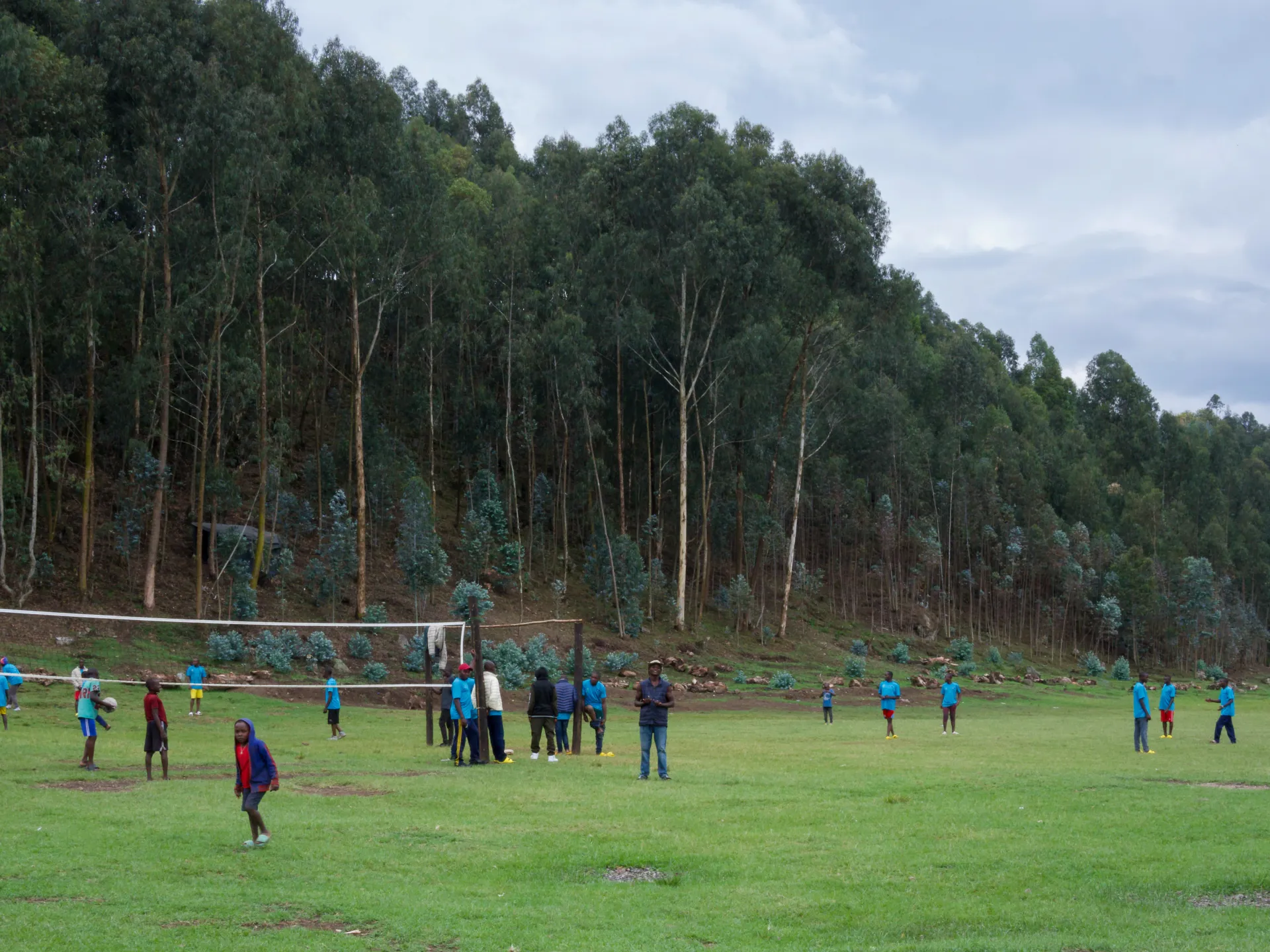
让-克洛德·哈特盖基马纳担心返回卢旺达可能会丧命。在“卢旺达解放民主力量”(FDLR)度过数年后,他决定离开该武装团体回国。在卢旺达的穆托博复员与重返社会中心,他开始为平民生活做准备。
Jean Claude Hategekimana feared that returning to Rwanda could cost him his life. After years with the Democratic Forces for the Liberation of Rwanda (FDLR), he decided to leave the armed group and return home. At Rwanda’s Mutobo Demobilisation and Reintegration Centre, he began preparing for civilian life.
1996年,哈特盖基马纳出生于卢旺达西部鲁齐罗区。他随父母移居刚果民主共和国(DRC),并在由“卢旺达解放民主力量”控制的地区长大。2018年,他加入该组织,接受军事训练,最终晋升为上尉。
Born in 1996 in Rutsiro District, in western Rwanda, Hategekimana moved to the Democratic Republic of the Congo (DRC) with his parents and grew up in an area controlled by the FDLR. He joined the group in 2018, underwent military training and eventually reached the rank of captain. “I arrived at the Mutobo Centre after fighting to defend Goma. Following our defeat, I fled to Masisi. After realising that I was fighting for nothing, I decided to return to Rwanda. I came back on February 24,” he told Al Jazeera.
“我在为保卫戈马而战后抵达穆托博中心。战败后,我逃往马西西。意识到自己是在为虚无而战后,我决定返回卢旺达。我于2月24日回国,”他对半岛电视台表示。
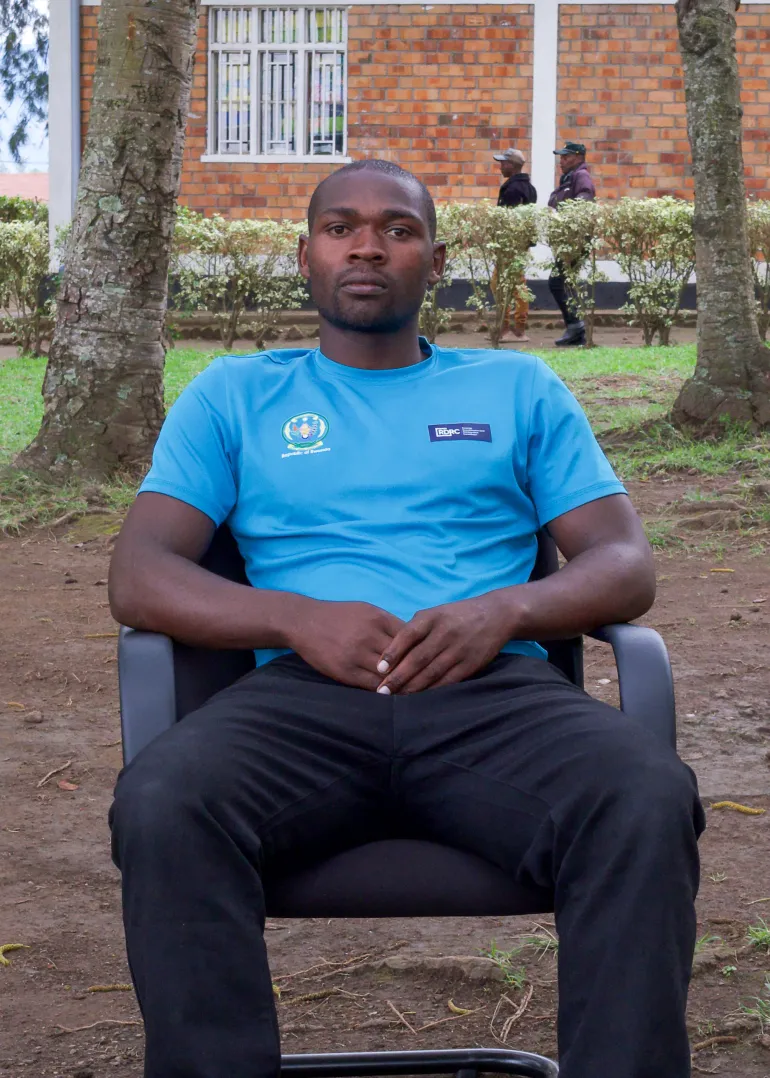
Captain Jean-Claude Hategekimana, a former FDLR fighter who returned to Rwanda in February 2026 and entered the Mutobo Demobilisation and Reintegration Centre [Layth Mushtaq/Al Jazeera] Hategekimana said FDLR members had been taught that anyone who returned to Rwanda would be killed.
前“卢旺达解放民主力量”战士、上尉让-克洛德·哈特盖基马纳于2026年2月返回卢旺达并进入穆托博复员与重返社会中心 [Layth Mushtaq/半岛电视台] 哈特盖基马纳说,“卢旺达解放民主力量”成员被灌输:任何返回卢旺达的人都会被杀害。
“Upon arriving in Rwanda, I realised that the FDLR had been lying to us. For me, returning home felt like embarking on a suicide mission,” he said.
“抵达卢旺达后,我意识到‘卢旺达解放民主力量’一直在欺骗我们。对我来说,回家感觉像是踏上了一场自杀任务,”他说。
His experience illustrates the challenge of reintegrating former fighters whose beliefs and fears have been shaped by years in an armed group.
他的经历说明了重返社会前战士面临的挑战,这些人的信仰和恐惧是由多年武装团体生活塑造的。
Rebuilding civilian life Francis Musoni, secretary-general of the Rwanda Demobilisation and Reintegration Commission, said the Mutobo centre, located in Musanze in Rwanda’s Northern Province, was established in 2001 to receive members of the FDLR and other Rwandan armed groups returning from the DRC.
重建平民生活 卢旺达复员与重返社会委员会秘书长弗朗西斯·穆索尼表示,位于卢旺达北部省穆桑泽的穆托博中心成立于2001年,旨在接收从刚果民主共和国返回的“卢旺达解放民主力量”及其他卢旺达武装团体成员。
The FDLR emerged in the aftermath of the 1994 genocide against the Tutsis.
FDLR(卢旺达解放民主力量)是在1994年针对图西族的种族灭绝之后出现的。种族灭绝结束后,前卢旺达武装部队和民兵组织的成员逃往当时的扎伊尔,即现在的刚果民主共和国(DRC)。卢旺达政府指责FDLR对卢旺达发动袭击,并导致跨境不安全局势。
After the genocide, members of the former Rwandan armed forces and militia groups fled to what was then Zaire, now the DRC. The Rwandan government accuses the FDLR of carrying out attacks against Rwanda and contributing to cross-border insecurity. At Mutobo, the rehabilitation programme includes medical care, psychosocial support, civic education and assistance with reconnecting with families.
在穆托博,康复计划包括医疗护理、心理社会支持、公民教育以及协助与家人重新取得联系。穆索尼说,返乡者还可以通过一项电话服务与亲戚朋友联系。
Returnees can also contact relatives and friends through a telephone service, Musoni said. “We help them to build confidence among themselves, build trust, and empower them to go back into the community and contribute to the development of the country together with their families,” he said.
他说:“我们帮助他们在彼此间建立信心、建立信任,并赋予他们回归社区、与家人一道为国家发展做贡献的能力。”
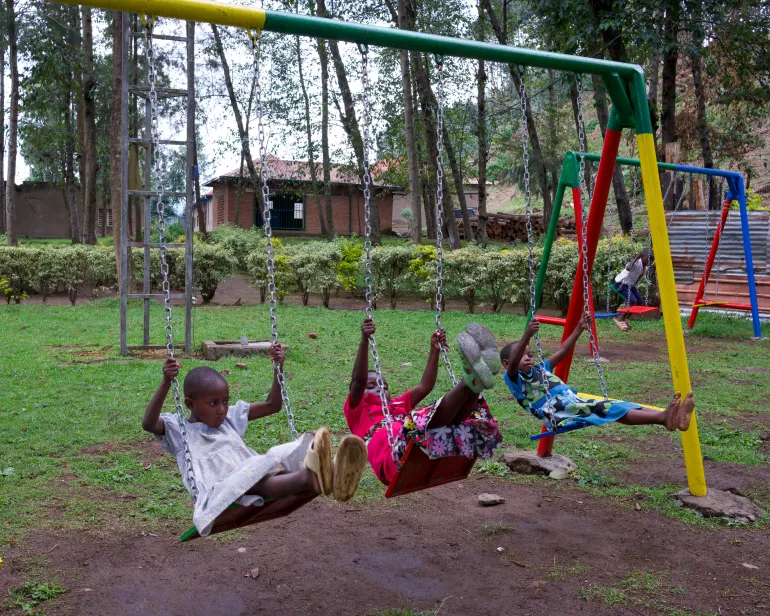
Children play on playground equipment at the Mutobo Demobilisation and Reintegration Centre in northern Rwanda [Layth Mushtaq/Al Jazeera] The centre also allows visitors and media representatives to meet returnees.
孩子们在卢旺达北部穆托博复员与重返社会中心的游乐设施上玩耍 [Layth Mushtaq/Al Jazeera] 该中心还允许访客和媒体代表会见返乡者。穆索尼说,正在接受康复的人员可以短期回访社区,以帮助重建他们返乡的信心。
Musoni said those undergoing rehabilitation can visit their communities for short periods to help rebuild their confidence in returning home. “They can travel to their communities [during rehabilitation]. They are given written permission for a week or two, and we even facilitate transport,” he said.
他说:“他们可以在康复期间前往自己的社区。我们会给他们书面许可,为期一两周,甚至还会提供交通便利。”
Different journeys home For the former commanders interviewed by Al Jazeera at Mutobo, the decision to leave the FDLR was shaped by family ties, disillusionment and concerns about personal safety.
不同的归途 对于半岛电视台在穆托博采访的前指挥官们来说,决定离开FDLR受到家庭纽带、幻灭感和对个人安全担忧的共同影响。
Major-General Anastase Munyaneza served in the former Rwandan armed forces in Kigali’s Kicukiro District during the 1994 genocide.
阿纳斯塔斯·穆尼亚内扎少将在1994年种族灭绝期间曾在基加利基库基罗区服役于前卢旺达武装部队。他说,他在种族灭绝后离开卢旺达,后来加入FDLR,最终指挥其南基伍区域。
He said he left Rwanda after the genocide and later joined the FDLR, eventually commanding its South Kivu sector. Although he had come to accept the group’s beliefs, Munyaneza remained in contact with his family in Rwanda.
尽管他已接受了该组织的信念,穆尼亚内扎仍与留在卢旺达的家人保持联系。关于他们生活的消息让他开始质疑自己的处境。
News of their lives made him question his own circumstances. “I was the only one who had fled to the DRC. I regularly received news about them. I knew they were still alive, attending school, working for the government and improving their lives. I began asking myself what I was doing in the forest,” he said.
“我是唯一逃往刚果民主共和国的人。我定期收到关于他们的消息。我知道他们还活着,在上学、为政府工作、改善生活。我开始问自己在森林里到底在干什么,”他说。他补充说,看到其他成员安全返回鼓励他考虑回家。
He added that seeing other members return safely encouraged him to consider going home. Munyaneza said he contacted personnel from the United Nations Organisation Stabilisation Mission in the Democratic Republic of the Congo (MONUSCO), who transported him from South Kivu to Bukavu and then to the Congolese-Rwandan border.
穆尼亚内扎说,他联系了刚果民主共和国联合国组织稳定特派团(MONUSCO)的人员,后者将他从南基伍省送往布卡武,再送往刚果-卢旺达边境。随后他前往穆托博。
He subsequently proceeded to Mutobo. Lieutenant-Colonel Idrissa Bizimana, who was responsible for ideology, propaganda and recruitment within the FDLR, said his decision to return followed a change in his convictions.
卢旺达民主解放军(FDLR)负责意识形态、宣传和招募的伊德里萨·比济马纳中校表示,他决定返回是因为信念发生了改变。
“I no longer believed in the ideology I had been promoting. After receiving verified information about what was happening in Rwanda, I decided to return home,” he said.
“我不再相信我一直在宣扬的意识形态。在收到关于卢旺达发生情况的核实信息后,我决定回家,”他说。
Bizimana said he had been in contact with a MONUSCO general who had offered to help him return.
比济马纳说,他一直与一名MONUSCO将军保持联系,对方提出帮助他返回。他利用一台配备GPS的卫星电话发送了自己的位置和日期。随后一架直升机被派来接他,他说。
Using a satellite phone equipped with GPS, he sent his location and the date. A helicopter was then dispatched to retrieve him, he said. Lieutenant-Colonel Emilien Mpakaniye, who joined the FDLR in 1998 and was responsible for economic affairs at its headquarters, said he began questioning the organisation after becoming disillusioned with what he described as its lies.
埃米利安·姆帕卡尼耶中校于1998年加入FDLR,曾在其总部负责经济事务,他说,在对该组织的谎言感到幻灭后,他开始质疑该组织。
Colonel Augustin Nshimiyimana, a former FDLR intelligence commander who returned to Rwanda in 2022 and underwent rehabilitation at the Mutobo Demobilisation and Reintegration Centre [Layth Mushtaq/Al Jazeera] Colonel Augustin Nshimiyimana, a former FDLR intelligence commander, returned to Rwanda in 2022 and underwent rehabilitation at Mutobo.
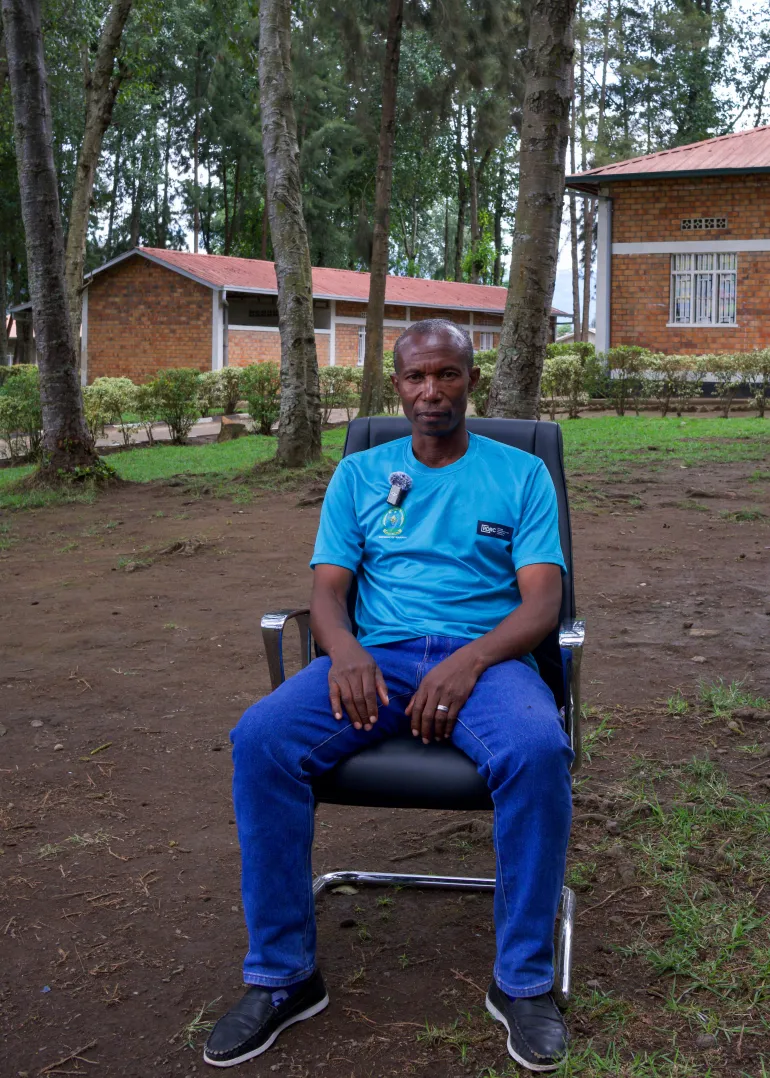
前FDLR情报指挥官奥古斯丁·恩希米伊马纳上校于2022年返回卢旺达,在穆托博复员和重返社会中心接受了康复。[Layth Mushtaq/Al Jazeera] 前FDLR情报指挥官奥古斯丁·恩希米伊马纳上校于2022年返回卢旺达,在穆托博接受了康复。他说,在因布琼布拉的一项任务发生分歧后,另一名指挥官指控他与卢旺达合作,因此他决定离开。恩希米伊马纳说,这一指控让他担心自己的性命。
He said he decided to leave after another commander accused him of working with Rwanda following a disagreement over a mission in Bujumbura. Nshimiyimana said the accusation made him fear for his life. “When they accuse you of working with Rwanda, it means they consider you a Tutsi, and the next step is to kill you,” he said. Preparing for a new life At Mutobo, former fighters receive education and practical support to prepare for life after discharge.
“当他们指责你与卢旺达有联系时,那就意味着他们认为你是图西族人;接下来的步骤就是杀了你,”他说。
Febronie Mukankiko, a teacher at the centre, said teaching people who grew up in the forest required a different approach.
在穆托博中心,前战斗人员会接受教育并获得实际帮助,为退伍后的生活做准备。
“Our students are different from ordinary students. They are adults who grew up in the forest, so teaching them requires special skills. We undergo additional training to ensure that we can teach them effectively,” she said.
该中心的教师费布罗尼·穆坎基科(Febronie Mukankiko)表示,教育那些在森林中长大的人需要采用不同的教学方法:“我们的学生与普通学生不同——他们是成年人,且在森林中长大,因此教学需要特殊的技巧。我们必须接受额外的培训,以确保能够有效地教导他们。”她说道。
Febronie Mukankiko, a teacher at Rwanda’s Mutobo Demobilisation and Reintegration Centre, where she teaches adult former fighters who grew up in the forest [Layth Mushtaq/Al Jazeera] She added that completing their studies could be a significant achievement for those with limited access to formal education.
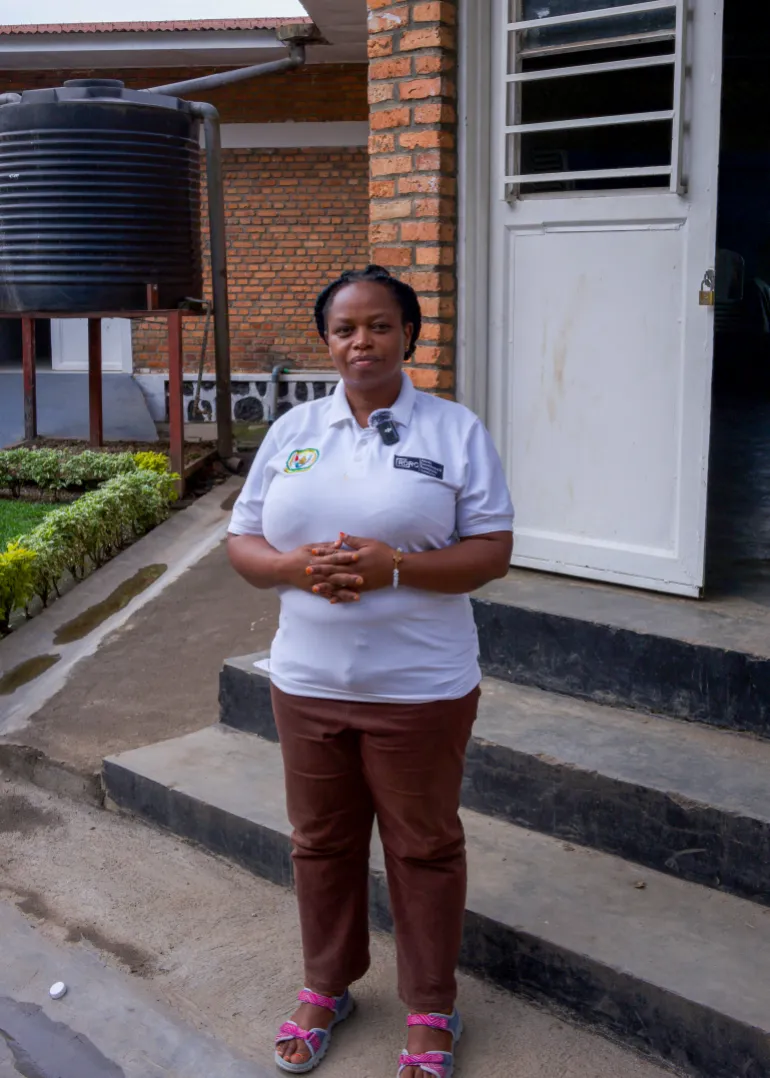
费布罗尼·穆坎基科在卢旺达的穆托博复员与重新融入中心工作,她负责教授那些在森林中长大的前战斗人员。她补充说,对于那些很少有机会接受正规教育的人来说,完成学业可能是一件意义重大的事情:“当他们毕业并获得证书时,他们会非常高兴。”她说。
“When they graduate and receive their certificates, they are very happy,” she said. Musoni said the average stay at the centre was five months, after which returnees completed a formal discharge process.
穆索尼(Musoni)表示,这些前战斗人员在中心平均停留五个月,之后会完成正式的退伍手续。所提供的帮助包括经济支持、职业培训、正规教育以及帮助他们开展创收活动。该机构还会定期跟进这些前战斗人员的情况,评估他们是否能够顺利适应社区生活。
He said assistance could include financial support, vocational training, formal education and help establishing income-generating activities. The commission also follows up with former residents to assess how they are adjusting to life in their communities. For those who have spent years away from Rwanda, leaving Mutobo marks the start of another transition: finding work, reconnecting with family and adjusting to civilian society.
对于那些离开卢旺达多年的人来说,离开穆托博中心标志着另一个重要的转折点:他们需要寻找工作、与家人重新建立联系,并适应平民社会的生活。
For Mpakaniye, disillusionment came partly from the contrast between the lives of senior commanders’ families and those of ordinary fighters.
对于姆帕卡尼耶(Mpakaniye)来说,他的幻灭感部分源于高级指挥官们的家庭与普通战斗人员家庭之间的巨大差距:“首先,那些高级指挥官的家人生活在卢旺达或欧洲,而我们的家人则生活在森林里。”他说。
“First, their family members live in Rwanda and in Europe, while ours are in the forest,” he said.