气候变化加剧的极端高温,正在为巴基斯坦工厂工人制造危险的工作环境。
Extreme heat intensified by climate change is creating dangerous conditions for factory workers in Pakistan.
美联社记者 维多利亚·米尔科 卡拉奇报道 —— 机器在西迪基周围轰鸣,她的视线变得模糊,心脏剧烈跳动。
VICTORIA MILKO KARACHI, Pakistan — Machines whirred around Siddiqui as her vision blurred and her heart hammered.
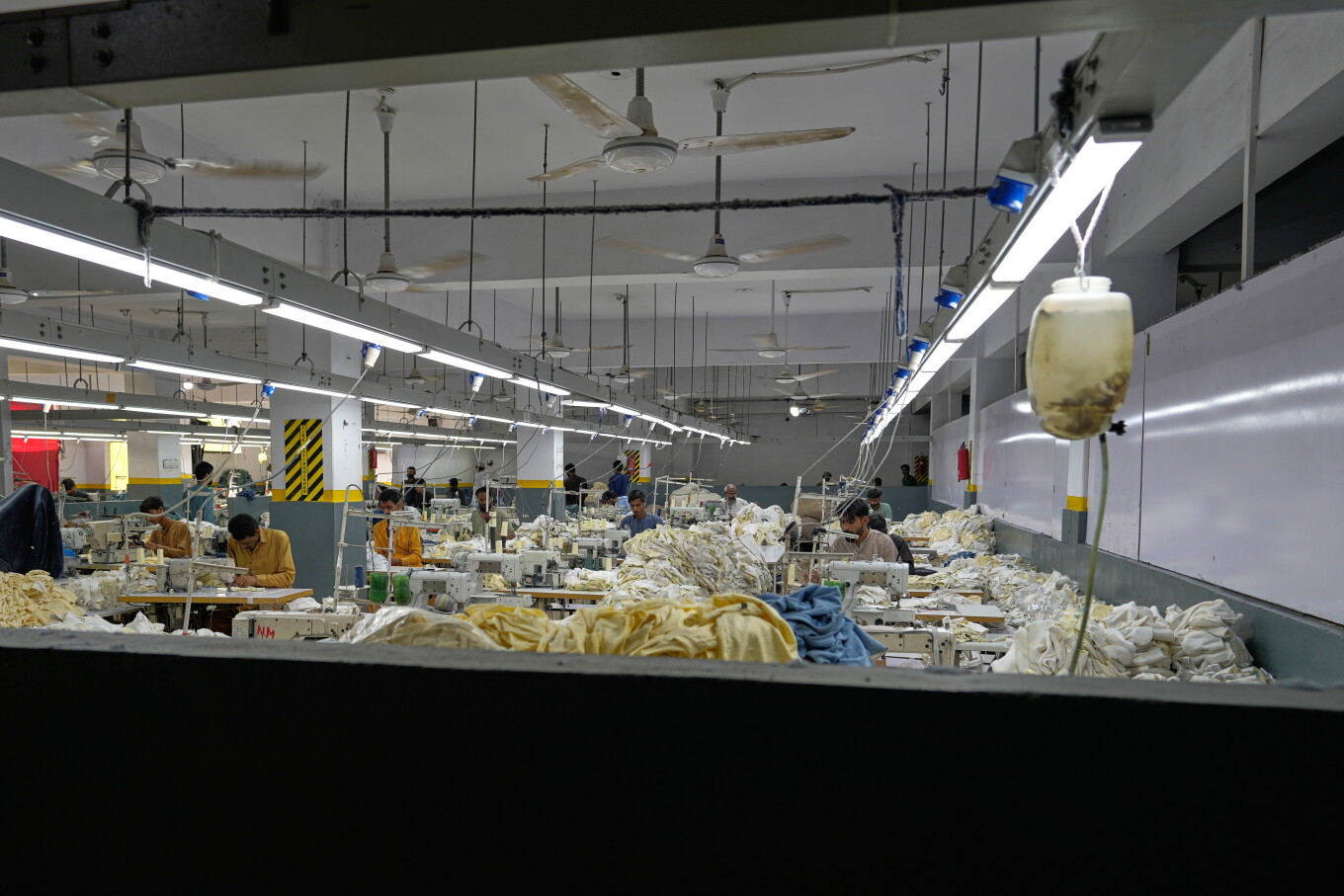
这家位于卡拉奇郊区的服装工厂热气腾腾。车间里挤满了汗流浃背的工友和散发热量的巨型工业设备。空气中弥漫着今夏季风带来的潮湿闷热。
The garment factory on the outskirts of Karachi was sweltering. The room was packed with sweating fellow workers and huge industrial equipment that radiated heat. The air felt thick with the humidity of this summer’s monsoon.
美联社仅以姓氏称呼西迪基,因为她担心遭到雇主报复。她感到仿佛窒息一般。担心的工友叫来了她的主管。
Siddiqui, who The Associated Press is identifying only by surname because she fears retaliation by her employer, felt like she was suffocating. Concerned co-workers called over her supervisor.
“主管说:‘只管把这活干完,’” 28 岁的西迪基告诉美联社。“突然眼前一黑。” 她因高温耗尽了力气,倒在了地上。
“The supervisor said, ‘Just complete this work,’” Siddiqui, 28, told The Associated Press. “Suddenly darkness came before my eyes.”Exhausted by the heat, she collapsed.
气候变化加剧的极端高温,正在为巴基斯坦工厂工人制造危险的工作环境。从牛仔裤到家居用品,这些工厂为承诺保障工人安全的全球企业生产商品。但专家和劳工权益倡导者表示,随着气温升高,这些承诺依然落空,工人正以健康和安全为代价。
Extreme heat — intensified by climate change — is creating dangerous conditions for factory workers in Pakistan. From blue jeans to homeware, these factories produce goods for global companies that have pledged to protect workers’ safety. But experts and labor rights advocates say those promises remain unfulfilled, as temperatures rise and workers pay the price with their health and safety.
美联社在卡拉奇采访了十多名工人,他们都描述了酷热的工作场所、缺失的防暑规程以及晕厥等不良健康影响。出于担心遭到雇主报复,他们要求保护身份。除一人外,其余所有人都表示,因高温相关疾病缺勤导致工资损失。其中十名工人生产的商品供应在美国和欧洲销售的全球品牌。本报道获普利策中心资助。
The AP interviewed more than a dozen workers in Karachi, all of whom described scorching workplaces, absent heat protocols and negative health effects, including fainting. They spoke on the condition that their identities be protected out of fear of retaliation by their employers. All but one said they lost wages when heat-related illness forced them to miss work. Ten of the workers made goods for global brands sold in the United States and Europe. This story was supported by the Pulitzer Center.
工人在工厂内暴露于酷热环境中 对西迪基这类工人而言,极端高温 —— 气温达到或超过 32.2 摄氏度(华氏 90 度)且伴随高湿度 —— 不仅仅是一种职业危害。
Workers are exposed to scorching conditions inside factories For workers like Siddiqui, extreme heat — temperatures at or above 32.2 C (90 F) combined with high humidity — isn’t just a workplace hazard.
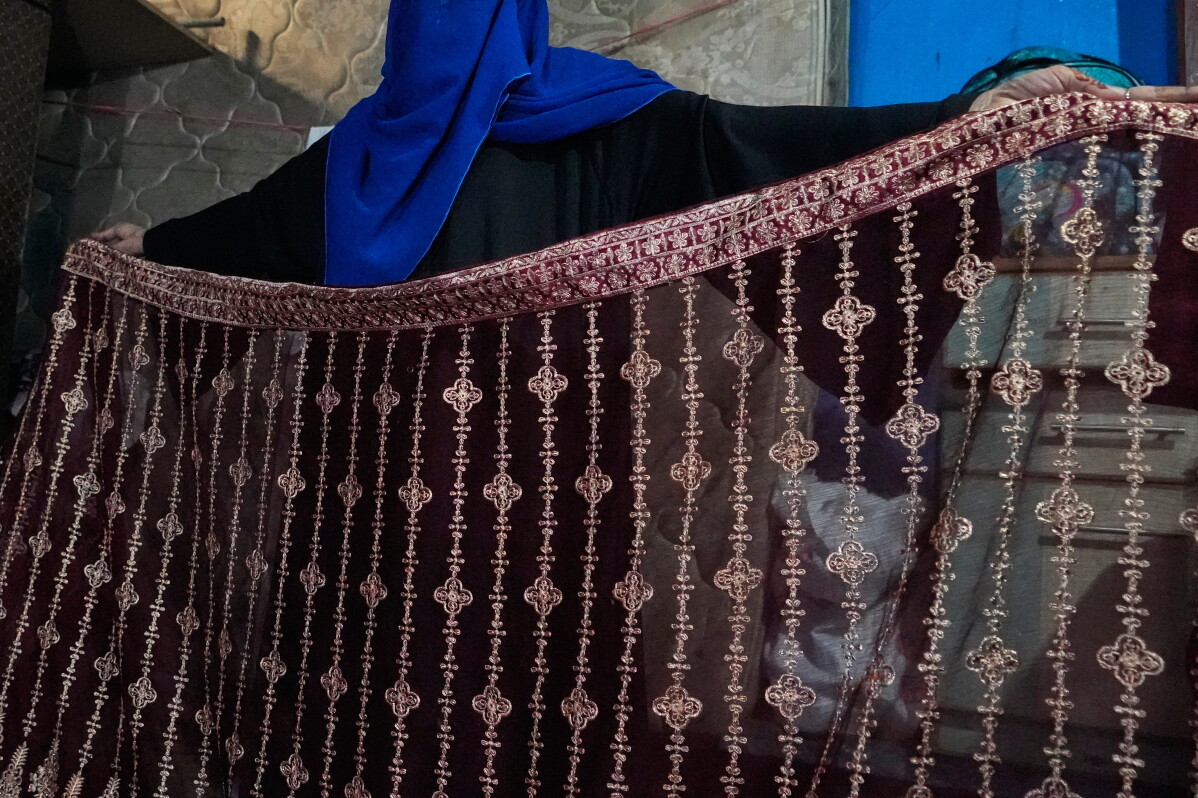
她和六个孩子住在卡拉奇郊区一间没有空调的小屋里,热浪期间气温经常超过 37.8 摄氏度(100 华氏度)。
Living with her six children in a small room with no air conditioning on the outskirts of Karachi, temperatures routinely exceed 37.8 C (100 F) during heat waves.
在她缝制 Zara、Mango 等西班牙品牌服装的制衣厂内,温度更高。巨大的机器向空气中散发热量。虽然有风扇,但经常坏掉或太小。窗户狭长且设在高处,甚至关闭以防盗窃,进一步困住了热气,工人们告诉美联社。“烟、热,你都得面对,”一名 34 岁男工人说。
Inside the garment factory where she stitches clothes for Spanish brands like Zara and Mango, it’s even hotter. Huge machines churn heat into the air. There are fans, but they’re often broken or small. Windows are slitlike and set high, or even closed to deter theft, further trapping the heat, workers told AP. “Smoke, heat, you face it,” said a 34-year-old male factory worker.
健康问题和工资损失普遍存在 极端高温是无声的杀手:它表现出的外在症状很少,却会造成严重的内部损伤并加重心血管疾病、糖尿病和哮喘等病情。研究将其与脱水、中暑、器官衰竭和死亡联系起来。
Health issues and lost wages are common Extreme heat is a silent killer: It can show few outward symptoms while causing severe internal damage and worsening conditions, including cardiovascular disease, diabetes and asthma. Studies have linked it to dehydration, heatstroke organ failure and death.
“在高温下工作的时间越长,你受到的保护就越少,健康风险也随之上升,”研究高温对健康影响的 FAME 实验室创始人 Andreas Flouris 说。
“The longer you work in the heat, the less that you’re protected from it and the health risks rise,” said Andreas Flouris, the founder of FAME Lab, which researches heat’s impact on health.
由于气候变化,暴露在极端高温下的人数正呈指数级增长。根据世界卫生组织的说法,热应激是与天气有关的死亡的主要原因之一。世界天气归因组织的研究表明,气候变化也大幅增加了巴基斯坦极端热浪的频率、强度和风险。
The number of people exposed to extreme heat is growing exponentially due to climate change. Heat stress is a leading cause of weather-related deaths, according to the World Health Organization Studies by World Weather Attribution say that climate change has also drastically increased the frequency, intensity and risks of extreme heatwaves in Pakistan.
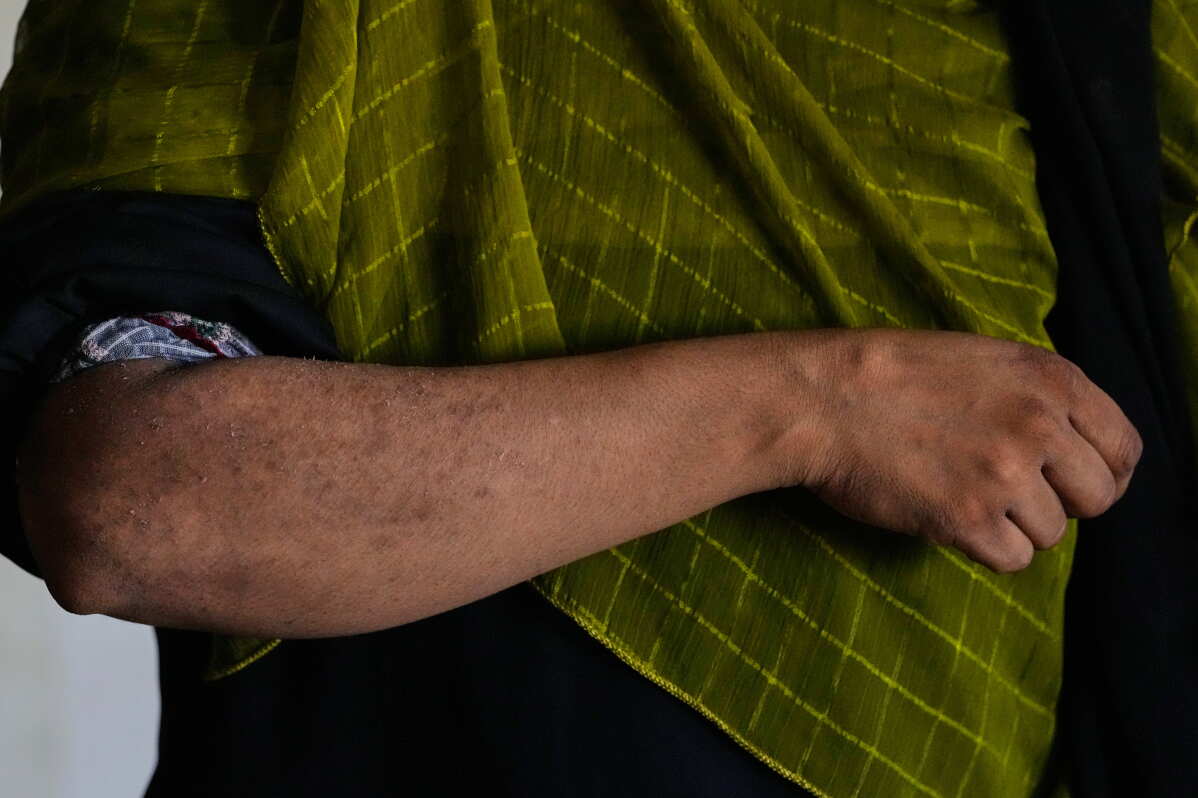
接受美联社采访的工人描述了暂时性肌肉麻痹、肢体肿胀、血压波动、呼吸困难、视力模糊和精疲力竭等症状,这些症状在最热的月份达到顶峰。一名女工展示了手臂上因日常接触化学品导致的鳞屑状皮疹,并说夏天时疼痛加剧。
Workers interviewed by AP described temporary muscle paralysis, swollen limbs, blood pressure swings, breathing problems, blurred vision and exhaustion that peaked in the hottest months. One worker showed scaly skin rashes on her arms from routine chemical exposure, saying how the pain intensified during summer.
所有受访者都说见过同事因高温晕倒。有几人说自己晕倒过,有些人不止一次。晕倒者通常只能得到短暂休息或含糖饮料,随后被要求继续工作。他们说,向主管投诉没有带来任何改变。
All said they’d seen co-workers faint from the heat. Several said they’d fainted themselves, some multiple times. Those who fainted were often only offered a short break or sugary drink before being told to resume work. They said complaining to supervisors led to no changes.
只有一名工人享有带薪病假。其余受访者告诉美联社,缺勤——哪怕是因在岗位上晕倒或患热相关疾病——都意味着工资被扣减。
Only one worker had paid sick leave. The rest told AP that missed hours — even from fainting on the job or from heat-related illnesses — meant slashed wages.
西迪基坐在自家地板上哭泣,讲述自己晕倒并被送医的经历。她月入1.5万巴基斯坦卢比(约合54美元),这次因雇主拒付而自掏腰包的医药费,让她无力给孩子买食物。
Siddiqui wept on the floor of her home as she described fainting and being sent to the hospital. Earning 15,000 Pakistani rupees ($54) a month, the hospital visit cost, which her employer refused to pay, left her unable to buy food for her children.
“有时他们吃一顿,有时一顿不吃,”她说,并补充道,年幼的孩子有时会饿得哭闹,“大孩子已经习惯了。”解决办法存在却常被缺位弗洛里斯表示,工厂可以采取一些简单、可推广且经济可行的措施,保护工人免受极端高温侵害,包括准确测量工作场所内的温度和湿度、提供冷饮用水以及允许工人休息。
“Sometimes they eat one meal, sometimes they don’t eat a meal,” she said, adding that the younger children sometimes cry from hunger. “The older ones have gotten used to it.”Solutions exist but are often absent There are simple, scalable and economically feasible measures factories can take to protect their workers from extreme heat, including accurately measuring temperature and humidity inside workplaces, providing cold drinking water and allowing workers breaks, said Flouris.
其他措施包括:安装屏障阻挡机械辐射热、安装优质通风和降温系统、将屋顶刷白以反射阳光。“我们说的是一些非常简单的策略,”他说。工厂工人告诉美联社,他们的工作场所几乎未采取上述任何措施。
Other solutions include installing barriers to block radiant heat from machinery, installing quality ventilation and cooling systems and painting rooftops white to deflect sunlight. “We’re talking about some very simple strategies,” he said. Factory workers told AP that almost none of these measures were taken in their workplaces.
多名工人表示,工厂的金属屋顶让夏季酷热难耐,却得不到额外的水或休息时间。
Several workers said their factories’ metal roofs make the summer heat unbearable, yet they receive no extra water or breaks.
所有受访工人均称,车间未安装高温传感器。仅有一名工人说其工作场所装有通风系统,但只有在审核员来厂检查时才会开启。工人们说,雇主虽提供饮用水,但很少是凉的,也不确定是否洁净。“有时闻起来有死老鼠的味道,”这名34岁的男工人说。
All the workers said there were no heat sensors installed. Only one worker said a ventilation system was installed at their workplace, but that it was only turned on when auditors visited the factory for inspection. The workers said water was provided by their employers, but that it was rarely cold and they weren’t sure if it was clean. “Sometimes it smells like dead rats,” said the 34-year-old male worker.
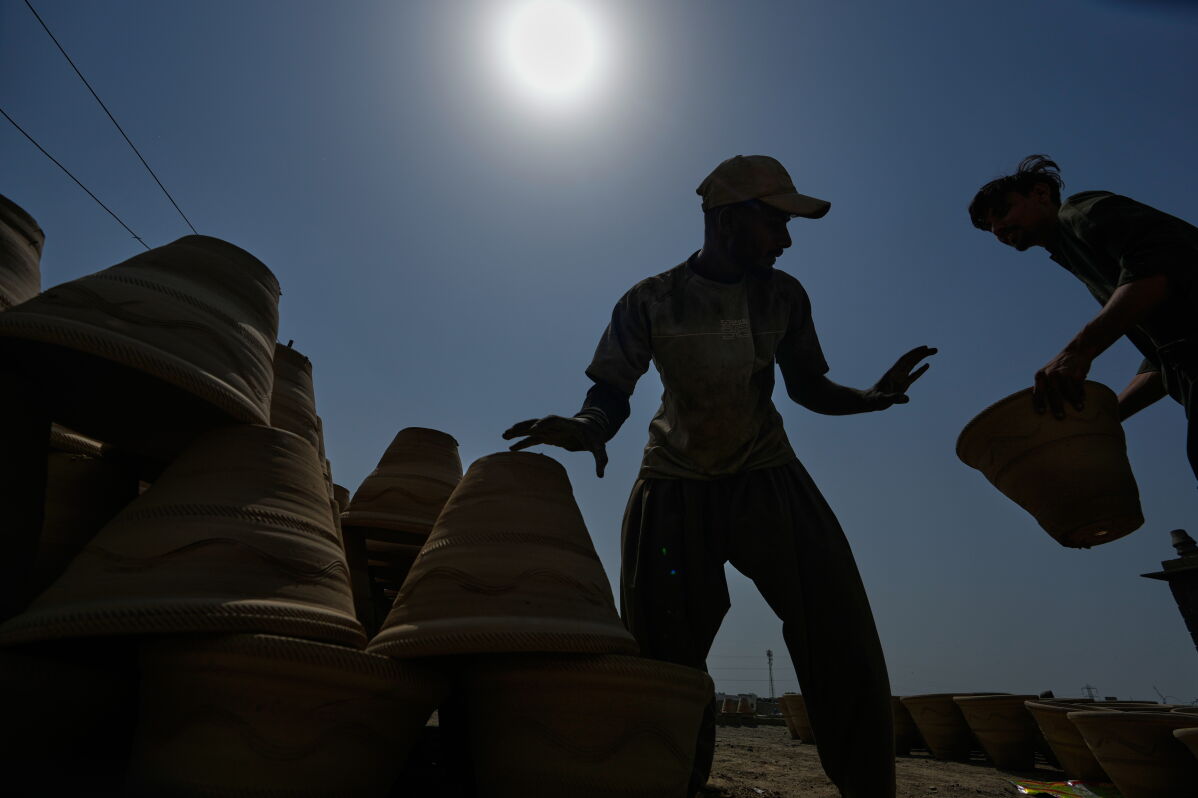
巴基斯坦拥有国家和省级法律以及宪法保护,旨在保护工人免受此类条件的侵害,卡拉奇巴基斯坦劳工教育与研究所项目经理法尔汉·海德尔表示。
Companies pledge protection but enforcement is scarce Pakistan has national and provincial laws as well as constitutional protections meant to shield workers from such conditions, said Farhan Haider, a program manager at the Pakistan Institute of Labour Education and Research in Karachi.
包括印地纺集团——Zara的母公司——和Mango在内的部分由这些工厂供货的公司,已签署具有法律约束力的协议以保护工人,或制定了自己的公司安全承诺。
Some companies supplied by the factories, including Inditex—Zara’s parent company— and Mango have signed legally binding agreements to protect workers or have their own company safety pledges.
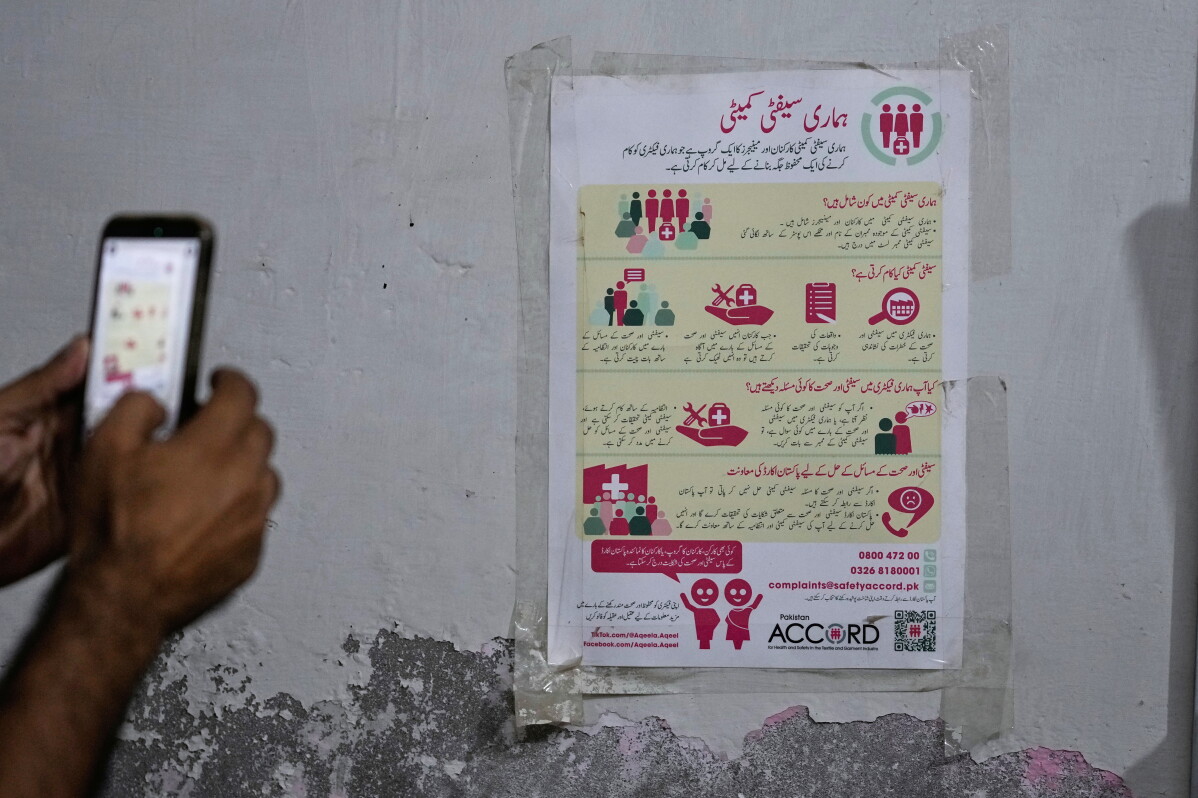
最具体的是《纺织和服装行业健康与安全国际协定》,该协定于2025年宣布将把高温视为工作场所安全风险,并制定热应激防范规程,这些规程目前正在审查中,尚未生效。
The most concrete is the International Accord for Health and Safety in the Textile and Garment Industry, which in 2025 announced it would treat heat as a workplace safety risk and develop heat stress protocols, which are under review but not yet in effect.
作为更广泛的《国际协定》延伸、在巴基斯坦运作的特定国家安全项目“巴基斯坦协定”的代表,未回复置评或采访请求。
Representatives from the Pakistan Accord, a country-specific safety program that operates as an extension of the broader International Accord, did not reply to a request for interview or comment.
气候权利国际组织研究员卡拉·舒尔特于2025年发布了一份关于巴基斯坦工人状况的报告,她表示,品牌方有责任确保其供应商对工人安全(包括极端高温)负责。
Brands have a responsibility to ensure their suppliers are held accountable for worker safety, including extreme heat, said Cara Schulte, a researcher at Climate Rights International who published a report in 2025 about worker conditions in Pakistan.
印地纺集团发言人在致美联社的电子邮件中表示,该公司正通过更新工厂审核、为供应商提供指导和培训,以及与行业倡议合作,加大力度解决供应链中的热应激问题。Mango发言人称工人健康和安全是“不可商量的优先事项”,并援引其供应商行为准则,该准则“今年已得到加强,明确针对极端温度和热应激问题”。卡拉奇所在的信德省政府发言人承认,执行仍是一个问题。
In an email to AP, a spokesperson from Inditex said the company is strengthening efforts to address heat stress in its supply chain through updated factory audits, guidance and training for suppliers and collaboration with industry initiatives. A spokesperson for Mango called worker health and safety a “non-negotiable priority,” citing their supplier code of conduct, which was “strengthened this year to explicitly address extreme temperatures and heat stress.”A government spokesperson for Sindh province, where Karachi is located, acknowledged implementation remains an issue.
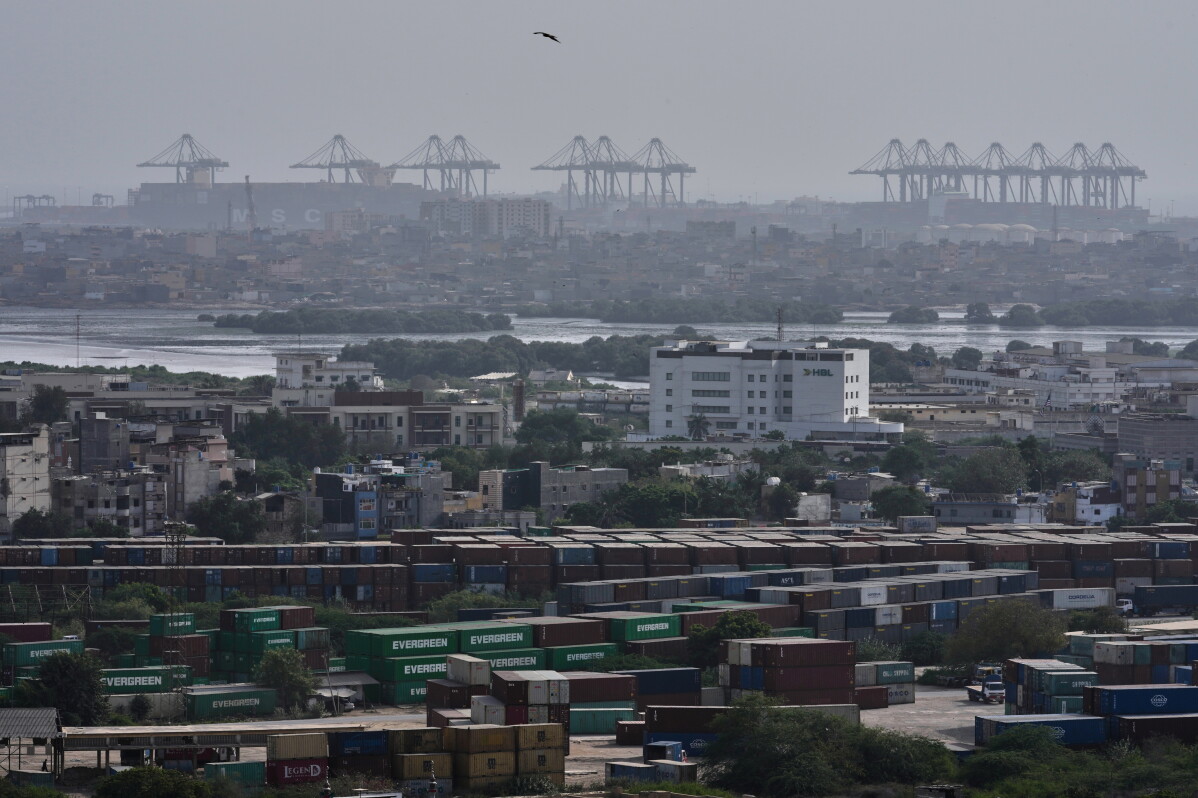
“政府正在努力执行这些法规,但考虑到该省幅员辽阔且拥有众多工业区,投诉在所难免,”萨迪娅·贾韦德说,她同时也是省议会成员。
“The government is making efforts to enforce these regulations, but given the province’s vast size and the presence of numerous industrial zones, complaints are inevitable,” said Sadia Javed, who is also a member of the Provincial Assembly.
对于西迪基这样的工人来说,随着气温持续升高,投诉依然无人理睬。
For workers like Siddiqui, complaints remain ignored as temperatures continue to rise.
“如果你觉得太难受,(主管)会说:‘这是家常便饭。女人爱哭爱抱怨,但工作还是得干,’”她说。
“If you feel too unwell, (supervisors) say, ‘This is an everyday problem. Women cry and complain a lot, but the work still must be done,’'' she said.
美联社视频记者穆罕默德·法鲁克、记者阿迪尔·贾瓦德和自由记者佩尔尼亚·穆巴希尔从曼谷为本文做出了贡献。
Associated Press video journalist Muhammad Farooq, reporter Adil Jawad and freelance journalist Pernia Mubashir contributed to this story. from Bangkok.