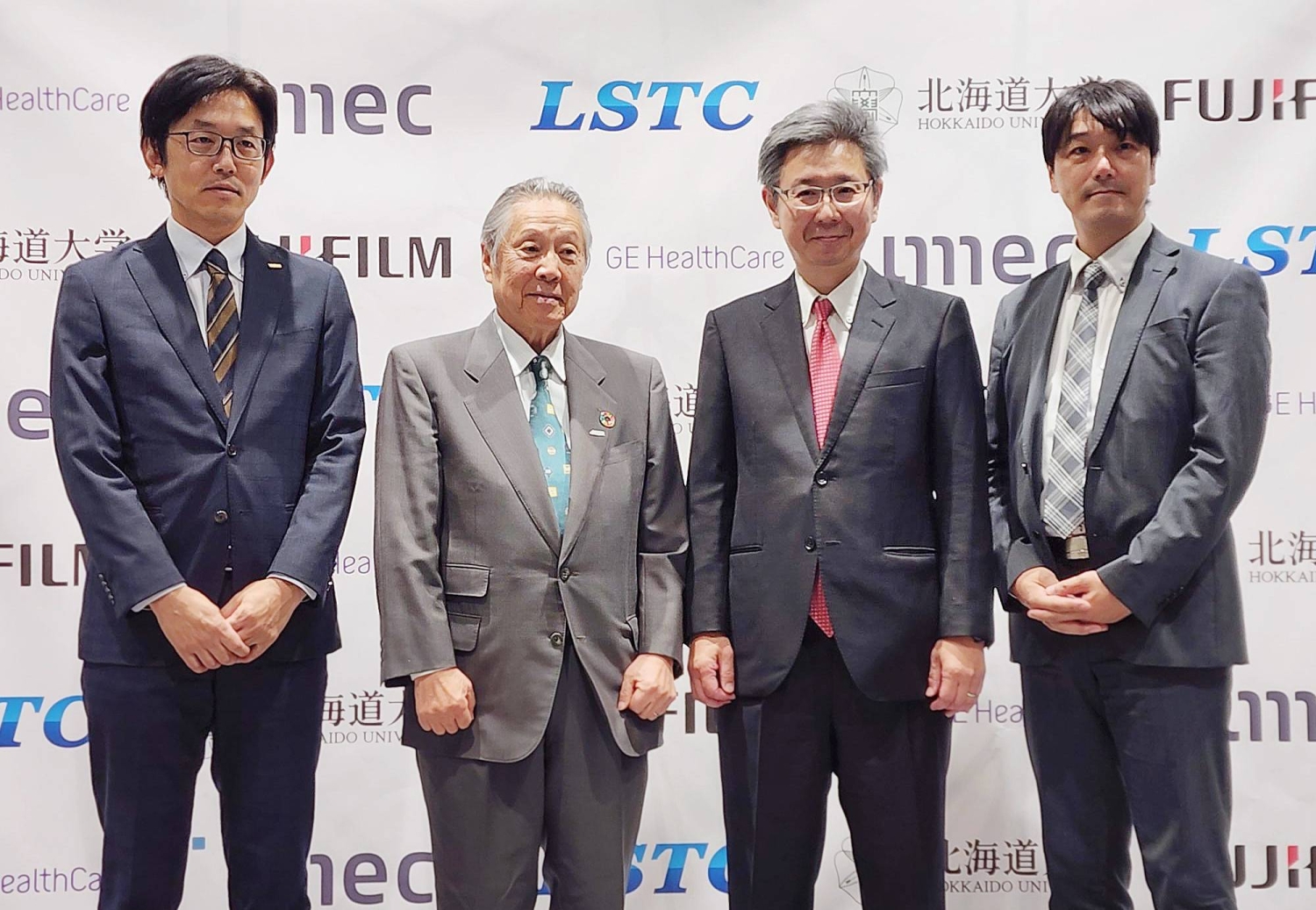
日本领先的半导体技术中心(LSTC)及其他机构周二宣布,将共同开发一款基于人工智能的医疗图像处理系统。
Japan’s Leading-edge Semiconductor Technology Center (LSTC) and other entities said Tuesday they will jointly develop an artificial intelligence-based medical image-processing system.
该项目成员还包括北海道大学和富士胶片,旨在利用先进的半导体技术实现医疗现场的实时图像处理,并同时降低能耗。
The project members, also including Hokkaido University and Fujifilm, aim to realize the real-time image processing required at medical sites with the use of advanced semiconductors, all while reducing power consumption.
富士胶片主要负责开发用于医疗机构成像检查和超声检查的人工智能技术;北海道大学则负责人工智能的设计与评估;而LSTC(其成员包括芯片制造商Rapidus)将设计该项目所需的半导体。
Fujifilm will mainly work on developing the AI used for imaging tests and ultrasound examinations at medical institutions. Hokkaido University is in charge of AI design and evaluation. The LSTC, whose members include chipmaker Rapidus, will design the semiconductors needed for the project.
该系统预计将使用Rapidus生产的2纳米线宽半导体,这种芯片的目标是实现大规模量产。
The system is expected to use semiconductors with a circuit line width of 2 nanometers from Rapidus, which aims to mass-produce the cutting-edge chips.
这类半导体的图像处理速度将比传统图形处理单元快五倍以上,同时能效提升超过十倍。
Such semiconductors would enable image-processing speeds more than five times faster than conventional graphics processing units while boasting over 10 times the energy efficiency.
‘我们希望利用尖端半导体技术开发出对医疗现场有实际帮助的产品,’LSTC主席、同时也是Rapidus主席的东哲郎在东京举行的新闻发布会上表示。
“We want to make use of cutting-edge semiconductors to develop technologies that are helpful at medical sites,” LSTC Chairman Tetsuro Higashi, also chair of Rapidus, said at a news conference in Tokyo on Tuesday.