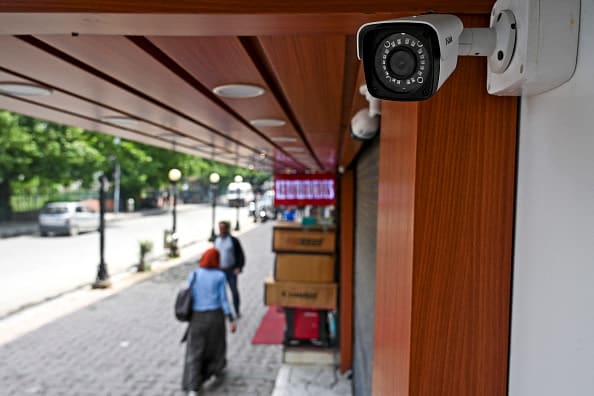
巴基斯坦旁遮普省政府于10月19日周一决定,禁止购买、销售和使用配备隐蔽摄像头及录音设备的日常物品,并以对非法监控、骚扰和勒索的担忧为由。
The government of Pakistan's Punjab province decided on Monday, October 19, to ban the purchase, sale, and use of everyday objects equipped with concealed cameras and recording devices, citing concerns over illegal surveillance, harassment, and blackmail.
这项由首席部长玛丽亚姆·纳瓦兹主持的省内阁批准的决定,涵盖了伪装成普通物品的设备,包括钢笔、眼镜和手表。
The decision, approved by the provincial cabinet chaired by Chief Minister Maryam Nawaz, covers devices disguised as ordinary items, including pens, eyeglasses, and wristwatches.
旁遮普省内政部表示,这些限制旨在保护公民的隐私和个人信息,特别是妇女和儿童的隐私和个人信息。省新闻和广播部长阿兹马·博哈里在宣布该决定时强调了对弱势群体的保护。
内政部表示:“将对使用、购买和销售间谍设备及隐蔽电子设备的行为采取严厉的法律行动。对于非法使用配备隐藏摄像头的日常物品的行为,将处以严厉惩罚。”
Punjab's Home Department said the restrictions were intended to protect citizens' privacy and personal information, particularly that of women and children. Provincial Information and Broadcasting Minister Azma Bokhari emphasized the protection of vulnerable groups when announcing the decision.“Strict legal action will be taken against the use, purchase and sale of spying equipment and concealed electronic devices,” the Home Department said. “Strict penalties will be imposed for the illegal use of everyday items equipped with hidden cameras.”
该禁令尚未正式生效。旁遮普省内政秘书艾哈迈德·贾韦德·卡齐博士表示,一项实施这些限制的官方通知将在几天内发布,从而给零售商和个人留出时间来移除或处理这些设备。
The ban has not yet formally taken effect. Punjab Home Secretary Dr. Ahmad Javed Qazi said an official notification implementing the restrictions would be issued within a few days, giving retailers and individuals time to remove or dispose of the devices.
此前,有人投诉称,隐蔽录音设备被用于在未经他人同意的情况下对其进行拍摄或录音,有时用于骚扰、敲诈或勒索。
The decision follows complaints about concealed recording equipment being used to film or record people without their consent, sometimes for harassment, extortion, or blackmail.
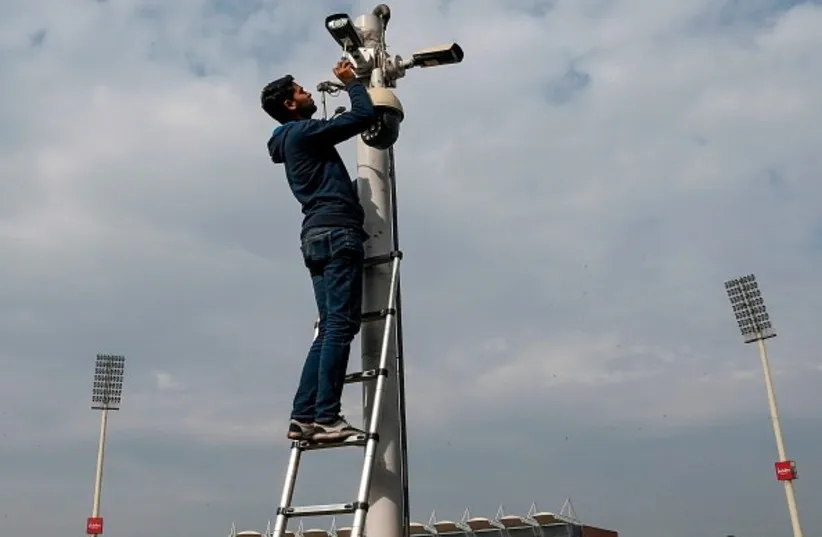
这也正值拉合尔高等法院审理一项关于质疑未受监管进口和销售配备摄像头与麦克风的智能眼镜的公益诉讼之际。
It also comes as the Lahore High Court considers a public interest petition challenging the unregulated import and sale of smart glasses equipped with cameras and microphones.
原告律师告诉法庭,尽管巴基斯坦并非该产品的官方指定市场,但Meta公司由人工智能驱动的智能眼镜仍在网上和拉合尔的商店里出售。10月15日,法院指示联邦当局将该事宜提交联邦内阁。
The petitioner's lawyer told the court that Meta's AI-powered smart glasses were being sold online and in Lahore shops despite Pakistan not being an officially designated market for the product. On October 15, the court directed federal authorities to refer the matter to the federal cabinet.
该程序涉及联邦对智能眼镜进口和销售的监管,与旁遮普省拟议的针对隐蔽录音录像设备的限制措施是分开的。一位旁遮普省政府高级官员在未获授权公开发言的前提下,以匿名身份向《媒体线》(The Media Line)表示,网络犯罪激增,尤其是涉及儿童虐待的案件,促使省政府采取行动。
The proceedings, which concern federal regulation of smart-glasses imports and sales, are separate from Punjab's proposed restrictions on covert recording devices.A senior Punjab government official, speaking to The Media Line on condition of anonymity because he was not authorized to speak publicly, said an increase in cybercrime, particularly cases involving child abuse, had prompted the provincial government to act.
这些担忧产生于巴基斯坦技术助长的儿童性剥削这一更广泛的背景之下。联合国儿童基金会(UNICEF)战略与证据办公室——因诺琴蒂研究中心(Office of Strategy and Evidence–Innocenti)、ECPAT International 以及国际刑警组织(Interpol)于 2026 年 9 月发布的一项研究估计,在单一年度内,约有 150 万名年龄在 12 至 17 岁之间的巴基斯坦互联网用户儿童经历了某种形式的技术助长的性剥削或虐待。
The concerns arise against a broader backdrop of technology-facilitated sexual exploitation of children in Pakistan.A September 2026 study by UNICEF's Office of Strategy and Evidence–Innocenti, ECPAT International, and Interpol estimated that approximately 1.5 million internet-using Pakistani children aged 12 to 17 had experienced some form of technology-facilitated sexual exploitation or abuse during a single year.
研究结果凸显了涉及非自愿影像、威胁和勒索的风险,尽管该研究并未确定有多少起事件涉及隐蔽录音录像设备。
The findings highlighted risks involving nonconsensual images, threats, and blackmail, although the study did not establish how many incidents involved concealed recording devices.
监测儿童虐待并倡导儿童权利的巴基斯坦非营利组织 Sahil 另行记录了 2025 年的 3630 起儿童虐待案件,以及 2026 年上半年的 1914 起案件。这些数据汇编自报纸报道,涵盖性侵犯、绑架和童婚等多个虐待类别。它们不代表事件的全面统计,也未建立与隐蔽摄像头的直接关联。
Sahil monitors child abuse and advocates for children's rightsSeparately, Sahil, a Pakistan-based nonprofit organization that monitors child abuse and advocates for children's rights, documented 3,630 child abuse cases in 2025 and 1,914 during the first six months of 2026. The figures, compiled from newspaper reports, cover several categories of abuse, including sexual assault, abduction, and child marriage. They do not represent a comprehensive count of incidents or establish a direct connection to hidden cameras.
Sahil 媒体协调员 Agha Zamin Abbas 欢迎旁遮普省的决定,称其为加强隐私和儿童保护的一步。“这些小工具被滥用于骚扰、勒索或网络剥削。
Agha Zamin Abbas, Sahil's media coordinator, welcomed Punjab's decision as a step toward strengthening privacy and child protection.“These gadgets are being misused for harassment, blackmail, or online exploitation. By restricting their sale and use, the government is directly reducing opportunities for predators to invade children's privacy.”
政府通过限制其销售和使用,正在直接减少不法分子侵犯儿童隐私的机会。”然而,阿巴斯警告称,如果在加强对网络销售和进口的监管、进行有效调查以及为受影响儿童提供及时援助方面有所不足,那么对隐蔽设备的限制将是不够的。
However, Abbas warned that restrictions on concealed devices would be insufficient without stronger regulation of online sales and imports, effective investigations, and prompt assistance for affected children.
他还建议巴基斯坦考虑采取国际通行做法,限制16岁以下儿童访问某些社交媒体平台,并认为不受监管的网络环境会增加诱拐和剥削的风险。
He also suggested that Pakistan consider international approaches restricting access to certain social media platforms for children under 16, arguing that unregulated online environments increase the risks of grooming and exploitation.
阿巴斯表示,家长负有监督和引导孩子数字活动的重大责任。同时,他强调隐私保护不应不必要地干涉技术的合法使用。
“平衡隐私与技术需要双管齐下:在保障基本权利的同时,确保教育或医疗等技术的合法使用依然能够获取,”阿巴斯说。
Abbas said parents had an important responsibility to monitor and guide their children's digital activities. At the same time, he stressed that privacy protections should not unnecessarily interfere with legitimate uses of technology.“Balancing privacy and technology requires a dual approach: safeguarding fundamental rights while ensuring that legitimate uses of technology such as education or healthcare remain accessible,” Abbas said.
数字权利活动人士、巴基斯坦人权委员会(HRCP)成员赛义德·乔达特·纳迪姆也对拟议的禁令表示欢迎,但同时警告称,限制设备并不能解决导致剥削对受害者造成尤为严重伤害的社会压力。
Syed Jowdat Nadeem, a digital rights activist and member of the Human Rights Commission of Pakistan (HRCP), also welcomed the proposed ban but warned that restricting devices would not resolve the social pressures that make exploitation particularly damaging for victims.
纳迪姆在接受《媒体线》采访时表示,在保守社会中,妇女和儿童在遭受性骚扰或未经授权的录像后,可能会面临污名化、谴责受害者、自由受限甚至暴力。
Speaking to The Media Line, Nadeem said women and children in conservative societies could face stigma, victim-blaming, restrictions on their freedom, and even violence following sexual harassment or unauthorized recordings.
他解释说,威胁公开亲密影像可能会成为强迫的有力工具,尤其是当施害者利用受害者对当众受辱或家族报复的恐惧时。
He explained that threats to expose intimate images could become powerful instruments of coercion, particularly when perpetrators exploited victims' fears of public humiliation or family retaliation.
纳迪姆呼吁提高数字取证能力、建立保密举报机制,并制定从网络平台上迅速移除剥削性内容的程序。
Nadeem called for improved digital-forensics capabilities, confidential reporting mechanisms, and procedures for rapidly removing exploitative content from online platforms.
他说,受害者还需要获得法律援助、心理支持以及防止报复的保护。他警告称,如果不对在线市场及进口产品进行有效监管,那些被禁止使用的设备很可能会从实体店流入监管较为宽松的网上卖家手中。纳迪姆(Nadeem)还指出,相关立法应当区分恶意行为与技术的合法用途,在保护言论自由的同时,坚决打击滥用技术的行为。衡量这项措施是否成功的关键在于:当局是否能够防止滥用行为的发生、追究犯罪者的责任,并保护受害者的权益,而不仅仅是看从市场上撤下了多少这类设备。
Victims, he said, also needed access to legal assistance, psychological support, and protection from retaliation. He warned that without effective controls on online marketplaces and imports, prohibited devices could simply move from physical shops to less regulated internet sellers. Nadeem also cautioned that legislation should distinguish between malicious recordings and legitimate uses of technology, protecting freedom of expression while targeting exploitation. The measure of success, he said, would be whether authorities could prevent abuse, hold perpetrators accountable, and protect victims' rights, rather than simply how many devices were removed from sale.
拉合尔高等法院罗瓦尔平迪分院(Lahore High Court, Rawalpindi Bench)的高级律师赛义德·阿因·汗(Saeedain Khan)表示,要防止儿童性虐待,就必须从根本上改变那些让施虐者能够逍遥法外的社会环境。在接受《The Media Line》采访时,汗警告说,在那些不鼓励儿童质疑成年人或举报不当行为的环境中,儿童尤其容易受到伤害。
Saeedain Khan, a senior advocate at the Lahore High Court's Rawalpindi Bench, said preventing child sexual abuse required confronting the social conditions that allow perpetrators to operate without accountability. Speaking to The Media Line, Khan warned that children were particularly vulnerable in environments where they were discouraged from questioning adults or reporting inappropriate behavior.
他认为,如果教育儿童盲目服从长辈,反而会增加他们遭受剥削的风险——尤其是当成年人滥用权力或信任时。汗强调,预防儿童性虐待的关键在于教育儿童识别虐待行为,并确保他们能够在不担心受到惩罚、被忽视或报复的情况下勇敢地举报这些行为。他还呼吁加强执法力度并制定明确的法律保护措施,并指出:仅仅监管录音设备是无法从根本上解决虐待问题的。
“真正的问题不在于某个个体为何会犯罪,而在于我们的社会为何会为儿童虐待行为提供滋生的土壤,让施虐者能够逍遥法外。”
He said teaching children to obey elders without question could increase their vulnerability to exploitation, especially when adults misused positions of authority or trust. Prevention, Khan said, required educating children to recognize abuse and ensuring that they could report it without fearing punishment, disbelief, or retaliation. He also called for effective law enforcement and clear legal protections, emphasizing that regulating recording devices alone would not address the underlying causes of abuse.“The real issue isn't why one individual commits a specific crime; it's why our society actively creates the conditions for child abuse to thrive and allows perpetrators to operate with total impunity,” he said.