美国国防部联系的30所学校中,有几所表示其与外国实体的关系并未威胁研究安全,并称计划保留这些联系。
Several of the 30 schools contacted by the Defense Department said their relationships with foreign entities didn’t threaten research security, and some said they planned to keep the ties.
今年夏天,一名国防部高级官员向南伊利诺伊大学卡本代尔分校发出了一封令人震惊的信函,指控该校与中国存在关联,可能导致美国研究面临被窃取的风险。
A high-level Defense Department official sent a startling letter to Southern Illinois University at Carbondale this summer, alleging that the school had connections to China that potentially put U.S. research at risk of being stolen.
这封信在以航空项目闻名的这所公立大学引发了警觉,并要求该校对其与九个中国实体的关系进行审计。
The letter sounded an alarm at the public university known for its aviation program, and it asked the school to conduct an audit of its relationships with nine Chinese entities.
但根据《华盛顿邮报》获得的文件显示,南伊利诺伊大学在给政府的回复中表示,没有必要终止这些关系,因为目前并未与这些中国组织中的任何一个开展工作。在国防部的坚持下,该校后来终止了与其中一所中国大学——沈阳航空航天大学的协议,国防部指出,该实体最近已被列入政府黑名单。
But in its response to the government, Southern Illinois said it saw no need to end the relationships, because there was no ongoing work with any of the Chinese organizations, documents obtained by The Washington Post show. The school later terminated an agreement with one of the Chinese universities, Shenyang Aerospace University, at the insistence of the Defense Department, which noted that the entity had recently been added to a government blacklist.
南伊利诺伊大学并非孤例。8月,国防部命令30所大学审查其与“受关注外国实体”的关系,并解决任何风险,以保持获得联邦研究资金的资格。
Southern Illinois wasn’t alone. The Defense Department ordered 30 universities in August to review their relationships with “foreign entities of concern” and address any risks to remain eligible for federal research dollars.
本周,国防部宣布取得胜利。五角大楼称,所有30所学校均已终止或“完全缓解”了这些外国关系。五角大楼表示,这些学校总共采取了“80多项与终止相关的行动”。然而,《华盛顿邮报》对17所学校的文件和信息进行审查后发现,大多数大学告诉国防部,它们在收到该机构的信函前就已决定终止这些外国关系——或者这些联系根本不涉及任何敏感技术。一些合作伙伴关系侧重于本科生海外学习项目或酒店管理课程,而非与军事合同相关的研究实验室工作。
This week, the Defense Department declared victory. The Pentagon said all 30 of the schools had ended or “fully mitigated” the foreign relationships. Collectively, it said, they took “more than 80 termination-related actions.”A Post review of documents and information from 17 of the schools, however, found that most of those universities told the Defense Department that they had already decided to end the foreign relationships before receiving the agency’s letters — or that the connections didn’t involve any sensitive technology. Some of the partnerships focused on undergraduate study-abroad programs or courses in hospitality, rather than work in research labs with military contracts.
在17所学校中,有6所表示计划至少保留与中国学校的部分联系。
Six of the 17 schools indicated they planned to maintain at least some of the ties to Chinese schools.
其他学校表示,它们已经终止了这些关系,正在终止过程中,或将终止这些关系,以回应政府的安全顾虑,尽管大多数学校并未发现这些合作伙伴关系使受限的美国研究面临风险。
Others said they had already terminated the relationships, were in the process of doing so or would do so to address the government’s security concerns, even though most didn’t find that the partnerships put restricted American research at risk.
国防部给高校的指令主要聚焦于出现在“第1286条”黑名单上的外国实体,这是一份包含130个外国组织的名单,政府已将其认定为国家安全关切对象。第1286条指的是2019财年《国防授权法》中旨在保护国防部资助的学术研究的部分条款。
The Defense Department’s directive to universities focused primarily on foreign entities that show up on the Section 1286 blacklist, a roster of 130 foreign organizations that the government has identified as national security concerns. Section 1286 refers to the part of the fiscal 2019 National Defense Authorization Act intended to protect Defense Department-funded academic research.
虽然“第1286条”名单包括位于俄罗斯和伊朗的实体,但大多数来自中国,中国近年来一直是美国国家安全关切的焦点。尽管如此,一些学校表示计划保留国防部标记出的至少部分关系。
Although the Section 1286 list includes entities based in Russia and Iran, most are from China, which has been a focus of U.S. national security concerns in recent years. Still, some schools said they planned to maintain at least some of the relationships flagged by the Defense Department.
爱荷华州德雷克大学在9月告诉其校园社区,政府对其与中国青岛大学的本科联合学位项目提出了担忧。
Drake University in Iowa told its campus community in September that the government raised concerns about its undergraduate joint degree program with Qingdao University in China.
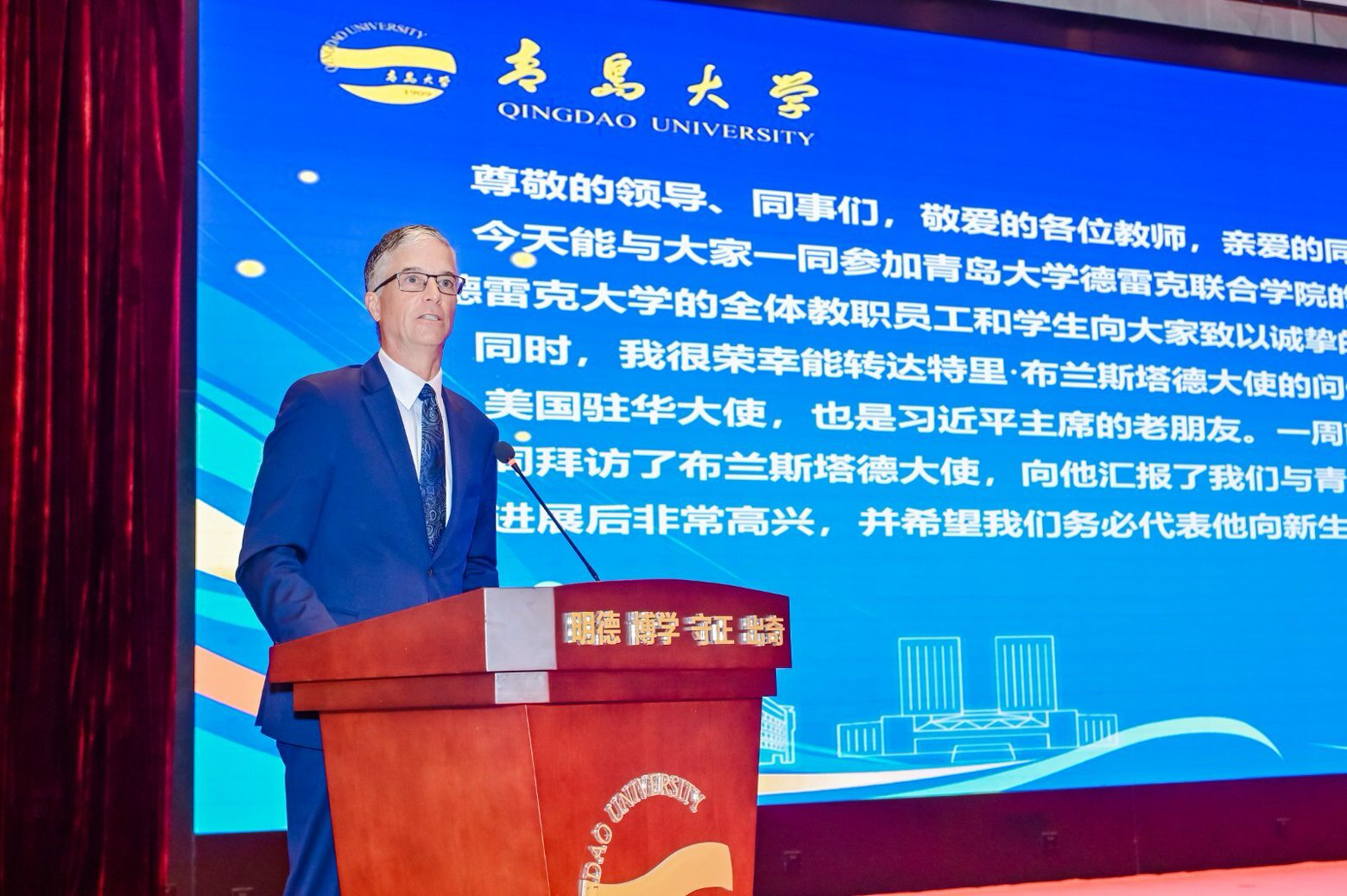
德雷克大学校长表示,该校没有活跃的国防部合同或研究资助,遵守联邦研究安全指南,并指出青岛大学不在政府的名单上。
Drake’s president said the school has no active Defense Department contracts or research funding, complies with federal research-security guidelines and noted that Qingdao University is not on the government’s list.
该大学告诉《华盛顿邮报》,校长马丁上个月前往中国参加了该联合项目的开幕仪式。该项目拥有近500名学生。相比之下,一些其他学校决定缩减与中国或其他国家实体的关系。
Martin traveled to China to take part in the joint program’s opening ceremony last month, the university told The Post. The program has nearly 500 students. By contrast, some other schools decided to wind down their relationships with entities in China or other countries.
美国国防部表扬了七所学校“超越要求,迅速终止有问题的关系”并采取缓解措施:俄克拉荷马州立大学、宾夕法尼亚州立大学、北卡罗来纳大学教堂山分校、南卡罗来纳大学、南加州大学、德克萨斯大学奥斯汀分校和弗吉尼亚理工大学。
The Defense Department praised seven schools for going “above and beyond by quickly terminating problematic relationships” and implementing mitigation measures: Oklahoma State University, Penn State University, the University of North Carolina at Chapel Hill, the University of South Carolina, the University of Southern California, the University of Texas at Austin and Virginia Tech.
然而,其中几所学校表示,这些合作伙伴关系并不涉及任何受限研究。
However, several of those schools said the partnerships did not involve any restricted research.
例如,俄克拉荷马州立大学表示,该校发现其与中国复旦大学存在两项有限的学术协议,复旦大学最近被列入政府的有问题实体名单。一项是酒店与旅游管理研究生学位项目,另一项是学生交换项目。
For instance, Oklahoma State said it identified two limited academic agreements it had with Fudan University in China, which was recently added to the government’s list of problematic entities. One is a graduate degree program in hospitality and tourism management; the other is a student exchange program.
俄克拉荷马州立大学表示,在收到该机构8月10日的信函后,出于“极度谨慎”,决定终止该关系。该校还将终止与中山大学的协议,包括一项学生交换项目,尽管俄克拉荷马州立大学得出结论认为这些项目不存在泄露敏感研究的风险。
Oklahoma State said it decided to end the relationship “out of an abundance of caution” after receiving an Aug. 10 letter from the agency. It also will end agreements with Sun Yat-sen University, including a student exchange program, even though Oklahoma State concluded the programs posed no risk of exposing sensitive research.
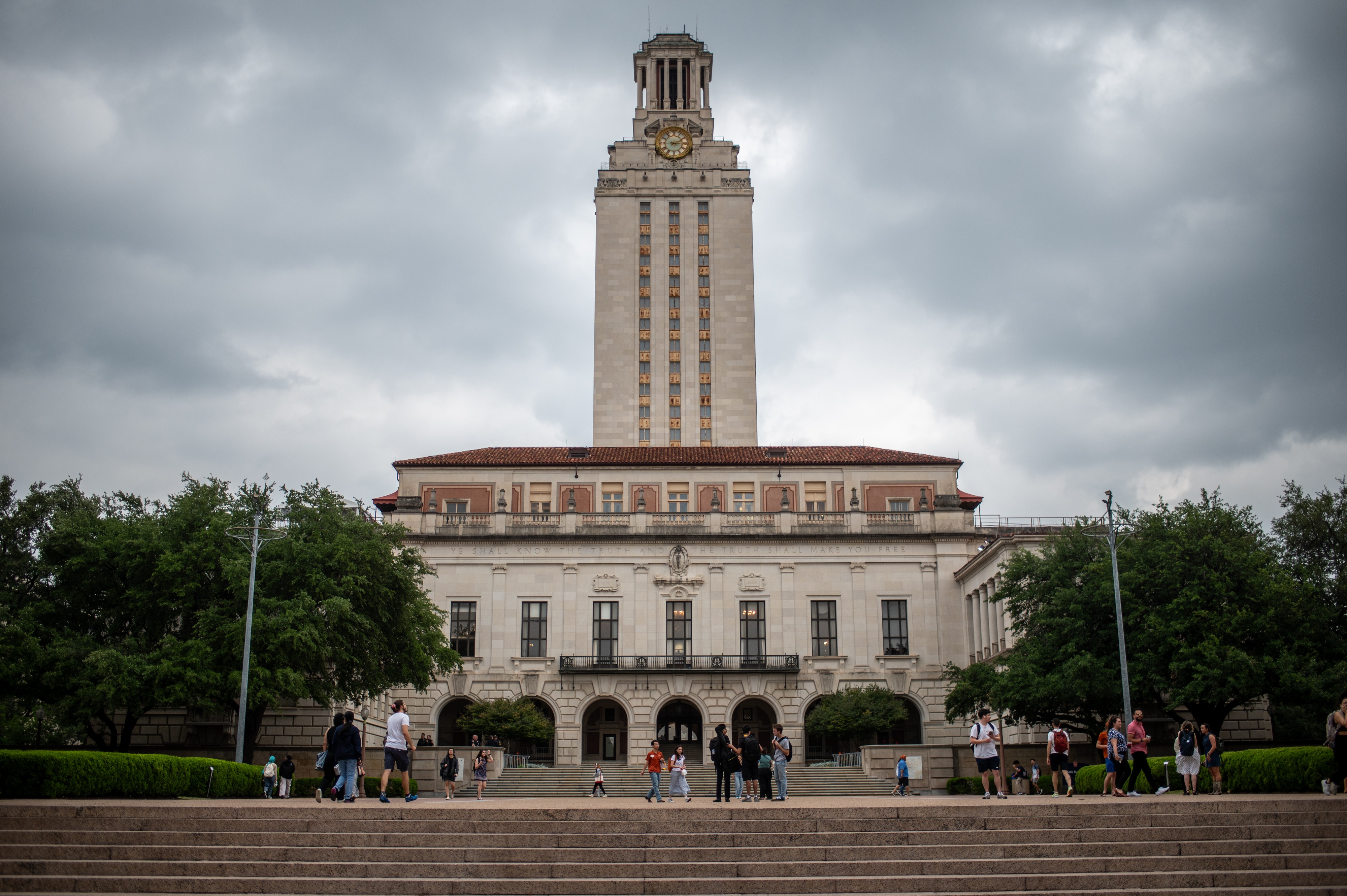
同样,德克萨斯大学奥斯汀分校在8月31日的信函中表示,将在上海交通大学被列入名单后,终止与该校的本科生交换项目。德州大学奥斯汀分校表示,在政府援引对上海大学的潜在担忧后,该校也决定“出于极度谨慎”终止与上海大学的协议,尽管上海大学不在“第1286条”名单上。
Similarly, the University of Texas at Austin said in an Aug. 31 letter that it would terminate an undergraduate student exchange program with Shanghai Jiao Tong University after it was added to the list. UT Austin said it also decided to end its agreement with Shanghai University “out of an abundance of caution” after the government cited potential concerns about the school, even though it is not on the Section 1286 list.
北卡罗来纳大学教堂山分校在8月26日致国防部的一封信中表示,在政府将复旦大学列入第1286条名单后,该校“出于极度谨慎”决定终止与复旦大学的海外学习项目。尽管北卡罗来纳大学教堂山分校称该项目“与研究活动无关,包括敏感研究、国防部资助的研究或出口管制研究”。弗吉尼亚理工大学在8月20日致政府的信中表示,该校于2019年终止了与山东大学的合作,并于2025年决定在履行对在读学生的承诺后,于2029年停止与西安电子科技大学的本科教学项目。该校周二表示,此后决定在本学年结束后更早地关闭西安电子科技大学项目。
The University of North Carolina at Chapel Hill told the Defense Department in an Aug. 26 letter that it decided to end its study-abroad program with Fudan University “out of an abundance of caution” after the government added the school to the Section 1286 list. That’s despite the fact that UNC said the program was “unrelated to research activities, including sensitive research, Department of War-funded research, or export-controlled research.”Virginia Tech told the government in an Aug. 20 letter that it ended its collaboration with Shandong University in 2019, and decided in 2025 to discontinue its undergraduate academic program with Xidian University in 2029 after fulfilling commitments to existing students. The school has since decided to close the Xidian program sooner, after the current academic year ends, the university said Tuesday.
国防部次长迈克尔明确表示,该机构将继续审查此类关系以及学术界如何处理研究事务。
Michael, the undersecretary of defense, made it clear the agency will continue to scrutinize these kinds of relationships and how academia handles research.
“我们的工作将继续,”他在周一的声明中说。“未能达到研究安全标准的机构已被警告:纳税人的钱不会用于支持那些合作伙伴关系将美国战斗人员或国家技术优势置于风险之中的机构。”
“Our work will continue,” he said in Monday’s statement. “Institutions that fail to meet research security standards are on notice: taxpayer dollars will not support institutions whose partnerships put the American warfighter or the Nation’s technological advantage at risk.”