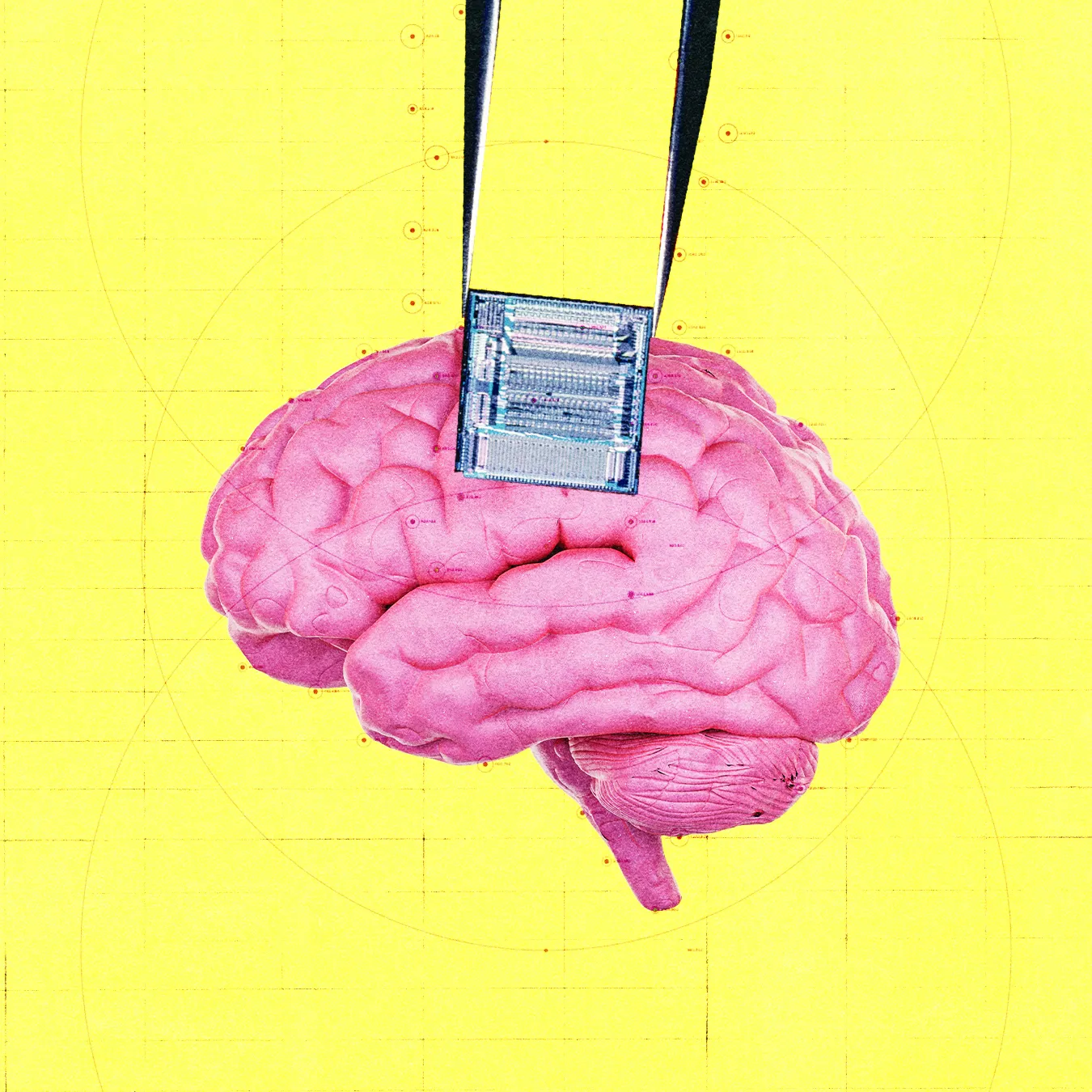
OpenAI 的风险投资部门以及 Peter Thiel 的 Founders Fund 正在投资 Coherence Neuro,这是一家正在开发脑植入物以检测和治疗癌症的初创公司。
OpenAI’s venture capital arm as well as Peter Thiel’s Founders Fund are investing in Coherence Neuro, a startup developing a brain implant to detect and treat cancer.
这些投资是 Coherence 4500 万美元种子轮融资的一部分,反映出大型科技公司对脑数据日益增长的兴趣。Coherence 的首席执行官兼联合创始人 Ben Woodington 表示,大型 AI 实验室与开发解码大脑设备(即脑机接口)的公司之间存在“日益增强的协同效应”。
The investments are part of a $45 million seed funding round for Coherence and reflect Big Tech’s burgeoning interest in brain data. Coherence’s CEO and cofounder Ben Woodington says there is “growing synergy” between the big AI labs and companies building devices to decode the brain, known as brain-computer interfaces.
他说:“捕获数据以训练更好的模型并利用其优化治疗的想法将变得极其重要。AI 公司似乎也认同这一论点——即这种新颖的数据源将具有价值。”Woodington 表示,AI 是脑机接口的“完美用例”,因为这些设备的开发者会产生海量数据集,人类无法自行分析。AI 模型可以帮助解读原始神经数据,并将其与动作联系起来,例如移动电脑光标或生成合成语音。
“The idea of capturing data to train better models and use it to optimize treatments is going to be super important,” he says. “The AI companies seem to be aligned with this thesis as well—that this novel data source is going to be valuable.”Woodington says AI is a “perfect use case” for brain-computer interfaces because developers of these devices generate massive datasets that are too large for humans to analyze themselves. AI models can help read raw neural data and link it to actions, such as moving a computer cursor or producing synthesized speech.
1 月,OpenAI 宣布直接投资一家新的脑机接口公司 Merge Labs,该公司由其亿万富翁首席执行官 Sam Altman 联合创立。Merge Labs 以 2.52 亿美元的初始资金退出隐身模式,致力于开发可从大脑解码信息的超声技术。当时,OpenAI 表示,之所以资助 Merge Labs,是因为相信脑机接口“将为任何人与 AI 无缝交互创造一种自然、以人为本的方式”。
In January, OpenAI announced that it was directly investing in a new brain-computer interface company, Merge Labs, cofounded by its billionaire CEO Sam Altman. Merge Labs came out of stealth with $252 million in initial funding to pursue ultrasound technology that can decode information from the brain. At the time, OpenAI said it was funding Merge Labs because of a belief that brain-computer interfaces “will create a natural, human-centered way for anyone to seamlessly interact with AI.” (The name Merge Labs comes from the idea popular in Silicon Valley that humans will eventually merge with machine intelligence.)
(Merge Labs 这个名字源于硅谷流行的一种观点,即人类最终将与机器智能融合。)Thiel 的风投公司还支持过 Elon Musk 的 Neuralink 以及 CTRL-labs,后者开发了一种可将手臂和手部动作的神经信号转化为指令的腕带,并于 2019 年被 Facebook 收购。
Thiel’s VC firm has also backed Elon Musk’s Neuralink as well as CTRL-labs, the creator of a wristband that translates neural signals from arm and hand movements that was acquired by Facebook in 2019.
总部位于旧金山的 Coherence 并非专注于恢复瘫痪患者的功能,而是开发 AI 模型,以解码与脑肿瘤相关的微弱电信号。该公司表示,已经掌握了在动物身上检测这些信号的方法,以判断癌症是正在生长、缩小还是复发。团队正致力于将这些发现转化为人体研究,并最终推进至临床试验。
Rather than focusing on restoring function for paralyzed individuals, San Francisco–based Coherence is developing AI models to decode subtle electrical signals associated with brain tumors. The company says it already knows how to detect these signals in animals to determine whether cancer is growing, shrinking, or recurring. The team is working to translate these findings for human research and, eventually, clinical trials.
今年夏天,Coherence 在澳大利亚皇家墨尔本医院,对三名已在接受脑肿瘤切除手术的患者,简要测试了其植入物的记录能力。植入物在大脑中停留了约 30 分钟便被取出,完成了初步的安全性检查。接下来,Coherence 将在另外七名患者身上,测试该设备的记录和刺激双重功能。
This summer, Coherence briefly tested the recording ability of its implant in the brains of three people who were already undergoing brain tumor removal surgery at the Royal Melbourne Hospital in Australia. The implant was in place for roughly 30 minutes before being removed, providing an initial safety check. Next, Coherence is testing both the recording and stimulation capabilities of the device in an additional seven patients.
该植入物还被设计为发射温和的电刺激,以阻止肿瘤生长。设想是随着时间的推移,设备能学会检测与癌症相关的信号,并提供实时治疗。Coherence 计划利用这笔新融资,启动一项临床试验,在胶质母细胞瘤(一种侵袭性脑癌)患者体内长期植入该设备。公司还旨在开发植入物,以治疗身体其他部位的癌症。
The implant is also designed to emit mild electrical stimulation to halt the growth of tumors. The idea is that over time, the device would learn to detect signals associated with cancer and provide real-time treatment. Coherence plans to use the new funding to launch a clinical trial to implant the device long-term in patients with glioblastoma, an aggressive type of brain cancer. The company also aims to develop implants to treat cancers in other parts of the body.
OpenAI 初创基金合伙人 Ian Hathaway 在声明中表示:“Coherence 开发一种能够从数据中不断改进的癌症疗法的方法极具创新性。我们很自豪能支持他们这一激动人心的使命。” Woodington 表示,OpenAI 将无法获取其数据。“合同或安排中没有任何条款意味着我们会共享数据,或他们能获取我们正在生成的任何脑部数据或其他健康数据,”他说。
“Coherence's approach to developing a cancer therapy capable of improving from data is incredibly innovative,” Ian Hathaway, partner at the OpenAI Startup Fund, says in a statement. “We are proud to be backing them on this exciting mission.”Woodington says that OpenAI will not have access to its data. “There's nothing in the contracts or arrangements that would mean that we would share, or they would have access to, any brain data or other health data that we're generating,” he says.
这似乎与OpenAI与Merge Labs的关系不同。在1月份的公告中,OpenAI表示将“与Merge Labs在科学基础模型和其他前沿工具方面进行合作,以加速进展”。
That is seemingly different from OpenAI’s relationship with Merge Labs. In its January announcement, OpenAI said it would “collaborate with Merge Labs on scientific foundation models and other frontier tools to accelerate progress.”