这些印度和巴基斯坦男子虽被国界分隔,却因一个商业构想走到了一起:制造不存在的人,并欺骗银行。
These Indian and Pakistani men were separated by borders but united by a business idea of creating people who did not exist and duping banks.
据巴基斯坦网络事务部称,三名巴基斯坦人涉嫌与居住在加拿大的四名印度人勾结,利用人工智能生成的护照和照片,诈骗加拿大银行。该网络的巴基斯坦成员涉嫌利用伪造身份远程开设银行账户,而他们在加拿大的印度伙伴则收取信用卡。随后,这些信用卡被用于透支额度,用完即弃。
Three Pakistanis allegedly joined hands with four Indians living in Canada to defraud Canadian banks using artificial intelligence-generated passports and photographs. Pakistan-based members of the network allegedly opened bank accounts remotely using the forged identities, while their Indian partners in Canada received the credit cards. The cards were then used to exhaust their credit limits before being discarded, according to Pakistan's Ministry of Cyber Affairs.
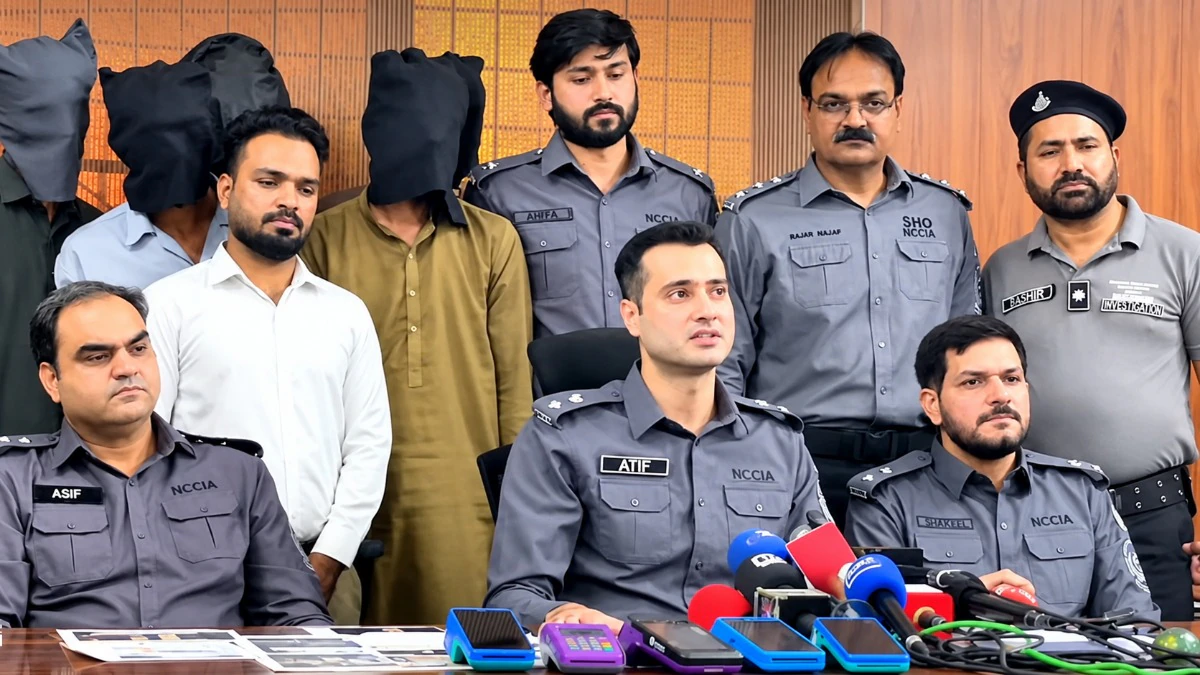
这一跨国诈骗团伙于10月19日浮出水面,当时巴基斯坦国家网络犯罪调查局(NCCIA)宣布在拉合尔实施了一系列逮捕行动。副局长阿提夫·阿米尔在新闻发布会上披露了该涉嫌网络的详情,称调查人员已追踪其活动一段时间。此案引发了关于AI生成身份如何规避数字银行验证系统的质疑。
The cross-border racket came to light on October 19, when Pakistan's National Cyber Crime Investigation Agency (NCCIA) announced a series of arrests in Lahore. Additional Director Atif Ameer disclosed the alleged network at a press conference, saying investigators had been tracking its activities for some time. The case raises questions about how AI-generated identities can circumvent digital banking verification systems.WHO ARE THE SEVEN SUSPECTS?
七名嫌疑人是谁?据NCCIA称,三名巴基斯坦籍嫌疑人被确认为苏布汉·布特、古勒兹·布特和穆罕默德·诺曼。
According to the NCCIA, the three Pakistan-based suspects were identified as Subhan Butt, Gulrez Butt and Muhammad Noman.
他们四名涉案的居住在加拿大的印度同伙被确认为迪普·辛格、帕尔杰特·辛格、哈普里特·辛格和古尔林·辛格。
Their four alleged Indian accomplices living in Canada were identified as Deep Singh, Parjeet Singh, Harpreet Singh and Gurleen Singh.
该机构指控,这七人运作一个合成身份诈骗网络,将真实的个人信息(包括身份证号和出生日期)与捏造的细节相结合,创建全新的身份。据NCCIA的阿提夫·阿米尔称,四名居加印度人涉嫌利用AI制作假护照和照片,并发送给他们的巴基斯坦同伙。
The agency alleged that the seven operated a synthetic identity fraud network, combining genuine personal information, including identity numbers and dates of birth, with fabricated details to create entirely new identities. According to the NCCIA's Atif Ameer, the four Canada-based Indians allegedly prepared fake passports and photographs using AI and sent them to their Pakistani accomplices.
据指控,这三名巴基斯坦人利用这些文件在加拿大主要银行远程开设了账户。为绕过身份验证环节,嫌疑人使用了名为 “Dolphin Anty” 的特殊浏览器——该浏览器能够隐藏设备的真实信息及浏览器使用情况。账户开通后,他们立即订购了信用卡并将这些信用卡寄给了在加拿大的四名同伙。据巴基斯坦国家计算机犯罪调查局(NCCIA)称,这些同伙将信用卡的信用额度全部刷空后便将其丢弃。
The three Pakistanis then allegedly used these documents to open accounts remotely with major Canadian banks. To get past identity verification, the suspects reportedly used Dolphin Anty, an anti-detect browser capable of masking device and browser information. Once the accounts were operational, credit cards were ordered and delivered to the four individuals in Canada. The accomplices in Canada allegedly exhausted the cards' credit limits and discarded them.
巴基斯坦调查人员是如何破获这一诈骗案的?在10月19日的新闻发布会上,Ameer表示,NCCIA 已逮捕了三名与伪造加拿大身份文件及在线金融诈骗有关的嫌疑人。调查人员收缴了四部手机、四台笔记本电脑以及多份疑似伪造的加拿大护照。此次逮捕行动是 NCCIA 在拉合尔开展的四起独立调查行动的一部分;在这四起行动中,共有10名嫌疑人因不同的网络犯罪指控被捕。
Banks subsequently discovered the fraudulent identities while investigating the losses, according to the NCCIA account.HOW PAKISTANI INVESTIGATORS BUSTED THE RACKETAt the October 19 press conference, Ameer said the NCCIA had arrested three suspects in connection with counterfeit Canadian identity documents and online financial fraud. Investigators recovered four mobile phones, four laptops and printed copies of allegedly forged Canadian passports. The arrests formed part of four separate NCCIA operations in Lahore, in which 10 suspects were arrested over different cybercrime allegations.
《Dawn》 报纸报道称,NCCIA 尚未公开披露涉案的加拿大银行名称,也未公布总损失金额。目前尚不清楚那四名印度嫌疑人是否已在加拿大被捕或受到起诉。巴基斯坦的调查人员正在进一步审查被查获的设备,以查明该诈骗团伙的完整作案手法并揪出更多同伙。
Pakistani newspaper Dawn reported the agency has not publicly identified the Canadian banks involved or disclosed the total financial losses. It's also unclear whether the four Indian suspects have been arrested or charged in Canada. Investigators in Pakistan are examining the seized devices to establish the racket's full extent and identify additional accomplices.AI-powered financial fraud has emerged as a growing concern in India too. Cybercriminals are increasingly using deepfakes and forged identities to bypass banking verification systems.
人工智能驱动的金融诈骗在印度也日益成为令人担忧的问题:网络犯罪分子正越来越多地利用深度伪造技术及伪造的身份信息来绕过银行的身份验证系统。2026年5月,一个位于艾哈迈达巴德的犯罪团伙因使用人工智能生成的视频绕过印度政府的“Aadhaar”身份认证系统、开设银行账户并骗取贷款而被抓获;同年6月,德里警方又逮捕了五名嫌疑人——这些诈骗分子通过克隆孟买某公司董事的声音,从多个银行账户中窃取了1000万卢比。
In May 2026, an Ahmedabad-based gang was busted for allegedly using AI-generated videos to bypass Aadhaar authentication, open bank accounts and obtain fraudulent loans. In another case in June, Delhi Police arrested five suspects after fraudsters allegedly cloned a Mumbai company director's voice to syphon off Rs 10 crore through multiple bank accounts.- Ends