黎巴嫩官员勃然大怒,指责该市抹去了纪伯伦的身份。然而曾有一段时间,美国的阿拉伯移民认为“我们都是叙利亚人”。
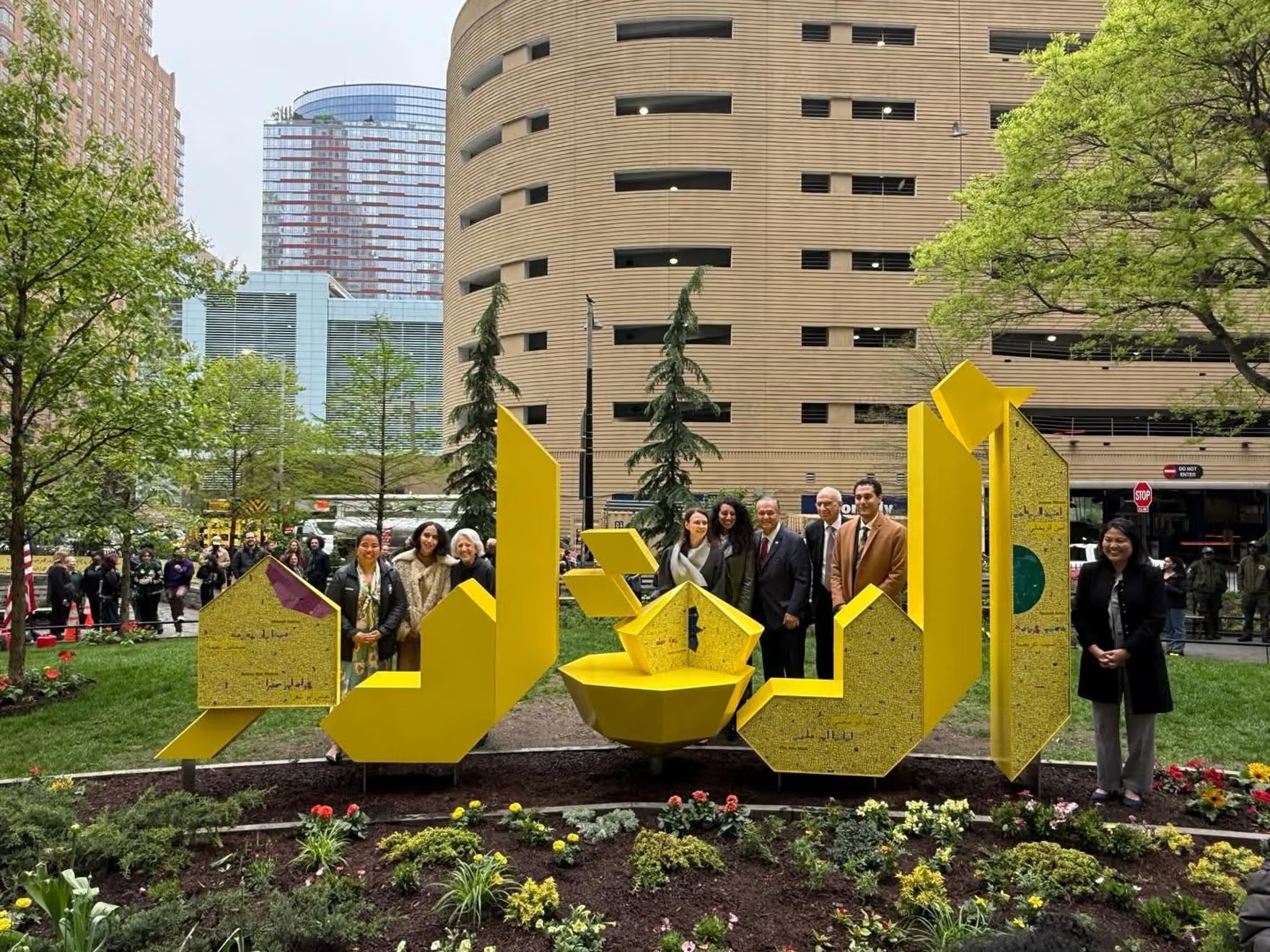
4月30日上午,在金融区摩天大楼的阴影下,一块金色布帷滑落,露出一座高7英尺(约2米)、由喷漆不锈钢制成的亮黄色雕塑,拼出一个阿拉伯词:“”,意为“笔”。
Lebanese officials were furious, claiming the city erased Gibran’s identity. Yet there was a time when Arab immigrants in the US thought ‘we were all Syrians’ On the morning of 30 April, in the shadow of the financial district’s skyscrapers, a gold cloth slid off a bright yellow sculpture of painted stainless steel, 7ft (2 metres) tall, that spells an Arabic word: “”, the pen.
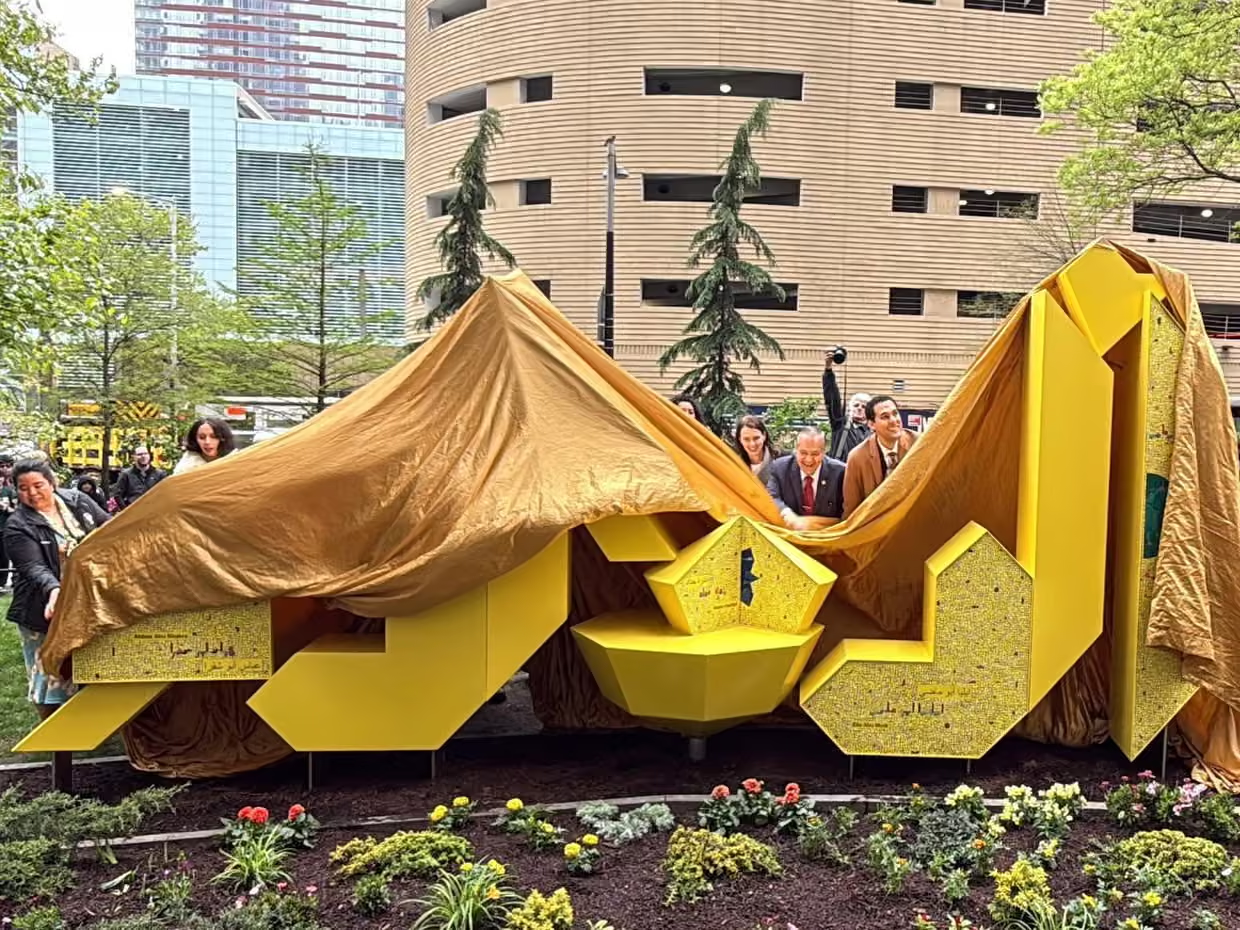
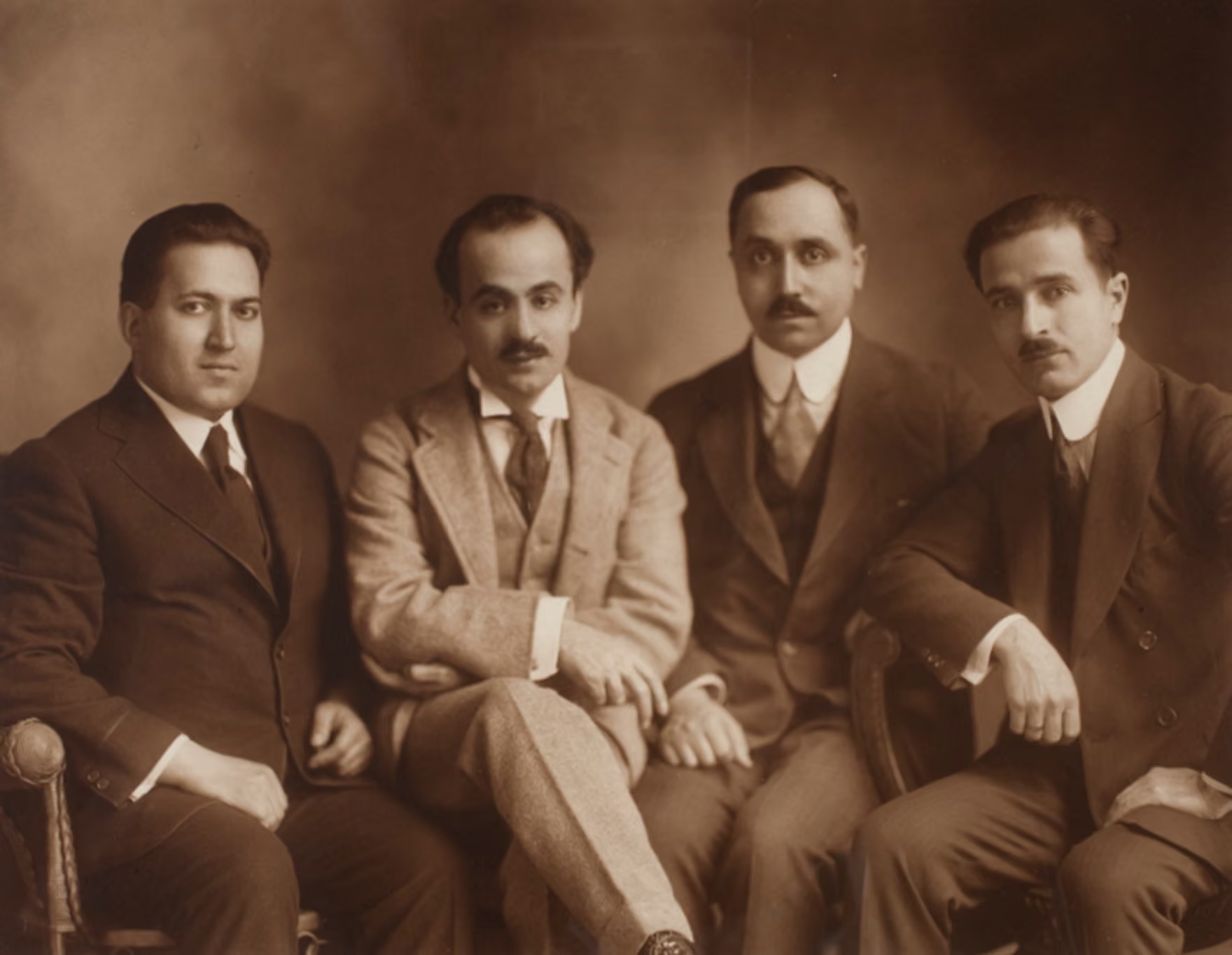
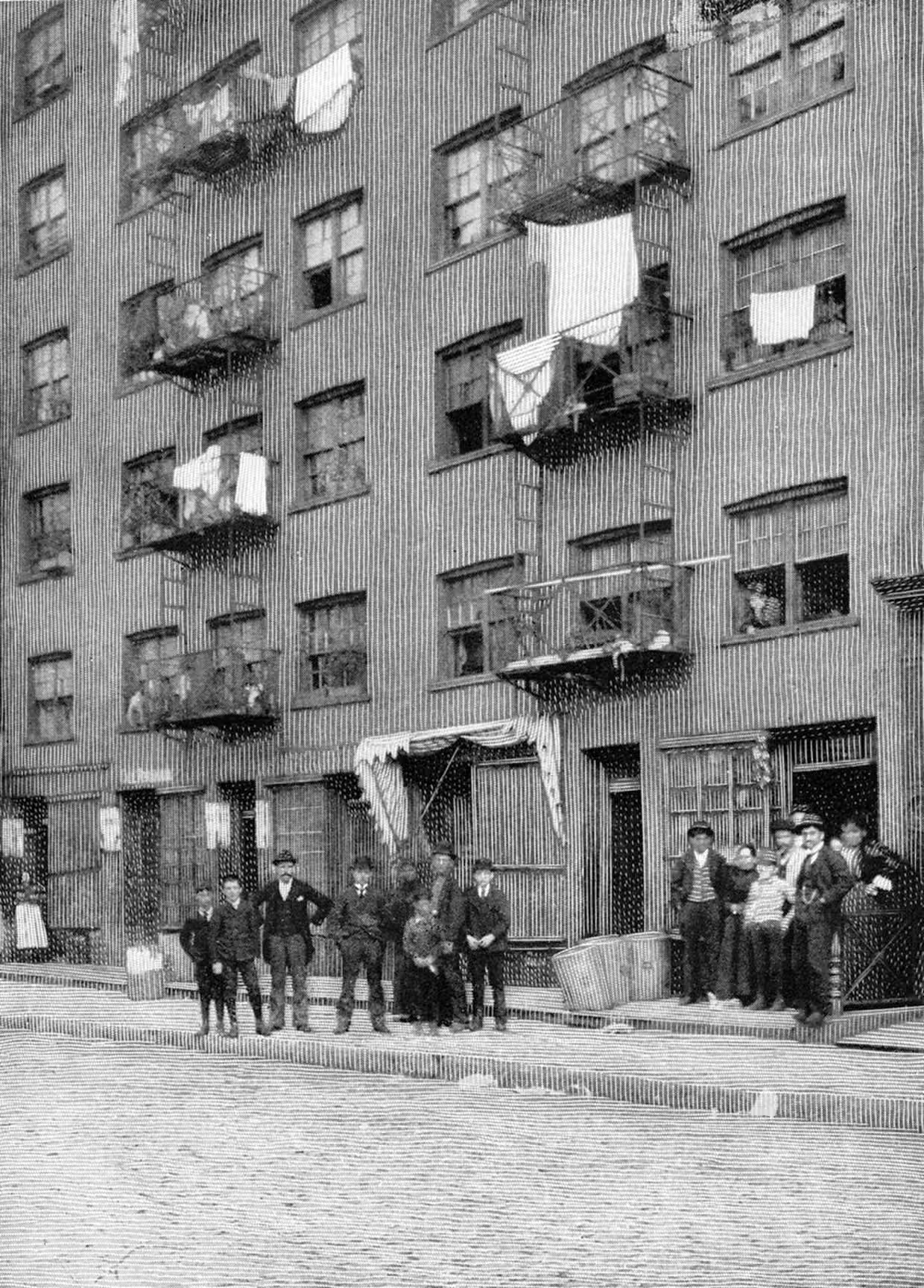
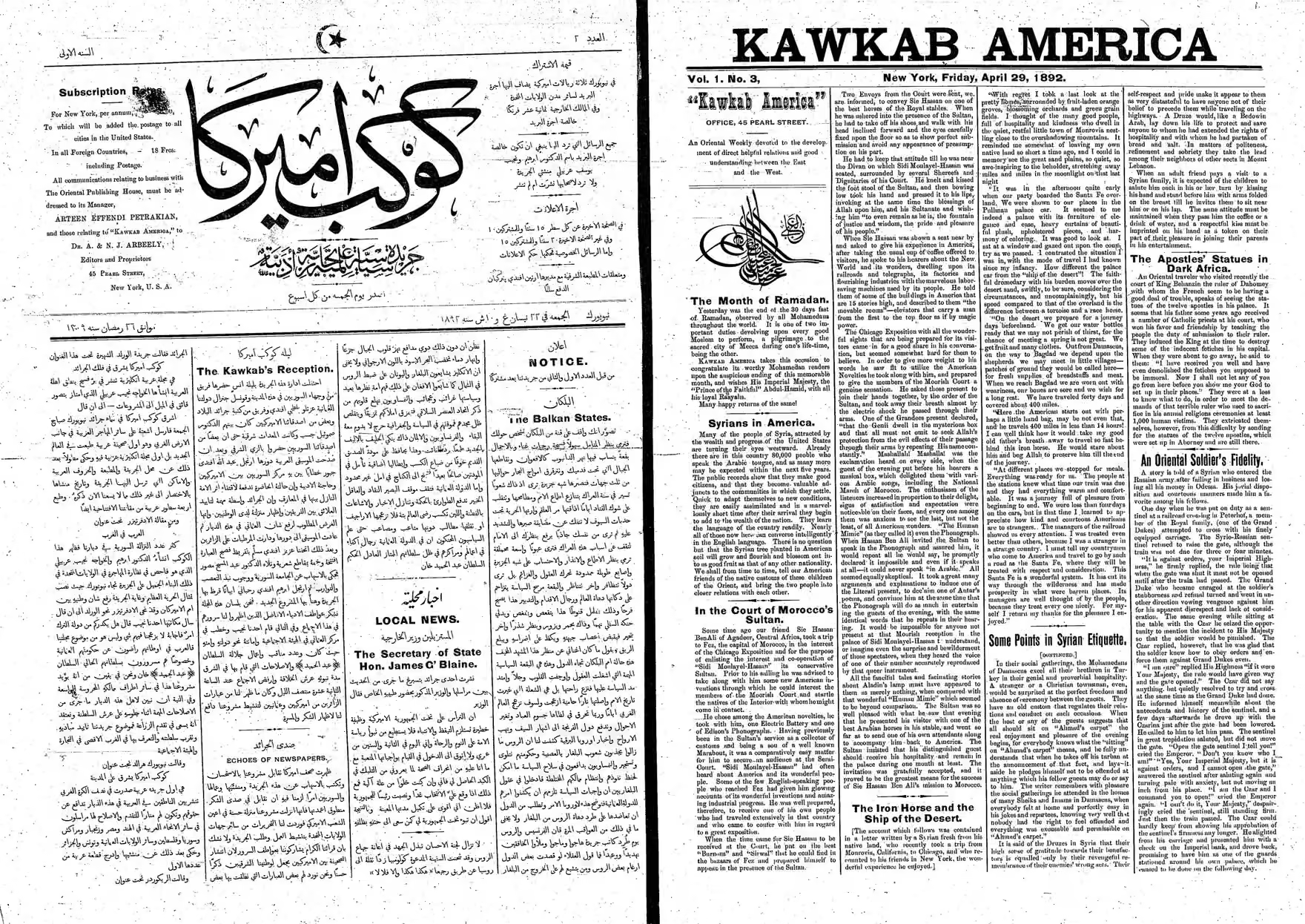
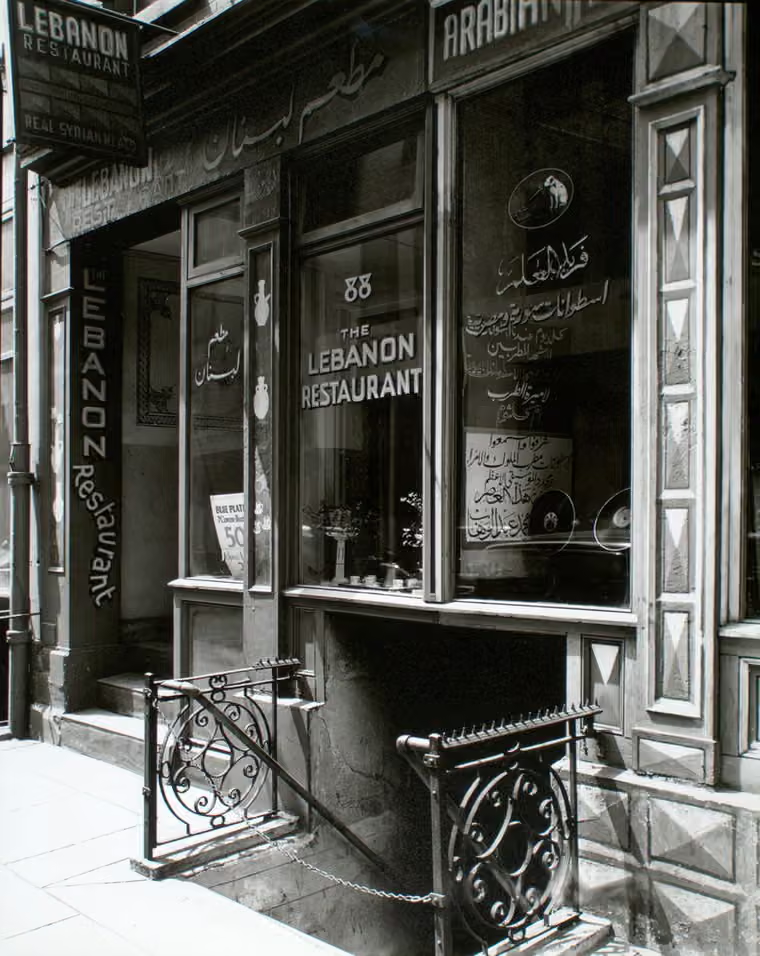
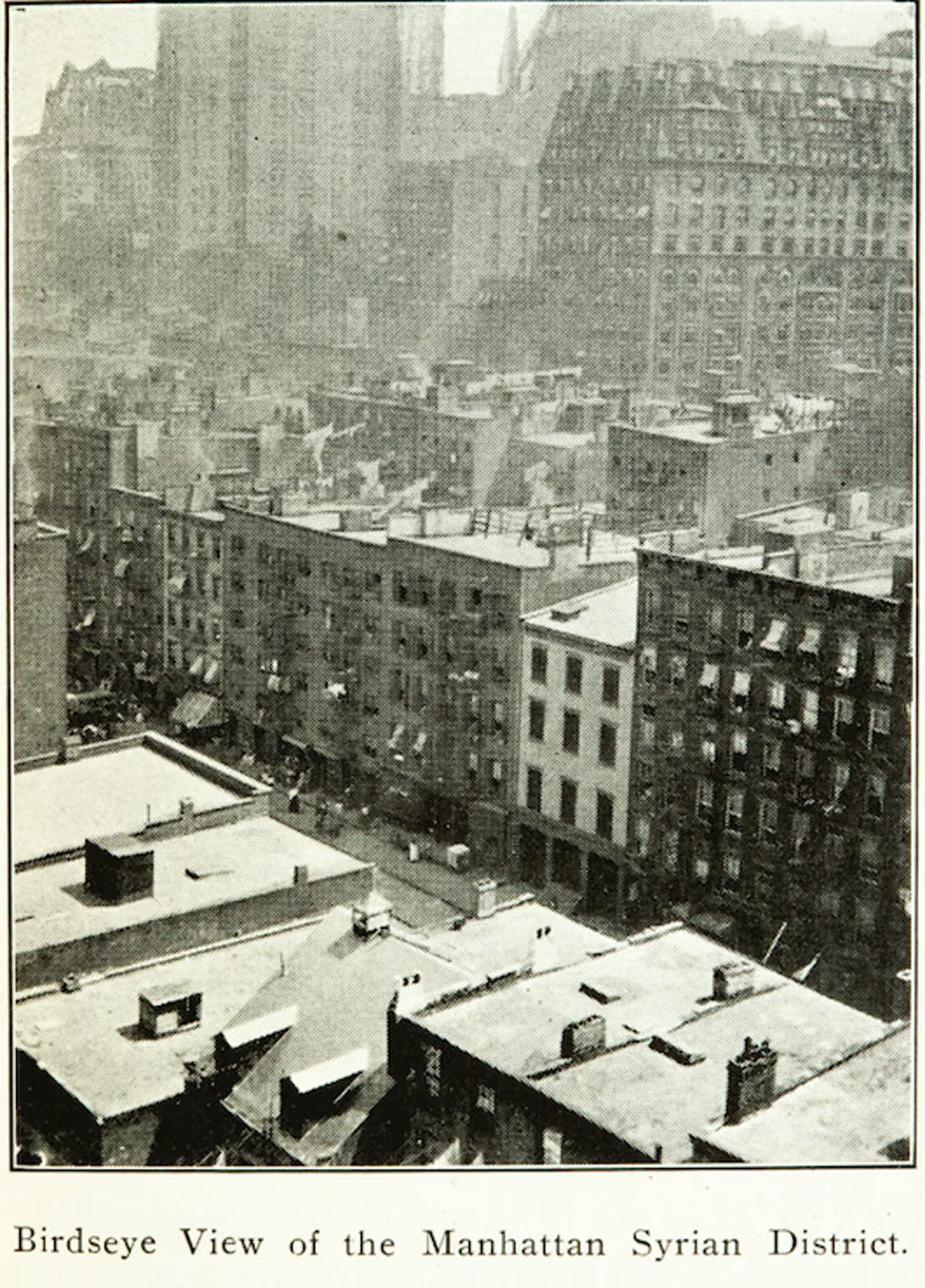
这座名为“Al Qalam:公园里的诗人”的纪念碑矗立在伊丽莎白·H·伯格广场,旨在纪念纽约人曾称为“小叙利亚”的已消失街区的作家们:这是一个阿拉伯语移民社区,沿华盛顿街分布,距离后来世界贸易中心拔地而起的地方仅几个街区。该纪念碑是扎赫兰·马姆达尼就任市长后揭幕的首件纪念性艺术品。“小叙利亚”孕育了曾在纽约生活过的最著名诗人之一:纪伯伦·纪伯伦,《先知》的作者,这本诗意散文集从未绝版。纪念碑旨在纪念纪伯伦在20世纪初于“小叙利亚”领导的“笔社”作家圈子。
The monument, Al Qalam: Poets in the Park, stands in Elizabeth H Berger Plaza and honors the writers of the vanished neighborhood that New Yorkers once called Little Syria: an Arabic-speaking immigrant community that ran along Washington Street, blocks from where the World Trade Center would later rise. The monument was the first commemorative artwork unveiled under Mayor Zohran Mamdani. Little Syria produced one of the most famous poets ever to live in New York: Kahlil Gibran, author of The Prophet, a book of poetic prose that has never gone out of print. The monument honors the Pen League, the circle of writers Gibran led in Little Syria in the early 20th century.