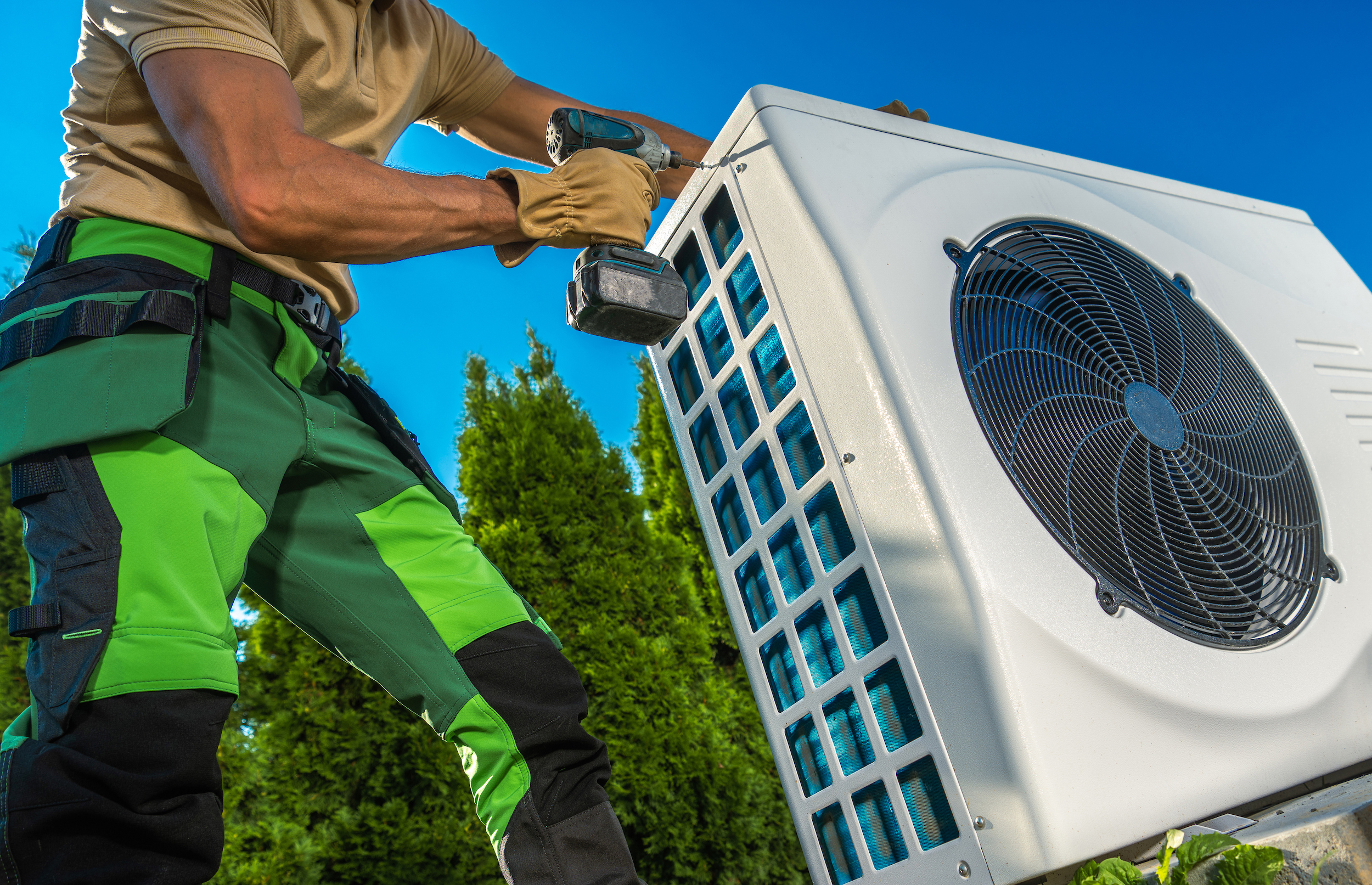
当实验结果出来时,Adam Slavney 和 Jinyoung Seo 感到困惑。他们一直在测试一类新材料,旨在用于更高效的冰箱、空调和热泵,这是制冷电器行业长期以来的使命。按理说,团队测试的这些材料的测量数据不应有差异,但实际结果却不同。
When the experimental results came back, they puzzled Adam Slavney and Jinyoung Seo. They had been testing a new class of materials for more efficient refrigerators, air conditioners, and heat pumps, a mission that the cooling appliance industry has been on for eons. The measurements for the materials that the team was testing shouldn’t have been different, but they were.
“为什么这些东西不一样?我们改变了什么?”Slavney 对 TechCrunch 表示。“我们在三个月左右有了一点眉目,但直到一两年后才有确凿证据。”这些证据如今支撑起了 Slavney 创办的初创公司 Pascal,他担任联合创始人兼首席执行官,Seo 担任联合创始人兼首席技术官。该公司独家告诉 TechCrunch,最近在种子轮后续融资中筹集了 850 万美元,由 Sazze Partners 和 LB Investment 共同领投,KDB Silicon Valley 参投。
“Why are these things different? What did we change?”Slavney told TechCrunch. “We had an inkling of it within three-ish months, but we didn’t have definitive proof for a year or two.”That proof is now underpinning Slavney’s startup, Pascal, where he’s co-founder and CEO and Seo is co-founder and CTO. The company recently raised $8.5 million in a follow-on to its seed round, co-led by Sazze Partners and LB Investment with participation from KDB Silicon Valley, the company exclusively told TechCrunch.
他表示,使用 Pascal 材料的冰箱或热泵效率有望比现有机型高出约 20%。(热泵和冰箱采用相同的基本技术。)这家初创企业已与一家跨国饮料公司签署合同,将对该技术进行试点。
A refrigerator or heat pump using Pascal’s material promises to be around 20% more efficient than existing models, he said. (Both heat pumps and refrigerators use the same basic technology.) The startup has signed a contract with a multinational beverage company for a pilot of the technology.
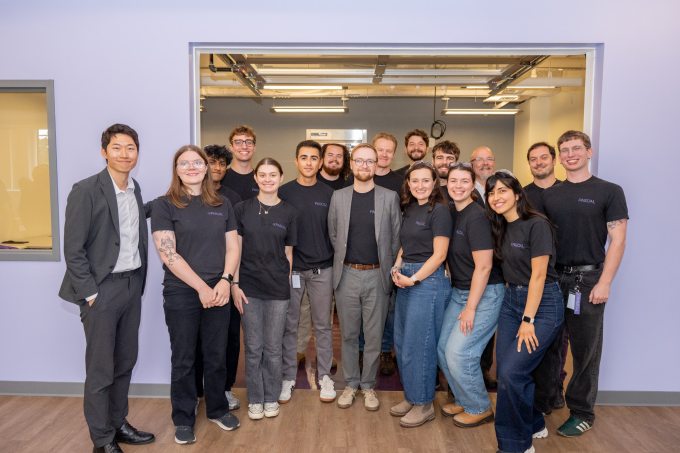
“这一整轮融资之所以能达成,最初是因为我们比预期更早拿到了客户合同,”Slavney 说。Pascal 有望在明年初交付首个原型机,并希望随后在 2028 年推出一批更成熟的冰箱。
“This whole funding round came together originally because we got a customer contract earlier than we were expecting to,” Slavney said. Pascal is on track to deliver its first prototype early next year, and it hopes to follow that with a batch of more polished refrigerators in 2028.
科学家们寻找更好制冷剂的时间,几乎与冰箱的历史一样长。最近,他们一直在寻找不会以任何方式危害大气层的化合物。这类化合物是存在的,但它们也需要至少与现有制冷剂一样有效。
Scientists have been searching for better refrigerants for almost as long as refrigerators have existed. More recently, they’ve been looking for compounds that don’t harm the atmosphere in one way or another. They exist, but they also need to be at least as effective as existing refrigerants.
“我们与制冷剂打交道已经有35到40年了,”斯拉夫尼说道。像氟利昂这样的老旧气体制冷剂对臭氧层造成了严重破坏,而像R-134a这样的新型制冷剂仍然属于强效的温室气体。“这简直就是一个永无止境的循环——我们一直在不断寻找新的解决方案,”他说。
“We’ve been playing whack-a-mole with refrigerants for 35 years, 40 years,” Slavney said. Older gaseous refrigerants like Freon ate a hole in the ozone layer, while newer ones like R-134a are still extremely potent greenhouse gases. “It’s just a never-ending treadmill,” he said.
一种引起研究人员关注的替代方案是被称为“固态制冷剂”的材料。由于固态制冷剂本身是固体,因此它们不会释放到大气中,从而避免了传统制冷剂所带来的气候和臭氧层问题。这类制冷剂有望提高冰箱和热泵的能效。它们的工作原理与传统制冷剂类似:在受到压缩时释放热量,而在压力释放时吸收热量。
One alternative that has attracted researchers’ attention is a class of materials known as solid-state refrigerants. Because they’re solid, they can’t escape to the atmosphere, eliminating the climate and ozone concerns that haunt modern refrigerants. Solid-state refrigerants promise to make refrigerators and heat pumps more efficient. They work similarly to traditional refrigerants, giving off heat when squeezed and absorb it when that pressure is released.
在做出这一偶然发现之前,斯拉夫尼和他的哈佛大学同事们一直在研究这类材料。“我们原本需要进行高压实验,而所需的实验设备需要使用气体作为介质。于是我们使用了某种气体进行实验,后来又换用了另一种气体,然后我们开始思考:‘为什么这两种气体的表现会有所不同呢?’”斯拉夫尼解释道。
Before his serendipitous discovery, Slavney and his colleagues at Harvard University had been researching the materials. “We wanted to do some high-pressure measurements, and the instrument that we were using required us to use gas. So we used the gas and then we swapped to a different gas and we were like, why are these different?”Slavney said.
经过大量进一步的实验,研究团队意识到他们找到了实现固态制冷的新途径。与传统制冷剂不同,帕斯卡热泵(Pascal’s Heat Pump)并不是直接压缩固体材料,而是将二氧化碳气体压缩到一个装有海绵状材料的容器中。斯拉夫尼表示,这种海绵状材料属于该公司的专利技术。
After numerous additional experiments, the team realized they had discovered another path toward solid-state refrigeration. Rather than squeeze a solid block of material, Pascal’s heat pumps compress a gas — carbon dioxide — into a cartridge that contains a sponge-like material, which Slavney said is proprietary.
当二氧化碳气体进入这些多孔材料时,气体分子会在材料内部壁上不断碰撞,从而将能量传递给材料本身,使其升温。随后,热交换器会将这些热量排出体外;如果反向运行,这种材料则可以从热交换器中吸收能量,并将其传递给二氧化碳分子。
As the carbon dioxide works its way into the porous material, the gas molecules inside the pores start bouncing off the walls. Those collisions transfer energy to the material, warming it up. A heat exchanger then exhausts some of that heat. Run it in reverse and the material absorbs energy from the heat exchanger and transfers it to the carbon dioxide molecules.
在帕斯卡冰箱中,任何时候都有两个盒式组件在运行。一个从冰箱内部吸收热量并将其传递给二氧化碳,而另一个则从二氧化碳中获取热量并将其传递给室外空气。最终,盒式组件会变得过热和过冷,因此流向会反转。
In a Pascal refrigerator, two cartridges are running at any given time. One is absorbing heat from the inside of the refrigerator, transferring it to the carbon dioxide, while the other takes the heat from the carbon dioxide and transfers it to the outside air. Eventually, the cartridges become too hot and too cold, so the flow gets reversed.
“这种材料非常坚固耐用,”斯拉夫尼说。“我们已经让它循环了多达30万次。这相当于大约一年的运行时间。”整个系统移动热量的效果比其他固态制冷剂更好,这意味着帕斯卡不必像其他固态制冷剂可能要求的那样在高压下运行。
“The material is very robust,” Slavney said. “We’ve cycled it up to 300,000 times. It’s the equivalent of a year or so in operation.”The entire system moves heat more effectively than other solid-state refrigerants, which means that Pascal doesn’t have to operate at high pressures like other solid-state refrigerants might demand.
“我们使用的是常规系统来实现这一点,”斯拉夫尼说。“这意味着我们相信可以降低成本,而这意味着我们可以让它普及开来。”
“We’re using conventional systems to do it,” Slavney said. “That mean we believe we can make it cheap, and that means we can make it widespread.”