新墨西哥州大象岩——三十年前,一场罕见事件吸引了数百人从数英里外赶往大象岩水库,这是该州最大的湖泊。
ELEPHANT BUTTE, N.M.—Three decades ago, a rare event drew hundreds of people from miles away to the Elephant Butte reservoir, this state’s largest lake.
这座水库为数千人提供饮用水,灌溉大片农田,因里奥格兰德河注水而水位暴涨,并开始溢流。吉姆·帕克森回忆起水流倾泻而下大坝溢洪道的轰鸣声,水雾飞扬,冲刷着下方的地面。
The reservoir, which supplied drinking water to thousands and nourished vast acres of farmland, had swelled from the Rio Grande and begun to overflow. Jim Paxon remembers the roar as water cascaded down the dam’s spillway, tossing mist into the air and churning the ground below.
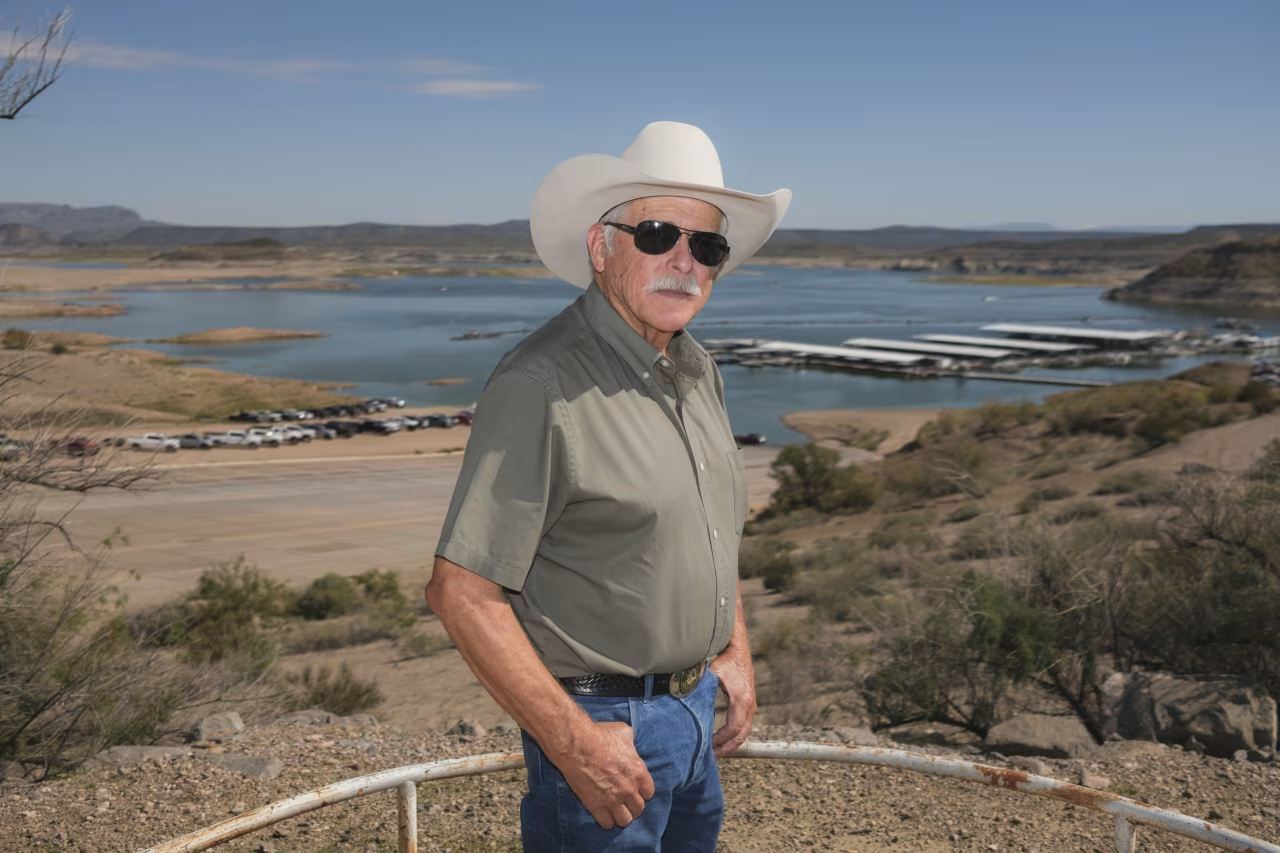
那些日子早已一去不复返。上个月的一个清晨,现年79岁、担任县专员的帕克森指着萎缩的水库水面拍打着高301英尺(约91.7米)大坝底部的位置。“这是我几十年来见过的最低水位,”帕克森说。
Those days are long gone. One morning last month, Paxon, now a 79-year-old county commissioner, pointed to where the diminished reservoir lapped at the base of the 301-foot dam. “The lowest I’ve seen in decades,” Paxon said.
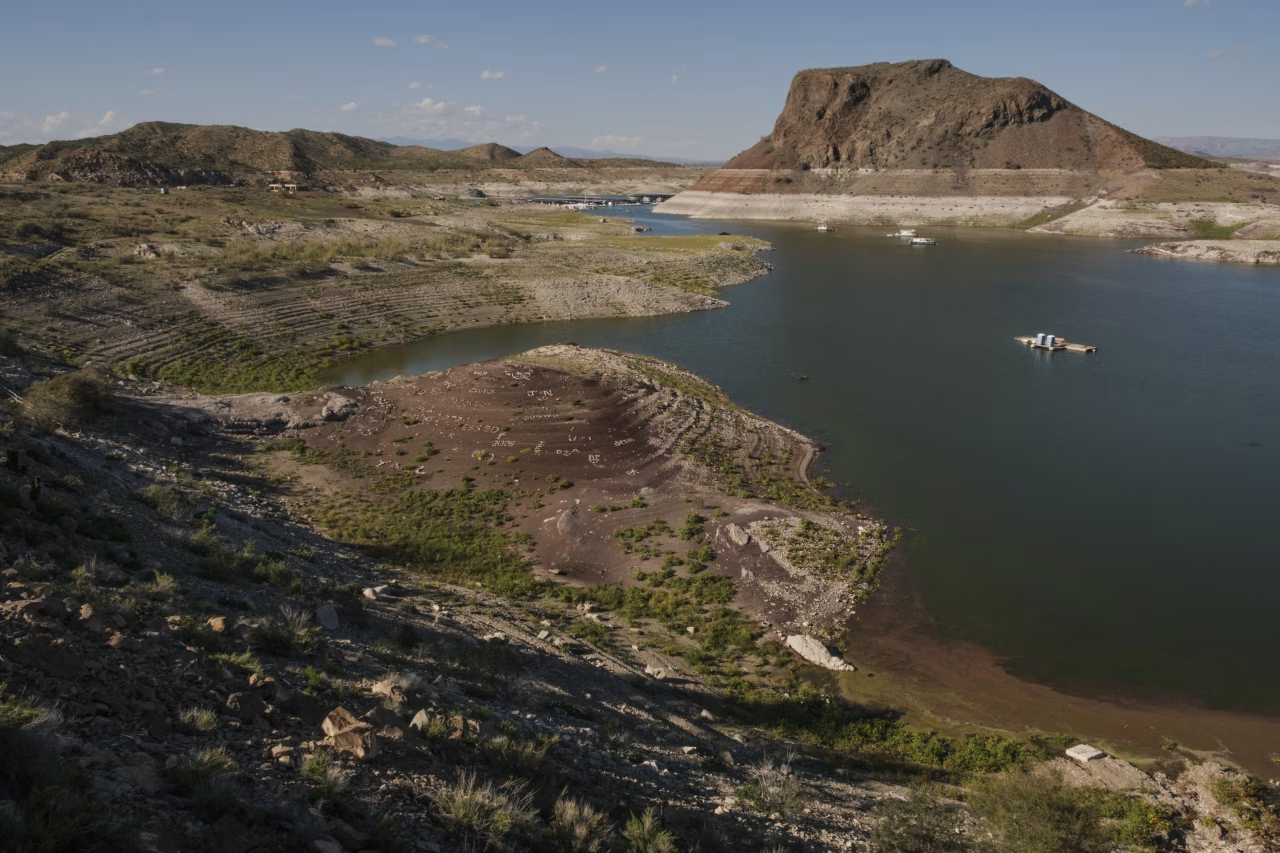
本月早些时候的大象岩水库。7月,水库水位已缩减至其原始蓄水量的1.4%。
Elephant Butte reservoir earlier this month. In July, the reservoir had shrunk to 1.4% of its original capacity.
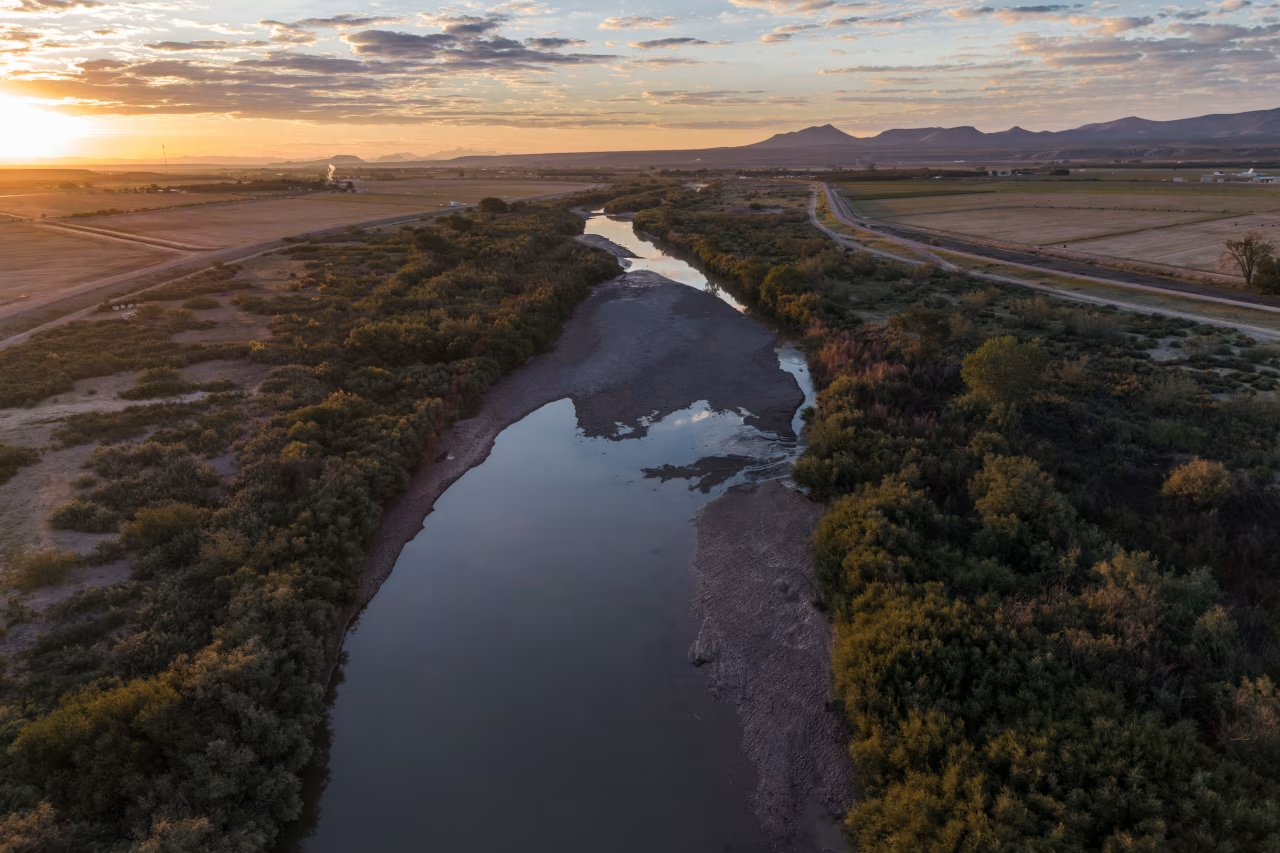
里奥格兰德河全长约1900英里(约3058公里),维系着农场、城镇和野生动物,是美国西南部大部分地区的生命线——而它正在干涸,专家称这是美国最严重的水资源危机之一。这导致大象岩水库以及科罗拉多州、新墨西哥州和得克萨斯州的其他水库水位下降,威胁到许多依赖该河流获取饮用水和灌溉用水的社区。
Spanning about 1,900 miles and sustaining farms, towns and wildlife, the Rio Grande is the lifeblood of much of the Southwest—and it is running dry, in what experts describe as one of America’s most severe water crises. This has depleted reservoirs at Elephant Butte and elsewhere in Colorado, New Mexico and Texas, imperiling the many communities that depend on the river for drinking water and irrigation.
里奥格兰德河因长达二十多年的干旱和一个世纪的大量取水而枯竭。研究人员估计,该河流失了约85%的自然径流量,一些专家表示,其濒危程度甚至超过科罗拉多河。
The Rio Grande has been sapped by more than two decades of drought and a century of heavy water use. Researchers estimate the river has lost roughly 85% of its natural flow, and some experts say it is more endangered than the Colorado River.
这种枯竭在近几年加速了。上里奥格兰德河流域的积雪量(有助于补充河流水量)在去年冬天降至接近历史最低水平,7月大象岩水库水位已缩减至其原始蓄水量的1.4%。到9月,阿尔伯克基境内的一段里奥格兰德河已变成布满灌木和杂草的干裂河床。
That depletion has accelerated in recent years. Snowpack in the Upper Rio Grande basin, which helps replenish the river, fell to near-record lows last winter, and in July Elephant Butte reservoir dwindled to 1.4% of its original capacity. By September, a stretch of the Rio Grande in Albuquerque had become a cracked riverbed dotted with shrubs and grass.
由于河流水量持续减少,许多农民被迫缩减农业生产规模,甚至完全停止了耕作。这一现象加剧了各州之间以及美国与墨西哥之间的紧张关系(两国之间原本存在水资源共享协议)。由于干旱似乎没有结束的迹象,一些环保专家警告称:大量农田可能会消失,许多城市也可能不得不限制用水量。
The shrinking river has pushed many farmers to scale back their agricultural production or shut it down. It has also inflamed tensions among states and between the U.S. and Mexico, which have a water-sharing agreement. With no end to the drought in sight, some environmental experts warn that many acres of farmland might disappear and cities may be forced to curb water use.
“死亡的危险已经悬在我们的头上,”加州大学戴维斯分校的水资源管理专家塞缪尔·桑多瓦尔·索利斯(Samuel Sandoval Solis)说:“虽然这个‘死亡之刃’尚未落下,但只是时间问题罢了。”
“The guillotine is on top of our heads,” said Samuel Sandoval Solis, a specialist in water-resources management at the University of California, Davis.
里奥格兰德河(Rio Grande)的水量下降对埃莱phant Butte镇及其周边的农田构成了生存威胁——这些农田的生存完全依赖于该河流的水资源。今年8月,埃莱phant Butte的政府官员宣布当地进入灾难状态,并请求州政府提供紧急援助资金。
“It hasn’t fallen, but it’s just a matter of time.”The Rio Grande’s decline poses an existential threat to the town of Elephant Butte and nearby farms, where life revolves around the reservoir. In August, Elephant Butte’s city leaders declared a local disaster and requested emergency state funding. Sierra County Commissioner Jim Paxon
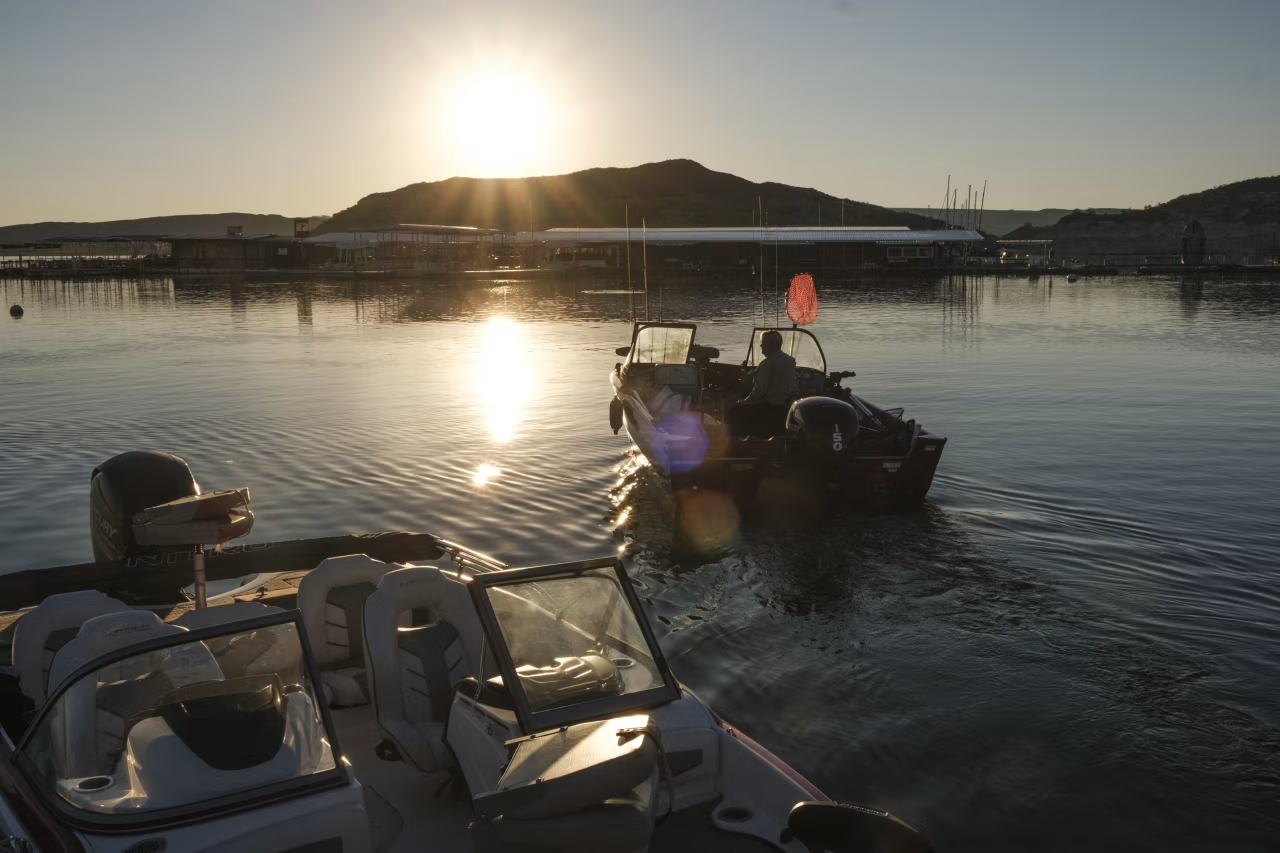
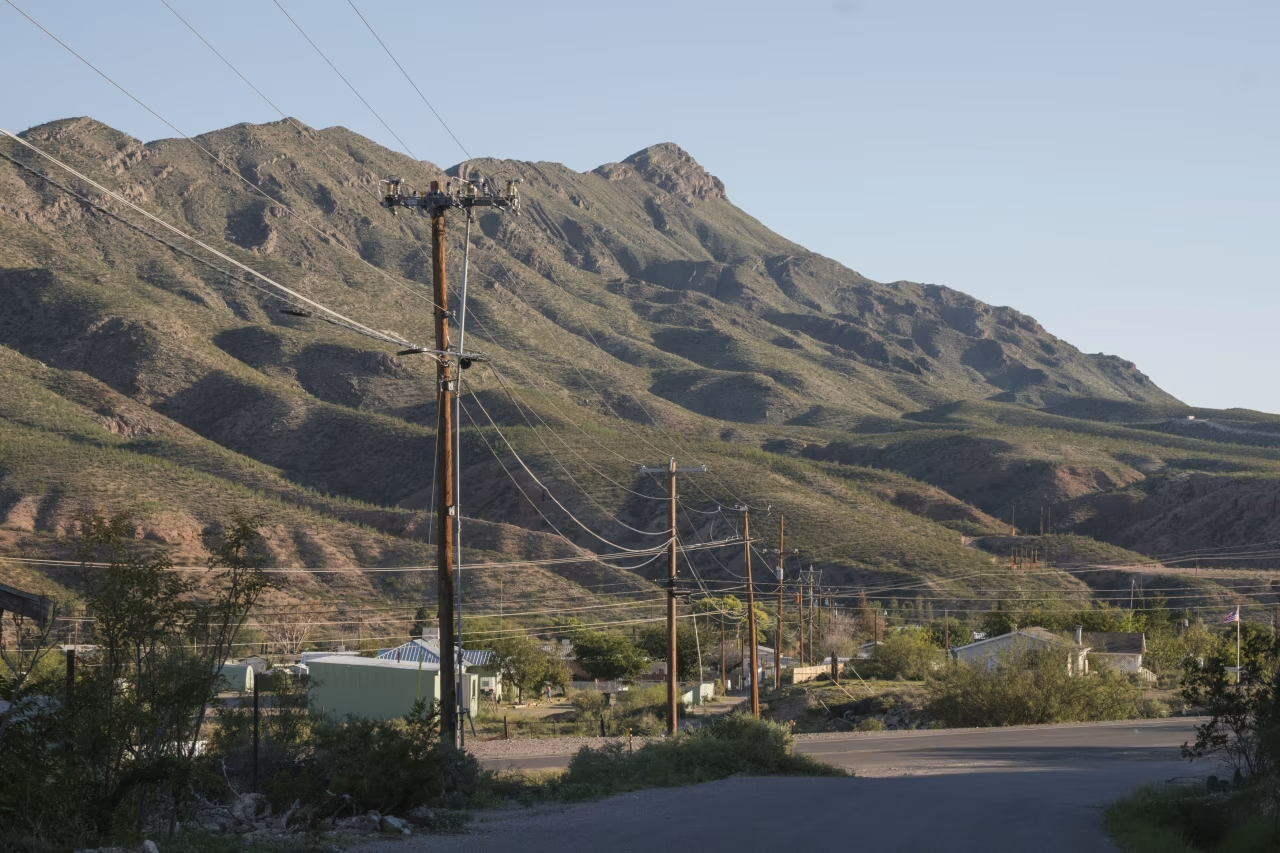
埃莱phant Butte镇的居民们深知:这个曾经以钓鱼和游泳为特色的度假胜地,如今正面临着严峻的生存危机。周围环绕着狂风肆虐的沙漠和高耸入云的山脉;当地人清楚地意识到:在这个严酷的环境中,一个繁华的城镇和郁郁葱葱的农田是如何诞生的——而这一切又可能多么迅速地消失殆尽。
Boats depart from a dock at the reservoir, which made Elephant Butte a vacation destination for fishing and swimming. Mountains tower over homes in Elephant Butte. Surrounded by the windswept desert and towering mountains, locals are keenly aware of how improbable it was that a bustling town and verdant fields arose in this unforgiving terrain—and how swiftly it all might disappear.
维多利亚·弗朗佐伊(Victoria Franzoy)是附近哈奇地区(Hatch area)的第四代农民,她担心自己可能是家族中最后一个从事辣椒种植的人。
Victoria Franzoy, a fourth-generation farmer in the nearby Hatch area, worries she might be the last of her family to farm chilies.
“如果干旱持续下去,”弗朗佐伊说,“这个小小的山谷将会被毁掉。”
“If this drought continues,” Franzoy said, “it will kill our little valley.”
20世纪初,弗朗佐伊的祖父从意大利移民到这里,开垦了这片沙漠土地,并种植了辣椒、洋葱和土豆。他们依靠里奥格兰德河的水源来灌溉这些作物。
Early in the 20th century, Franzoy’s great grandfather arrived from Italy, cleared the desert land and planted chilies, onions and potatoes, nurturing the plants with water from the Rio Grande.
小时候,弗兰佐伊常在河里玩漂流,或在潺潺的灌溉渠里和玩伴嬉水。几十年后,上个月一个酷热的下午,她开着皮卡来到一座桥上,俯瞰格兰德河干涸的沙质河床。一缕细流在下方蜿蜒而过。不远处,她的一些土地曾长满郁郁葱葱的辣椒,如今已变成裸露的泥地。
As a child, Franzoy often went tubing on the river or splashed with playmates in gurgling irrigation canals. Decades later, on a scorching afternoon last month, she maneuvered her pickup to a bridge overlooking the Rio Grande’s sandy riverbed. A rivulet of water wormed its way below. Nearby, some of her land, once brimming with rows of leafy chili crops, had become naked plots of dirt.
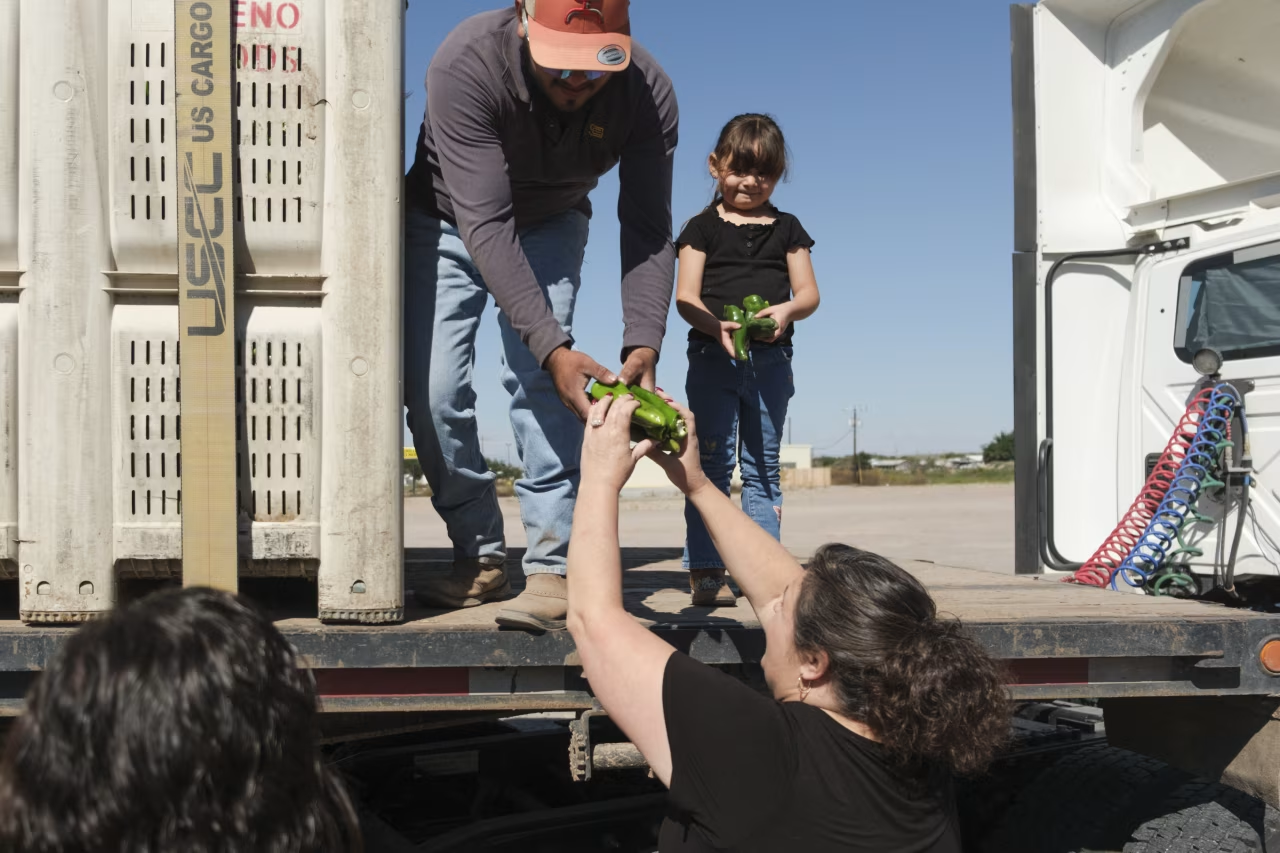
维多利亚·弗兰佐伊和孙女从一辆开往阿尔伯克基的卡车司机手中接过新鲜的青辣椒。
Victoria Franzoy and her granddaughter take fresh green chilies from a driver on a truck bound for Albuquerque.
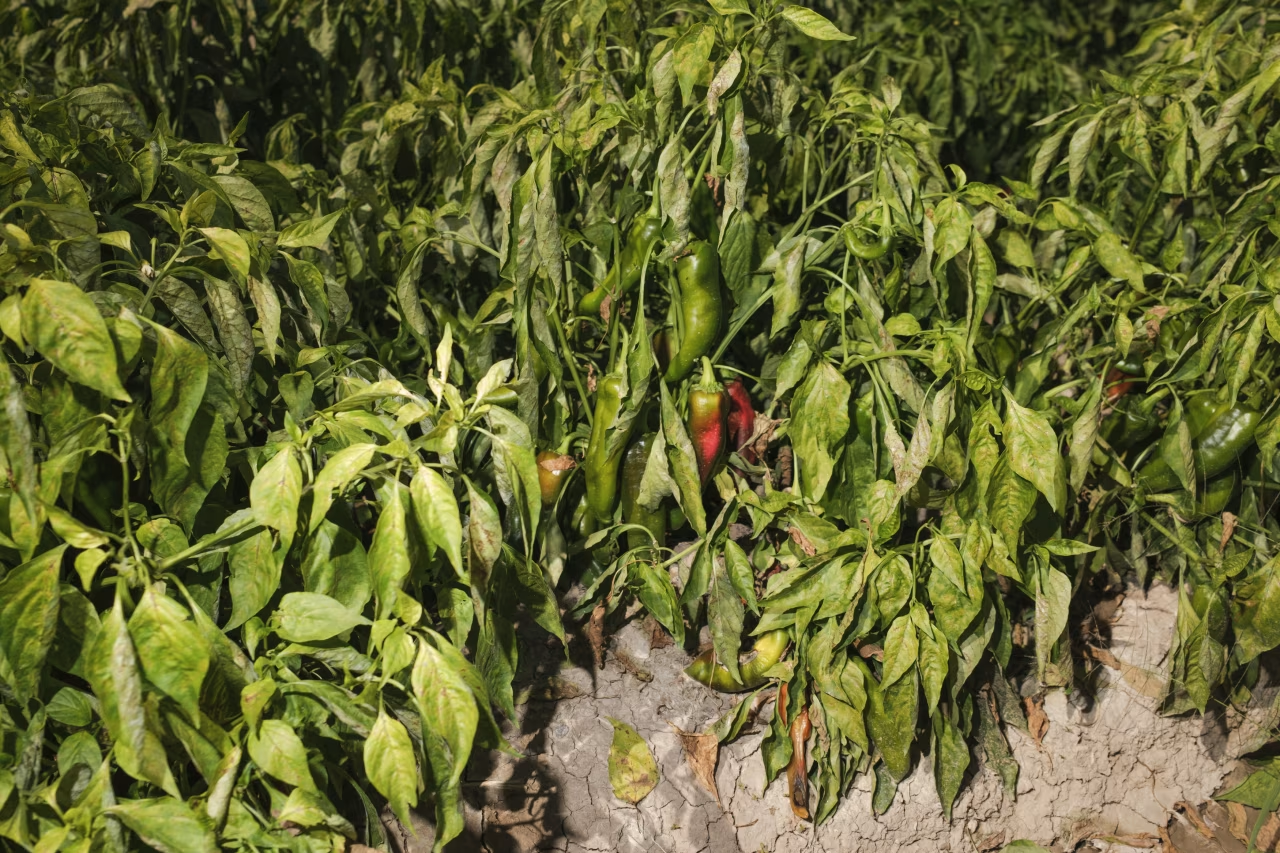
自弗兰佐伊的曾祖父在20世纪初开垦这片土地以来,这里便种植辣椒。弗兰佐伊的休耕田和干涸的灌溉渠。
Chilies have grown since Franzoy’s great grandfather cleared the land in the early 20th century. Franzoy’s fallow fields and a dry irrigation ditch.
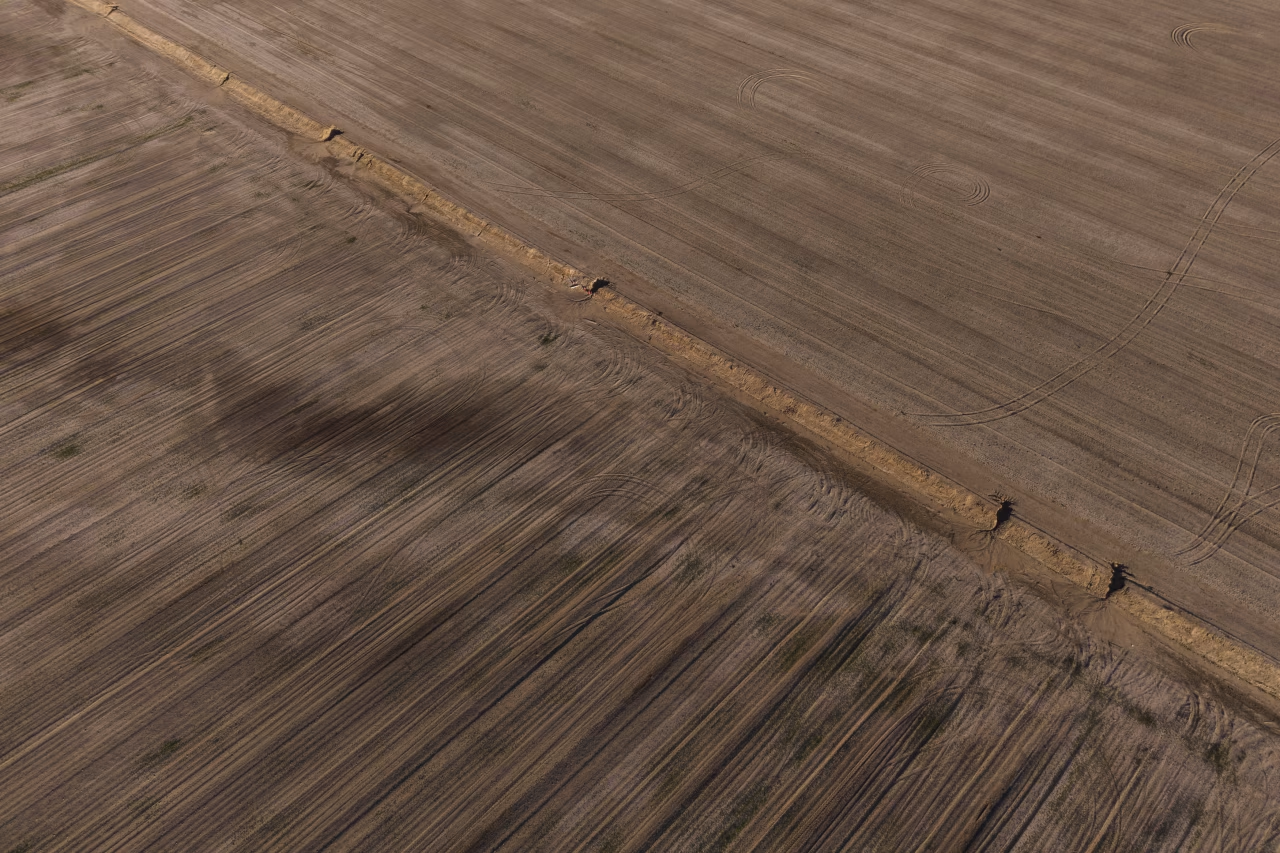
在一项州政府项目的资助下,弗兰佐伊将三分之一以上的土地变成了休耕田,该项目向减少用水量的农民提供补偿。“如果我们失去所有水源,山谷就会变成这个样子,”她说。
Franzoy has turned more than a third of her land into fallow fields under a state program that pays farmers to reduce their water consumption. “That’s what the valley’s going to look like if we lose all our water,” she said.
格兰德河以前也经历过干旱周期。在20世纪50年代一次特别严重的干旱期间,新墨西哥州和得克萨斯州的许多农民钻井,以补充河水灌溉。
The Rio Grande has cycled through periods of drought before. During a particularly severe one in the 1950s, many farmers in New Mexico and Texas drilled wells to supplement their river water.
但一些专家表示,持续了二十多年、并因气温升高而加剧的当前特大干旱,是美国西南部向更干燥条件长期转变的一部分。虽然偶尔的暴风雨会引发山洪暴发(如9月下旬发生的情况),但研究人员表示,根本性的干旱仍在持续。
But some experts say the current megadrought, which has lasted more than two decades and is intensified by rising temperatures, is part of a long-term shift toward drier conditions in the Southwest. While occasional heavy storms cause flash flooding, as occurred in late September, researchers say the underlying drought still continues.
即使水供应在萎缩,人类需求依然存在;专家称,人类用水中超过50%是不可持续的,意味着人们消耗河流、地下含水层和水库的速度快于它们的补给速度。
Even as the water supply has contracted, human demand has persisted; experts say more than 50% of human water use is unsustainable, meaning people are depleting the river, underground aquifers and reservoirs faster than they can be replenished.
在美国西部严酷的环境中,关于水的选择植根于政治:谁优先?什么是公平?谁配得上?
In the harsh environment of the American West, choices about water are rooted in politics: Who comes first? What is fair? Who is deserving?
一个多世纪以来,一套由法律、条约和灌溉系统拼凑而成的体系应运而生,旨在解决这些问题,分配这宝贵的水资源,并规定必须向下游输送多少水。但随着河流萎缩,对剩余水资源的争夺愈发激烈。
Over a century, a patchwork of laws, treaties and irrigation systems sprang up to address those questions, allocating the prized water and governing how much must be passed downstream. But as the river shrinks, competition over what remains has intensified.
13年来,新墨西哥州和得克萨斯州因水权问题在法庭上对簿公堂,得克萨斯州指责新墨西哥州的农民过度抽取地下水,导致下游供水减少。5月,最高法院批准了一项和解协议,要求新墨西哥州在未来十年内削减地下水使用量。在更下游,得克萨斯州南部的农民指责墨西哥囤积水资源,不履行两国间1944年签署的水资源共享条约规定的义务。
For 13 years, New Mexico and Texas battled in courts over water rights, with Texas blaming New Mexican farmers for pumping too much groundwater and reducing downstream deliveries. In May, the Supreme Court approved a settlement requiring New Mexico to trim groundwater use over the next decade. Farther downstream, farmers in South Texas accuse Mexico of hoarding water and shirking the obligations of a 1944 water-sharing treaty between the two countries.
水资源短缺迫使河沿岸社区不得不做出艰难决定,削减用水。得克萨斯州南部的甘蔗农户已关停业务。新墨西哥州的洋葱和辣椒种植者让大片土地休耕。从阿尔伯克基到得克萨斯州拉雷多的社区都在为寻找替代饮用水源而发愁。
The paucity of water has pressured communities along the river to make painful decisions about where to cut back their water usage. Sugar-cane farmers in South Texas have closed their operations. Onion and chili growers in New Mexico have let swaths of land lie fallow. And communities from Albuquerque to Laredo, Texas, have grappled with where to find alternate sources of drinking water.
在大象岩镇,人口仅1400余人,官员和居民担心水库水位下降预示着他们的生活方式将走向终结。这个小镇因1916年建成的水库而兴起,成为垂钓、游泳和划船的旅游胜地。许多商家至今仍依赖游客,但水库萎缩让许多游客望而却步。
In Elephant Butte, population just over 1,400, officials and residents fear the dwindling reservoir spells doom for their way of life. The town grew up around the reservoir, created in 1916, as a destination for fishing, swimming and boating. Many businesses still depend on tourists, but the shrinking reservoir has turned many away.
据市长理查德·霍尔科姆称,劳动节周末期间,该镇客流量与去年同期相比大幅下滑。从洛杉矶搬到大象岩镇、经营一家皮划艇装备店的拉斯和埃德娜·特雷格表示,今夏营收较前几年平均销售额下降了63%。“这里会变成鬼城,”拉斯说。拉斯·特雷格在他经营的皮划艇装备店里。
During Labor Day weekend, the town’s foot traffic plummeted compared with the year before, according to Mayor Richard Holcomb. Russ and Edna Trager, who moved to Elephant Butte from Los Angeles and own a kayak-outfitting shop, said that over the summer, revenue dropped 63% compared with average sales from several prior years. “This place is going to turn into a ghost town,” Russ said. Russ Trager at his kayak-outfitting shop.

社区在如何解决水资源短缺危机的问题上意见分歧。居民称农民为灌溉消耗了过多水资源,而农民则指责城镇和城市人口增长不可持续。多位专家表示,该地区各社区,尤其是农民,需要大幅削减用水量。
The community is divided on how to resolve the water-scarcity crisis. Residents say farmers are consuming too much water for irrigation, while farmers accuse towns and cities of unsustainable population growth. Several experts say communities throughout the region, particularly farmers, need to drastically reduce their water use.
弗兰佐伊和其他农民表示,他们唯一的办法就是祈求降雨。9月,弗兰佐伊分享了暴雨过境后河流的照片。
Franzoy and other farmers say their only recourse is to pray for rain. In September, Franzoy shared photos of the river after a torrential overnight downpour.
片刻间,河流似乎恢复了往昔的模样,水波荡漾,从岸边漫至岸边。一道彩虹横跨头顶。但几天后,在持续暴晒和干裂的土地中,河床再次干涸。弗兰佐伊农场附近的格兰德河。美国国家航空航天局提供的额外图片。
For a moment, the river appeared restored to its former state, the water rippling from bank to bank. A rainbow arced overhead. But days later, amid unrelenting sun and parched soil, the riverbed was dry again. The Rio Grande near Franzoy’s farm. Additional images from National Aeronautics and Space Administration.