编者按:“Global Perspectives”是一系列现场直播活动,由 CNN 主办,旨在汇聚国际领袖、企业高管、创业者及创新者,共同探讨贸易、金融、科技、奢侈品产业以及可持续发展等领域中的全球领导力变革。下一次活动将于 10 月 29 日在卡塔尔多哈举行。
EDITOR’S NOTE: Global Perspectives is a live event series in which CNN brings together international leaders, top executives, entrepreneurs, and innovators for a day of compelling discussions on redefining global leadership across trade, finance, tech, luxury, culture and sustainability. This next event will be held Oct. 29, in Doha, Qatar.
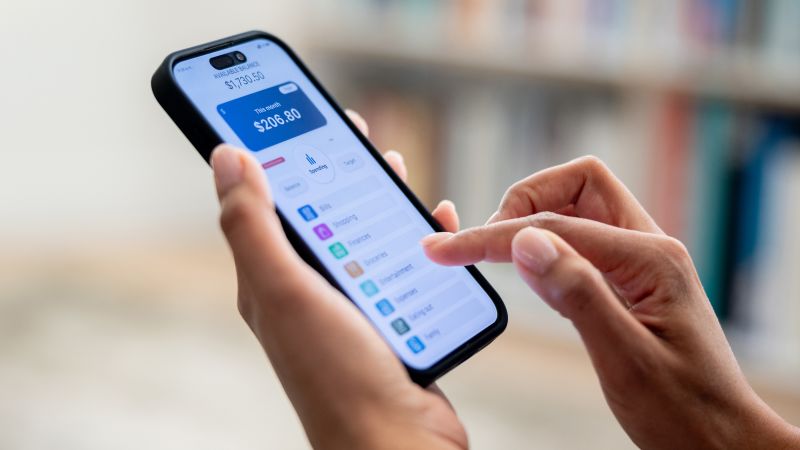
数字支付正在改变我们的购物方式、餐饮习惯以及日常生活的方方面面。
Digital payments are already altering the way we shop, dine and go about our daily business.
Z 世代被证明是新技术应用的积极采纳者。根据 2025 年的一份报告,美国有高达 91% 的 Z 世代用户使用苹果支付(Apple Pay)、谷歌支付(Google Pay)、Venmo 或 PayPal 等智能手机支付应用。
Gen Z is proving to be an eager adopter of new payment technologies. A 2025 report found that up to 91% of zoomers in the US use smartphone apps like Apple Pay, Google Pay, Venmo or PayPal.
Z 世代占全球劳动力的 27%,他们的数字化消费习惯已经对企业的运营方式产生了深远影响。
Gen Z comprises 27% of the global workforce — and their digital habits are already influencing the way businesses operate.
“这一趋势标志着向数字支付方式转变的开始,而随着 Z 世代在商业决策中扮演越来越重要的角色,这一趋势只会加速发展,”金融科技公司 Billtrust 的报告指出。虽然 Z 世代及其他消费者可能认为他们不再需要传统银行,但银行们仍在积极利用这场数字支付革命带来的机遇:许多银行与金融科技巨头合作以保持竞争力,另一些银行则持续推动自身的数字化转型。
“This trend signals a permanent shift toward digital payment methods that will only accelerate as Gen Z assumes more decision-making roles in business,” said the report by Billtrust, a fintech company that has studied usage trends over the last decade. As much as Gen Z and other consumers may think they don’t need traditional banks anymore, banks are capitalizing heavily on the digital payment revolution. Many are partnering with fintech giants to stay relevant; other banks continue to evolve.
“在许多消费者纷纷拥抱数字银行服务的背景下,一些银行正在重新定义自身的业务模式,而非急于关闭传统分支机构,”Bankrate 的银行业分析师凯伦·贝内特(Karen Bennett)说道。
“In a time when many consumers are embracing digital banking, some banks are redefining their branches, rather than being in a hurry to close them,” said Karen Bennett, a banking analyst with Bankrate.
事实上,贝内特表示,这家美国银行的分支机构网络已经连续三个季度实现了净增长,这是自2009年以来首次出现这样的情况;也就是说,在这段时间里,该银行新增了120家分支机构。她指出,传统银行正在通过保留线下分支机构并改进其数字应用程序来满足不同年龄段消费者的各种需求。
In fact, Bennett said, the US bank branch network has now “posted three consecutive quarters of net growth, which is the first stretch like that since 2009,” meaning they have added a net gain of 120 branches during that time. Traditional banks, she said, are catering to all needs, across generations, “by keeping branches around and also enhancing their digital apps.”

贝内特说:“如今,消费者在办理存款、转账、查询余额等常规银行业务时,更倾向于使用手机应用程序。因此,银行的分支机构正在重新定位,专注于那些仍需要人工服务的业务,比如抵押贷款办理、重大财务决策的咨询、首次储蓄账户的开立,以及处理账户欺诈问题等。”
“Consumers are now more likely to turn to apps than branches for routine banking tasks like deposits, transfers and balance checks,” Bennett said. “In turn, branches are often being repositioned around the transactions or conversations that still benefit from human contact.”That includes things like mortgages, advice on big financial decisions, opening a first savings account, and working through fraud issues on an account.
万事达卡负责推动数字支付创新的高管高兰·沙阿(Gaurang Shah)指出,有两个重要因素正在推动银行业创新,尤其是在中东地区。
Two big shifts are driving innovation, especially in the Middle East, said Gaurang Shah, an executive vice president of Mastercard who is focused on expanding and driving digital payment innovations and strategies.
“数字支付创新正处于高速发展阶段,”沙阿说,“尤其是在疫情之后,消费者的需求和期望大幅上升。他们希望获得无缝的、基于数字技术的服务,并且对这些服务有高度的信任。”沙阿在今年早些时候举行的卡塔尔网络峰会上发表了上述观点。该峰会吸引了来自120多个国家的3万多人参加,其中包括科技领袖、创新者和投资者,共同探讨中东地区的数字生态系统。
“Digital payment innovation is at its frenzy,” he said, “and the consumer demands and expectation has gone off the roof, especially after the pandemic. So, the consumer wants or expects a seamless digital first journey with embedded payments that they can trust inherently.”Shah made his comments earlier this year at the Web Summit Qatar that brought together more than 30,000 people from over 120 countries, including tech leaders, innovators and investors to discuss the Middle East’s digital ecosystem.
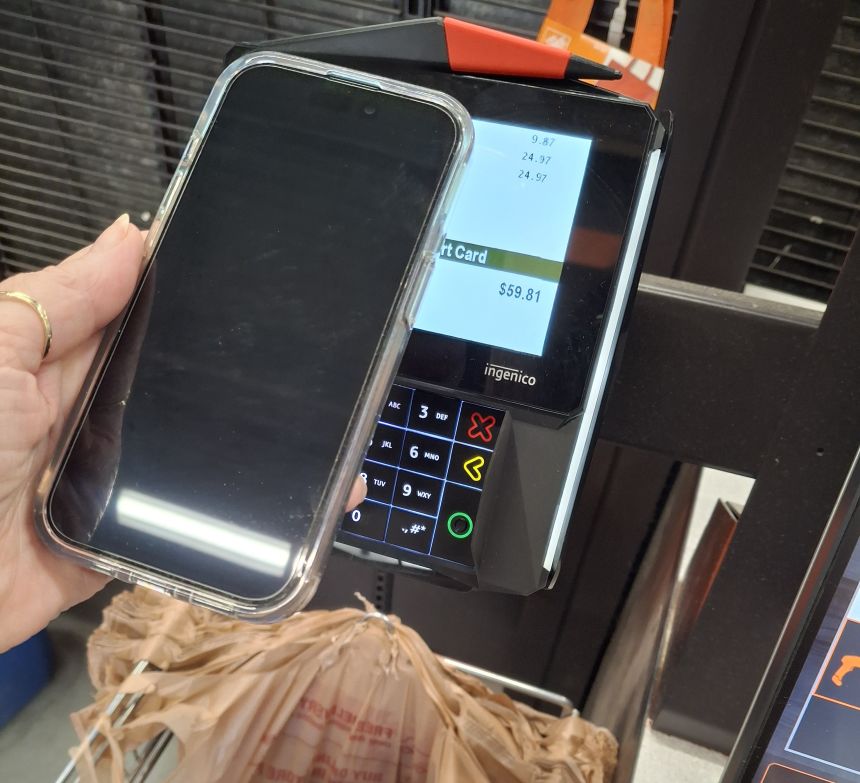
沙阿预测,到2030年,消费者可以去他们最常去的咖啡店——无需亲自下单,只需通过生物识别技术进行身份验证即可完成交易。“这就是我们即将进入的未来世界,”他说。
Shah predicted that by 2030, consumers would be able to go to their favorite coffee shop — and instead of placing their order, their eyes and face would get scanned through biometrics authentication. “That’s the world we are going to be moving into,” he said.
数字银行业的发展速度在中东和亚洲地区尤为明显。金融机构们正在思考这样的问题:为什么不能让每一部手机都成为一种用于商业交易的工具?还能采取哪些措施来帮助商家通过数字交易提高销售额?又该如何通过优化结账流程(哪怕只是节省几秒钟的时间),来提升客户体验呢?
The pace of change in digital banking is evident around the Mideast and Asia where financial institutions are asking questions like: Why can’t every phone be a commerce device? What more can be done to help vendors to improve sales through digital transactions? And how can we improve the customer experience by shaving off a few more seconds at checkout?
在同一场卡塔尔会议上,Tap Payments公司的联合创始人兼首席执行官阿里·阿布勒哈桑(Ali Abulhasan)表示,他的公司已经在海湾合作委员会(GCC)地区每年处理约2000亿美元的数字交易额。他预测:“在未来五年内,这一数字至少会翻一番,达到4000亿美元以上。”这种变革几乎无处不在——餐馆里随处可见二维码,商家和零售店也都普遍支持非接触式支付方式。
At the same Qatar conference, Ali Abulhasan, the co-founder and CEO of Tap Payments, said his contactless payment company is already processing about $200 billion in digital transactions a year in the wider Gulf Cooperation Council (GCC) region. “We believe in the next five years,” he said, “that’s going to be at least doubling to reach over $400 billion.”The change is seemingly everywhere in urban areas: QR codes at restaurants, tap payments at vendors and retail stores alike.
卡塔尔Ahli银行的资深企业银行业务经理贾西姆·阿尔萨尼(Jassim Althani)指出,中东和亚洲许多国家之所以比西方国家更快地适应数字化金融技术,其中一个重要原因在于:这些国家认为数字化金融是推动经济发展的关键因素。
Jassim Althani, a senior corporate banking relationship manager with Ahli Bank Qatar, said one of the big reasons why many Mideast and Asian countries are adapting quicker than the West is that digital finance is seen as key to growing their economies.

“在海湾地区,我们有严格的监管,但也有灵活性来支持创新,”Althani 在接受 CNN 采访时说。“在欧洲的部分地区,监管的复杂性和更高的成本会使变革更加困难。但这也取决于便利性——当某件事让人们的日常生活更轻松时,人们会迅速采纳。”
“In the Gulf, we have strong regulation, but there’s also flexibility to support innovation,” Althani told CNN. “In parts of Europe, regulatory complexity and higher costs can make change more difficult. But it also comes down to convenience — people adopt something quickly when it makes their daily lives easier.”
他指出,底线是消费者越来越希望一切直接在手机上完成。“挑战在于,”他说,“在不牺牲安全或客户支持的前提下,让一切变得简单。”
And the bottom line, he said, is consumers increasingly want everything done directly on their phones. “The challenge,” he said, “is making everything simple without compromising security or customer support.”
新冠疫情加速了放弃现金、转向数字支付的速度和接受度——已经达到“人们对随时随地进行操作感到舒适”的程度。
The Covid-19 pandemic accelerated the pace and acceptance of ditching cash for digital payments — to the point where “people are comfortable with doing things on the go.”
“在五年后,我预计更多日常金融服务将通过手机完成,跨境转账更快,支付更便捷,”他表示。“现金仍会存在,但我们对它的依赖会减少。”他说,如今人们可能更少去银行网点,但银行在我们的工资、支付、储蓄和融资方面仍比以往任何时候都更为重要。
“In five years, I expect more everyday financial services to happen through our phones, with faster transfers and easier payments across borders,” he said. “Cash will still be around, but we’ll rely on it less.”People might visit bank branches less frequently these days, he said, but banks remain more relevant than ever, for our salaries, payments, savings and financing.
“即使有人通过[数字]钱包付款,背后往往也有银行在支持这笔交易,”Althani 说。“银行业正变得不那么显眼,但它仍是我们日常生活的核心。”
“Even when someone pays through a [digital] wallet, there’s often a bank supporting the transaction behind the scenes,” Althani said. “Banking is becoming less visible, but it’s still central to our daily lives.”