议员们表示,在澳大利亚首部允许这一非同寻常做法的法律通过后,他们希望自己的遗体能变成“人体堆肥”。
MPs say they want their own bodies turned into "human compost" after Australian-first laws were passed allowing the unusual practice.
周三通过的这部法律,为遗体处理提供了除土葬和火葬之外的第三种合法选择。
The laws, passed on Wednesday, provide a third legal option other than burial and cremation for the treatment of bodies.
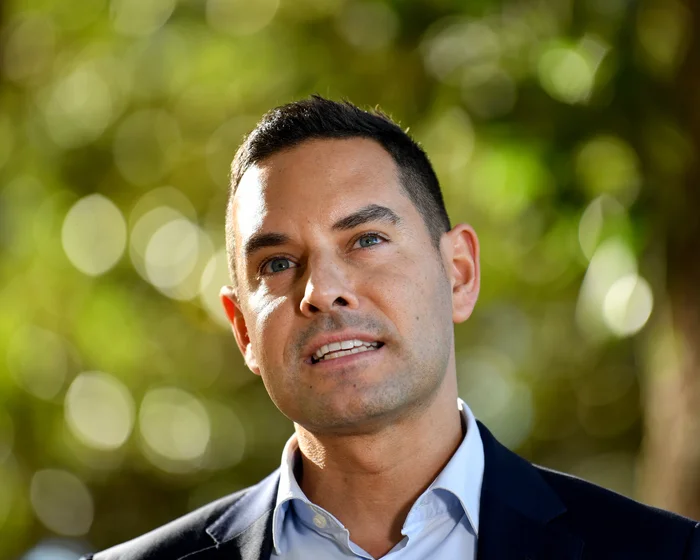
这项私人议员法案由悉尼独立议员亚历克斯·格林威治提出,他曾前往德国和美国考察这一做法,这两个国家的部分地区均允许该做法。
The private member's bill was introduced by independent Sydney MP Alex Greenwich, who travelled to Germany and the US to research the practice, which is allowed in some parts of both countries.
这种被称为“自然有机还原”、“土葬还原”或“人体堆肥”的做法,是将遗体放入一个温控容器中,并加入苜蓿、稻草或覆盖物等有机物质。
The practice, known as natural organic reduction, terramation or human composting, involves placing the body in a temperature-controlled vessel with organic matter such as alfalfa, straw or mulch.
容器密封后会被翻转或摇晃以循环空气。加入的有机物与空气发生反应,滋养遗体天然存在的微生物,从而使遗体迅速分解。
Once inside, the vessel is turned or rocked to circulate air. The introduced matter reacts with the air and feeds the body's naturally occurring microbes to rapidly decompose the body.
这一过程会产生热量,约30天后将遗体转化为土壤。再静置约30天后,容器内将产生约110公斤“干燥、肥沃且无病原体的富饶土壤”,格林威治今年早些时候在立法议会中如此表示。
The process creates heat that, after about 30 days, transforms the body into soil. When rested for about 30 days more, the vessel contains about 110kg of "dry, rich soil that is fertile and free of pathogens", Greenwich told the legislative assembly earlier this year.
周三在立法委员会上,自由意志党议员约翰·拉迪克表示,他支持绿党议员阿曼达·科恩博士对该法案的支持发言:他认为自己很可能会选择土葬还原,而非墓地安葬或火葬。
In the legislative council on Wednesday, John Ruddick, a Libertarian MP, said he backed what Greens MP Dr Amanda Cohn said in supporting the bill: he thought it was likely he would choose terramation over a burial plot or cremation. "Terramation will be voluntary.
“土葬还原是自愿的,是一种选择。许多人可能不会选择它……我非常确定我会在遗嘱中写明我希望进行土葬还原,”拉迪克说。
It is a choice. A lot of people may not choose it … I am pretty sure that I will put in my will that I wish to be terramated," Ruddick said.
“我喜欢葬在某个地方,然后那里长出一棵大桉树生长一百年的想法。
"I like the idea of being buried somewhere and having a nice big gum tree grow there for 100 years.
“火葬或土葬的想法一直让我感到恐惧。这是一个好得多的选择。”工党议员卡梅伦·墨菲也表示:“期待在遥远的未来,这项服务成为法律后,我能够使用它。”
"The idea of being cremated or buried has always freaked me out. This is a much better option." The Labor MP Cameron Murphy also said: "I look forward to being able to utilise this service in the long-distant future after it becomes law".
自由党议员苏珊·卡特敦促政府在实施该法案时,考虑如何确保对逝者的尊重。“土葬化不应仅仅变成一个堆肥箱,”她说。
Liberal MP Susan Carter urged the government to consider when it implemented the bill how to ensure the dead were respected. "Terramation should not simply become a human compost bin," she said.
“就像我们对待死亡的许多其他方式一样,它应当帮助生者哀悼,而对逝者在生前所表达的尊重也应延续至死后。
"Like all the many ways in which we approach death, it should help those who remain to mourn, and the respect shown to that person in life should continue into death.
“这对逝者本人、对他们的家庭,以及对我们整个社会前行的方式都至关重要。” 动物正义党议员艾玛·赫斯特周三在议会表示,她提交立法委员会的这项法案显示,土葬化具有显著的环境效益。
"It is important for that person, for their family, and for the whole way in which we go forward as a society." Emma Hurst MP, the Animal Justice MP who introduced the bill into the legislative council, told parliament on Wednesday that terramation had significant environmental benefits.
她说,这可以避免占用大面积墓地,且能做到完全碳中和;相比之下,火葬能耗高,并会释放大量温室气体。
She said it could avoid the need for large burial plots and can be wholly carbon neutral, compared with cremation, which she said was energy intensive and released substantial greenhouse gas emissions.
“土葬化提供了种植树木、植物等生命体以纪念逝者的可能性,”赫斯特说。
"Terramation provides possibilities to grow living things, like trees and plants, in honour of a life," Hurst said.
“因为土葬化是一个缓慢的过程,其中有多个举行仪式的机会,包括将遗体安放入容器,以及遗体土葬化完成后打开容器。
"Because terramation is a slow process, there are multiple opportunities for ceremonies, including for the laying of the body in the vessel and for opening the vessel after a body has been terramated.
“海外设施允许家属在土葬化过程中探视。这是一个自然且温和的过程,对某些人而言,有助于缓解悲伤。” 周三通过的法案给予新州政府18个月时间制定法规来规范这一做法,并将其限定在专门设施内进行。
"Facilities overseas have allowed families to visit during the terramation process. It is a natural and gentle process that, for some, can help with grieving." The bill passed on Wednesday gives the NSW government 18 months to create regulations to control the practice, which would be limited to specialised facilities.