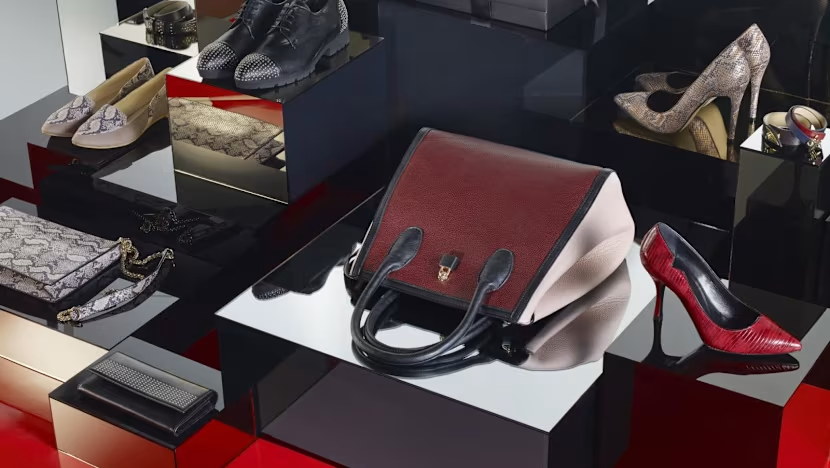
布达佩斯:欧洲奢侈时尚被公认为西方最强有力的软实力机制之一。从显要领袖在国宴上以高级时装展现外交手腕,到在中国长城和韩国景福宫举办的时装秀,欧洲奢侈品牌投射出一种经典传承与无可匹敌的尊贵形象。
BUDAPEST: Europe’s luxury fashion is recognised as one of the West’s most potent mechanisms of soft power. From state banquets where prominent leaders brandish high fashion as diplomatic statecraft to runway shows at the Great Wall of China and Gyeongbokgung Palace, European luxury houses project an image of timeless heritage and unmatched prestige.
这种投射甚至出现在反西方的朝鲜:朝鲜领导人金正恩的女儿金主爱在官方媒体画面中,身穿一件价值1900美元的Christian Dior(克里斯汀·迪奥)夹克,在洲际弹道导弹前漫步。
This projection even surfaces in anti-Western North Korea when Kim Ju Ae, daughter of leader Kim Jong Un, appeared in state media wearing a US$1,900 Christian Dior jacket while strolling in front of an intercontinental ballistic missile.
然而,在文化统治力的表象之下,供应链清算正在浮现。强制性的环境、社会和治理规则正在被执行,法院调查正在揭露大规模外包,导致欧洲品牌声望与全球制造现实之间的差距不断扩大。
Yet beneath the cultural dominance, a supply chain reckoning is emerging. Mandatory environmental, social and governance rules are being enforced, while court investigations are exposing extensive outsourcing, resulting in a widening gap between European brand prestige and global manufacturing realities.
这种张力源于规定原产地标识的国际贸易法规。根据《欧盟海关法典》第60条第2款,如果产品的“最后实质性加工”发生在某国境内,该产品即合法获得“原产于(国别)”标签资格。
This tension stems from international trade regulations that dictate origin labelling. Under Article 60(2) of the European Union Customs Code, a product legally qualifies for a “Made in (Country)” origin label if its “last substantial transformation” occurs within that country’s borders.
这些非优惠原产地规则允许品牌在亚洲进行主要制造,仅在欧洲完成极少量的最终工序——如安装拉链或缝制商标。
These non-preferential origin rules allow brands to carry out primary manufacturing in Asia while performing minimal final operations – such as attaching a zipper or sewing a logo – within Europe.
这被称为“原产地”漏洞,因为法规不审查实际在当地完成了多少工作量。合规监管主要停留在行政层面,因为各国海关当局主要依赖品牌的自我声明,而非开展实地的三级供应链审计。
This is known as the “made in” loophole because the regulation does not check how much work was actually done there. Compliance oversight is largely administrative because national customs authorities rely primarily on self-declaration by brands rather than conducting physical tier-3 supply chain audits.
监管漏洞依然存在 这一监管框架使欧洲奢侈品集团能够维持国内传承叙事,同时优化全球供应链成本。尽管意大利的雷古佐尼-范思哲法等立法尝试旨在将“意大利制造”标签限制在至少完成两道主要制造工序的国内产品上,但漏洞依然存在。
GAPS REMAIN This regulatory framework enables European luxury conglomerates to maintain domestic heritage narratives while optimising global supply chain costs. While legislative attempts such as the Reguzzoni-Versace Law in Italy sought to restrict the label to products that fulfilled at least two primary manufacturing stages domestically, gaps remain.
近期的司法程序将这种亚欧分工动态置于严格的法律审视之下。2024年,米兰公共检察官办公室在伦巴第大区和托斯卡纳大区发现了为迪奥、阿玛尼等主要奢侈品牌供货的非法分包商网络。
Recent judicial proceedings have brought these Asia-Europe division-of-labour dynamics into sharp legal scrutiny. In 2024, the Milan Public Prosecutor’s Office uncovered illegal subcontractor networks in Lombardy and Tuscany supplying major luxury houses including Dior and Armani.
意大利法庭文件披露,中资工厂作为平行组装中心运作,生产成本不足100欧元(约合110美元)的手袋,在精品店以数千欧元的价格零售。
Italian court documents revealed Chinese-owned facilities operating as parallel assembly hubs where bags produced for less than €100 (US$110) were retailed in boutiques for thousands of euros.
普拉托等工业中心存在类似动态,中国移民工人网络在艰苦条件下从事复杂组装工作。虽然这些司法行动针对的是具体的分包商剥削案例,而非整个奢侈时尚产业,但它们暴露了二级和三级供应商网络中系统性的监管风险。
Similar dynamics exist in industrial centres like Prato where networks of Chinese migrant workers perform complex assembly under gruelling conditions. While these court actions target specific instances of subcontractor exploitation instead of the entire luxury fashion industry, they expose systemic oversight risks across tier-2 and tier-3 supplier networks.
与此同时,非欧洲制造仅提供廉价、低技能装配线的说法,正受到亚洲区域专业化分工的挑战。现代欧洲奢侈品生产经常依赖分布在亚洲地区的先进工业和手工艺能力。
At the same time, the narrative that non-European manufacturing offers cheap, low-skill assembly lines is being challenged by regional specialisation across Asia. Modern European luxury production frequently relies on advanced industrial and artisanal capabilities distributed across the Asian region.
中国能够提供高吞吐量技术基础设施和专业材料加工。在东南亚,越南和印尼的工厂提供用于珠宝的水牛角雕刻以及区域传统纺织专长。在南亚,印度孟买的Chanakya International等工作室为迪奥、芬迪、兰芳、华伦天奴等主要欧洲高级定制品牌提供手工刺绣礼服和时装秀挂毯。
China is capable of providing high-throughput technical infrastructure and specialised material processing. In Southeast Asia, facilities in Vietnam and Indonesia offer buffalo horn carving for jewellery alongside regional heritage textile expertise. In South Asia, Indian ateliers such as Chanakya International in Mumbai provide hand-embroidered dresses and runway tapestries for major European couture houses including Dior, Fendi, Lanvin and Valentino.
标志疲劳(Logo Fatigue)这些技术层面的现实因素并不一定会削弱欧洲品牌的声誉;象征性影响力及市场主导地位仍然主要集中在西方的时尚中心。
LOGO FATIGUE These technical realities do not necessarily erode European brand prestige.
然而,供应链透明度的不断提高正在改变消费者的态度和偏好,尤其是在东亚和东南亚地区。越来越多的精明、懂技术的消费者开始对那些过度依赖品牌标志的奢侈品产生反感,并不再认为西方是奢侈品的唯一来源。
Symbolic power and marketing dominance remain heavily concentrated in Western fashion capitals. However, the growing supply chain transparency is changing consumer attitude and preferences, particularly across East and Southeast Asia.
在中国,“国潮”(guochao)运动的兴起推动了本土奢侈品牌的崛起——这些品牌不仅拥有与西方品牌相当的高质量工艺,还体现了中国的文化特色。根据《Bluebell Asia Consumer Lifestyle Report 2025》等市场调查报告,年轻消费者越来越愿意用那些注重本土工艺和消费者需求的地区性设计师品牌来替代或补充欧洲传统奢侈品牌。
A rising segment of discerning, tech-savvy consumers is experiencing logo fatigue and rejecting the assumption that the West is the only source of true luxury. In China, the guochao movement (“national tide”) has elevated domestic luxury labels that offer comparable craftsmanship with Western brands while reflecting local identity.
欧洲奢侈时尚的“软实力”从根本上取决于其文化叙事与实际运营诚信之间的匹配程度。欧盟正在逐步推行《企业可持续发展尽职调查指令》(CS3D)等新法规,旨在强制要求品牌实现供应链的可追溯性,从而缩小品牌宣传与实际生产条件之间的差距。
Market surveys across key Asian hubs, such as the Bluebell Asia Consumer Lifestyle Report 2025, indicate an increasing willingness among younger demographics to complement or substitute European heritage brands with regional designers that give prominence to local craftsmanship and responsiveness. European luxury fashion’s soft power is fundamentally contingent on the alignment between its cultural narrative and operational integrity.
为弥补这一差距,布鲁塞尔的欧洲决策者及各国贸易部门必须通过加强供应链监管来保护亚洲工人的权益,并重建消费者的信任。未来,欧洲奢侈品牌若想与亚洲市场建立稳固的关系,就必须正式承认亚洲工匠的贡献,给予他们公平的报酬,并确保他们的工作环境符合道德标准。
New legal frameworks such as the EU Corporate Sustainability Due Diligence Directive (CS3D) is being phased in with the aim of mandating supply chain traceability, closing the gap between these brands’ prestige storytelling and real manufacturing conditions. To bridge this gap, European policymakers in Brussels and state-level trade authorities must supplement corporate transparency directives with rigorous supply chain verification to ensure the active safeguarding of both Asian labour rights and global consumer trust.
因此,欧洲奢侈品牌不能再仅仅依赖严格的原产地标签来证明产品的品质;它们需要采取实际行动,为亚洲的工匠和工人提供应有的尊重与保障。
Instead of relying on stringent origin labels, the future of Asia-Europe luxury fashion relations will require European houses to provide formal acknowledgment, equitable financial compensation, and guarantees of ethical working conditions to the Asian workers and artisans whose technical mastery sustains their runway visions.
Sjenica Sevilla 是布达佩斯埃托夫斯·洛朗大学社会学博士学院的国际研究博士生。该评论首次发表于洛伊研究所的博客《The Interpreter》。
Sjenica Sevilla is a PhD student in International Studies at Eotvos Lorand University’s Doctoral School of Sociology in Budapest. This commentary first appeared on Lowy Institute’s blog, The Interpreter.