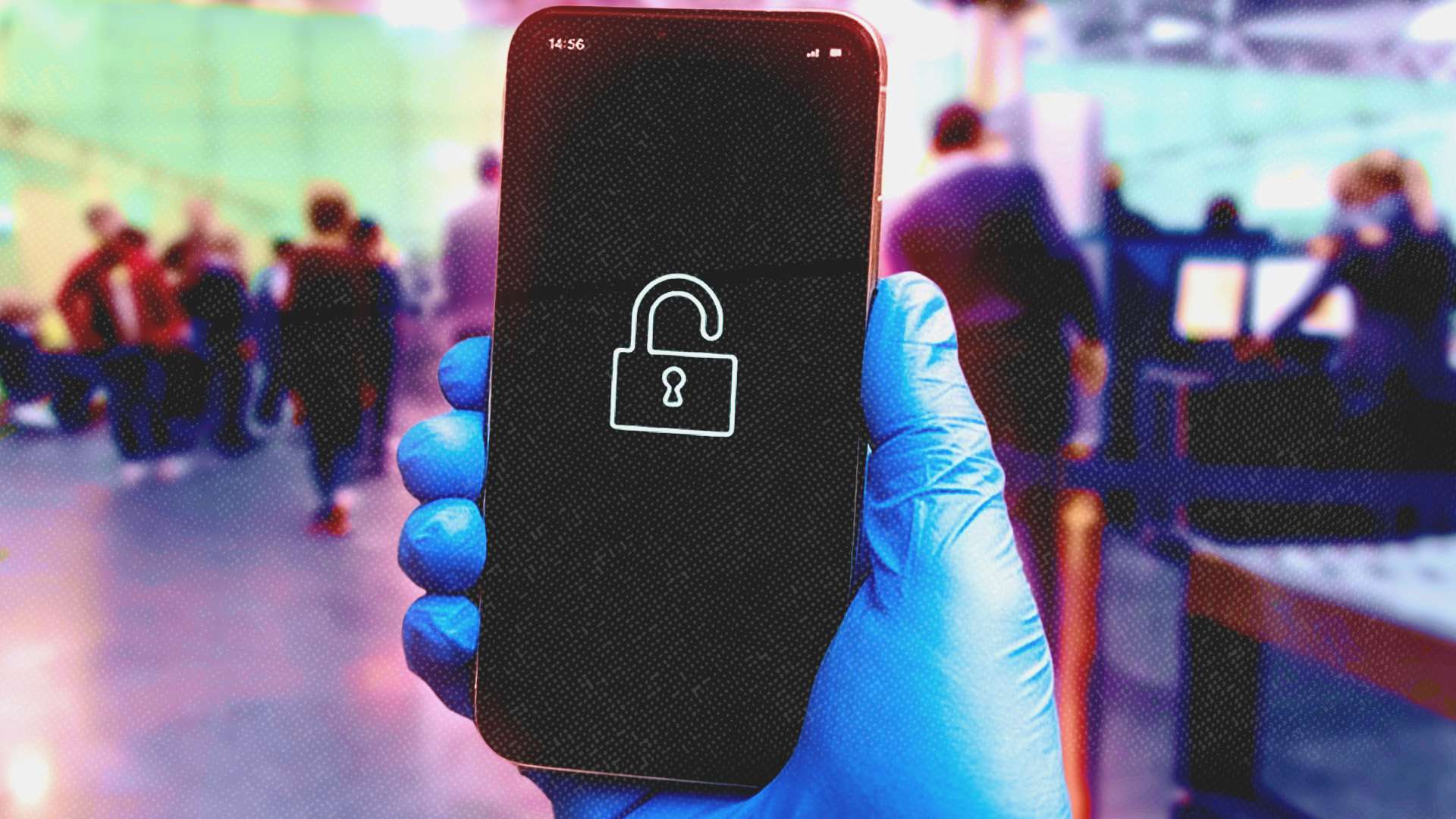
联邦政府正在起诉塞缪尔·图尼克,指控他在边境销毁手机。法庭文件显示,他们拒绝为他提供律师,并对他被搜查的原因撒谎。
The feds are charging Samuel Tunick for destroying his phone at the border. Court documents show that they refused him a lawyer and lied about why he was searched.
美国制度的一个不幸特点是,你不能对政府撒谎,但政府可以对你撒谎。塞缪尔·图尼克去年在亚特兰大国际机场亲身经历了这种局面。国土安全部(DHS)特工要求他提供手机密码,他据称给了他们一个自毁代码,删除了数据。图尼克现在因销毁证据面临五年监禁。
One of the unfortunate quirks of the American system is that you can't lie to the government, but the government can lie to you. Samuel Tunick found himself on the receiving end of this setup last year at Atlanta International Airport. When agents from the Department of Homeland Security (DHS) asked for his phone password, he allegedly gave them a self-destruct code that wiped his data. Tunick now faces five years in prison for destroying evidence.
事实证明,联邦政府在整个过程中都在对图尼克撒谎。一份新的法庭文件,率先由404媒体报道,显示国土安全部曾下令扣押图尼克的手机,原因是他参与亚特兰大的环保抗议活动。然而,当他抵达机场时,特工告诉图尼克,他们在寻找“儿童色情制品”,如果他配合,就可以带着手机离开。他们还多次拒绝让他见律师,尽管他多次要求。
It turns out that the feds were lying to Tunick the entire time. A new court filing, first reported by 404 Media, shows that the DHS had sent out an order to seize Tunick's phone over his involvement in environmentalist protests in Atlanta. When he landed at the airport, however, agents told Tunick that they were looking for "kiddie porn" and he would be allowed to leave with his phone if he cooperated. They also repeatedly denied him access to his lawyer when he asked.
“如果执法部门在亚特兰大其他地方采取类似行动,毫无疑问其行为违宪。但政府声称,因为图尼克先生正从一次国际假期返回,所以他们有权这样做,”他的律师在文件中写道,该文件包括国土安全部的内部通信和他审讯视频的片段。他当时从多米尼加共和国返回。
"There can be no real debate that if law enforcement had acted similarly elsewhere in Atlanta, their actions would be unconstitutional. But the government says it was entitled to act this way because Mr. Tunick was returning from an international vacation" in the Dominican Republic, his lawyers wrote in the filing, which includes internal DHS communications and excerpts from his interrogation video.
美国法律承认第四修正案隐私权的“边境例外”,允许联邦特工搜查入境旅客以查找违禁品。美国海关与边境保护局(CBP)声称,这一豁免也允许他们扣留旅客进行询问并搜查其电子数据。图尼克的案例揭示了该机构将这一漏洞扩大到何种程度。
U.S. law recognizes a "border exception" to Fourth Amendment privacy rights, allowing federal agents to search incoming travelers for contraband. U.S. Customs and Border Protection (CBP) claims that this exemption also allows them to hold travelers for questioning and search their electronic data. Tunick's case reveals just how widely the agency stretches this loophole.
图尼克落地前几个小时,国土安全调查局(HSI)探员特拉维斯·麦吉给亚特兰大的海关与边境保护局(CBP)站发了一封邮件,附上他的照片和信息,称他正因“涉嫌恐怖活动”接受调查。(图尼克参与了“拯救亚特兰大森林”运动,又称“停止警察城”,这是一场反对当地警察培训中心的抗议运动。)邮件要求CBP“进行100%的行李检查,扣留所有电子设备并收集密码”,并称HSI将到机场进行讯问。
A few hours before Tunick landed, Homeland Security Investigations (HSI) agent Travis Mcghie emailed the CBP station in Atlanta with his photo and information, stating that he is under investigation for "suspected terrorist activities." (Tunick is involved in Save the Atlanta Forest, also known as Stop Cop City, a protest movement against a local police training center.) The email asked CBP to "conduct a 100% baggage exam, retain all electronics and collect passcodes," stating that the HSI will be at the airport to conduct an interrogation.
根据引用了审讯录像的法庭文件,图尼克被带进二次检查室后,“几乎立刻”就告诉CBP官员,“我真的不想在没有律师的情况下再说话了”。他多次要求见律师。
Pulled into the secondary screening room, Tunick "almost immediately" told CBP officers that "I don't really want to speak without a lawyer any more," according to the filing, which cites the interrogation tape. He would ask for a lawyer multiple times.
探员们问图尼克手机上是否有“儿童色情内容”,并称“因为你拒绝说话,我们有权翻查你的手机,看看我们要找的东西”。其中一名探员拉托亚·卡斯特罗告诉图尼克:“要么你把密码给我们,这样我们就能顺利查看,要么你可以拒绝,不幸的是,我们就不得不扣押你的手机。”当然,这两句话都是谎言。HSI的邮件早已要求CBP拿走图尼克的手机,无论他是否配合。
The agents asked Tunick if he had "kiddie porn" on his phone and stated that "because you're refusing to talk, we have the authority to go through your phone to see what we're looking for." One of them, Latoya Castro, told Tunick that "either you can give us your password so that we can go through it no problem, or you can refuse to do that, unfortunately, we will have to seize your phone." Both of those statements were a lie, of course. The HSI's email had asked CBP to take Tunick's phone, whether or not he cooperated.
关于儿童色情的谎言可能不仅仅是为了恐吓图尼克。尽管下级法院对边境搜查豁免存在相互矛盾的裁决,但一些法院已经裁定,CBP只能为查找“数字违禁品”——即本身非法的文件——而搜查电子设备。查找儿童性虐待材料的搜查,在法律上比仅仅查找其他犯罪证据的搜查更有依据。
The lie about child porn may not only have been meant to intimidate Tunick. While there are contradictory lower court rulings about the border search exemption, some courts have ruled that the CBP can only search electronics for "digital contraband," or files that are themselves illegal. A search for child sex abuse material would be on stronger legal ground than a search for mere evidence of other crimes.
图尼克使用的是GrapheneOS,这是一种安全手机系统,允许用户设置真实密码和“胁迫密码”,输入胁迫密码后会擦除所有数据。审讯录像显示,他在向警官提供密码后,手机似乎被重置了。随后,HSI特工内森·伯纳姆和FBI特工安德里亚·科布尔进入了房间。
Tunick was using GrapheneOS, a secure phone system that allows users to set both a real password and a "duress password" that wipes out all data when entered. The interrogation tape shows his phone appearing to reset after he gave the officers a passcode. HSI agent Nathan Burnham and FBI agent Andrea Coble then entered the room.
“你没有被逮捕。等这些先生们处理完你,根据你入境的规定,你可以自由离开,”伯纳姆说,指的是海关与边境保护局官员。
"You are not under arrest. Once these gentlemen are done with you, pursuant to your entry into the country, you're free to leave," Burnham said, referring to the CBP officers.
图尼克的律师认为,法官应当驳回图尼克提供的手机密码以及由此产生的所有证据,理由是这是在“非法审讯”下作出的“非自愿”反应,因为海关与边境保护局特工没有告知图尼克其第五修正案权利,也无视他多次要求在回答问题前先咨询律师的请求。
Tunick's lawyers argue that the judge should throw out the phone password Tunick provided and everything that resulted from entering it as an "involuntary" response made under "unlawful interrogation," because the CBP agents did not read Tunick his Fifth Amendment rights and ignored his multiple requests to consult with his lawyer before answering their questions.
海关与边境保护局声称,边境的二级筛查不属于刑事调查,因此被拘留者不享有与刑事嫌疑人相同的权利。“由于国际入境检查是一项行政职能,海关与边境保护局政策和联邦法规不允许律师在二级检查期间在场,”一名发言人今年早些时候向《Reason》杂志表示。
The CBP claims that secondary screening at the border doesn't count as a criminal investigation, so detainees don't have the same rights as criminal suspects. "Since the international arrivals inspection is an administrative function, CBP policy and federal regs do not permit the presence of lawyers during secondary examinations," a spokesman told Reason earlier this year.
但图尼克的律师坚称,他的经历“远远超出”了正常边境通关的范畴:他被当面指控犯有严重罪行,面临一项他毫不知情的不同严重罪行的调查,并且在向政府特工提供信息之前,显然无法离开该情境。
But Tunick's lawyers insist that his experience was "far outside" a normal border crossing: He was accused of a serious crime to his face, faced an investigation for a different serious crime he didn't know about, and clearly could not leave the situation until he gave information to government agents.
“我希望人们明白,针对我的指控旨在恐吓人们不要保护自己的数据和隐私,政府希望树立一个先例,即没有人有隐私权,”图尼克告诉404 Media。
"I hope people understand that the charges against me are meant to intimidate people against protecting their data and their privacy, and the government hopes to set a precedent that no one has the right to privacy," Tunick told 404 Media.
“捍卫亚特兰大森林”运动与图尼克有关,一直是佐治亚州当局的一大麻烦。2022年全年,抗议者袭击并焚烧了施工设备;2023年,警方在情况不明的情况下开枪打伤了一名抗议者,声称他们在一次突袭中遭到枪击。
Defend the Atlanta Forest, the movement that Tunick is involved with, has been a major nuisance for authorities in Georgia. Protesters attacked and burned construction equipment throughout 2022, and police shot a protester in 2023 under unclear circumstances, claiming that they were fired at during a raid.
特朗普政府已动用联邦政府力量打击该运动。2026年6月,司法部对两名被控纵火者提起联邦指控,援引《国家安全总统备忘录第7号》,该备忘录指示联邦机构打击左翼国内恐怖主义。
The Trump administration has brought down the federal government against the movement. In June 2026, the Department of Justice brought federal charges against two alleged arsonists, citing National Security Presidential Memo 7, which directs the feds to go after left-wing domestic terrorism.
但除了电子邮件中“疑似恐怖活动”这一行字之外,没有任何信息表明联邦调查人员怀疑图尼克犯有何种具体罪行,也没有说明他们为何怀疑他。而整个审讯的安排正是为了掩盖这些答案。事实上,联邦检察官没有依据通常的妨碍司法或销毁证据相关法律起诉图尼克,而是选择了一项很少使用的法规,该法规不要求他们披露 underlying 调查的内容。
But beyond the email line about "suspected terrorist activities," there is no indication of what specific crimes the feds suspected Tunick of, or why they suspected him. And the whole setup of the interrogation was designed to hide those answers. In fact, instead of charging Tunick under typical obstruction or evidence-destruction laws, federal prosecutors chose a rarely-used statute that doesn't require them to disclose what the underlying investigation was about.
“很多时候,政府想要强调它试图调查的内容,因为这会加重被告行为的严重性,”前检察官丹尼尔·里奇曼对《纽约时报》说。“而在这个案子中,我认为他们正是试图通过只关注销毁行为、而不关注调查内容来避免这一点。”
"Many times the government wants to highlight what it was trying to investigate because that ups the stakes on what the defendant was doing," former prosecutor Daniel Richman told The New York Times. "This is a case where I think they're trying to avoid exactly that by focusing only on the destruction, and not what the investigation was about."