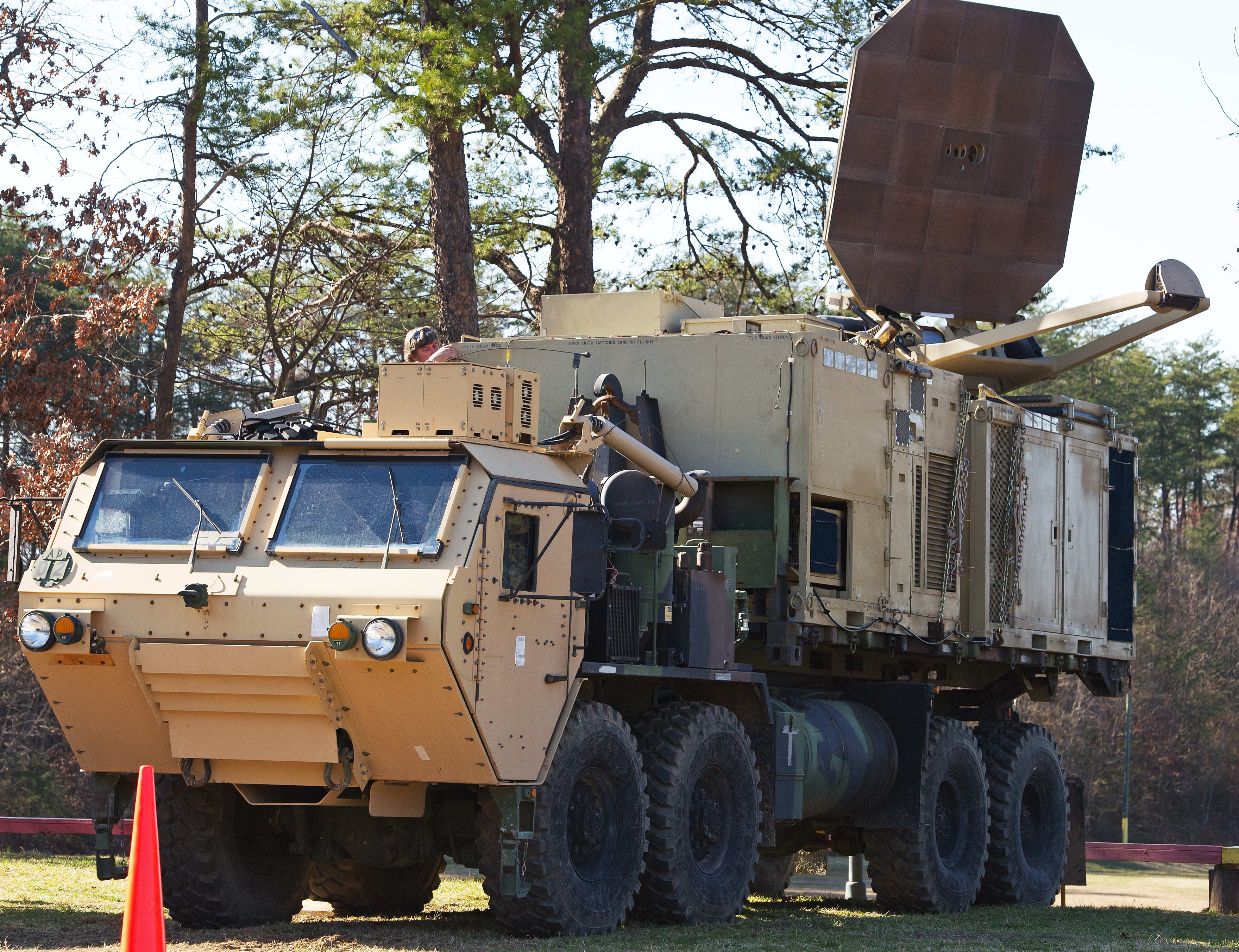
美国国土安全部(DHS)已获五角大楼批准,测试非致死性主动拒止系统(ADS)热射线武器,以备可能用于美国—墨西哥边境,CNN周三报道称。
The US Department of Homeland Security (DHS) received permission from the Pentagon to test the nonlethal Active Denial System (ADS) heat ray weapon for potential use along the United States-Mexico border, CNN reported on Wednesday.
该报道引用美国国防部长皮特·赫格塞思9月份的一份备忘录称,他在收到DHS请求后批准了测试,但CNN报道称,该请求并未注明武器的具体用途或测试计划细节。
The report cited a September memo by US Defense Secretary Pete Hegseth approving the testing following a request from the DHS, though the request did not note any specifics on the weapon's use or its testing program, according to CNN.
报道援引美国军方官员的话称,这种能量武器可向最远超过半英里的目标发射电磁波,引起皮肤灼烧感,其效果会产生“本能且不可抗拒的逃离冲动”。
The energy weapon shoots electromagnetic waves at targets up to just over half a mile away, causing burning sensations on the skin, the report said, citing US military officials who said the result creates “an instinctive and irresistible urge to run from the effect.”
CNN报道称,该系统曾在阿富汗部署,并曾进一步考虑用于美国境外关押恐怖嫌疑人的设施,但在两种情况下均未实际使用。
The system was previously deployed in Afghanistan and was further considered for use at US facilities housing terror detainees abroad, but was not actively used in either case, CNN reported.
一名美国国防官员告诉CNN,赫格塞思的备忘录允许临时借出一套ADS系统,为期七个月,DHS可申请延期。
Hegseth's memo permits the temporary loan of one ADS system for a period of seven months, with an option for the DHS to request an extension, a US defense official told CNN.
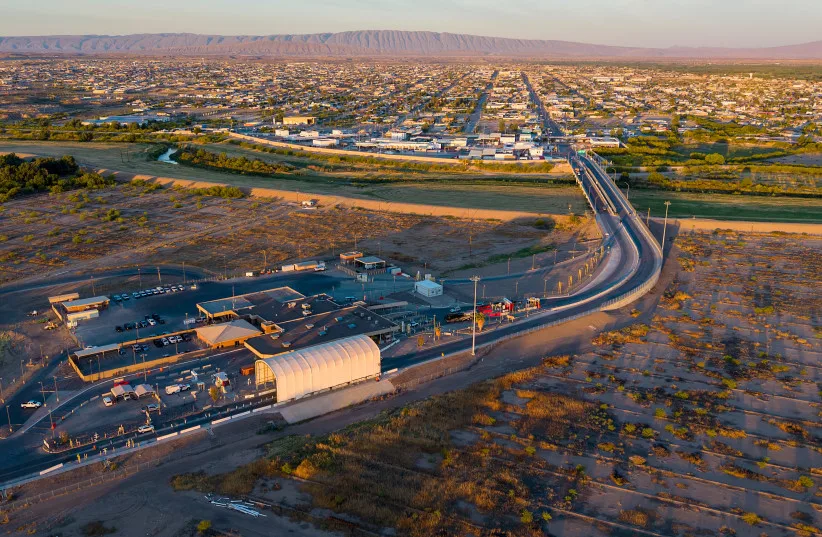
此外,备忘录将武器的“系统使用、使用以及战术、技术和程序的制定”的唯一责任分配给DHS,并进一步指出,该武器“不得由”美国国防部人员操作。
美国海关与边境保护局(CBP)一名发言人告诉CNN,该机构“持续评估新技术,尤其是那些能提升作战效能并增强任务能力的技术”。
In addition, the memo assigns sole responsibility for the weapon's "system employment, use and development of tactics, techniques and procedures" to the DHS, further noting that it “shall not be operated" by US Department of Defense personnel.A US Customs and Border Protection (CBP) spokesperson told CNN that the agency is "continually evaluating new technologies, especially those that enhance operational effectiveness and strengthen mission capabilities."
尽管非致死性,但该武器系统在美墨边境的潜在使用引发了对其目标可能遭受直接和间接伤害的担忧。
“即使他们把人追回河边,你也不希望他们跳进河里淹死,”一名前CBP官员告诉CNN。
System faces concerns over direct, indirect harm despite nonlethalityDespite being nonlethal, potential use of the weapon system on the US-Mexico border has raised concerns over potential direct and indirect harm to its targets.“Even if they're chasing people back to the river, you don't want them to go in and drown,” a former CBP official told CNN.
此前,前美国国土安全部部长柯尔斯滕·尼尔森在2018年中期选举前拒绝使用该武器对付移民。“问题在于把移民和公民当作敌方战斗人员对待,”一位熟悉此事的前国土安全部官员对CNN表示。“从主题上看,不人道的待遇通常会被拒绝。”CNN联系了五角大楼置评,但被转交给国土安全部。
In a previous instance, former US Homeland Security secretary Kirstjen Nielsen declined to use the weapon against migrants in 2018 prior to the midterm elections.“The issue was treating immigrants and citizens like enemy combatants,” a former DHS official familiar with the matter told CNN. “Thematically, inhumane treatments typically get rejected.”CNN contacted the Pentagon for comment but was referred to DHS.