宣布,英国最著名的大街牛津街将实行步行化。在过去几个月里,我与之交谈过的每一位伦敦人都对此感到惊讶,但这件事确实要发生了。10月26日星期一,欧洲最繁忙的购物街——或者更准确地说,其1.2英里长度的一半——将禁止车辆通行,结束了数十年来的激烈争论、阻挠和延误。汽车、卡车、货车、出租车、公交车、自行车、电动自行车、电动滑板车都将被禁止进入。只有行人(以及紧急车辆)才能进入。
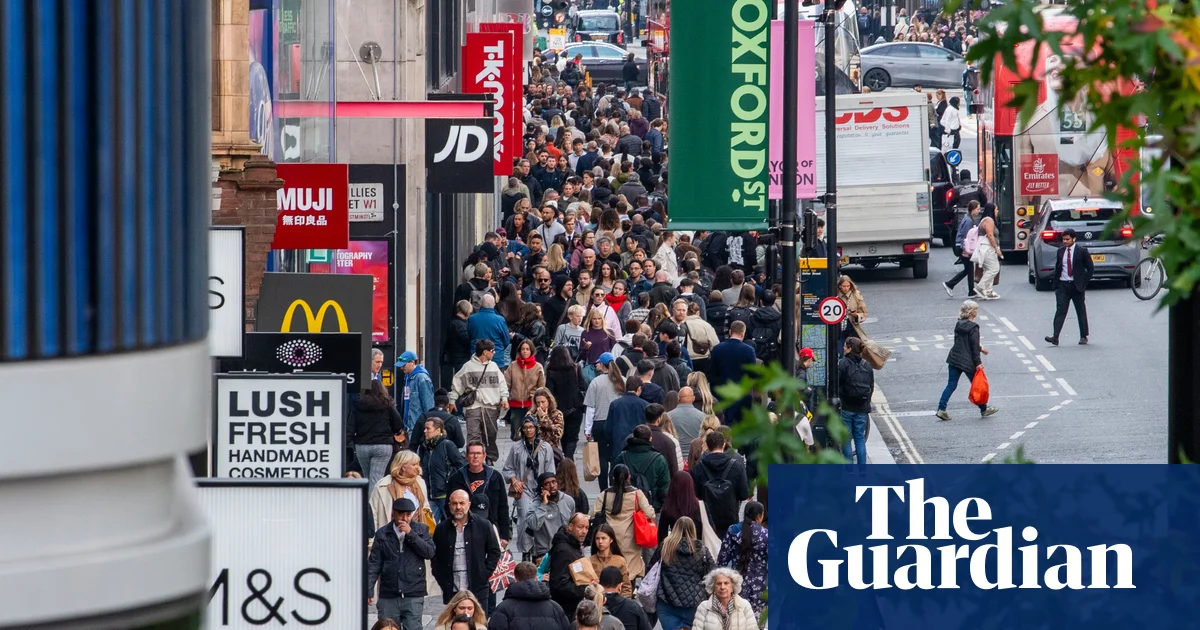
announced that Britain's best-known thoroughfare, Oxford Street, would be pedestrianised. To the surprise of every Londoner that I have spoken to in the past few months, it is actually happening. On Monday 26 October, the busiest shopping street in Europe – or, precisely, half of its 1.2-mile stretch – will be closed to traffic, putting an end to several decades of bitter arguments, obstructions and delays. Cars, lorries, vans, taxis, buses, bicycles, ebikes, scooters will be banned. Nothing but pedestrians (and emergency vehicles) will be allowed in.
这一变化将标志着自2003年以来,伦敦中心区街道景观最显著的转变,当时特拉法加广场从一个名副其实的环岛变成了伦敦最具辨识度的公共空间之一。无论汗是否在2028年竞选第四任期,这都将构成市长遗产中最显眼的部分。三年前,汗出版了一本回忆录兼宣言《呼吸》,将他的哮喘归因于在伦敦污染的空气中长大。对市长来说,步行化牛津街是其创建以公共健康、步行和骑行为导向的绿色城市使命的顶点。
This change will mark the most remarkable transformation to the streetscape of central London since at least 2003, when Trafalgar Square was turned from a glorified roundabout into one of London's most recognisable public spaces. It will also form the most visible part of the mayor's legacy, whether or not Khan runs for a fourth term in 2028. Three years ago, Khan published a memoir and manifesto, Breathe attributing his asthma to growing up inhaling London's polluted air. For the mayor, pedestrianising Oxford Street is the culmination of a mission to create a greener city that is oriented around public health, walking and cycling.
步行化是一回事;让牛津街成为任何人真正愿意花时间待的地方则是另一回事。对于疲惫的伦敦人和焦虑的游客来说,它是一条以高街形式出现的头痛问题。它的主要联想是人群、压力、肮脏、噪音、消费资本主义最俗气的体现以及犯罪。在我的研究过程中,我曾在托特纳姆法院路地铁站外的人群中走近一位忙乱的警察,问她是否认为步行化对牛津街有好处,还是会让她的工作更难。她说,两者都是。
Pedestrianisation is one thing; making Oxford Street somewhere anyone actually wants to spend time is another. For weary Londoners and anxious visitors alike, it is a headache in the form of a high street. Its primary associations are crowds, stress, dirt, noise, the tackiest incarnations of consumer capitalism, and crime. At one point during my research I approached a harried police officer in the throng outside Tottenham Court Road tube station and asked if she thought pedestrianisation would be good for Oxford Street, or make her job harder. Both, she said.
这并不意味着牛津街是一条空荡、衰败的商业街。最新统计显示,它每天接待超过50万名访客——相当于爱丁堡的人口。合理的假设是,伦敦每年2200万外国游客中,大多数在某个时刻都会踏上这条街。该街道贡献了首都5%的经济产出,并在全国想象中占据了少有的地位。Everything But the Girl在1988年同名歌曲中唱道:“我17岁时,伦敦就是牛津街”,并写道:“那是一个小小的世界”。然而,没有人真正喜欢牛津街。在撰写本文的过程中,我没有遇到任何人会承认自己喜欢它。
This is not to say Oxford Street is an empty, dying high street. At the last count, it receives more than 500,000 visitors every day – equivalent to the population of Edinburgh. It seems reasonable to assume that most of London's 22 million annual foreign visitors set foot on it at some point. The street generates 5% of the capital's economic output and lives in the national imagination the way few others do. "When I was 17, London meant Oxford Street," sang Everything But the Girl, in their 1988 song of the same name: "It was a little world." And yet, nobody loves Oxford Street. During the course of writing this article, I haven't met anyone who will even admit to liking it.
在一个九月的周日晚间,我做了一件以前总是小心避免的事,骑车穿越了它的全程。即使在周末结束时,这里依然让人应接不暇——青少年骑着租来的电动自行车横冲直撞,花哨的人力车停在人行道中间,放着震耳欲聋的音乐。人行道上挤满了人,部分原因是车道上依然车流密集。另一次,我看着一位上了年纪的妇女尴尬地坐在宜家商店外狭窄的黑色电箱上,因为别无他处可供歇脚。
On a Sunday evening in September, I did something I had always carefully avoided doing before and cycled its full length. Even at the end of the weekend, it was overwhelming – with teenagers careening on rented ebikes and gaudy pedicabs parked in the middle of the pavement, blaring music. The pavements were thick with people, in part because the road was still thick with traffic. On another occasion, I watched a late-middle-aged woman perch awkwardly outside Ikea on a narrow black electricity box, in the absence of anywhere else to rest.
对大多数伦敦人来说,牛津街是个不得不去的麻烦之地,大家都想以手术般的精准度完成任务后迅速撤离:这里是犯罪、污垢的温床,或许还能买点圣诞礼物。“谁,”《金融时报》建筑评论家在2020年感叹道,“会在伦敦最糟糕的干道上多待一分钟?”这污垢绝非玩笑。上世纪90年代,牛津街以HMV和维京巨星等巨型唱片店闻名,我记得坐地铁回南伦敦家里时擤鼻涕,纸巾上全是漆黑的鼻涕。
For most Londoners, Oxford Street is a necessary evil, to be visited with surgical precision before fleeing the scene: a site of crime, grime and perhaps some Christmas shopping. "Who," wondered the FT's architecture critic in 2020, "lingers any longer than they have to in London's worst thoroughfare?" The grime itself is no joke. In the 1990s, when Oxford Street was known for its huge record shops such as HMV and Virgin Megastore, I remember returning to my south London home on the tube, blowing my nose and seeing a tissue full of jet-black snot.
狭窄的街道两旁高楼林立,形成了“城市峡谷”,将公共汽车和出租车排放的浓重柴油尾气困在其中(私家车自1972年起即限制通行)。2014年,这里被测出拥有全球最高浓度的二氧化氮污染。同年,治安恶化到阿拉伯联合酋长国警告其公民为安全起见避开该区域。
Its narrow streetway and tall buildings on either side create an "urban canyon", trapping the heavy diesel fumes emanating from its buses and taxis (private car access has been restricted since 1972). In 2014, it was found to have the highest concentration of nitrogen dioxide pollution in the world. In the same year, the crime had become so bad that the United Arab Emirates warned its citizens to avoid the area for their own safety.
自那以后,它更因违法的小企业而闻名,大规模突击检查查获了大量假冒商品和非法电子烟。本十年来,神秘的美国糖果店和空荡荡的纪念品商店应运而生,据称因逃税而兴旺。新冠疫情和网购对牛津街打击严重:空置率从2019年的4.5%飙升至2023年初的16.9%,往往正是这些商家填补了空缺。两年前拍摄的当前谷歌街景图片中,其商店橱窗看起来已如同过去的明信片。
Since then it has become better known for its lawbreaking small businesses, where substantial raids have hauled in counterfeit goods and illegal vapes. This decade has seen the rise of mysterious US candy stores and empty souvenir shops that allegedly thrive thanks to tax evasion Covid and internet shopping hit Oxford Street hard: vacancy levels soared from 4.5% in 2019 to 16.9% by early 2023, and it was often these businesses that filled the gaps. The current Google Street View images of its shopfronts, taken just two years ago, already look like a postcard from the past.
牛津街的困境损害了伦敦整体的声誉。在小报的说法中,它是“全国的高街”,矗立着标志性百货公司的旗舰店和全球零售品牌。汗的赌注是,步行化能够扭转他2024年承认的“受控衰退”局面,并让这条街重新充满活力。
That Oxford Street has been struggling hurts the reputation of London as a whole. This is in tabloid parlance, "the nation's high street", home to the flagship branches of iconic department stores alongside global retail brands. Khan's gamble is that the pedestrianisation can reverse what he conceded in 2024 was a case of "managed decline" and will flood the street with life again.
在伦敦菲尔兹附近的East办公室,朱利安·刘易斯和阿奇·巴什福德围坐在一张长4英尺的牛津街纸板模型旁,热烈地讨论着防撞桩。刘易斯及其团队是公共领域建筑师,致力于的不是建筑本身,而是建筑之外的世界:标识牌、长椅、栏杆、路缘石、铺装、照明、花盆、树木和公共艺术。East在同样多的年份里完成了近30个高街改造项目,但这是其中最大的一个。
n the offices of East, near London Fields, Julian Lewis and Archie Bashford were seated around a 4ft-long cardboard model of Oxford Street and talking animatedly about bollards. Lewis and his team are public realm architects, devoted not to buildings, but the world beyond them: signage, benches, perches, kerbs, paving, lighting, planters, trees and public art. East have carried out nearly 30 high street redesign projects in as many years, but this is the big one.
去年刘易斯的团队获得合同后,首先做的就是深入研究各种档案资料。他们的研究起点是一篇鲜为人知的文章——1932年发表在《好家居》(Good Housekeeping)杂志上的弗吉尼亚·伍尔夫(Virginia Woolf)的文章。在伍尔夫的描述中,牛津街被比作一条“蜿蜒流淌的丝带……河床上铺满了鹅卵石,被清澈的溪流冲刷着”。
The first thing Lewis's team did after being awarded the contract last year was to dive into the archives. The starting point was a little-known 1932 article in Good Housekeeping by Virginia Woolf. For Woolf, Oxford Street appeared as a "great rolling ribbon … the pebbly bed of a river … washed by a bright stream". She saw it as gaudy, but also sparkling, thrilling and overwhelming, defined by the restless movement of its messy public. (Her essay also shows us how weird the street has long been – in 1932, it was apparently full of hawkers selling live tortoises.)
她认为这条街道虽然外表华丽炫目,但却充满活力与刺激感;街道上的行人熙熙攘攘、热闹非凡。(她的文章还揭示了这条街道自古以来的独特之处:在1932年时,这里竟然还有卖活乌龟的小贩。)正是这些“河流般的特征”成为了他们设计构思的起点。巴什福德(Bashford)告诉我:“光线在表面的反射效果,长椅或柱子表面的微妙反光,都能帮助凸显出这些独特的氛围特征。”
It was these riverine characteristics that became the starting point for the thousands of material, small-scale design decisions that East are making. The "play of light on surfaces, the subtle reflectivity of a bench or a column" can all help bring out those tendencies, Bashford told me.
下周即将实施的步行化改造工程将覆盖0.6英里的路段,从牛津广场(Oxford Circus)附近一直延伸到塞尔弗里奇百货公司(Selfridges)。萨迪克·汗(Sadiq Khan)表示,他致力于最终将整条街道(全长1.2英里)都改造为步行街。最显著的变化将是街道环境的绿化程度——建筑师们计划种植一些盆栽树木,并设置新的休息场所。
The pedestrianisation happening next week will cover 0.6 miles, stretching westwards from close to the Oxford Circus crossing to Selfridges. (Sadiq Khan has expressed his commitment to eventually pedestrianise all 1.2 miles of the street.) The most noticeable transformation will be how much greener it is becoming. The architects' plan is to experiment with introducing young trees in pots, alongside new places to sit.
他们将通过这个为期从下周持续到2027年春天的测试阶段,观察人们对这些树木的反应:这些树木会成为人们的聚会场所吗?会成为休息的驿站?还是路标的象征?刘易斯说:“理想情况下,这些树木应该能为大家提供一个宁静的避风港——再次用‘河流’作比喻的话,那就是一种让人感到相对平静的场所。”
They will use the test phase – which will last from next week until spring 2027 – to learn about how people respond to the trees. Will they become meeting points? Rest stops? Landmarks for wayfinding? Ideally they will provide respite, Lewis said, "a refuge from the flow of people, which is the river analogy again – maybe that's optimistic, but instilling some relative calm".
步行区的边界将用防撞柱标示。刘易斯对这个话题有强烈的看法,谈起防撞柱时仿佛它们是人。“防撞柱通常都是糟糕透顶的东西,”他告诉我。他说,它们往往显得“歉意十足”。“防撞柱上一条歪歪扭扭、塑料感十足的反光条传递的信息是:‘抱歉,我其实不想待在这儿,但我得让你知道附近有车辆通行。’而它们应该传达的是:‘我乐意待在这儿,因为我正在尽职尽责。’”
The pedestrianised zone's edges will be marked by bollards. Lewis has strong opinions on this subject, and speaks about bollards as if they were people. "Bollards are generally horrible things," he told me. Too often they seem "apologetic", he said. "A misaligned, plasticky reflective strip [on a bollard] sends the message: 'Sorry, I didn't really mean to be here, but I need to let you know there are some vehicles nearby.' Instead, they should be saying: 'I'm happy to be here, because I'm doing a job.'"
设计合适的防撞柱需要考量诸多因素,包括安保、维护、美观、无障碍通行、气候、人流量、人群疏导以及城市自豪感。牛津街的防撞柱间距必须精确为 1.2 米,这是出于 HVM——敌意车辆缓解——的考量,但它们同时也要实用,并“运用街道现有的设计语言”。它们将采用球墨铸铁制造,因为这种材质比灰铸铁更坚韧:有弹性,受撞击时不易开裂。
An abundance of considerations go into designing the right kind of bollard, including security, maintenance, aesthetics, accessibility, climate, foot traffic, crowd flow and civic pride. Oxford Street's bollards have to be exactly 1.2 metres apart, for reasons of HVM – hostile vehicle mitigation – but they also need to be helpful and use "the existing language of the street". They will be made of ductile iron, because it is more resilient than cast iron: it's springy, and doesn't crack when you hit it.
表面还将处理成哑光,因为光亮的防撞柱过于张扬,会破坏环境氛围。“它们非常精致,”刘易斯说道,他是认真的。
They are also matt, because shiny bollards are too flashy, and detract from the ambience. "They're very sophisticated," Lewis said, and he meant it.
该项目的主要目标之一,是更好地将牛津街与周边地区融合。牛津街四周环绕着四个身份迥异的地区:苏豪区、菲茨罗维亚区、梅费尔区和玛丽莱本区。
One of the project's primary ambitions is to better integrate Oxford Street with its neighbours. It is surrounded by four areas with strikingly different identities: Soho, Fitzrovia, Mayfair and Marylebone.
“人们对牛津街本身有一种略感麻木的联系,就像:牛津街到底在哪里?就它与这些令人难以置信的中心区域的关系而言,它可能根本不存在,”刘易斯说。“人们想去苏豪区。他们想去玛丽莱本区。人们住在菲茨罗维亚区。牛津街还没有自己的位置,它是一个非空间空间,考虑到它有多么出名,这简直难以置信。”
"There's this slightly numb connection to Oxford Street itself, like: where the hell is Oxford Street? It might as well not be there, with regard to the relationship with these incredible centres," Lewis said. "People want to go to Soho. They want to go to Marylebone. People live in Fitzrovia. Oxford Street does not have a place yet, it's a non-spatial space, which is unbelievable given how famous it is."
这就是景观建筑和设计发挥作用的地方。建筑师们反复使用的名词是“邀请”——如何鼓励人们做出不可思议的事,在新改造的步行区逗留,并自由地进出?建筑环境必须邀请他们这样做。刘易斯团队想要探索的一项创新是户外公共用餐——不是餐馆的户外桌椅,因为牛津街上几乎没有,而是大陆式的桌子,供人们坐下来吃任何想吃的东西;在苏豪区买的外卖食品,或是自己在家做的便当。
This is where landscape architecture and design comes in. The noun the architects use over and over is "invitation" – how do you encourage people to do the unthinkable, and linger in the newly pedestrianised space, and move freely in and out of it? The built environment has to invite them to do so. One innovation Lewis's team wants to explore is outdoor public dining – not outdoor tables for restaurants, because there are barely any on Oxford Street, but continental-style tables to sit and eat whatever you want; takeaway food bought in Soho, or a packed lunch you made at home.
“在野餐桌上坐着吃三明治,旁边是一家可以买到普拉达手袋的商店,这种想法是一种绝妙的悖论,”刘易斯微笑着说。“这也非常伦敦。”
"The idea of sitting there having sandwiches at a picnic bench, next to a shop in which you can buy a Prada handbag, is a fantastic kind of paradox," Lewis said with a smile. "And it's also very London."
要了解将牛津街改造为步行区的想法从何而来,你需要了解一位名叫扬·盖尔的丹麦城市规划师的工作。2003年,当肯·利文斯通担任伦敦市长时,盖尔受邀花费18个月研究伦敦街景的缺陷,并于2004年6月发表了一份题为《迈向宜人城市》的120页报告。盖尔认为还有大量工作要做。“伦敦在城市规划师对行人的轻蔑程度上,仅次于莫斯科,”他当年说。
o understand where the idea of pedestrianising Oxford Street came from, you need to acquaint yourself with the work of a Danish urban planner called Jan Gehl. In 2003, when Ken Livingstone was mayor of London, Gehl was asked to spend 18 months researching the flaws in London's streetscape, and in June 2004 he produced a 120-page report entitled Towards a Fine City for People. Gehl thought there was a huge amount of work to be done. "London comes only after Moscow in the contempt the city planners show for pedestrians," he said that year.
“你在伦敦街头从未见过任何孩子——你们把他们都藏到哪儿去了?”答案是,他们越来越多地被关在室内:到处都坐车接送,或者不被信任独自在户外玩耍——无论与早期的伦敦人一代相比,还是与欧洲大多数其他国家的孩子相比。
"You never see any children on London streets – what have you done with them all?" The answer is that they have been increasingly shut indoors: driven everywhere in cars or not trusted to play outside – compared both with earlier generations of Londoners, and with most other children across Europe Gehl wanted to transform the capital into one of the world's most walking-friendly cities by 2015.
盖尔希望到2015年将伦敦改造为世界上最适合步行的城市之一。但由于2004年市长选举于同一个月举行,利文斯顿市政厅发布的最终报告中激进的部分被磨平了。盖尔的完整建议被限制在一份“秘密文件”中,仅分发给首都的决策者,从未公开发布。其中包括建议牛津街全面步行化。这一梦想花了22年才得以实现。
But with the 2004 mayoral election taking place the same month, the radical edges of the final report that was published by Livingstone's City Hall were sanded down. Gehl's full recommendations were confined to a "secret document", distributed to the capital's decision-makers but never published. Among other things, it recommended the full pedestrianisation of Oxford Street. It has taken 22 years for that dream to be realised.
“我在伦敦看到了一些改善的迹象,”盖尔最近在从哥本哈根家中进行的视频通话中对我说,“但老天爷啊,变革的速度和幅度都不令人印象深刻。”
"I see some signs of improvement in London," Gehl told me recently on a video call from his home in Copenhagen, "but for God's sake, the tempo and the amount of change have not been impressive."
现年90岁的盖尔长期致力于将城市变为以居住在那里的人为先的地方。他的座右铭是“视线高度的城市,以及时速5公里的城市”——即步行速度。他的第一本著作《建筑之间的生活》于1971年出版,向塑造战后城市规划的正统观念发起了挑战。与主要根据建筑、道路或布局效率来评判城市不同,盖尔要求规划师关注人们在公共空间实际做什么:他们走在哪里、停在哪里、是否会面、交谈或坐下来看世界流转。
Gehl, who is 90, has long sought to turn cities into places that put the people that live there first. His motto is "the city at eye level, and at 5km/hour" – walking pace. Life Between Buildings, his first book, from 1971, was a challenge to the orthodoxy that had shaped postwar urban planning. Rather than judging the city principally by its buildings, its roads or the efficiency of its layout, Gehl asked planners to pay attention to what people actually did in public: where they walked, where they stopped, whether they met, talked or sat down to watch the world go by.
这些价值观如今终于成为众多城市规划的核心——盖尔的机构盖尔工作室受市政厅委托,为牛津街的改造向伊斯特提供建议,绝非巧合。
These values are now finally at the centre of so much city planning – and it is no coincidence that his organisation Gehl Studio was appointed by City Hall to advise East on Oxford Street's transformation.
对于盖尔而言,世界各地的市政厅都应向澳大利亚看齐。悉尼、珀斯、墨尔本和阿德莱德在步行化和轻轨建设方面已发生巨变——它们在决策上比英国同行“更具雄心、更大胆、更迅速”。盖尔表示,在悉尼,相当于牛津街地位的乔治街正在经历快速转型,改善了周边城市的氛围。面对人口老龄化、“城市购物时代的终结”以及减少化石燃料消耗的需求,他曾经激进的理念正逐渐成为常识。
For Gehl, city halls across the world should be looking to Australia. Sydney, Perth, Melbourne and Adelaide have moved dramatically towards pedestrianisation and light rail – they are "more ambitious, daring and faster in making decisions" than their peers in the UK. In Sydney, Gehl said, the rapid transformation of the equivalent of Oxford Street, George Street, is improving the atmosphere in the city around it. With ageing populations, "the end of the shopping era" for cities, and the need to reduce fossil fuel consumption, his once-radical ideas are becoming common sense.
“回顾我的职业生涯,这是一场漫长的斗争,旨在从汽车手中夺回公共空间。在20世纪60年代,汽车占据了所有街道和所有广场——它们填满了每一个可能的地方。我们花费了数十年时间,为市民重新征服城市。”
"If I am looking back at my professional career, it's been one big struggle to reclaim public spaces from cars, which in the 1960s filled all of the streets and all the squares – they filled every possible place. We have spent many decades reconquering cities for their citizens."
我们所熟知的牛津街,作为一条街道已存在近两千年,始终是其周边不断演变的社会的一面镜子。它以前被称为泰伯恩路,长达六个世纪是通往臭名昭著的“泰伯恩绞刑架”的游行路线,绞刑架位于如今的大理石拱门处。在行刑日,蜂拥而至的人群会挤满路线两侧,形成一种截然不同的参与式公共景观,与后来的橱窗购物时代大相径庭。
What we know as Oxford Street, which has been a street for the best part of two millennia, has always been a stage for the evolving society around it. It was previously called Tyburn Road, and for six centuries formed the processional path to the infamous Tyburn Tree, the gallows at what is now Marble Arch. Thronging crowds would line the route on hanging days, making for a rather different participatory public spectacle than that provided by its window-shopping era.
伦敦西区街区的演变带来了马厩、谷仓、屠宰场和啤酒厂、防御工事、无数酒馆和驿站旅馆,最终出现了百货商店、剧院和音乐厅。牛津街长期以来不仅是商业中心,也是文化和社会生活的中心。1923年,霍华德·卡特在新牛津剧院发表了关于图坦卡蒙墓发现的首次公开演讲;历史上最著名的朋克摇滚演出——由性手枪乐队、冲击乐队、Buzzcocks乐队等参与——于1976年在(至今仍在营业、依然令人愉悦地保持着昏暗氛围的)100 Club举行。
The evolution of West End neighbourhoods brought stables, barns, abattoirs and breweries, fortifications, countless pubs and coaching inns, and eventually department stores, theatres and music halls. Oxford Street has long been a centre not just of commerce, but culture and social life. Howard Carter gave his first public lecture about the discovery of Tutankhamun's tomb at the New Oxford Theatre in 1923, and the most famous punk gigs in history – featuring the Sex Pistols, the Clash, Buzzcocks and more – took place at the (still running, still pleasingly dingy) 100 Club in 1976.
牛津街那长长的倒闭酒馆名单——“磅中的猪”、“快活的骑兵”、“满载恶作剧的人”——如今仅剩“飞马”一家幸存。9月下旬一个周二下午6点,这家酒馆内的氛围出奇地温和而友善;深色木护墙板和维多利亚风格的装饰,为外面高峰时段的混乱提供了一处宁静的避风港。
Oxford Street's long list of fallen pubs – the Hog in the Pound, the Jolly Trooper, the Man Loaded with Mischief – today leaves just one survivor, the Flying Horse. At 6pm on a Tuesday in late September, the atmosphere inside the latter was surprisingly gentle and convivial; the dark wood panelling and Victorian fittings offering a calming refuge from the rush-hour chaos outside.
近几十年来,人们进行了许多尝试,试图让社会生活重回牛津街:调整过街设施、限制交通和改造人行道,以及主要为了容纳更多购物者,从2005年到2012年,在圣诞节前仅设一天无车日,称为“非常重要的行人日”。
There have been many experiments in recent decades to bring social life back to Oxford Street: tweaks to crossings, traffic restrictions and pavements, and, largely to accommodate more shopping, from 2005 to 2012, one single traffic-free day in the run-up to Christmas called Very Important Pedestrians Day.
有一点所有人都同意:彻底的变革早已迟到了。到2016年汗替代鲍里斯·约翰逊出任市长时,伦敦在自行车和行人基础设施、以及遏制汽车数量的措施方面,已落后于巴黎、巴塞罗那和柏林等城市。随后,疫情带来的系统性冲击,以及选民投票倾向日益左倾(且更支持绿党),给了汗追赶的机会和授权。
One thing everyone agrees on is that a dramatic transformation is long overdue. By the time Khan replaced Boris Johnson as mayor in 2016, London had fallen behind cities such as Paris, Barcelona and Berlin when it came to infrastructure for cyclists and pedestrians, and measures to curb car numbers. Then, the systemic shocks of the pandemic, and an electorate voting ever more to the left (and more Green), offered Khan the opportunity and the mandate to catch up.
席卷西欧大城市的两大结构性变革,也塑造了汗最终推动此事的能力。第一,汽车不再是现代城市的霸主。第二,购物已被边缘化。尽管牛津街依然是一条拥有20多家旗舰店的繁华街道,但最大限度消费不再是唯一考量。在当日达配送、城外履约中心以及Vinted等同类二手交易市场的时代,什么才能取代购物,成为现代城市的核心?
There are two big structural changes sweeping through the great cities of western Europe that have also shaped Khan's ability to finally get this done. The first is that the motorcar is no longer king in the modern city. The second is that shopping has been displaced. Even though Oxford Street remains a river bobbing with more than 20 flagship stores, maximal spending is no longer the only consideration. In the age of same-day delivery, out-of-town fulfilment centres, and peer-to-peer secondhand marketplaces such as Vinted, what should replace shopping at the heart of the modern city?
本周,我与牛津街开发公司(OSDC)首席执行官纳比尔·汗一起走在牛津街上。汗最早对牛津街的记忆,是去HMV买他的第一张CD:2Pac的《Me Against the World》。如今,他正是负责推动步行化落实的人。
his week, I walked down Oxford Street with Nabeel Khan, CEO of the Oxford Street Development Corporation (OSDC). His earliest experience of Oxford Street was going to HMV to buy his first CD: 2Pac's Me Against the World. Today, he is the man in charge of making pedestrianisation happen.
在散步过程中,变化的初步迹象已然可见:新防撞桩的混凝土基座已就位,旧木质花盆——在汗看来“设计非常糟糕”——里枯萎的灌木已被移除。在美国鞋品牌Vans英国旗舰店外,该品牌自称不仅是滑板服装店,更是“表达自我的空间”和“文化中心”,汗兴致勃勃地谈论了所谓的体验经济。
On our walk, the first signs of change were visible: the concrete bases of the new bollards were in place and the old wooden planters – "really poorly designed", in Khan's view – had had their dying shrubs removed. Outside the flagship UK store of the US shoe brand Vans, which styles itself as not merely a skateboarding attire shop, but "a space to express yourself" and a "cultural hub", Khan spoke with gusto about the so-called experience economy.
他说,后疫情时代的城市中心,“人们,尤其是年轻人,渴望人与人之间的联系”。他隔着Vans店铺敞开的折叠门向外比划,店里已摆好一套完整的架子鼓、吉他和音箱,面向街道。“当几乎所有想要的东西都能买到时,唯一买不到的是什么?是与他人的亲近,是那种人际体验。”既然人人都认同牛津街需要彻底改造,为什么拖了这么久?
In city centres post-Covid, there is "this desire, particularly among young people, for human connection," he said, gesturing through the open concertina doors of the Vans shop, where a full drum kit, guitar and amps had been set up, facing out on to the street. "When you can buy almost anything you want, what's the one thing that you can't buy? That proximity to someone else and having that human experience." Given that everyone agrees Oxford Street needs overhauling, why has this taken so long?
“伦敦西区没有单一业主,”汗说,“这里有两个地方政府、一个交通管理机构、一个战略管理机构、五个商业改善区、数百家企业,还有一些大型地主。”如今试图指挥这支不听话的乐队的“指挥家”,是市长设立的牛津街地区委员会(OSDC)。在报道这则新闻的过程中,我注意到OSDC试图牢牢掌控媒体报道。或许这是因为,围绕牛津街的地方政治长期以来争斗激烈。
"The West End doesn't have a single owner," Khan said. "There are two local authorities, a transport authority, a strategic authority, five business improvement districts, hundreds of businesses and some major landowners." The maestro trying to conduct this unruly orchestra is now the OSDC, which was created by the mayor. While reporting this story, I noticed the OSDC sought to keep an iron grip on press coverage. Perhaps this is because the local politics around Oxford Street have been fiercely contested for so long.
事实上,围绕牛津街车辆交通的焦虑,几乎和伦敦市长这一职位一样历史悠久。1971年,萨迪克·汗还是个婴儿,当时 overcrowded 人行道上的行人大量涌上马路被汽车撞到,以至于成立了一个牛津街行动委员会。在一次呼吁禁止汽车的抗议中,有22人被捕。次年,大伦敦议会首次禁止私家车通行(早7点至晚7点),由此开启了长达50年逐步限制交通的历程。
In fact, angst over vehicle traffic on Oxford Street is about as old as London's mayor. In 1971, when Sadiq Khan was a baby, so many pedestrians were spilling from overcrowded pavements into the road and being hit by cars that an Oxford Street Action Committee was formed. During one protest calling for cars to be banned, 22 people were arrested. The Greater London Council introduced the first ban of private cars (between 7am and 7pm) the following year, marking the beginning of 50 years of gradual traffic restrictions.
全面步行化数十年来一直遭到反对和阻挠,主要来自保守党主导的威斯敏斯特市议会——工党于2022年至2026年接管后这一立场仍在延续——但也来自出租车司机、无障碍通行团体、当地居民、小商户以及苏豪协会和苏豪梅费尔论坛等当地社区组织。后者担心,将公交车、送货卡车和出租车改道至街道周边安静的保护区,将“毁掉”这些区域,苏豪协会的蒂姆·洛德如是说。
Full pedestrianisation has faced decades of opposition and obstruction, primarily from the Conservative-run Westminster council – continuing when Labour took it over from 2022 to 2026 – but also from taxi drivers, disabled access groups, local residents, smaller traders and local neighbourhood groups such as the Soho Society and Mayfair Forum. The latter worry that plans to reroute buses, delivery lorries and taxis into quiet conservation areas surrounding the street will "destroy" those areas, as Tim Lord of the Soho Society put it.
无障碍倡导者和持牌出租车司机协会认为,步行化将给老年人和残障访客造成一片交通荒漠。(在一份声明中,牛津街开发公司承认,对一些人来说前往牛津街的出行将会发生变化,但表示无障碍一直是规划过程的“核心”。该公司称,公交车站距步行区将不超过约200米;并补充说,街道设施的设计有专业残障团体的参与。)
Accessibility advocates and the Licensed Taxi Drivers' Association argue that pedestrianisation will create a transport desert for older people and disabled visitors. (In a statement, the OSDC admitted that journeys to Oxford Street will change for some, but said that accessibility has been at the "heart" of the planning process. Bus stops, it said, will be no more than about 200 metres from the pedestrianised area; it added that the street furniture was designed with input from specialist disabled groups.)
汗的前任曾试图改造牛津街,但均以失败告终。时任市长的鲍里斯·约翰逊曾将步行化称为“伦敦交通中的石勒苏益格-荷尔斯泰因问题”,指的是19世纪那场以错综复杂著称的德国宪政辩论,因为“抽象地讲,人人都乐意去做”,直到他们审视“实际的经济影响”。但到2016年,临界点已经到来——当年所有主要市长候选人在原则上都提议将其步行化,而汗当选后承诺将在2020年前完成。
Khan's predecessors tried, and failed, to transform Oxford Street. As mayor, Boris Johnson called pedestrianisation the "Schleswig-Holstein question of London traffic", referring to the infamously complicated 19th-century German constitutional debate, because "everybody in abstract would love to do [it]" until they look at the "actual economic impact". But by 2016, the tipping point had been reached –all the major mayoral candidates that year proposed pedestrianising it in principle, and when Khan won, he pledged that it would be completed by 2020.
在短暂的一段时间里,市政厅、伦敦交通局和威斯敏斯特市议会似乎朝着同一方向努力。2018年至2024年的民调显示,约三分之二的伦敦人支持这一想法。
For a brief period, City Hall, Transport for London (TfL) and Westminster council appeared to be pulling in the same direction. Polling in 2018 2024 has shown about two-thirds of Londoners support the idea.
但围绕牛津街的政治争斗,往往与其说是关于如何改造,不如说是关于谁有权决定。2018年,当地对汗步行化计划的反对凝聚成了“反对牛津街步行化运动”(Capo)的成立,该组织在2018年地方选举中派出三名候选人,合计赢得超过1000张选票。受此惊吓,该市议会的保守党领袖妮基·艾肯利用这股反对声浪否决了该计划。汗对此极为愤怒,称威斯敏斯特的退出是“一种背叛”,并声称该计划的夭折浪费了800万英镑公共资金。
But the political fight over Oxford Street has often been less about how it is transformed than who gets to decide. In 2018, local opposition to Khan's pedestrianisation plan crystallised into the creation of Capo, the Campaign Against Pedestrianisation of Oxford Street, which stood three candidates in 2018's local elections, winning more than 1,000 votes between them. Spooked by this, Nickie Aiken, the council's Conservative leader, used the backlash to nix the plan. Khan was furious, calling Westminster's withdrawal "a betrayal" and claiming that £8m of public money had been wasted by the scheme's collapse.
十年过去,又经历了一场疫情,这件事终于要实现了,因为规划权现在掌握在由市长办公室设立的牛津街地区委员会(OSDC)手中。“更好的牛津街”运动是当地反对步行化者的联盟,它称这一权力转移是市长“令人瞠目结舌的胆大妄为”之举,OSDC取代了市议会“及其民选代表”。
A decade and a pandemic later, it is finally happening because the planning authority is now held by the OSDC, which was established by the mayor's office. The Better Oxford Street campaign, a coalition of local opponents to pedestrianisation, called this transfer of power a display of "jaw-dropping audacity" by the mayor, with the OSDC superseding the council "and its democratically elected representatives".
正如扬·盖尔对我所言,与世界上一些市政厅相比,伦敦市长的权力有限。他们不能增税(也不能实行租金上限、立法或控制医疗服务),这使得城市变革更难实现。不过,有一件事在市长职权范围内,那就是伦敦交通局(TfL):在他让后者同意调整公交线路绕开这条街、且OSDC开始运作之后,汗终于掌握了主动权。
As Jan Gehl observed to me, compared with some city halls around the world, London mayors have limited power. They can't raise taxes (or introduce rent caps, legislate or control health services), which makes urban change that much harder to achieve. One thing that is under the mayor's remit though is TfL: after he got the latter to agree to reroute their buses around the street, and with the OSDC up and running, Khan was finally in the driving seat.
下周发生的事只是开始。牛津街的前半段将于周一禁止车辆通行——但随后的步行化进程将持续一年有余。
What happens next week is just the beginning. The first half of Oxford Street will close to traffic on Monday – but the pedestrianisation process that follows will stretch on for well over a year.
该项目背后的人担心,初步测试阶段会被误解为一个永久性项目,认为它是廉价或半心半意建成的。测试过程将 involving 许多人拿着写字板四处站立测量,观察行人在不同方式和地点停留的情况。甚至他们正在安装的野餐桌也将参与数据收集,这要归功于一个“信标”——一个嵌入座位的传感器,它将测量有多少人坐下、坐多久,以及当时的环境温度。
The people behind the project are anxious that the initial testing phase is not misunderstood as a permanent project that has been built cheaply, or half heartedly. The testing process will involve a lot of people standing around with clipboards and measuring things, observing the different ways and places that pedestrians dwell. Even the picnic benches they are installing will be engaging in data collection, thanks to a "beacon", a sensor recessed into the seat, that will measure how many people sit down, for how long, and the ambient temperature at the time.
还有其他问题需要应对。在我第一次与East的阿尔奇·巴什福德到牛津街进行“实地考察”时,他向我展示了一个如何不做公共领域建筑的例子。我们在牛津广场车站后面的一条小侧街上。那里立着三个巨大的钢制花盆,每个里面都种着一棵光秃秃、骨瘦如柴的小树。土壤底部纵横交错着板条格栅,缝隙里塞满了烟头。这些花盆已经变成了巨大的烟灰缸,想必对那些濒死的树木没什么好处。
There are other problems to navigate. On my first "site visit" to Oxford Street with East's Archie Bashford, he showed me an example of how not to do public-realm architecture. We were on a little side street behind Oxford Circus station. There stood three vast steel plant pots, each hosting a leafless, skeletal young tree. The soil base was crisscrossed with a lattice of slats, the gaps completely stuffed with cigarette butts. The planters had become giant ash trays, which presumably hadn't done much for the dying trees.
巴什福德解释说,这一悲惨场景的根源是安全考虑——设计师们想让土壤无法被触及。我感到困惑。“有些花盆,”刘易斯后来解释说,“非常有利于藏东西。”比如刀具。
At the root of this miserable scene were security concerns, Bashford explained – the designers had wanted to keep the soil out of reach. I was confused. "Some planters," Lewis later explained, "are quite conducive to hiding things." Such as knives.
这听起来可能像是伦敦警察厅的夸张说法。但刀具威胁不只是吓唬人的故事:有组织犯罪集团藏匿的武器经常在“软景观”中被发现,通常是土壤中,以便于取出和日后使用,同时避免因持有武器而被抓的风险。
This might sound like Metropolitan police hyperbole. But the knife threat is not just a scare story: weapons hidden by organised crime groups are often found in "soft landscape", usually soil, for easy extraction and future use, removing the danger of being caught in possession.
公共安全与更具社交性的公共领域之间存在着微妙的平衡。社交乐观主义者的观点是,减少公共领域的犯罪,不应是让它变得令人不快以至于没人愿意光顾,而是用行为良好的多数人淹没那少数行为不端的人。东区的建筑师希望,某些形式的犯罪,例如贩毒,会变得更难,原因很简单:它们会变得更加显眼。“有时你确实需要减轻[犯罪活动],”刘易斯说,“但我认为,从长远来看,提供支持社交活动并吸引人们参与的基础设施,更为成功。”
There is a delicate balance to be struck between public safety and a more sociable public realm. The social optimist's view is that you minimise crime in the public realm not by making it so miserable that nobody wants to visit in the first place, but by overwhelming the minority of people behaving badly with people who are behaving well. The architects at East hope that some forms of crime, such as drug dealing, will become harder, for the simple reason that it will be more visible. "Sometimes you do have to mitigate [criminal activity]," Lewis said, "but I think it's more successful in the long term to provide an infrastructure that supports social activity, and invites it."
另一个担忧是,新的牛津街可能变得相当平庸:一个成功的步行街,但最终令人失望的地方。一个露天购物中心、一个旅游陷阱、一个高度品牌化的露天活动场所,或者一个闭馆后空无一人的走廊。一些观察者担心,它可能会出现巴塞罗那兰布拉大道仍在应对的某些相同问题。在过去几十年里,这个加泰罗尼亚大道一直是游客的廉价牺牲品,基本上被当地居民抛弃。
Another concern is that the new Oxford Street becomes something rather more mundane: a successfully pedestrianised but ultimately disappointing place. An open-air shopping mall, a tourist trap, a hyperbranded open-air events venue, or an empty corridor after closing time. Some observers worry it could acquire some of the same problems that Barcelona's La Rambla is still tackling. In recent decades the Catalan boulevard has been a tawdry sacrifice to tourists, largely abandoned by local residents.
为了避免这种结果,巴塞罗那和伦敦之间进行了大量沟通。纳比尔·汗告诉我,巴塞罗那市政厅正密切关注牛津街,东区的建筑师们也曾到访巴塞罗那,以获取他们的数据采集座椅。
In an effort to avoid that outcome, there has been a great deal of communication between Barcelona and London. Barcelona's city hall is keenly watching Oxford Street, Nabeel Khan told me, and East's architects have visited Barcelona to procure their data-gathering seating.
我问汗,两年后成功会是什么样子,我们在塞尔弗里奇百货外徘徊,不时向行人道歉,闪身避让。“当然,这也有经济层面,”他说。“我们希望看到零售业务良好,希望看到旗舰店回归。我们希望看到更多人在牛津街花时间并再次光顾:不仅是初次来访者,还有回头客。”他补充说,这还应成为伦敦整个西区更广泛转型的第一阶段。
What would success look like in two years' time, I asked Khan, as we lingered outside Selfridges, occasionally apologising as we sidestepped passersby. "Of course there's an economic side," he said. "We want to see retail doing well, we want to see the return of flagship stores. We want to see more people spending time and coming back to Oxford Street: not just first-time visitors, but return visitors." It should also form the first stage of a wider transformation of London's entire West End, he added.
“我们希望看到梅里波恩从中受益,希望看到苏荷从中受益。我们希望向人们展示,全球城市的中心应该是什么感觉、应该是什么样子、应该如何体验。那才是成功。”阿奇·巴什福德认为,氛围的变化将是深远的:“即使我们什么都不做,仅仅封闭这条街,也会感觉很棒,很有颠覆性。”再过几周,游客就能抬头欣赏牛津街璀璨的圣诞灯饰,而不用担心被车辆撞到。我注意到,人们在牛津街不习惯抬头,因为抬不了——否则就会被车辆撞倒。
"We want to see Marylebone benefit from this, we want to see Soho benefit from this. We want to show people that this is how the heart of a global city should feel, should look, should be experienced. That will be success." Archie Bashford believes the change in atmosphere will be profound: "Even if we were doing nothing else, and they just shut the street, it would feel amazing and transgressive." In just a few weeks' time, visitors will be able to look up at Oxford Street's glittering Christmas lights without worrying about being run over. People don't tend to look up on Oxford Street, I've noticed, because they can't – they'd be mown down.
但事实证明,如果你抬头看,超过橱窗高度,牛津街拥有丰富的建筑历史,跨越了各种风格和世纪,从约翰刘易斯百货侧面的现代主义芭芭拉·赫普沃斯雕像,到容纳玛莎百货的气势恢宏的18世纪神庙。值得你驻足,甚至超越“坐下来、吃个三明治、呼吸些新鲜空气”这一基本人权之外。
But it turns out, if you gaze above shop-window height, that Oxford Street has a rich architectural history, stretching across styles and centuries, from the modernist Barbara Hepworth statue on the side of John Lewis to the imposing 18th-century Pantheon that hosts Marks & Spencer. It is worth your time to linger, even beyond the fundamental human right to sit down, have a sandwich and breathe some clean air.