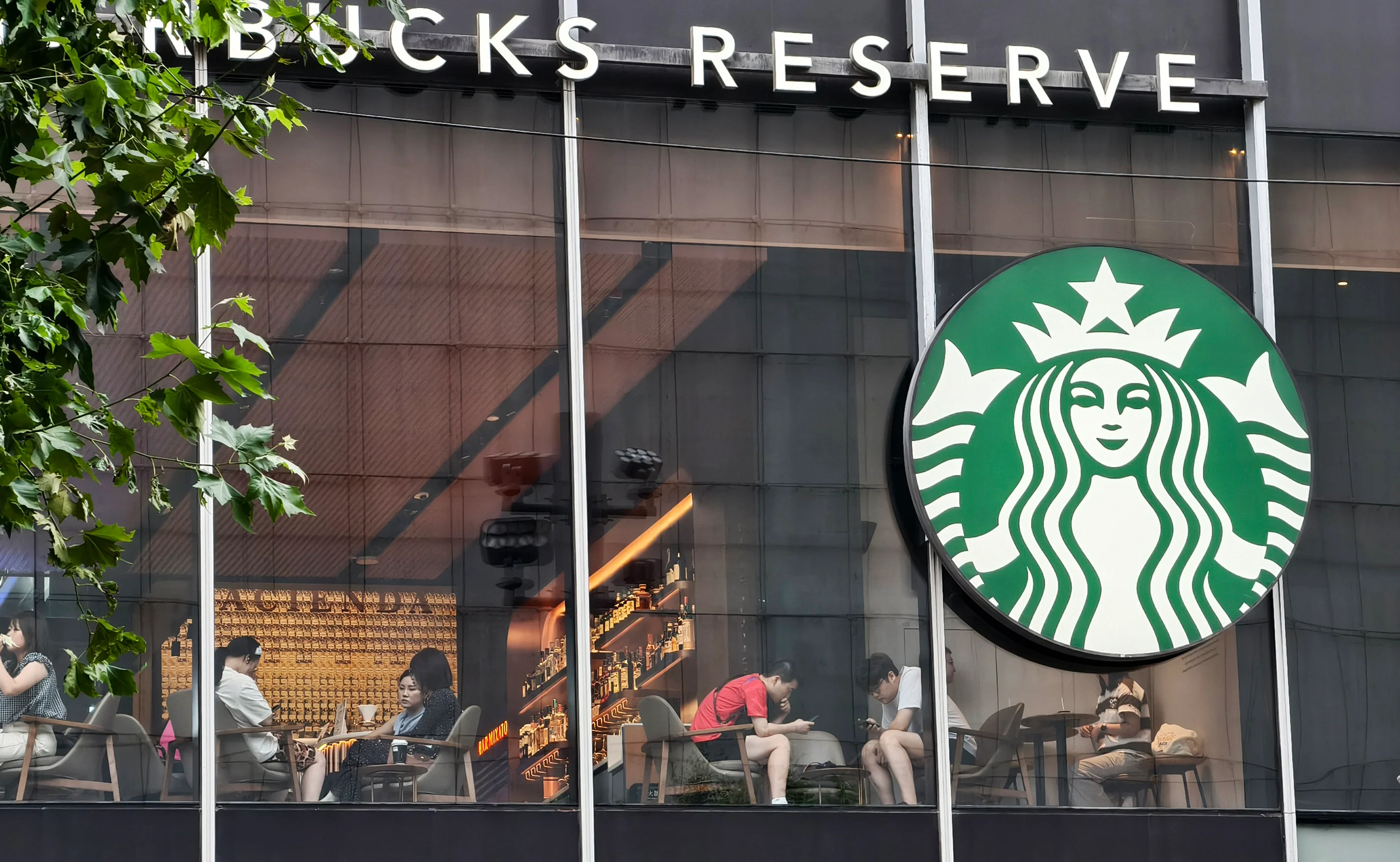
星巴克中国表示,将于本周四在全国范围内推行“先买后坐”规则,并在门店张贴相应标识,此前该公司去年已在北美门店实施类似政策。
Starbucks China says it will roll out its “purchase before seating” rule nationwide starting Thursday, with corresponding signs put in stores, following a similar policy it introduced at its North America stores last year.
这家总部位于西雅图的咖啡连锁店在周三的声明中称,将优先帮助有需要的顾客,如孕妇和行动不便者,并将继续将门店打造为所谓的第三空间。
The Seattle-based coffee chain would prioritise helping visitors in need, such as pregnant women and people with limited mobility, and would continue to foster its stores as so-called third places, it said in a statement on Wednesday.
该政策在网上引发了广泛讨论,有网友在中国社交平台 RedNote 上表示,这一规则合理且符合常识,星巴克本应更早在中国推出。
The policy has sparked widespread discussion online, with some commenters saying the rule was reasonable and common sense, and Starbucks should have introduced it earlier in China, according to posts on Chinese social media platform RedNote.
中国咖啡市场扩张迅速,运营商之间的竞争日益激烈。数据显示平台 Canyin88 的研究部门称,中国目前拥有超过5.5亿咖啡饮用者。
China’s coffee market has been expanding fast, and competition among operators has intensified. The country now has over 550 million coffee drinkers, according to data platform Canyin88’s research arm.
星巴克中国计划在2027财年(自9月28日开始)投入超过3亿元人民币(约4490万美元)用于升级门店设施和体验。
Starbucks China plans to invest more than 300 million yuan (US$44.9 million) to upgrade its store facilities and experiences in its 2027 financial year beginning on September 28.
该连锁店在4月完成了与中国私募股权公司博裕资本的合资协议,以进一步扩大在中国的布局。博裕资本持有新实体60%的股份,该实体负责星巴克在中国的零售业务。座位政策可能与西雅图总部无关。
The chain finalised a joint venture deal in April with Chinese private equity firm Boyu Capital, as it looks to further expand its footprint in China. Boyu Capital holds a 60 per cent stake in the new entity that runs Starbucks’ retail business in China. The seating policy may not be relevant to Seattle headquarters.
该合资企业目前在中国大陆运营约8,000家星巴克门店,并表示未来有望将网络规模扩展至2万家门店。
The joint venture now operated some 8,000 Starbucks stores on the mainland, with an ambition to expand the network to 20,000 outlets over time, it said earlier.
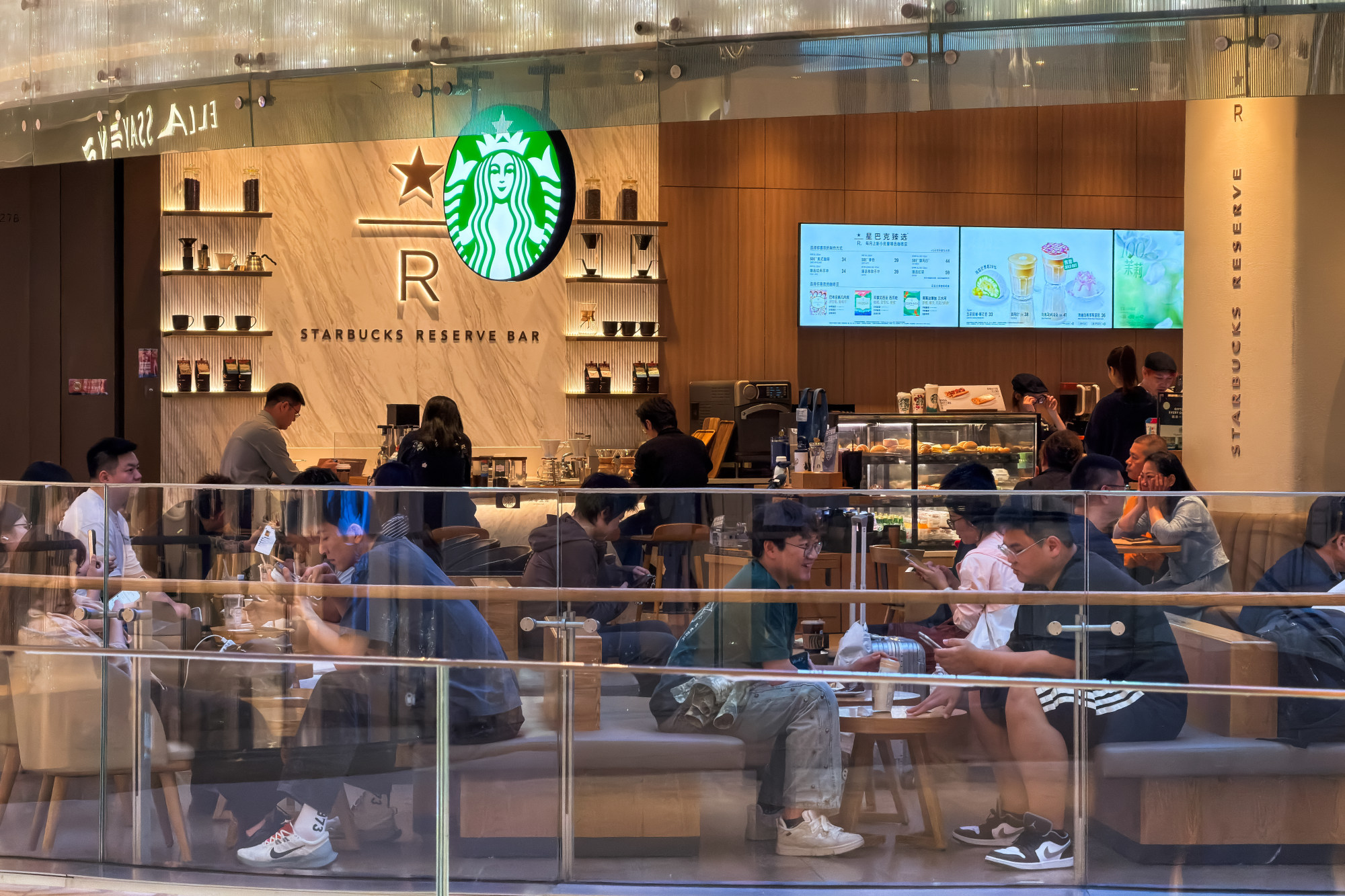
相比之下,国内连锁品牌瑞幸咖啡在中国(含香港)已运营超过36,000家门店,成为该国咖啡连锁企业中规模最大的玩家。
By comparison, domestic chain Luckin Coffee operates over 36,000 stores in China, including Hong Kong, making it the largest player among coffee chains operating in the country.
南京苏商银行特约研究员付一夫表示:“占座问题只是表面现象。更大的挑战在于,那些愿意为星巴克‘第三空间’体验额外付费的顾客正被竞争对手吸引走。”
“Free-seat hogging is only the visible issue. The bigger challenge is that shoppers willing to pay extra for Starbucks’ third-space experience are being drawn away by competitors,” said Fu Yifu, a special research fellow at Su Merchants Bank in Nanjing in China’s eastern Jiangsu province.
付一夫说:“不过,仅仅提高入座门槛只是一种运营层面的改进。要应对更广泛的竞争压力,星巴克必须将这一举措与更强的产品、店内体验和独特的价值主张相结合,这一点很重要。”
“Still, raising the seating threshold alone is an operational improvement. To tackle broader competitive pressures, it’s important for Starbucks to pair this with stronger products, in-store experiences and distinct value,” Fu said.
在2026财年第三季度,星巴克国际业务部门的营收同比下降34%,至13亿美元。星巴克在最新季度财报中表示,这一下滑主要是由于其中国零售业务转为合资企业,导致公司直营门店收入下降。
In the third quarter of its 2026 financial year, revenue from Starbucks’ international segment fell 34 per cent year on year to US$1.3 billion. The drop was primarily driven by the conversion of its China retail business into a joint venture, which drove company-operated store revenues lower, it said in its latest quarterly earnings.
星巴克此前已在北美采取措施收紧入座权限。2025年1月,该公司宣布将撤销2018年推出的开放政策。该政策曾允许任何人在不消费的情况下使用门店设施,包括座位区和洗手间。
Starbucks had already moved to tighten seating access in North America. It announced in January 2025 that it would reverse its open-door policy that it introduced in 2018. The rule had allowed anyone to use store facilities, including seating areas and restrooms, without making a purchase.
这一变化出台之际,星巴克正应对北美销售疲软的问题,并力求改善该地区的店内环境。这家咖啡连锁企业并未在其他国家推出类似的入座规定,但在其官网上发布了行为准则。
The change comes as Starbucks grapples with soft sales in North America and aims to improve the in-store environment in the region. The coffee chain did not launch similar seating rules in other countries but posts a code of conduct on its official website.