多年来,企业一直在全力冲刺,争相采用最新、最强大的 AI 模型。在这场冲刺中,平均 AI 技术栈迅速膨胀,涵盖了一系列平台,包括开发工具、AI 智能体、员工使用的服务,以及嵌入现有应用程序中的 AI 功能。
Over the years, enterprises have been in an all-out sprint to adopt the latest and greatest AI models. In that sprint, the average AI stack has grown quickly to include an array of platforms. These include developer tools, AI agents, employee-used services, and AI features embedded in existing applications.
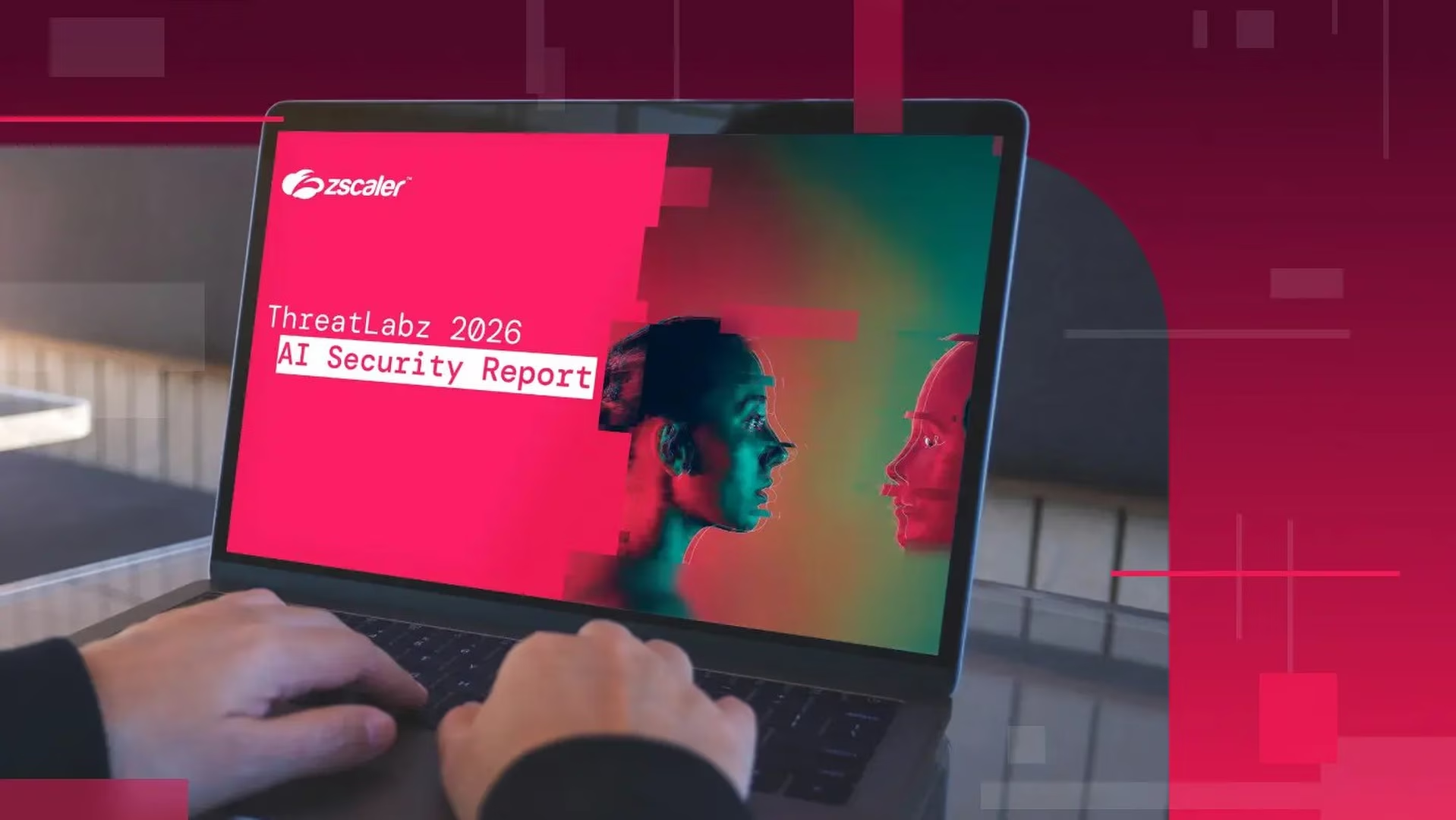
云原生网络安全平台 Zscaler 发布了数据,在其《ThreatLabz 2026 AI 安全报告》中凸显了这些趋势带来的风险。
Zscaler, a cloud-native cybersecurity platform, published data highlighting the risks associated with these trends in its ThreatLabz 2026 AI Security Report.
该报告基于对 2025 年约 9000 家组织产生的近万亿笔 AI 和 ML 交易的分析。报告发现,其平台上的 AI/ML 交易量同比激增 83%。与此同时,产生这些流量的应用程序数量近乎翻了四倍,增至 3400 多个。
The report draws on an analysis of nearly a trillion AI and ML transactions generated by about 9,000 organizations during 2025. It found that AI/ML transactions across its platform climbed 83% year-over-year. Meanwhile, the number of applications generating that traffic nearly quadrupled to more than 3,400.
这对首席信息安全官(CISO)意味着,AI 往往在安全团队未主动监控、也未归类为 AI 使用的领域,与敏感企业数据发生交互。
What this means for CISOs is that AI often interacts with sensitive enterprise data in areas that security teams are not actively monitoring or classifying as AI usage.
其中大量采用发生在传统的 AI 采购或安全审查流程之外,这使得这些趋势难以管控。这给组织的 AI 资产情况增添了一层模糊性。
Much of this adoption happens outside traditional AI procurement or security review processes, which makes these trends difficult to manage. That adds a layer of ambiguity to an organization’s AI footprint.
AI 的野蛮生长给安全团队带来了挑战。他们必须弄清实际在用的 AI 有哪些、谁有权访问、企业数据流向何处。缺乏对这些活动的清晰可见性,团队只能盲目地试图保护一个无法全貌掌握的 AI 技术栈。
Rampant AI adoption leaves security teams with a challenge. They have to identify what AI is actually in use, who has access to it, and where enterprise data is flowing. Without clear visibility into this activity, teams are haphazardly trying to secure an AI stack that they can’t fully see.
企业 AI 资产版图持续扩大 新一代 AI 进入企业生态系统的渠道,比大多数安全团队能够追踪的要多。它出现在显而易见的地方,如获批平台和员工受训使用的副驾驶工具。
The Enterprise AI Footprint Is Expanding New iterations of AI can enter the enterprise ecosystem through more channels than what most security teams can track. It shows up in obvious places like sanctioned platforms and copilots that employees are trained to use.
但企业 AI 资产版图也在悄然扩张。它通过直接内置于现有软件平台的 AI 功能、将 AI 服务连接至敏感内部系统的 API,以及自主处理任务的自主智能体不断增长。
But the enterprise AI footprint also expands discreetly. It grows through AI features built directly into existing software platforms and APIs that connect AI services to sensitive internal systems.
根据 Salesforce 的《Agentic Enterprise Index》(智能体企业指数),2025 年 2 月至 2026 年 4 月间,已将智能体投入生产环境的 Salesforce 客户,其智能体 AI 劳动力规模增长了一倍多。这表明 AI 智能体正被广泛采用,用于原本以人为中心的任务。
It also grows through autonomous agents that handle tasks on their own. Between February 2025 and April 2026, Salesforce customers with agents in production more than doubled their agentic AI workforce, according to Salesforce’s Agentic Enterprise Index. That signals widespread adoption of AI agents for otherwise human-centered tasks.
另据 Zscaler ThreatLabz 报告,2025 年传输至 AI/ML 应用的数据量激增 93%。报告还统计出与 ChatGPT 相关的数据防泄漏(DLP)策略违规事件达 4.1 亿起,其中包括试图共享社会安全号码、源代码和医疗记录。
Separately, Zscaler’s ThreatLabz report found that data transfers to AI/ML applications surged 93% in 2025. It also counted 410 million data loss prevention (DLP) policy violations tied to ChatGPT alone, including attempts to share Social Security numbers, source code, and medical records.
组织可能会惊讶地发现,仅靠新软件的采用并不能解释这种风险的增长。例如,现有应用程序可能推出 AI 驱动的功能。员工随即开始将其作为他们已信任的获批工具的自然延伸来使用。他们并不将其视为需要单独审查的新系统。
Organizations may be surprised to learn that new software adoption alone does not explain the growth of this risk. For instance, an existing application might roll out an AI-powered feature. Employees then start using it as a natural extension of an approved tool they already trust. They do not treat it as a new system requiring separate review.
还存在这样一种“影子”情况:员工为精简工作而添加未获批准的 AI 工具。尽管初衷良好,员工通常没有意识到他们带来的数据处理风险。
And then there is the shadow case of an employee adding an unsanctioned AI tool to streamline their work. Despite the good intentions, the employee typically doesn’t realize the data-handling risks they pose.
这种影子 AI 意味着企业各个角落存在的失控工具,比任何资产清单所能核算的都要多。
That kind of shadow AI means more rogue tools in more corners of the enterprise than any inventory can account for.
看不见,就无法防护 贵公司的安全团队擅长保护企业 AI 技术栈中已知存在的资产。但某个工具可能在并未被隐藏或未经授权的情况下,绕过公司的安全审批或监控协议。
You Can’t Secure What You Can’t See Your security team is adept at safeguarding what they know exists in the enterprise AI stack. But a tool can slip past the company’s security approval or monitoring protocols without being hidden or unauthorized.
它只需在安全计划最初建立时所追踪的分类体系之外运行即可。那可能是一个浏览器扩展,或是已在使用的应用程序中自动激活的某项功能。
It only needs to operate outside the categories a security program was originally built to track. That could be a browser extension or a feature that activates automatically within an application already in use.
在 Gartner 对 302 名网络安全领域专家的调查显示,69% 的受访者表示他们的组织怀疑或拥有证据,证明员工正在使用被禁止的公共生成式人工智能(public generative AI)技术。传统的应用程序清单主要是基于那些已经正式安装或采购的软件来编制的;这种清单的设计方式本身就无法检测到员工使用这类技术的行为。
In a Gartner survey of 302 cybersecurity leaders, 69% said their organizations suspect or have evidence that employees are using prohibited public generative AI. A traditional application inventory is built around software that’s formally installed or procured. By design, it fails to account for this activity. Bringing shadow AI to the surface requires a comprehensive view of who is using these tools.
要发现这些隐藏的(“影子 AI”)工具,就需要全面了解哪些人在使用这些工具,以及这些工具连接到了哪些应用程序和系统,以及用户在使用这些工具后能够访问哪些数据。
It also requires knowing which applications and systems they connect to, and what data they can access once connected. In many cases, AI functionality increasingly lives inside tools already approved for other purposes.
在许多情况下,人工智能功能实际上已经内嵌在那些原本被批准用于其他用途的工具中。因此,这种使用行为并不属于一个独立的风险类别,而只是隐藏在系统内部的一个层面——系统管理员原本以为自己已经完全掌握了这些系统的运作情况。
So the exposure isn’t a separate category of risk. It is a layer hidden within systems teams already thought they understood. AI Discovery Needs to Include Data Taking stock of the various tools within the enterprise AI stack only answers part of the question.
要有效发现这些隐藏的人工智能工具,仅仅盘点企业内部的所有人工智能相关工具是不够的;更重要的是要准确追踪哪些信息在这些工具中被处理或传输。这一过程实际上是从员工(或人工智能代理)开始使用这些工具时才真正启动的。
The more consequential piece of the inventory puzzle is accurately tracking what information moves into and through it. That starts once employees (or AI agents) use it. Prompts can include proprietary code or customer details.
某些工具可能包含专有代码或客户敏感信息;一个看似无害的文件上传行为,实际上可能会泄露员工本无意公开的全部文档内容。
And a seemingly innocent file upload can disclose an entire document that an unwitting employee didn’t intend to expose.
人工智能代理(AI agents)为网络安全带来了全新的复杂性——它们所处理的数据往往会影响到与其关联的所有应用程序和权限设置。仅依靠基于工具的清单来监控这些行为是远远不够的。
Agents bring a whole new level of complexity to the equation. The data they touch often extends into whatever applications and permissions sit behind them. A tool-focused inventory alone won’t be effective in capturing this activity.
仅仅知道某个应用程序使用了人工智能技术,并不能说明该应用程序是否能够访问客户数据库、写入共享文件,或者将数据分发到其他系统/服务中。
Merely knowing that an application uses AI says little about whether it can draw from a customer database, write to a shared drive, or distribute data downstream to other services.
衡量人工智能工具管理效果的关键标准,是能否同时追踪数据流动情况以及用户对这些工具的权限设置。因为真正的风险在于人工智能能够访问和传输哪些数据,而不仅仅在于它们是否存在。
The benchmark for effective discovery is the ability to track data flows and permissions alongside the tools themselves. This is because the true risk lies in what AI can access and move, not just in its existence.
从“AI可见性”到“基于风险的管控” AI的可见性有助于提升决策质量。一旦安全团队充分了解了AI的使用情况,他们就能区分哪些行为是可接受的、风险较低的,哪些行为则需要更严格的审查或管控。
From AI Visibility to Risk-Based Control AI visibility leads to better decision-making. Once security teams have a sound understanding of AI usage, they can differentiate acceptable and low-risk activities from ones that warrant closer scrutiny or tighter controls.
这种区分机制使得安全管控措施能够根据实际风险进行灵活调整,而不是对所有AI交互都采用统一的管控政策。例如,营销团队可能会在公开内容中使用经过审批的写作辅助工具;而拥有访问财务记录权限的AI系统则需要遵循不同的安全规则。因此,安全管控措施需要根据用户、应用程序、数据敏感度、权限级别以及具体使用场景来制定。
That distinction allows controls to scale with real risk, rather than applying one blanket policy to every AI interaction. A marketing team might use an approved writing assistant on public content. The rules for that differ from the rules for an agent with access to financial records. In that case, security controls depend on the user, the application, data sensitivity, permission level, and use case.
事实上,过度限制AI的使用反而可能使其转入“地下”(即转为非正式、难以监管的使用方式)。相反,适度、合理的管控措施既能允许合法的使用场景,又能确保安全监督的有效性。这正是“零信任”(Zero Trust)和数据保护原则的核心所在:持续进行验证、根据具体情境来管理访问权限,并且永远不要默认信任任何系统或行为。
In general, blocking AI tends to drive usage further underground, rather than reduce it. Proportionate controls give security teams room to allow legitimate use cases while still maintaining oversight. This is where AI visibility meets the Zero Trust and data protection principles most security programs already operate on. Verify continuously, grant access management based on context, and never trust by default.
AI安全的基石:了解你的AI环境任何治理政策的有效性,都取决于对其使用情况的清晰了解。虽然企业可以制定严格的AI使用规则,但如果没有对整个系统中实际使用的工具、应用程序及AI系统的全面、实时监控,这些规则就难以得到有效执行。而且,这种情况一直在变化:新的AI功能不断出现在现有软件中,AI系统在工作流程中也逐渐承担起更多自主决策的角色。因此,对AI的使用情况进行持续监控是一项长期的任务,而不仅仅是一次性的审计。
AI Security Starts With Knowing Your AI Environment The efficacy of a governance policy is only as good as the visibility behind it. An organization can set strict rules about what is and isn’t allowed for AI. But it’s hard to enforce those rules without a clear, up-to-date view of what tools, applications, and agents really live throughout the enterprise. And that picture is always changing. New AI capabilities keep showing up in existing software. And agents are taking on more and more autonomous roles in workflows. So AI discovery needs to be an ongoing process, not a one-time audit.
根据Zscaler的报告,通过提升对AI系统的可见性,企业将能够更有效地保障AI的安全。这意味着需要清楚了解AI的使用方式、访问权限以及企业数据在AI系统中的流动路径。
Based on Zscaler’s findings and takeaways from the report, organizations will be in a better position to secure AI with clear visibility. That means visibility into how AI is used, who accesses it, and how enterprise data flows through it.
这种可见性将快速增长且往往模糊不清的 AI 足迹,转化为安全团队可以信心满满地进行治理的对象。
That visibility turns a fast-growing and often murky AI footprint into something security teams can govern with confidence.