Canary Media 气候办公室 今年,全球铝供应短缺和美国关税动摇了铝市场,给美国增加本国金属产量的压力更大。建造或重启大型铝冶炼厂的计划正在推进,但它们都取决于能否获得大量廉价电力——而数据中心正在争夺每一瓦电力。
Canary Media Climate Desk A global supply shortage and US tariffs have roiled the aluminum market this year, putting greater pressure on the United States to produce more of its own metal. Plans to build or reopen giant smelters are moving forward but they all hinge on securing huge amounts of cheap power—at a time when data centers are chasing every last electron.
相比之下,回收铝只需要生产原生铝所需能量的5%,而美国废铝资源丰富。问题是,数百万吨废铝最终进入垃圾填埋场,原因是该国回收政策参差不齐,以及回收高质量铝废料的物流难题。
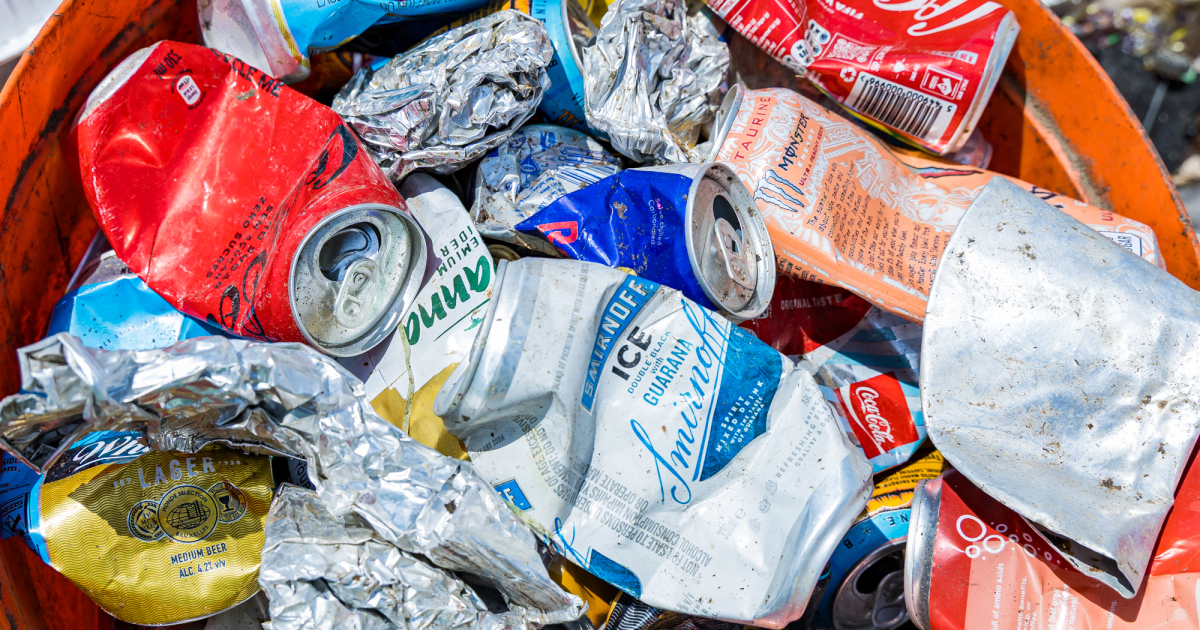
Recycling aluminum, on the other hand, uses only 5 percent of the energy needed to make virgin metal in smelters, and the US has an abundance of scrap. The problem is that millions of tons of it wind up in landfills, owing to the country’s spotty recycling policies and the logistical headache of salvaging high-quality aluminum scrap.
随着对这种多用途金属的需求增长——用于汽水罐、太阳能电池板、轻型汽车、电力电缆和数据中心——政策专家正敦促各州和联邦政府采取措施,提高美国铝回收率,减少对进口和冶炼厂生产金属的依赖。
As demand grows for the versatile metal—for soda cans, solar panels, lightweight cars, power cables, and data centers—policy experts are pushing states and the federal government to adopt measures that can boost aluminum recycling rates and reduce the country’s dependence on imported and smelter-made metal.
“这关乎安全的供应链问题,”SAFE智库战略工业材料中心执行主任乔·奎因说。该智库本月发布了一份关于美国铝缺口的报告。“美国真正的挑战,就是让人们把它回收起来,仅此而已。”
“It’s a secure supply chain issue,” said Joe Quinn, executive director of the Center for Strategic Industrial Materials at SAFE, a think tank that published a report this month on America’s aluminum deficit.
“回收的环境效益无处不在,”他谈到回收时说,“但我需要金属重新回到市场上。”
“The real challenge in the United States is just getting people to recycle it, period.”
如此多铝材最终成为废弃物的一个主要原因是,机械回收系统无法胜任这项工作。铝通常与铜、黄铜和钛等其他金属混杂在一起。此外,还难以识别特定合金——这些合金是掺入其他元素以使其更坚固、更耐用的铝混合物,用于电气设备或车辆零部件等特定应用。美国废金属经常被运往海外,人工分拣或粉碎熔化成低价值产品。
“There are environmental benefits all day long,” he said of recycling. “But I need the metal back in the market.”A major reason why so much aluminum winds up as waste is that mechanical recycling systems aren’t up to the task. Aluminum often arrives lumped together with other metals like copper, brass, and titanium. It’s also difficult to identify specific alloys—blends of aluminum that contain other elements to make them stronger and more durable—that are used for certain applications, like electrical equipment or vehicle parts. US scrap metal is frequently shipped overseas and sorted by hand or shredded and melted down into low-value products.
少数几家公司正在推出新技术,利用激光、先进传感器和人工智能在垃圾中寻找宝藏。初创公司Sortera Technologies去年融资4500万美元,在田纳西州黎巴嫩市建造第二座高科技回收设施,从混合废金属中分拣出有价值的铝合金。
A handful of companies are rolling out new technologies that use lasers, advanced sensors, and artificial intelligence to find treasure in the trash. The startup Sortera Technologies raised $45 million last year to build a second high-tech recycling facility in Lebanon, Tennessee, that plucks out valuable aluminum alloys from mixed scrap metal.
总部位于英国的公司Greyparrot在其他公司的回收工厂安装人工智能摄像头,追踪铝罐、玻璃瓶和塑料包装,目标是提高回收率。联合创始人安巴里什·米特拉表示,机械分拣设备可能会漏掉传送带上很大一部分可回收物,尤其是当系统物料负荷过重或部件出现故障时。
A UK-based firm, Greyparrot installs AI cameras in other companies’ recycling plants to track aluminum cans, glass bottles, and plastic packaging with the goal of increasing recovery rates. Mechanical sorting equipment can overlook a large portion of recyclables that move down conveyor belts, especially if the system is overburdened with material or its components are faulty, said cofounder Ambarish Mitra.
今年早些时候,Greyparrot在Circular Services位于布鲁克林的庞大设施中安装了其系统,该设施处理纽约市大部分的路边回收物。米特拉说,Greyparrot认定,经过该工厂的铝有89%是可回收的,这几乎是美国设施平均提取率的两倍。
Earlier this year, Greyparrot installed its systems at Circular Services’ sprawling facility in Brooklyn, which processes most of New York City’s curbside recycling. Greyparrot determined that 89 percent of aluminum passing through the plant is recyclable, which is nearly double the average extraction rate for US facilities, Mitra said.
“大量资金被白白浪费掉了,”他补充说,指的是本可以卖到二级市场却反而被漏掉的铝。“在我们进入的每一家工厂,产量都提高了,残留物线——也就是所有将进入垃圾填埋场的东西——变得更少了,因为越来越多的提取正在进行。”战略工业材料中心呼吁美国政策制定者采取联邦激励措施,并增加对先进分拣技术的研究资助。该中心主任本杰明·卡尔森指出,在整个经济中使用更多再生铝可以释放原生铝供应,供军事国防和航空航天等需要高纯度金属的行业使用。
“A substantial amount of money is left on the table,” he added, referring to aluminum that could be sold into secondary markets but slips through the cracks instead. “In every plant we have gone in, the yield has gone up, and the residue line—which is everything that will go into the landfill—has become leaner, because more and more extraction is going on.”The Center for Strategic Industrial Materials has called on US policymakers to adopt federal incentives and increase research funding for advanced sorting technologies. Benjamin Carlson, the center’s director, noted that using more recycled aluminum across the economy can free up supplies of virgin aluminum for sectors like military defense and aerospace that require high-purity metal.
卡尔森承认,缺乏合适的分拣工具并非扩大铝回收规模的唯一障碍。“美国真正的挑战仅仅是让人们去回收它,仅此而已,”他说。
The lack of suitable sorting tools isn’t the only barrier to scaling up aluminum recycling, Carlson acknowledged. “The real challenge in the United States is just getting people to recycle it, period,” he said.
特别是饮料罐的回收率正在下降,部分原因是铝业协会所谓的“对回收政策采取被动态度”。根据该行业协会和罐头制造商协会的数据,美国人在2023年丢弃了约610亿个此类容器,相当于价值12亿美元的铝。
Recycling rates for beverage cans in particular are declining, in part because of what the Aluminum Association called a “passive approach to recycling policy.”Americans tossed out some 61 billion of the containers in 2023, representing $1.2 billion worth of aluminum, according to the trade group and the Can Manufacturers Institute.
康涅狄格州在将押金费用翻倍后,兑换率也随之翻倍,但许多新增的罐子来自州外。
After Connecticut doubled its deposit fees, the redemption rates also doubled, but a lot of the new cans were from out of state.
几十年来,已有十个州颁布了“瓶子法案”政策,奖励消费者兑换饮料容器。这种方法长期以来被视为提高回收率的有效工具,尽管支持者表示,州级政策急需更新。
Ten states have enacted “bottle bill” policies over the decades that reward consumers for redeeming beverage containers. The approach has long been considered an effective tool for boosting recycling, though proponents say state policies are in dire need of an update.
例如,纽约州自20世纪80年代建立该制度以来,从未将5美分的押金退还费上调,回收中心仍按每罐3.5美分的原始标准收费。鉴于通胀上升和生活成本增加,收集和退还容器的工作对许多消费者失去了吸引力,对回收点而言也变得利润更低。
New York, for example, has never raised its deposit return fee of 5 cents since creating its system in the 1980s, and recycling centers still receive the original 3.5 cents per can. Given rising inflation and the higher cost of living, the work of collecting and returning containers is losing its appeal for many consumers and becoming less profitable for collection sites.
“每年回收中心越来越少,回收率也越来越低,”Sure We Can执行总监Ryan Castalia说。这家位于布鲁克林的非营利回收中心里,装满容器的袋子堆积如山。“这让每个人都损失了收入,也让填埋场里的罐头越来越多。”然而,正如康涅狄格州所经历的,提高押金费用并非简单的解决之道。该州于2024年将瓶罐押金从5美分提高到10美分后,到2025年底回收率翻了一番。但许多罐头很可能是从州外非法流入的,给康涅狄格州的批发饮料分销商带来了成本负担,最终由他们承担退还押金的费用。
“There are fewer and fewer redemption centers every year and lower and lower redemption rates,” said Ryan Castalia, executive director of Sure We Can, a nonprofit recycling center in Brooklyn, where bags of containers are piled high like mountains. “It’s lost income for everybody, and an increased amount of cans in the landfill.”However, as Connecticut has learned raising deposit fees is not a simple fix. After the state increased the value of its own bottle deposits from 5 to 10 cents in 2024, redemption rates doubled by the end of 2025. But many of those cans are likely coming in illegally from out of state, imposing a cost burden on Connecticut’s wholesale beverage distributors, who ultimately foot the bill for the refunded deposits.
Castalia表示,他在邻州纽约也感受到了影响。过去18个月里,Sure We Can处理的总量下降了约25%,从每年高峰期的1300万个容器降至约1000万个,因为收集者追逐更高的押金费用跨过了州界。虽然该中心获得拨款和慈善捐赠,但他表示收入下降使其财务状况更加岌岌可危。
Castalia said he’s feeling the effects in neighboring New York. In the past 18 months, Sure We Can has seen a roughly 25 percent drop in the total volume it handles, from a peak of 13 million containers per year to around 10 million containers, as collectors chase higher deposit fees across the state line. While the center receives grants and philanthropic donations, he said declining revenues make its financial situation more precarious.
马萨诸塞州公共利益研究小组执行总监Janet Domenitz表示,该州5美分的押金费用同样不足——不仅因为这一费率已有43年历史,还因为现代一次性饮料容器的激增导致垃圾增多。她说,新英格兰各州的区域性瓶罐押金法网络有助于提升回收利用,并为全国其他地区的努力提供动力。
Janet Domenitz, executive director of the Massachusetts Public Interest Research Group, said her state’s 5-cent deposit fee is similarly insufficient—not only because the rate is 43 years old but also because the modern explosion in single-use drink containers is causing more litter. She said a regional bottle-bill network for New England states could help enhance recycling and lend momentum to efforts in other parts of the country.
Castalia 指出,尽管联邦计划目前看来“几乎不可能”,但统一的全国性做法有助于解决目前各州政策拼凑而成的碎片化局面所存在的缺陷。参议员杰夫·默克利(民主党-俄勒冈州)一直在推动全国性的“瓶子法案”,旨在增加铝供应并减少对塑料包装的依赖,尽管他上一次提出该立法是在 2023 年。
Castalia noted that while a federal program seems “vanishingly unlikely” at the moment, a blanket approach could help address the flaws in the current patchwork of state policies. Sen. Jeff Merkley (D-Ore.) has led the push for a nationwide bottle bill to both increase aluminum supplies and reduce reliance on plastic packaging, though he last proposed the legislation in 2023.
默克利在一封电子邮件中表示,他将“继续在国会领导这项推动”,争取建立全国性模式。他说:“铝可以无限次回收利用,让这种材料保持在循环体系中,对于减少塑料废弃物和增强国内制造业至关重要。”
Merkley said in an email that he will “continue to lead the charge in Congress” for a countrywide model. “Aluminum is infinitely recyclable, and keeping that material in circulation is essential to cutting down on plastic waste and enhancing domestic manufacturing.”