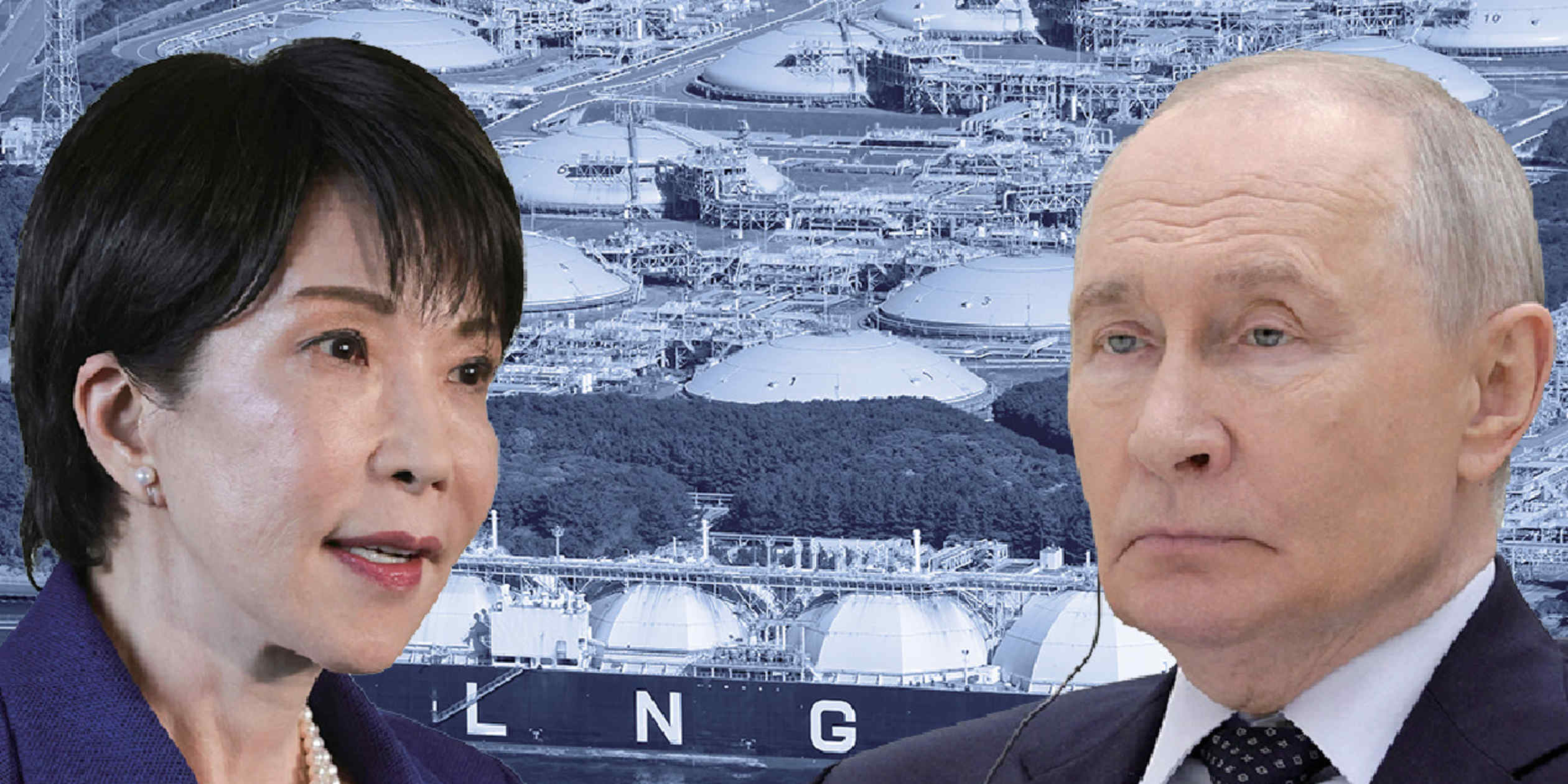
东京——在双方同意恢复外交关系七十年后,俄罗斯和日本之间的关系依然十分脆弱,这种关系主要建立在两国在能源贸易方面的共同利益之上。
TOKYO -- Seven decades after agreeing to restore diplomatic ties, Russia and Japan now share only a tenuous relationship, built largely on a shared interest in trade in energy.
“我们再次敦促日本政府重新考虑其立场,停止对俄罗斯采取敌对行动,”俄罗斯外交部发言人玛丽亚·扎哈罗娃于10月13日表示。她的声明发布仅三小时后,就有消息称俄罗斯联邦安全局逮捕了一名来自《北海道新闻》的日本记者。
"We once again urge the Tokyo authorities to reconsider and change their approach by abandoning their hostile steps toward Moscow, Russian Foreign Ministry spokeswoman Maria Zakharova wrote on Oct. 13. Her statement came just three hours after news emerged that Russia's Federal Security Service had detained a reporter from Japan's Hokkaido Shimbun.
这一事件发生在日本政府于10月2日决定因俄罗斯在乌克兰的战争而对俄罗斯实施额外制裁之后。日本政府禁止为那些运输俄罗斯石油的船只提供相关服务;这些船只属于俄罗斯的主要收入来源。
This followed the Japanese government's Oct. 2 decision to impose additional sanctions on Russia over its war in Ukraine. Tokyo banned the provision of services to 35 vessels in the "shadow fleet" that transports Russian oil, a key source of revenue for Moscow.
日本政府的这一举措实际上是针对俄罗斯总统弗拉基米尔·普京8月访问俄罗斯控制的千岛群岛(日本称其为“北方领土”)所作出的反应。
That measure, in turn, was in effect a response to Russian President Vladimir Putin's August visit to the southern Kuril Islands which Russia controls and Japan claims as the Northern Territories.
乌克兰的长期战争已经严重削弱了俄罗斯的经济。随着各项开支的激增,俄罗斯政府被迫将预算赤字预测从1.6%上调至3.2%。2027年的预算草案中包含了17.1万亿卢布(约合2070亿美元)的军事开支——这是自2022年俄罗斯入侵乌克兰以来的最高军事开支水平。
The protracted war in Ukraine has exhausted Russia's economy. As costs have ballooned, the government has been forced to increase its budget deficit forecast to 3.2% of gross domestic product from 1.6%. The draft budget for 2027 includes 17.1 trillion rubles ($207 billion) in military spending -- the most of any year going back to the 2022 invasion.
面对这一挑战,俄罗斯试图通过施压与提供诱因相结合的方式来影响日本。
Faced with this challenge, Russia looks to sway Japan with a combination of pressure and enticement.
在10月1日于莫斯科举行的一个国际论坛上,普京表示:“我们对与日本的合作感兴趣”,并承诺会支持那些继续与俄罗斯合作的日本企业。俄罗斯的目标是利用日本自身的困境来达成自己的目的。霍尔木兹海峡的封锁迫使日本不得不减少对中东能源的依赖;对于这个几乎完全依赖进口化石燃料的国家来说,切断与俄罗斯的能源供应将是一个巨大的挑战——毕竟俄罗斯仅隔海相望。
At an international forum in Moscow on Oct. 1, Putin said that "we are interested in cooperation with Japan" and that Russia will support Japanese companies that "continue to cooperate with the Russian Federation." The goal is to take advantage of Tokyo's own predicament. The closing of the Strait of Hormuz has forced Japan to move away from relying on the Middle East for energy. It would be difficult for the country -- which imports nearly all of its fossil fuels -- to cut off supply from Russia, only a short distance away by sea.
2025年,俄罗斯是日本第三大液化天然气进口来源国,占进口总量的8.9%。即使在入侵乌克兰之后,日本企业仍保留了在俄罗斯远东萨哈林-2石油天然气项目中的股份。太阳石油公司今年5月从萨哈林-2购买了原油。
Russia was Japan's third-largest source of liquefied natural gas imports in 2025, accounting for 8.9% of the total. Japanese companies have maintained stakes in the Sakhalin-2 oil and gas project in the Russian Far East even after the invasion of Ukraine. Taiyo Oil bought crude from Sakhalin-2 this past May.
同月,日本经济产业省和外务省的高级官员率领贸易公司等企业的高管代表团访问莫斯科。他们要求俄罗斯政府保护留在该国的日本企业资产。
That month, senior officials from Japan's economy and foreign ministries visited Moscow with a delegation of executives at trading houses and other companies. They asked the Russian government to protect the assets of Japanese businesses remaining in the country.
据日本外务省一位高级官员透露,有人担心,如果日本企业放弃在萨哈林-2的权益,这些权益可能会被中国收购。
There are concerns that if Japanese players relinquish their interests in Sakhalin-2, they could be scooped up by China, according to a senior official at Japan's Foreign Ministry.
俄罗斯希望利用能源作为筹杠杆,促使日本放宽制裁,以支撑其经济。日本首相高市早苗表示,在对俄外交中将“综合考虑我国国益”。
Russia hopes to shore up its economy by using energy as leverage to get Japan to relax its sanctions. Japanese Prime Minister Sanae Takaichi has said she will "comprehensively consider our national interests" when conducting diplomacy with Moscow.
有观点认为,东京缺乏对双边关系的长远眼光,使其处于被动地位。
Some argue that Tokyo lacks a long-term perspective on the relationship, putting it in a passive position.
随着乌克兰危机导致外交陷入实质性停滞,日本面临如何应对俄罗斯的问题。庆应义塾大学综合政策学部教授、外交政策专家鹤冈路人承认有沟通的必要性,同时强调外交自主性的重要性。
Japan faces the question of how it should deal with Russia as the invasion of Ukraine has left diplomacy at an effective standstill. Foreign policy expert Michito Tsuruoka, a professor on Keio University's Faculty of Policy Management, acknowledges the need for communication while stressing the importance of diplomatic autonomy.
进一步多元化国家能源供应将是关键,加强与欧洲的合作是一个选项。鹤冈表示,日本“需要采取一种视角,即通过收紧制裁等举措,让自己在日俄力量对比中占据优势”。
Further diversifying the country's energy supply will be key, and stepping up cooperation with Europe is an option. Japan "needs to take a perspective of giving itself an edge in the Japan-Russia power balance, through such moves as tightening sanctions," Tsuruoka said.