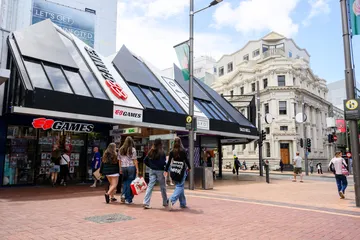
在新西兰,日常用品价格飙升令人震惊:面包价格比三年前上涨了64%,黄油上涨57%,电费上涨27%。此类涨价导致各党派政客在下个月大选前纷纷提出激进的市场干预方案,以改善竞争、降低成本。
In New Zealand, the rising price of everyday items is sobering: bread costs 64% more than three years ago, butter is up 57% and electricity 27%. Hikes like these are causing politicians across the spectrum to propose radical market interventions to improve competition and lower costs ahead of next month’s election.
虽然部分选民可能在11月7日投票前被这些提议打动,但商界领袖对国家扮演更积极干预者的角色感到恐慌。
While some consumers may be won over ahead of the Nov. 7 vote, business leaders are spooked by the idea of a more activist role for the state.
总部位于惠灵顿的全球基础设施管理公司Morrison首席执行官保罗·纽菲尔德(Paul Newfield)表示:“考虑到我们正在经历的生活成本危机,以及民众希望政府采取行动的愿望,这些提议‘完全可以理解’。”
The proposals are “completely understandable when you think about what we’re going through in the cost of living and desire to see governments do something about that,” said Paul Newfield, chief executive officer at Wellington-based global infrastructure manager Morrison.
但他指出,新西兰赢得了作为外资可靠归宿的声誉,“新西兰需要的是资本”,他在采访中说,“不要破坏你花了几十年建立起来的东西。”在全球范围内,生活成本一直是近期多国大选的核心议题,中东和俄罗斯的战争给粮食和能源价格带来了额外压力。
But New Zealand has earned a reputation for being a reliable home for foreign capital, and “what New Zealand needs is capital,” he said in an interview. “Don’t damage what you’ve spent decades building up,” Around the world, cost of living has been a central issue in recent elections, with wars in the Middle East and Russia adding pressure on food and energy prices.
引人注目的是,新西兰政客在应对上准备走多远,尤其是在一个曾是1980年代和1990年代自由市场改革坚定推行者、并建立了稳定可预期营商环境声誉的国家。
What is striking in New Zealand is how far politicians are prepared to go in response, particularly in a country that was a strong proponent of free-market reforms in the 1980s and 1990s and built a reputation as a stable and predictable place to do business.
吓退外资投资的前景通常会让试图振兴低迷经济的政客感到恐慌。但公众压力已将焦点转向寻找任何解决生活成本危机的办法,尤其是在房价下跌和利率上升的背景下。
The prospect of deterring foreign investment would normally alarm politicians trying to revive a sluggish economy. But public pressure has swung the focus toward finding any solution to the cost-of-living crisis, especially amid falling home prices and higher interest rates.
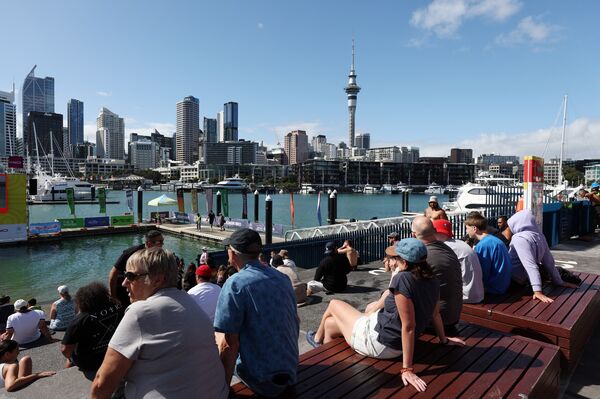
多个政党的承诺包括拆分超市连锁、对抗电力公司,甚至威胁将最大银行之一收归国有。
Among the pledges from multiple parties is the break up supermarket chains, as well taking on power companies and even threats to bring one of the biggest banks into state ownership.
“政治环境变得如此恐慌,以至于威胁那些没有做错任何事的企业已成为一种合法的政治策略,”自由意志主义行动党领袖大卫·西摩表示,该党没有计划进行任何收购。
“The political environment has become so panicked that threatening businesses who’ve done nothing wrong has become a legitimate political strategy,” said David Seymour, leader of the libertarian ACT Party, which has no takeovers planned.
由企业支持的独立智库新西兰倡议组织上月向各政党领袖发布了一封公开信,要求他们撤回相关政策。这封信由51位商界领袖签署,其中包括玩具公司Zuru的亿万富翁创始人尼克·莫布雷、Infratil Ltd.首席执行官杰森·博伊斯,以及新西兰澳新银行刚刚退休的首席执行官安东尼娅·沃森。
The New Zealand Initiative, a business-backed independent think tank, last month published an open letter to the leaders of the political parties asking them to withdraw their polices. The letter was signed by 51 business leaders, including Nick Mowbray, the billionaire founder of toy company Zuru, Jason Boyes, the chief executive officer of Infratil Ltd. and Antonia Watson, the recently retired CEO of ANZ Bank New Zealand.
信中将这些干预措施描述为“重手”,警告称强制出售和拆分“向全球投资者发出信号,表明此处的所有权取决于政治便利”。这已成为执政的国家党的一个特别弱点,该党以善于经济管理自居,却在民意调查中表现挣扎。
The letter described the interventions as “heavy handed,” warning that forced sales and breakups “tell investors around the world that ownership here depends on political convenience.”It has become a particular vulnerability for the governing National Party, which prides itself on economic management but has struggled in opinion polls.
“生活成本是许多家庭最关心的问题,”Infometrics首席经济学家布拉德·奥尔森表示。“显然,目前存在一些相当大的压力,特别是燃油成本,确实让人感到痛楚。”
“The cost of living is top of mind for a lot of households,” said Brad Olsen, principal economist at Infometrics. “Clearly at the moment there are some pretty big pressures, particularly around fuel costs that are really biting.”
他说:“上一次我们在上届大选前后面临巨大的生活成本压力时,劳动力市场也非常紧张,工资大体上能跟上成本的变化。但现在你们面临的是11年来最高的失业率、更为疲软的工资增长,以及一些基本生活必需品成本依然大幅上涨。”但关注焦点很大程度上集中在基本食品上——与现政府于2023年10月当选时相比,牛肉末价格上涨了35%,牛奶价格上涨了30%——这使超市行业直接成为政策制定者的瞄准目标。
“The last time we had a big cost-of-living pressure build up around that last election we also had such a tight labor market that wages sort of were broadly keeping pace with changes in costs,” he said. “At the moment you’ve got the highest unemployment rate in 11 years, more subdued wage growth and still large increases in some of the more essentials costs.”But much of the focus is on basic foods —ground beef is 35% more expensive than when the current government was elected in October 2023, while milk costs 30% more — bringing the supermarket sector squarely into the sights of policymakers.
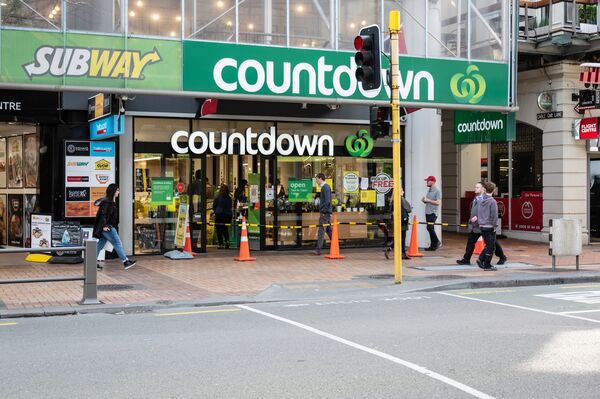
该行业由两家企业主导——澳大利亚运营商Woolworths Group Ltd.的新西兰分公司,以及规模大得多的Foodstuffs,后者是一家经营500多家门店的合作社。2022年的一份报告发现,这两家企业作为双头垄断运作,维持了高价,同时使新进入者难以扩张。
The sector is dominated by two players — the local unit of Australian operator Woolworths Group Ltd. and the much larger Foodstuffs, which is a cooperative running more than 500 stores. A report in 2022 found the pair operated as a duopoly that kept prices elevated, while making it difficult for new entrants to expand.
尽管现在受到监管监督,但双头垄断依然存在。财政部长Nicola Willis在2025年初表示,她的政府正在积极寻求第三家企业进入市场,但无人感兴趣。
Although now subject to regulatory oversight, the duopoly persists. Finance Minister Nicola Willis in early 2025 said her government was actively seeking a third player to enter the market, but no one was interested.
国家党承诺,如果商业委员会认定消费者将受益,将把Foodstuffs拆分为两家;新西兰第一党也支持拆分该合作社。
National has pledged to split Foodstuffs in two if the Commerce Commission determines consumers would benefit, while New Zealand First also backs breaking up the cooperative.
主要反对党工党希望Foodstuffs和Woolworths剥离其批发业务,而绿党则将强迫它们向一家新的国有连锁店出售至少120家门店。
The main opposition Labour Party wants Foodstuffs and Woolworths to separate their wholesale operations, while the Green Party would force them to sell at least 120 stores to a new, publicly owned chain.
工党还提议在能源、燃料、电信、银行和保险等其他行业将哄抬物价定为非法。一部新法律将界定占主导地位的企业提供的价格何时变得不公平和过高,并将赋予商业委员会更大权力进行调查和寻求处罚。一些政客希望在其他行业走得更远。
Labour is also proposing to make price gouging illegal across other industries such as energy, fuel, telecommunications, banking and insurance. A new law will define when prices being offered by dominant players become unfair and excessive, and it will give the Commerce Commission more power to investigate and seek penalties. Some politicians want to go further in other industries.
在银行业,四家澳大利亚所有的贷款机构占据主导地位,掌握着约85%的所有存款。作为执政中右翼联盟一部分的新西兰第一党,希望从National Australia Bank手中收购新西兰第三大贷款机构新西兰银行,并将其与现有的国有Kiwibank合并。该党辩称,这将创造一个重要得多的参与者,从而改变外资银行的行为。
In banking, four Australian-owned lenders dominate, with around 85% of all deposits. New Zealand First, part of the ruling center-right coalition, wants to buy Bank of New Zealand, the nation’s third largest lender, from National Australia Bank and merge it with existing state-owned Kiwibank. That would create a much more significant player which, it argues, will change the behavior of foreign-owned banks.
在电力领域,四家公司运营着几乎全国所有的发电厂,并将电力出售给消费者。新西兰优先党希望拆分这些所谓的“发售一体”公司,以便竞争性的零售商能够进入市场,并确保发电商无法通过限制供应来推高价格。
In electricity, four companies operate almost all the nation’s generation plants and also sell the power to consumers. New Zealand First wants to split the so-called gentailers, so that competing retailers can enter the market and ensure generators can’t limit supply to inflate prices.
绿党也支持分离,并提议成立一家公共所有的实体,直接投资新的可再生能源电厂。该党计划将这家公司命名为“Kiwipower”。
The Greens also back separation, and propose a publicly owned entity that will invest directly in new renewable plants. It plans to call the company Kiwipower.