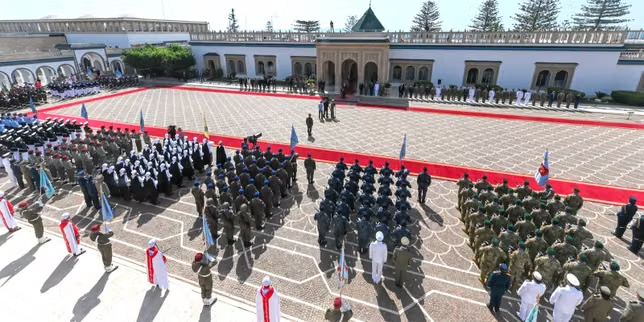
10月19日周一,约50名年轻男子在突尼斯东部苏塞驻军营地残破的墙壁前,在烈日下排队站立。许多人来自沿海城市苏塞,其他人则来自更南方的凯鲁万或马赫迪亚。他们全都接到了服12个月兵役的征召令,自1975年以来,兵役在理论上对20岁以上的突尼斯人是强制性的,但这一制度自2011年革命以来被广泛抵制。
Around 50 young men stood in line under the sun, in front of the crumbling walls of the Sousse garrison in eastern Tunisia on Monday, October 19. Many came from the coastal city of Sousse, while others were from Kairouan or Mahdia, further south. All had been called up for their 12-month military service, which has been theoretically mandatory for Tunisians over the age of 20 since 1975, a system widely shunned since the 2011 revolution.
虽然上一轮征兵于10月2日结束,但苏塞动员中心——全国五个动员中心之一——仍继续接收自愿服役者。这种特别高的到场率,与其说是该计划人气回升,不如说是因为试图逃避服役的应征者现在面临处罚的威胁。
Although the last recruitment session ended on October 2, the Sousse mobilization center – one of five in the country – continued to receive those willing to serve. This particularly high turnout is due less to a resurgence in the program's popularity than to the threat of penalties now facing conscripts who attempt to evade service.
尽管突尼斯军队在公众中享有正面形象,但强制性国民服役长期以来被忽视,真正服役的应征者仅占极小部分。格勒诺布尔管理学院(GEM)安全与地缘政治风险教授穆拉德·沙比解释说:“在1980年代和1990年代,曾有抓捕行动强迫人们服兵役,但在[前总统齐内·阿比丁·]本·阿里统治下结束了:国家对不服役的年轻人的状况视而不见。”2024年2月的一项法律豁免了2000年1月1日前出生的突尼斯人。
While the Tunisian army enjoys a positive image among the public, the mandatory national service has long been neglected, with only a fraction of those called truly serving. "In the 1980s and 1990s, there were roundups to force people into military service, but that ended under [former president Zine El Abidine] Ben Ali: The state turned a blind eye to the situation of young people who did not serve," explained Mourad Chabbi, professor of security and geopolitical risks at Grenoble École de Management (GEM). A February 2024 law exempted Tunisians born before January 1, 2000.