研究人员已向一名患者给予了由人工智能设计、靶向细菌的病毒,据称这是首例此类案例,但不要催促他们公布结果:他们尚未准备好说明治疗进展如何。
Researchers have administered AI-designed, bacteria-targeting viruses to a person in what they claim is a first, but don’t press them for results: They’re not ready to say how it went quite yet.
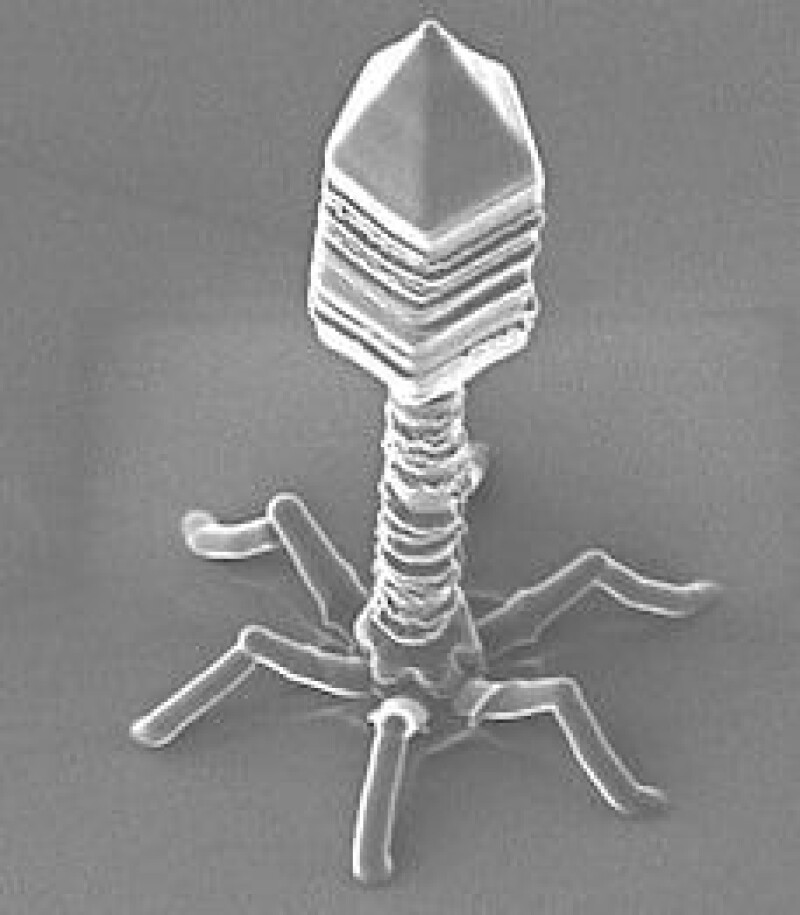
总部位于旧金山的人工智能实验室 Radical Numerics 本周宣布了这一治疗,声称这标志着含有人工智能设计噬菌体的鸡尾酒疗法首次在同情用药安排下用于人类患者。这些可不是普通病毒:Radical Numerics 本周公开发布的 AI 模型 Omnii-1 被用于设计可行的噬菌体,这是一种专门感染细菌的病毒。
Radical Numerics, a San Francisco-based AI lab developing AI models for bioscience, announced the treatment this week, claiming it marks the first time a cocktail containing AI-designed bacteriophages has been administered to a human patient under a compassionate-use arrangement. These aren’t just any viruses, mind you: Omnii-1, the AI model publicly unveiled by Radical Numerics this week, was used to design viable bacteriophages, a type of virus that specifically infects bacteria.
噬菌体的治疗用途本身并不新鲜,随着抗生素耐药细菌的增加导致抗生素日益失效,这种靶向细菌的病毒正被寻求作为替代疗法。与抗生素相比,噬菌体具有多项潜在优势,最显著的是其能够靶向特定细菌菌株——在避免伤害可能受广谱抗生素影响的有益肠道细菌方面,这是一大优势。
Therapeutic use of phages isn’t novel in and of itself, with the bacteria-targeting viruses being sought as an alternative to combat the rise of antimicrobial-resistant bacteria that are increasingly rendering antibiotics ineffective. Phages have a number of potential advantages over antibiotics, most notably their ability to target specific bacterial strains – a big plus when it comes to sparing beneficial gut bacteria that can be affected by broad-spectrum antibiotics.
正如我们去年报道的那样,人工智能在加速噬菌体工程方面已显示出前景,当时斯坦福大学和 Arc 研究所的一组研究人员创造了靶向大肠杆菌的人工智能设计噬菌体。这些噬菌体利用一种研究透彻的天然大肠杆菌噬菌体的基因序列进行设计,包含若干变体,在实验室测试中表现优于其生物学前体。
AI has already shown promise in speeding up phage engineering, as we reported last year when a group of researchers from Stanford University and the Arc Institute created AI-designed phages that targeted E. coli bacteria. The phages, designed using the genetic sequence of a well-studied natural E. coli phage, included several variants that outperformed their biological predecessor in laboratory tests.
与 Radical Numerics 的文中引用的斯坦福研究类似,该公司利用其自有 AI 模型设计噬菌体,随后针对从患者所患抗生素耐药感染中分离出的细菌进行了测试。
Similar to the Stanford work, which is referenced in Radical Numerics' write-up, the company used its own AI model to design bacteriophages, which it then tested against bacteria isolated from the antibiotic-resistant infection its patient was suffering from.
“含有Omnii-1设计的噬菌体变体的鸡尾酒疗法在体外消灭了患者的耐抗生素分离株,”该公司解释道,“因此至少有一个成功案例记录在案。”“该实验性鸡尾酒疗法随后在同情用药的情况下给予了患者。”遗憾的是,结果记录到此为止,Radical Numerics并未发布任何关于在人体内测试噬菌体结果的信息,理由是需要保护患者隐私。
“The cocktail containing Omnii-1-designed phage variants eliminated the patient's antibiotic-resistant isolate in vitro,” the company explained, so there’s at least a success on record there. “The investigational cocktail was subsequently administered to the patient under compassionate use.”Unfortunately, that’s where the trail of results ends, as Radical Numerics didn’t publish anything about the results of testing the phage in a human, citing the need to protect their privacy.
该公司也不希望外界认为其AI噬菌体疗法普遍安全有效,并指出单个患者的观察结果无法确立太多结论。甚至未说明患者患有何种感染,尽管研究报告确实提到测试了Omnii-1预测哪些噬菌体能感染铜绿假单胞菌的能力,这种细菌可产生抗生素耐药性,并导致烧伤及其他伤口患者感染,以及囊性纤维化患者的持续性肺部感染。
The company also doesn’t want to give the impression that its AI phage therapy is generally safe or effective, noting that observations from a single patient don’t establish much of anything. It’s not even stated what infection the patient was suffering from, though the research write-up does mention testing Omnii-1’s ability to predict which phages could infect Pseudomonas aeruginosa, a bacterium that can develop antibiotic resistance and cause infections in patients with burns and other wounds, as well as persistent lung infections in cystic fibrosis patients.
研究报告指出,该AI模型在预测噬菌体-宿主相互作用方面“表现具有竞争力”,可与专用模型媲美。论文中没有任何迹象表明患者患有铜绿假单胞菌感染。
The AI model “performed competitively” against a specialized model at predicting phage-host interactions, the research write-up notes. There’s nothing in the paper to suggest the patient was suffering from a Pseudomonas aeruginosa infection.
Radical Numerics表示:“这标志着将AI设计生物学从计算预测和实验室验证推向临床应用的重要里程碑。”即使最终未能完全清除感染,该疗法也已将该技术推向实验室测试之外。Radical Numerics希望其工作能催生出针对个体细菌感染设计和构建噬菌体的流程,而这种需求已迫在眉睫——抗生素耐药性是日益严重的全球健康威胁,耐药感染已在全球造成大量死亡。Radical Numerics未回应本文的提问。®
“This marks an important milestone in translating AI-designed biology from computational predictions and laboratory validation to clinical administration,” Radical Numerics said of its work. The treatment takes the technology beyond laboratory testing, even if it turns out not to fully eliminate the infection. Radical Numerics hopes its work will lead to a process for designing and building phages targeted to individual bacterial infections, and the need for alternatives is already pressing – antibiotic resistance is a growing global health threat, with drug-resistant infections already causing substantial mortality worldwide. Radical Numerics didn’t respond to questions for this story. ®