16年来,Alicia Keenan以传统方式建立了一家利基招聘企业:通过培育关系、积累专业知识,为全球动物健康和制药公司精挑细选高管。她位于悉尼的公司业务遍布数十个国家,巅峰时期雇佣或签约约11人。
For 16 years, Alicia Keenan built a niche recruitment business the old-fashioned way: by nurturing relationships, amassing specialized knowledge and handpicking executives for animal health and pharmaceutical companies around the world. Her Sydney-based firm worked across dozens of countries and at its peak employed or contracted about 11 people.
但增长屡屡撞上同一道天花板:Alicia Keenan本人。“一切都依赖我,”她说,“这一直是个挑战。”因此,去年底,这位49岁的创始人转向AI。她开始用人工智能取代公司的人力运作,并围绕四个作为她自身延伸的AI智能体重构了整个业务。
But growth repeatedly ran into the same ceiling: Alicia Keenan. “Everything relied on me,” she says. “That’s been a challenge.”So late last year, the 49-year-old turned to AI. She began replacing her firm’s human machinery with artificial intelligence and has reconstructed her entire business around four AI agents that are extensions of herself.
仅仅几个月,Keenan已让智能体负责挖掘潜在业务、产出市场情报、培育候选人并协助开展高管猎聘。她表示,显然自己将能处理多得多的工作,且运行该技术的成本比雇佣人类更低。
Just a few months in, Keenan has agents scouting for potential business, producing market intelligence, nurturing candidates and helping run executive searches. She says that it’s already clear she’ll be able to handle much more work and that the technology is cheaper to run than it is to pay humans.
Keenan的彻底变革展示了AI帮助企业扩大运营规模、自动化复杂工作流、并有效让个人化身为“单人公司”的潜力,这正处于关于该技术对劳动力市场影响的极不一致预测之中。Anthropic PBC首席执行官Dario Amodei警告称,AI可能淘汰一半初级白领岗位,而一些经济学家认为它可能带来前所未有的生产力与就业增长时代。
Keenan’s overhaul shows AI’s potential to help businesses scale operations, automate complex workflows and effectively allow individuals to become one-person companies amid wildly varying predictions about the technology’s impact on labor markets. Anthropic PBC Chief Executive Officer Dario Amodei has warned that AI could wipe out half of all entry-level white-collar jobs, while some economists say it could lead to an unprecedented era of productivity and jobs growth.
Keenan的经历显示,替代人力劳动需要付出多大努力。远非一夜之间消除岗位,她旗下Aicila Group Pty Ltd.的转型是一个艰辛且耗时的过程,几乎没有捷径。
Keenan’s experience shows just how much work is required to replace human labor. Far from eliminating people overnight, the transformation of her business, Aicila Group Pty Ltd., was an arduous and time-consuming process with few shortcuts.
基南花费数月时间才敲定代理程序的运行规则。她制作了近200份文件,涵盖工作流程、隐私规则、法律标准以及多个司法管辖区的合规要求。客厅墙壁上贴满了纸张和便签,她试图将近二十年的经验浓缩进四个自主代理程序中。
It took months to nail down the operating rules for her agents. Keenan produced close to 200 documents covering their workflows, privacy rules, legal standards and compliance requirements across multiple jurisdictions. The walls of her living room were covered in paper and reminder notes as she tried to decant almost two decades of experience into four autonomous agents.
“它们实际上是我职业生涯所学知识的‘复刻版’,”基南说。这个过程耗尽了“数月来每一个清醒时刻”。咨询公司罗兰贝格表示,这种工作是最终充分发挥人工智能效用的关键。该公司在9月的一份报告中指出,虽然许多企业都在投资AI,但只有那些愿意重新设计现有工作流程的企业才能获得全部回报。否则,代理程序可能仍会受制于低效问题,包括过度的人工监督。“打破常规很难,”罗兰贝格驻悉尼合伙人纳瓦兹·伊萨吉说。
“They’re really carbon copies of the information I’ve learned over a career,” Keenan says. The process consumed “every breathing moment for months and months.”Such work is key to ultimately getting the most out of artificial intelligence, according to consulting firm Roland Berger. While many companies are investing in AI, only those willing to redesign existing workflows will reap the full rewards, it said in a September report. Otherwise, agents can remain hamstrung by inefficiencies, including too much human oversight. “Breaking the egg is tough,” says Nawaz Isaji, a Sydney-based partner at Roland Berger.
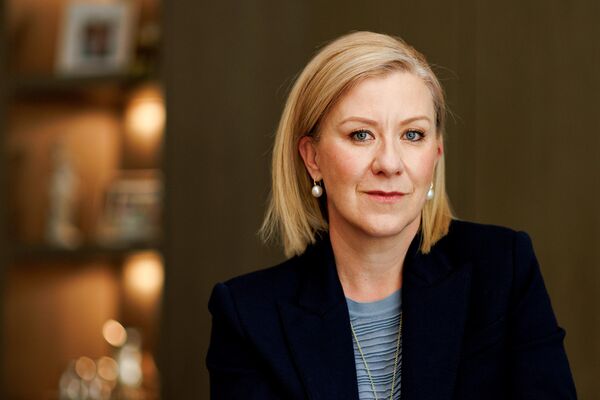
坐在悉尼东部郊区公寓的餐桌旁,基南表示,她转向AI最初是出于担心被竞争对手甩在后面的恐惧。她想要自动化重复性任务,腾出精力专注于更重要的决策。她曾联系多家AI公司寻求帮助,最终选择了一家专门构建自主代理程序的公司。
Sitting at the dining table in her apartment in Sydney’s eastern suburbs, Keenan says her pivot to AI was initially driven by a fear of being left behind by rivals. She wanted to automate repetitive tasks and free herself up for more important decisions. She approached several AI companies for help before settling on one that specializes in constructing autonomous agents.
这四个代理程序设计为相互咬合,在彼此间传递工作。一个负责通过监控监管文件和公司公告来发掘潜在商机。另一个生成市场情报,包括短缺特定技能的报告,而第三个则在职位空缺出现前就培养候选人。第四个处理高管猎聘流程。基南在指定的检查点介入。
The four agents are designed to interlock, passing work between them. One looks out for potential business by monitoring regulatory filings and company announcements. Another produces market intelligence, including reports on specific skills in short supply, while a third nurtures candidates before vacancies arise. The fourth handles the executive search process. Keenan steps in at designated checkpoints.
她表示,这些智能体的工作速度和强度都超过了人类。例如,第一个智能体会立即察觉到某家欧洲动物制药公司宣布在印度尼西亚或越南扩张业务——这是一个数字信号,表明该公司可能很快需要招聘。随后,另一个智能体便能迅速在数据库中筛选出合适的候选人。
She says the agents work faster and harder than a person. The first will notice immediately, for example, if a European animal pharmaceuticals company announces it’s expanding in Indonesia or Vietnam — a digital signal that it may soon need to hire. Another agent can then quickly identify suitable candidates in the database.
“它们以非常系统化的方式吸纳所有这些信息,因此我们有了商业机会的切入点,”基南说。
“They hoover up all of that in a very systematic way so we’ve got a starting point on business opportunities,” Keenan says.
在招聘流程的另一端,如果候选人在一定时间内未接受录用通知,另一个智能体就会向基南发出警报——这是一个预警信号,表明该人员有退出的风险。
At the other end of the recruitment process, another agent alerts Keenan if a candidate hasn’t accepted a job offer within a certain time frame — a warning that the individual is at risk of pulling out.
“这是我第一次不必时刻独自承担所有重担,”她说。“我是在经营业务,而不是陷在业务里。”基远非独自拥抱这项技术。全球招聘行业直接雇佣约400万人,随着人工智能渗透到招聘流程的几乎每一个环节——从筛选简历到由聊天机器人进行视频面试——该行业正经历颠覆性变革。
“It’s really the first time that I’ve not had to carry the burden of everything all the time,” she says. “I’m working on the business rather than in it.’’ Keenan is far from alone in embracing the technology. The global recruitment industry, which directly employs an estimated 4 million people, is being upended as AI moves into almost every step of the hiring process, from sifting through résumés to conducting video interviews by chatbot.
“这是一股不可阻挡的巨大力量,我们不会看到它大幅倒退,”昆士兰科技大学工作与组织学教授保拉·麦克唐纳说,她正在开展关于人工智能在该领域应用的多年研究。
“It’s a juggernaut that we won’t see rolling back significantly,” says Paula McDonald, a professor of work and organization at Queensland University of Technology who’s undertaking multiyear research into the use of AI in the sector.
麦克唐纳表示,人工智能已在双方引发挫败感——雇主被自动化申请淹没,求职者则反感由AI进行筛选。关键在于判断何时需要人工介入。
McDonald says AI is already causing frustration on both sides — among hirers flooded with automated applications and job candidates who object to being screened by AI. The key is determining when human intervention is required.
在Aicila集团,基南的智能体需要严密监管。它们生成的最早报告之一内容混乱。它们曾从错误的国家筛选候选人。而且,一些草稿邮件——由智能体撰写但以基南名义发送——语气有时不当。基南必须检查每一次互动,错误往往需要调整智能体的工作流,以确保不再发生。
At Aicila Group, Keenan’s agents require close supervision. One of the earliest reports they produced was garbled. They have shortlisted candidates from the wrong countries. And the tone of some draft emails — written by the agents but sent under Keenan’s name — has sometimes been off. Keenan has to check every interaction, and mistakes often require a tweak to the agents’ workflows to make sure they can’t happen again.
虽然这些智能系统会犯错误,但从理论上讲,它们的表现应该会逐渐改善。“它们现在可能是最不智能的状态,”她说,“但它们会不断学习、不断进步的。”基南估计,可能需要大约18个月的时间,她才能放心地减少自己对这些系统的干预。不过她认为,人类在做出“决策性判断”时仍然是不可或缺的,因此她并不打算完全退出这些工作。
While the agents make mistakes, they should — in theory — only get better. “They’re the dumbest they’ll ever be,” she says. “They’ll just continue to learn.”Keenan reckons it might be 18 months before she’s comfortable scaling back her personal interventions. But she says humans will always be needed to make the “judgment calls,” and she doesn’t envisage stepping back completely.
“人工智能彻底改变了我对商业的看法,”她说,“我的脑海里充满了各种新的产品创意。”
“AI has changed how I think about business entirely,” she says. “My mind is racing with new product ideas.”