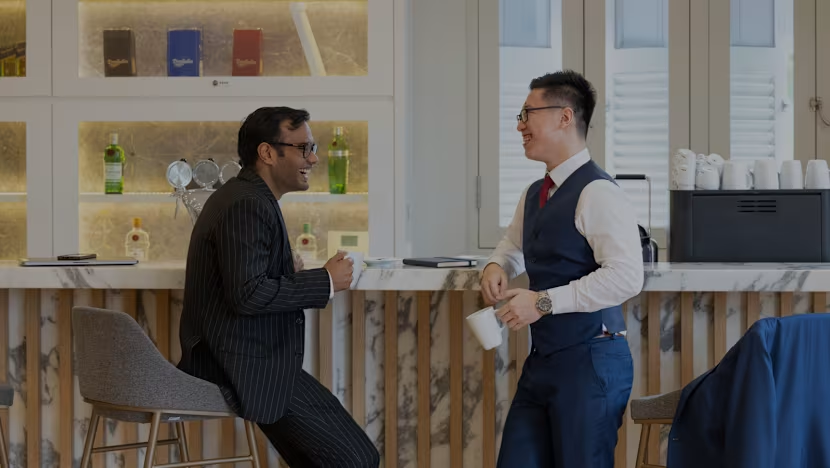
聊天机器人可以回答客户的问题。AI 能够分析数据、推荐行动方案并自动化重复性任务。但它能安抚焦虑的客户、察觉同事是否遇到困难,或在危机中凝聚团队吗?
A chatbot can answer a customer’s question. AI can analyse data, recommend a course of action and automate repetitive tasks. But can it reassure an anxious customer, sense when a colleague is struggling or rally a team through a crisis?
随着数字助手接管更多常规交易,这类时刻引出了一个更大的问题:当技术能够处理更多工作时,什么变得更有价值?
As digital assistants take over more routine transactions, such moments raise a bigger question: What becomes more valuable when technology can handle more of the work?
对于瑞士 EHL(洛桑酒店管理学院)的教职研究员宋媛(音译)博士和陈美琪(音译)博士来说,答案在于独特的人类能力:判断情境所需、理解他人需求以及建立真诚连接。这些能力不仅在酒店业,而且在未来几年跨服务驱动型行业中将变得愈发重要。
For Dr Sowon Kim and Dr Maggie Chen, faculty researchers at Swiss-based EHL, the answer lies in distinctly human abilities: judging what a situation calls for, understanding what people need and building genuine connections. These capabilities will become increasingly important not only in hospitality, but across service-driven industries in years to come.
在 EHL,人类技能教育延伸至课堂之外,其国际学生群体向行业合作伙伴学习,并在真实的服务环境中积累经验。
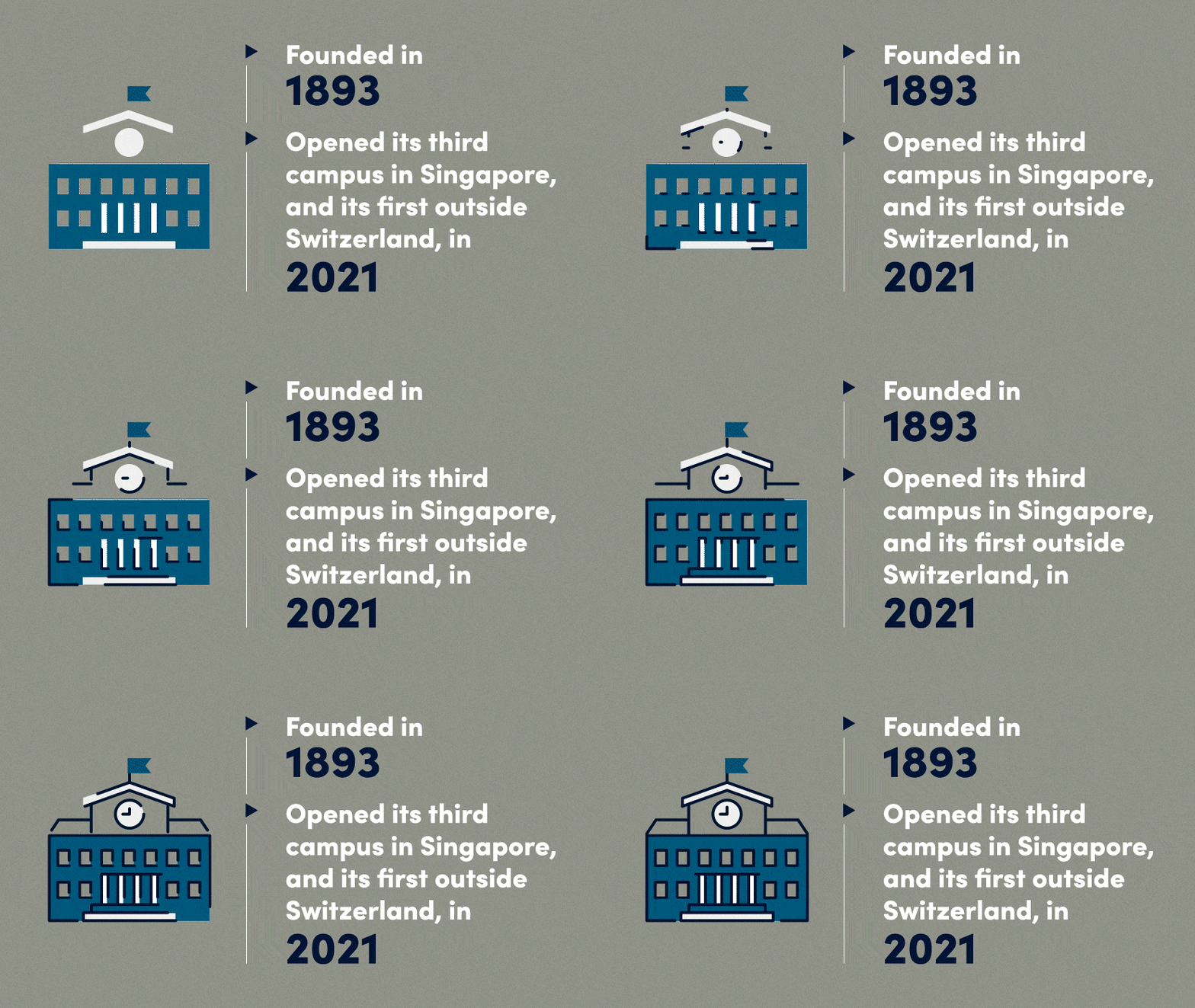
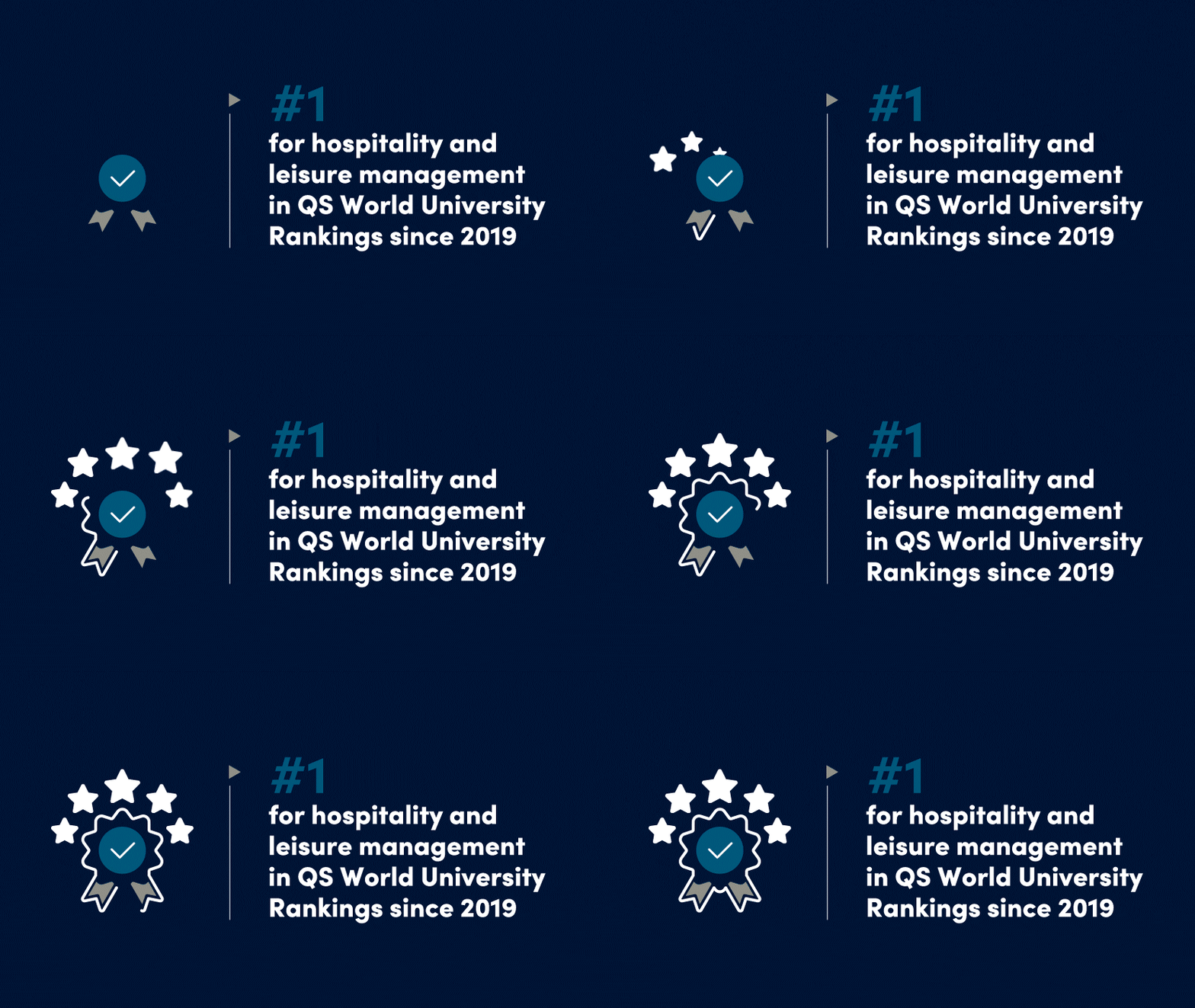
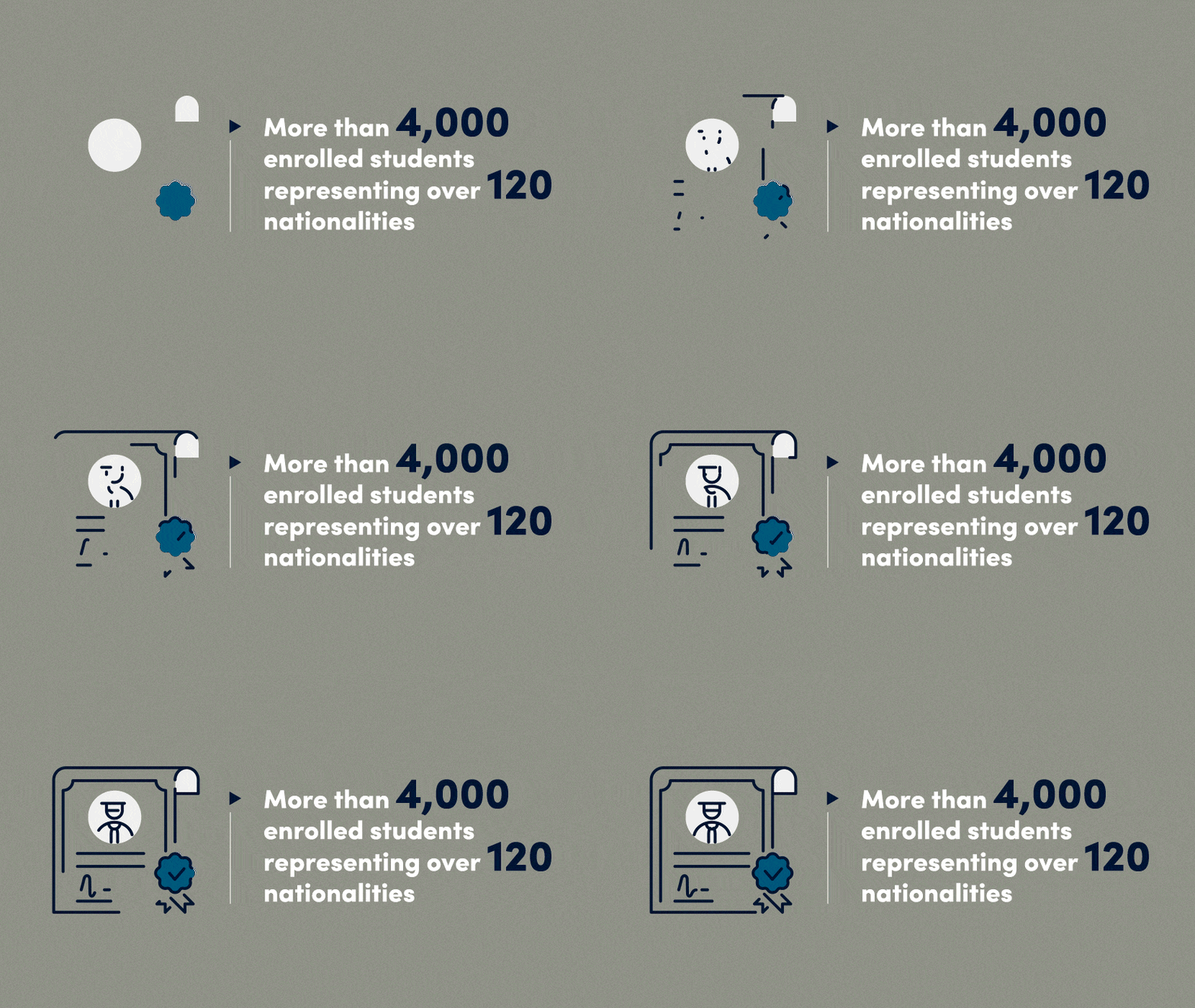
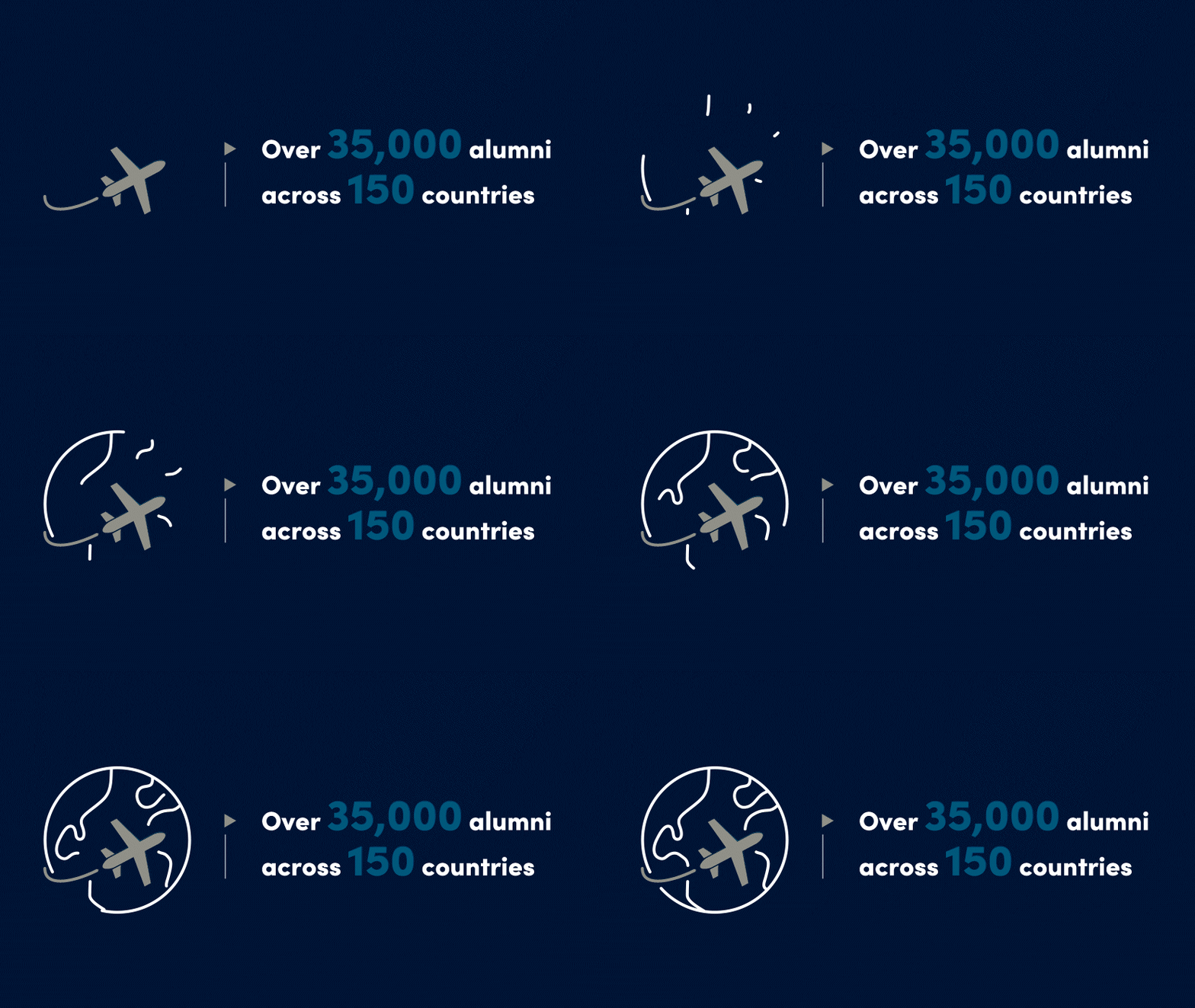
At EHL, human skills education extends beyond the classroom, with its international student community learning from industry partners and gaining experience in real-world service environments.
高效领导力背后的人类技能全球服务业涵盖酒店旅游、金融服务和奢侈品咨询等领域,正在不断扩张。据《商业研究公司》数据,2025 年全球服务市场价值达 17.38 万亿美元(约 22.18 万亿新元),预计到 2030 年将达到 25.97 万亿美元,增长主要由数字化交付服务和跨境服务贸易驱动。
THE HUMAN SKILLS BEHIND EFFECTIVE LEADERSHIP The global service industry, spanning hospitality and tourism to financial services and luxury consulting, is expanding. According to The Business Research Company the global services market was valued at US$17.38 trillion (S$22.18 trillion) in 2025 and is forecast to reach US$25.97 trillion by 2030, driven largely by growth in digitally delivered services and cross-border service trade.
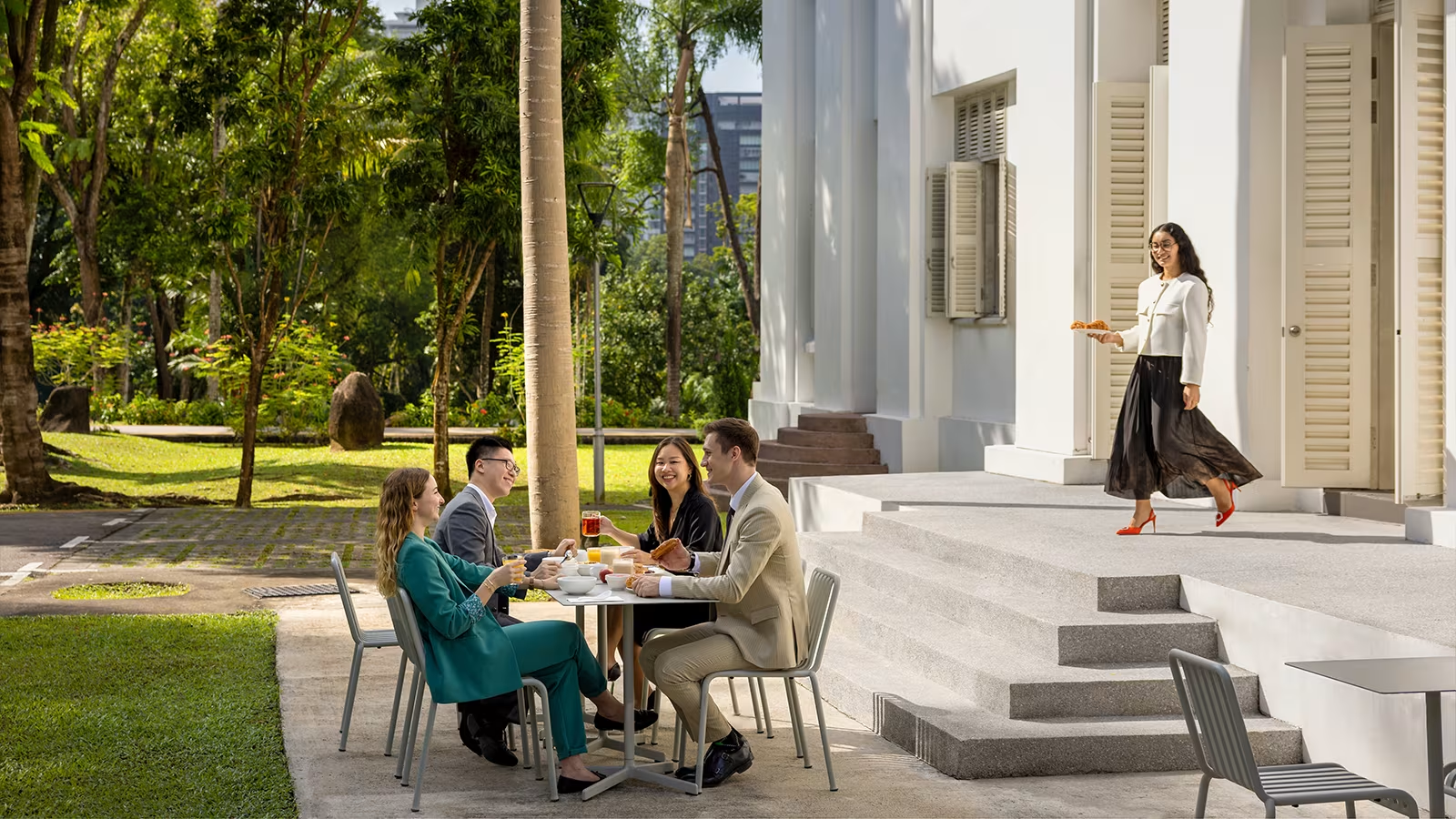
在此背景下,随着技术改变服务交付方式,哪些领导力能力将经久不衰?
Against this backdrop, which leadership capabilities will endure as technology transforms service delivery?
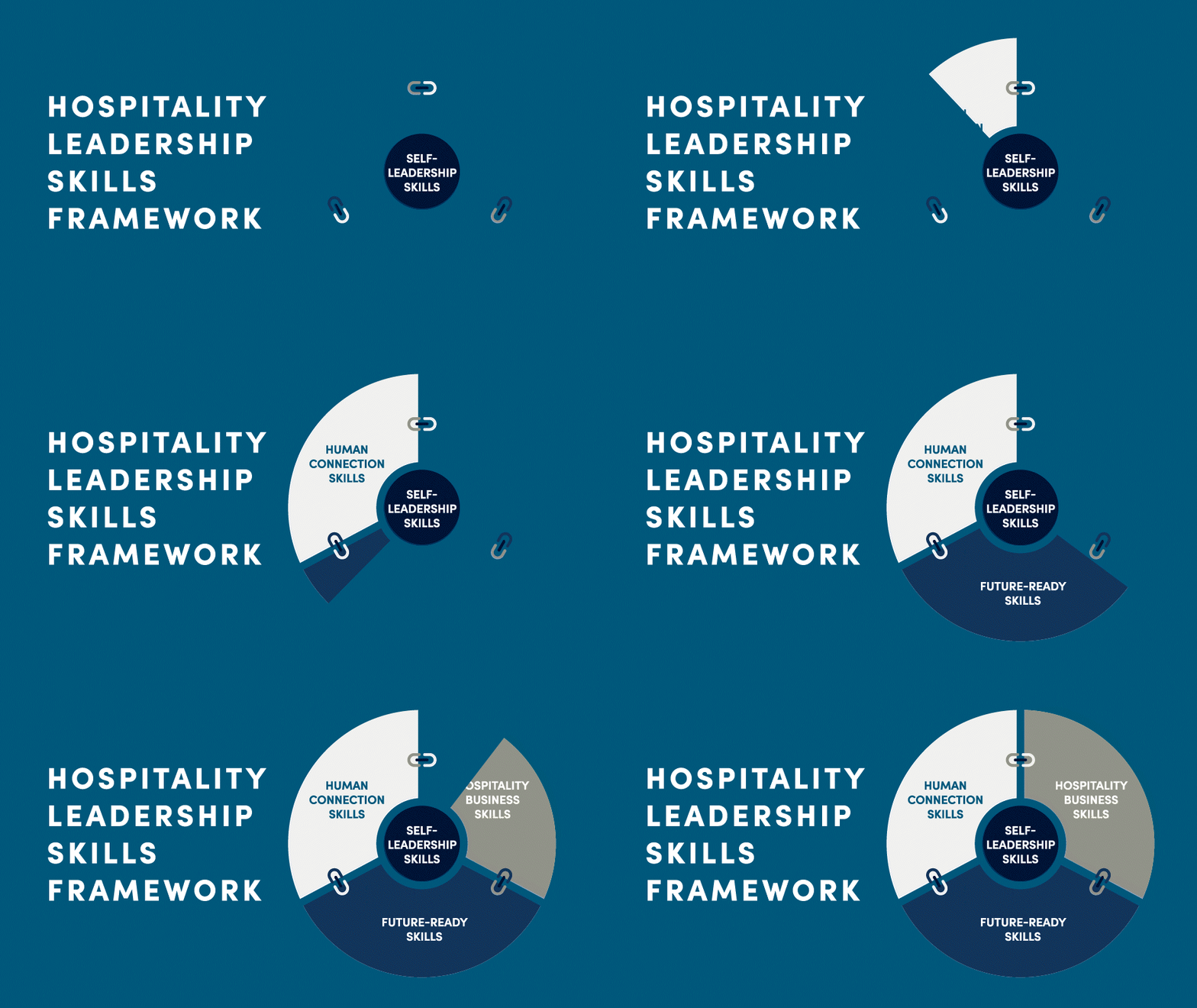
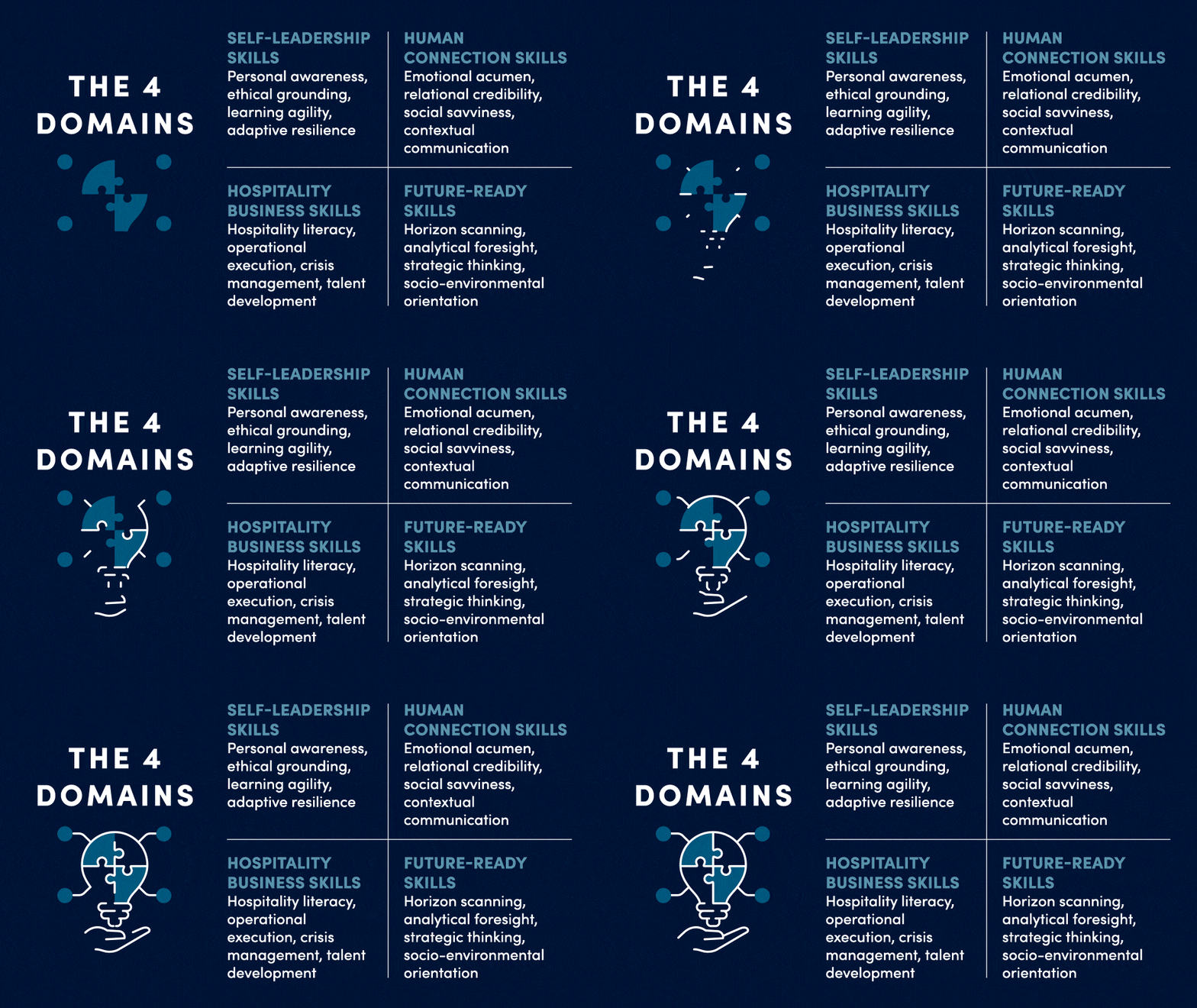
宋媛博士在 EHL 的研究正是针对这一问题。她与 Bertrand Audrin 博士合著了《酒店业领导力技能:高管洞察报告》,该报告基于四十年的研究成果和 22 位资深行业高管组成的专家组见解。报告在四大领域——自我领导力、人际连接、酒店业务和面向未来的能力——中识别出 30 项领导力子技能。
Dr Kim’s research at EHL addresses this question. Together with Dr Bertrand Audrin, she co-authored the Hospitality Leadership Skills: Executive Insights Report which draws on four decades of research and insights from a panel of 22 senior industry executives. It identifies 30 leadership sub-skills across four domains: self-leadership, human connection, hospitality business and future-ready capabilities.
自我领导力,包括识别自身盲点、依据个人价值观行事、对行为负责以及在动荡中保持稳定的能力,构成了基础。“然而,自我领导力并非区分领导者的关键。它是成为优秀领导者的入场券,”金博士表示。“在不确定性、复杂性和模糊性持续加剧的环境下,它赋予领导者内在的稳定性。”
Self-leadership, including the ability to recognise one’s blind spots, act in line with personal values, take ownership of actions and remain steady through disruption, forms the foundation. “Self-leadership, however, is not what sets leaders apart. It is the price of entry to good leadership” said Dr Kim. “It gives leaders inner stability in a context where uncertainty, complexity and ambiguity keep mounting.”
如果说自我领导力奠定了基础,那么人际连接则让领导者能通过他人将自身能力付诸实践。“一位领导者可以拥有清晰的战略和深厚的业务专长,”金博士说。“但如果他们无法以他人能理解的方式沟通,让他人感到被看见、被倾听和被重视,那么这一切都无法触达他们所领导的人。”
If self-leadership lays the ground, human connection enables leaders to put their capabilities into practice through others. “A leader can have a clear strategy and deep business expertise,” said Dr Kim. “But if they cannot communicate in a way others understand and make them feel seen, heard and valued, none of it reaches the people they lead.”
“人工智能可以帮助准备数据、提出战略并推荐行动方案。日益重要的,是领导力中从未关乎工具的那部分:准确读懂人、建立信任以及在压力下凝聚团队。”——EHL洛桑校区副教授、EHL女性领导力倡议创始人Sowon Kim博士设想两位总经理。一位被引入以振兴一家陷入困境的酒店;另一位则在筹备一家尚未开业的酒店。两人都面临复杂局面,都依赖人际连接技能,但侧重点不同。
“AI CAN HELP PREPARE DATA, PROPOSE STRATEGIES AND RECOMMEND A COURSE OF ACTION. WHAT GROWS IN IMPORTANCE IS THE PART OF LEADERSHIP THAT WAS NEVER ABOUT TOOLS: READING PEOPLE ACCURATELY, BUILDING TRUST AND HOLDING TEAMS TOGETHER UNDER PRESSURE.” – DR SOWON KIM, ASSOCIATE PROFESSOR AT EHL CAMPUS LAUSANNE AND FOUNDER OF EHL’S WOMEN IN LEADERSHIP INITIATIVE Picture two general managers. One has been brought in to revive a struggling hotel; the other is launching a property that has yet to open its doors. Both face complexity and rely on human connection skills, but in different ways.

前者必须稳定人心浮动的团队,主导关于变革的艰难对话,同时确保员工仍感受到尊重。在这里,关系建设的工作具有修复性。后者必须赢得业主、新员工和合作伙伴的信任,并创造共同的方向感。在这里,关系建设的工作具有生成性。
The first must steady an unsettled team and lead difficult conversations about change while ensuring people still feel respected. Here, the relational work is reparative. The second must win the confidence of owners, new hires and partners, and create a shared sense of direction. Here, the relational work is generative.
金博士还指出,不存在通用的高效领导力公式。“领导力必须在具体情境中理解,而非依据固定清单衡量。”因此,不同情境需要不同的技能组合——这些技能植根于自我领导力,并由人际连接得以强化。院长视角:倾听以领导“知识至关重要,但仅有知识并不能造就领导者,”EHL酒店管理商学院院长、EHL集团即将上任的首席执行官阿希姆·施密特博士表示。“倾听、与他人建立联系、做出明智决策以及适应变化的能力,才是将知识转化为影响力的关键。
Dr Kim also argued that there is no universal formula for effective leadership. “Leadership must be understood in context, not measured against a fixed checklist.”Different situations, then, call for different combinations of skills – grounded in self-leadership and strengthened by human connection. A DEAN’S PERSPECTIVE: LISTEN TO LEAD“Knowledge is essential, but knowledge alone does not make a leader,” said Dr Achim Schmitt, dean of EHL Hospitality Business School and incoming CEO of EHL Group. “The ability to listen, connect with others, make sound decisions and adapt is what turns knowledge into impact.
“在EHL,这些植根于我们酒店管理基因的人类技能,是教育中不可或缺的一部分。”学习培养人类优势人际联系是EHL酒店管理教育方法的核心。情商、文化意识等软技能长期以来一直是其教学理念的一部分,与商业和管理能力并重。
“At EHL, these human skills, rooted in our hospitality DNA, are an integral part of our education.”LEARNING TO DEVELOP THE HUMAN EDGE Human connection is central to EHL’s approach to hospitality education. Soft skills like emotional intelligence and cultural awareness have long been part of its teaching philosophy, alongside business and management capabilities.
在学士、硕士、博士及高管教育等各类项目中,EHL旨在通过将学术严谨性与体验式学习及行业沉浸相结合,支持处于职业生涯不同阶段的学习者。学生接受实操培训和国际实习,与带来不同视角的全球同龄人共同学习,并应对真实的商业项目与挑战。
Across its bachelor’s, master’s, doctorate and executive education programmes, EHL aims to support learners at different stages of their careers by combining academic rigour with experiential learning and industry immersion. Students undergo hands-on training and international internships, study alongside global peers who bring different perspectives, and tackle real-world business projects and challenges.
通过将理论与实践应用相结合,EHL的课程旨在培养学生跨职能、跨文化工作的能力,并引领变革与应对复杂局面。
By connecting theory with practical application, EHL’s curriculum is designed to equip students to work across functions and cultures, and lead through change and complexity.
EHL新加坡校区的各类课程中,包括与SMU Academy——新加坡管理大学的专业培训机构——及新加坡旅游局合作开发的酒店、旅游及相关行业高管教育课程。课程涵盖数据分析、可持续发展、人类技能发展及领导力等领域。
Among the various offerings at EHL Campus Singapore are executive education courses in hospitality, tourism and related industries, developed in partnership with SMU Academy – the professional training arm of Singapore Management University – and Singapore Tourism Board. The courses cover areas such as data analytics, sustainability, human skills development and leadership.

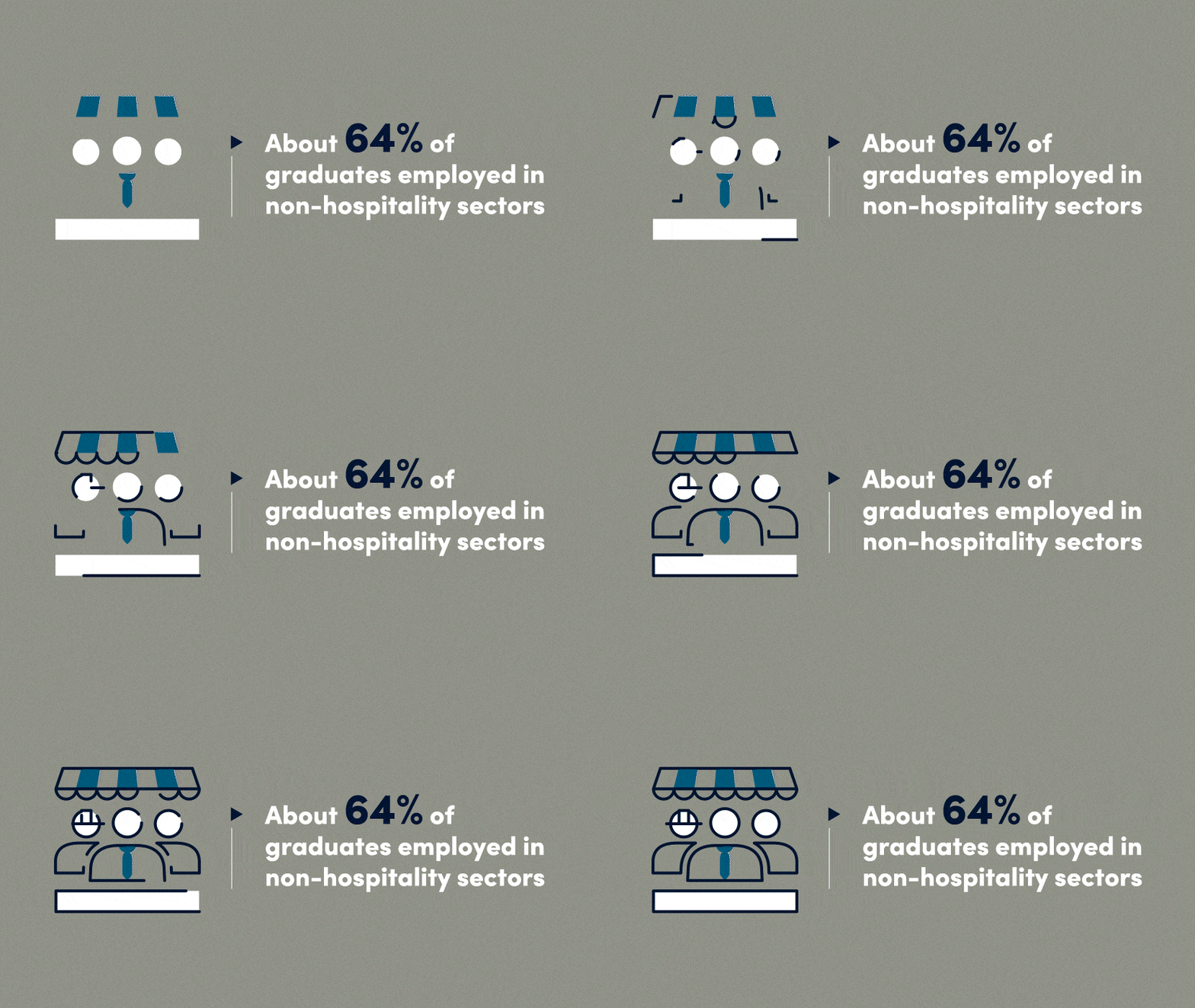
这些技能的适用范围超越酒店和餐饮业。EHL毕业生也进入了银行、咨询、房地产和奢侈品等行业。创造科技无法复刻的体验服务业的许多常规任务现已实现自动化。在酒店业,这些包括酒店自助入住终端和 AI 礼宾。随着数字化加速,人们可能会发现自己渴望更深层的情感连接,EHL 市场营销副教授陈博士表示。
These skills are relevant beyond hotels and restaurants. EHL graduates have also moved into sectors such as banking, consulting, real estate and luxury. CREATING EXPERIENCES TECHNOLOGY CANNOT REPLICATE Many routine tasks in service industries are now automated. In hospitality, these include self-service hotel check-in kiosks and AI concierges. As digitalisation accelerates, people may find themselves craving deeper emotional connections said Dr Chen, associate professor of marketing at EHL.
“AI 持续不断地生成内容,人们无法分辨真伪。他们感到不堪重负、对科技厌倦,正在寻找真实感和人际互动。”—— EHL 洛桑校区市场营销副教授 Maggie Chen 博士员工期望也在发生变化。EHL《2026 年酒店业展望报告》指出,员工的优先事项已有所演变,尤其是 Z 世代员工寻求更强的目标感、包容感和幸福感。更扁平的组织层级、以及强调自主权和项目制协作的工作,被视为吸引和留住人才的关键因素。
“AI IS PRODUCING CONTENT ALL THE TIME AND PEOPLE DON’T KNOW WHETHER IT IS TRUE OR NOT. THEY ARE OVERWHELMED, TIRED OF TECHNOLOGY, AND LOOKING FOR AUTHENTICITY AND HUMAN INTERACTION.” – DR MAGGIE CHEN, ASSOCIATE PROFESSOR OF MARKETING, EHL CAMPUS LAUSANNE Workforce expectations are shifting, too. EHL’s Hospitality Outlook Report 2026 noted that employees’ priorities have evolved, particularly among Gen Z workers seeking greater purpose, inclusion and well-being. Flatter organisational hierarchies and jobs that emphasise agency and project-based collaboration are seen as key factors in attracting and retaining talent.
酒店业如何在给予员工更多自主权的同时,以更深层、更个性化的方式吸引客户?一种方法是创造沉浸式体验,让员工为客户设计参与式活动。例如,酒店不只是为客人演奏现场音乐,而是可以邀请他们一起演奏或共舞。酒店厨师也可以为客人开设烹饪课程。
How can the hospitality sector give employees more autonomy while engaging customers on a deeper, more personalised level? One approach is to create immersive experiences, where staff design activities for customers to participate in. Instead of simply playing live music for guests, for instance, a hotel could invite them to play along or dance. Hotel chefs could also conduct cooking classes for guests.
“客户需要共同创造体验,且必须调动感官,”陈博士说。“调动的感官越多,体验就越生动。这才是产生情感和记忆的方式。”院长视角:人文关怀的力量“工匠精神传授的不仅是技艺精通,”院长 Patrick Ogheard 表示。这位从厨师转型为教育者的院长现掌管 EHL 实用艺术学院。“它传授尊重、专注、自律、适应力和关怀他人。”
“Customers need to co-create the experience and it must involve the senses,” said Dr Chen. “The more senses involved, the more vivid that experience is. That’s how you generate emotions and memories.”A DEAN’S PERSPECTIVE: THE POWER OF THE HUMAN TOUCH“Craftsmanship teaches more than mastery of know-how,” said Dean Patrick Ogheard, a chef-turned-educator who heads EHL School of Practical Arts. “It teaches respect, attention, discipline, adaptability and care for others.
“这些素质是通过实践和实地工作习得的。它们成为任何技术都无法取代的软技能。”从根本上说,酒店业和服务业依赖于互动与关系。随着人工智能日益融入日常工作,人类的优势不再在于任何单一技能,而在于将这些技能整合在一起的能力:行使审慎判断、将人视为独特个体以及建立有意义的联系。对于领导者而言,挑战在于以能够放大这些独特人类能力的方式使用技术。
“These qualities are acquired through practice and in the field. They become soft skills that no technology can replace.”At their core, hospitality and service industries depend on interactions and relationships. As AI becomes more embedded in daily work, the human edge lies less in any single skill than in the capacities that bring them together: exercising sound judgment, seeing people as individuals and building meaningful connections. For leaders, the challenge will be to use technology in ways that amplify these distinctly human capabilities.
发布时间:2026年10月23日 文案:Brand Studio 照片和视频:EHL酒店管理商学院 为未来培养人类技能 了解酒店管理教育如何帮助人们应对不断变化的工作世界。了解更多
Published: 23 Oct 2026 Text: Brand Studio Photos and video: EHL Hospitality Business School DEVELOPING HUMAN SKILLS FOR TOMORROW Discover how hospitality education can prepare people for the changing world of work. FIND OUT MORE