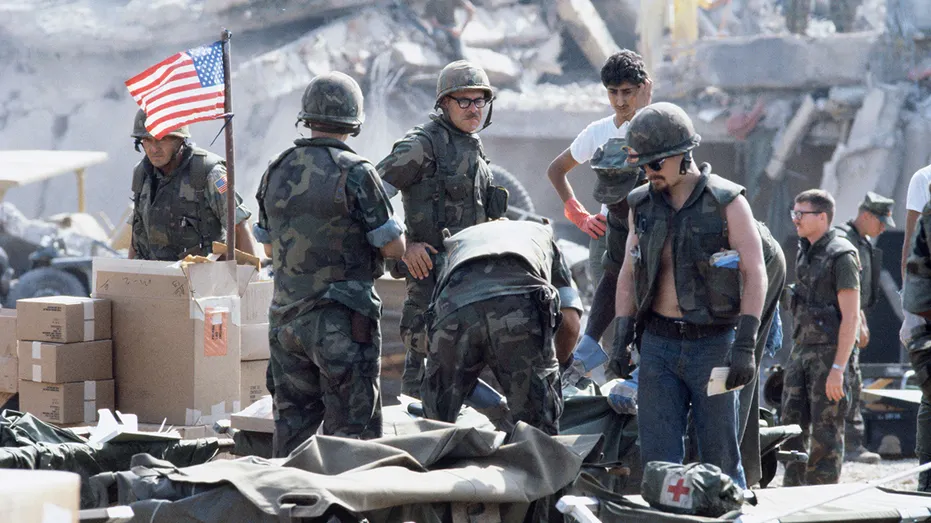
拉比阿诺德·雷斯尼科夫从未想过会在1983年10月23日身处黎巴嫩贝鲁特,当时自杀式袭击者驾驶装满炸药的卡车冲入海军陆战队营房,造成241名美军士兵丧生。但正如雷斯尼科夫对福克斯新闻数字频道所言,他在事件发生时的在场及事后的倡导,为众多美军士兵带来了慰藉与支持,这让他坚信“巧合只是上帝匿名行事的方式”。
Rabbi Arnold Resnicoff never intended to be in Beirut in Lebanon, on Oct. 23, 1983, when suicide bombers drove explosive-laden trucks into Marine Corps barracks, killing 241 American service members. But as Resnicoff told Fox News Digital, his presence during that event and advocacy thereafter would bring solace and support for a multitude of American service members, leading to his strong belief that "a coincidence is just God acting anonymously."
雷斯尼科夫受命服务于美国海军第六舰队,是由三名随军牧师组成的团队一员,负责为地中海地区停泊的40艘舰船上的军人提供宗教支持。10月21日周五,雷斯尼科夫抵达贝鲁特,为一名在执勤中牺牲的犹太裔海军陆战队员举行追悼会。海军领导层希望第二天把他送回舰上,但作为一名恪守教规的犹太教徒,他拒绝在安息日出行。
Tasked to the U.S. Navy’s Sixth Fleet, Resnicoff was part of a three-chaplain team supporting service members across 40 ships stationed in the Mediterranean. On Friday, Oct. 21, Resnicoff arrived in Beirut to perform a memorial service for a Jewish Marine who had been killed in the line of duty. Navy leadership wanted to send him back to the boat the following day, but as an observant Jew, he refused to travel on the Sabbath.
10月23日清晨,雷斯尼科夫早早醒来,在上午6点22分刷牙时,所在建筑物开始剧烈震动。门被震脱门轴、窗户炸裂,雷斯尼科夫等人趴在地上躲避,以为大楼遭到了火箭弹或迫击炮袭击。
Resnicoff woke early on the morning of Oct. 23 and was brushing his teeth at 6:22 a.m. when his building began to shake violently. As doors came off their hinges and windows exploded, Resnicoff and others took cover on the floor, believing their building had been hit by a rocket or mortars.
喧嚣平息后,众人开始听到“可怕至极的尖叫声”,传自50码外那栋楼里——新教牧师丹尼·惠勒与一群海军陆战队员就住在那里。
When the ruckus stopped, the men began to hear "these terrible, terrible screams" coming from the building 50 yards away from where Protestant minister Danny Wheeler lived with a host of Marines.
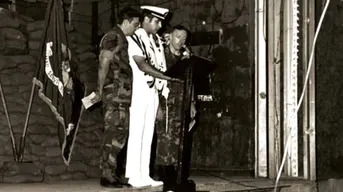
每次雷斯尼科夫访问贝鲁特时,他都在天主教牧师乔治·普恰雷利和惠勒的住处之间轮换住宿。根据他的行程安排,雷斯尼科夫原本应该在周五住在惠勒的住所,但他选择去普恰雷利那里,因为普恰雷利有事要和这位拉比商量。“谁知道我们谈了什么,”雷斯尼科夫回忆道。“但那大概救了我的命。”
Whenever Resnicoff visited Beirut, he alternated staying with a Catholic chaplain, George Pucciarelli, and Wheeler. Based on his schedule, Resnicoff ought to have stayed at Wheeler’s residence on Friday, but chose instead to stay with Pucciarelli, who had something to discuss with the rabbi. "Who knows what it was we talked about," Resnicoff reminisced. "But that probably saved my life."
当周围的人意识到发生了什么时,雷斯尼科夫看着普恰雷利把紫色的祭披戴在脖子上,“大概是因为他知道他将不得不念很多临终祷文。”普恰雷利看着雷斯尼科夫说:“跟我来。”
As recognition dawned on those around him, Resnicoff watched Pucciarelli put his purple stole around his neck, "probably because he knew he was going to have to say many last rites." Pucciarelli looked at Resnicoff and said, "Follow me."
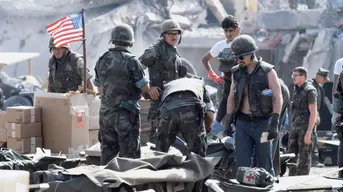
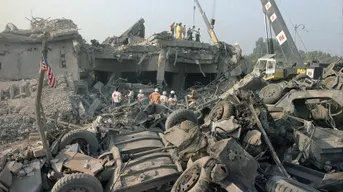
在外面,雷斯尼科夫说,“那栋四层高的大楼连同烟雾一起消失了。”瓦砾下埋着241名美国军人,其中包括220名海军陆战队员、18名海军人员和三名陆军人员。海军伤亡中包括“一个完整的医疗分队”,没有留下任何“受过医疗训练的人来帮助那些还活着的人”。
Outside, Resnicoff said that "the big, four-story building was gone with the smoke." Buried under the rubble were 241 American service members, including 220 Marines, 18 Navy, and three Army personnel. The Navy casualties included "a complete medical detachment," leaving no one "trained medically to help those left alive."
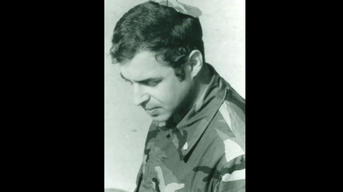
雷斯尼科夫、普恰雷利和其他第一响应者开始在瓦砾中寻找幸存者。他说,普恰雷利“走到地上的一具尸体旁,我走到另一具旁。我们只是抱着这些受伤的人,说:‘救援马上就到。’”每个人都尽力照顾这些人,撕碎衣服擦去他们脸上的血迹、污垢和灰尘。当雷斯尼科夫撕碎自己的衬衫后,他用了自己的犹太教头巾,称为基帕,这头巾很快就“沾满了血迹和污垢,并且丢失了”。
Resnicoff, Pucciarelli and other first responders began working their way through the debris looking for survivors. He said, Pucciarelli "went to one body on the ground, I went to another. We just cradled these wounded men and said, ‘Help is coming.’" Each attended to the men as best they could, ripping apart their clothes to wipe the blood, dirt and dust from their faces. When Resnicoff had torn apart his shirt, he used his Jewish head covering, called a kippah, which soon "got bloody and dirty and lost."
最终,救护车和直升机到达现场,让普恰雷利和雷斯尼科夫得以喘口气。普恰雷利说,他从未见过雷斯尼科夫没有遮住头。
Eventually, ambulances and helicopters arrived on scene, allowing Pucciarelli and Resnicoff to catch their breaths. Pucciarelli remarked that he had never seen Resnicoff without his head covered.
“我告诉他我的小圆帽发生了什么事,所以他撕下一块自己的迷彩制服放在我的头上。”
"I told him what happened to my kippah, so he tore a piece of his camouflage uniform and put it on my head."
普恰雷利对雷斯尼科夫说:“在这个每个宗教都在杀害其他宗教的国家里,我希望在场的每个人都记住,不仅是你和我——军队牧师——在帮助每个人,无论他们有没有宗教信仰,或者是什么宗教信仰,而是你和我信奉不同的宗教,却站在了一起。”
Pucciarelli told Resnicoff that, "In this country where every religion is killing every other religion, I want everyone here to remember not only that you and I, the chaplains, were helping everyone regardless of whether they had a religion or what religion they had, but that you and I had different religions [and were] standing together."
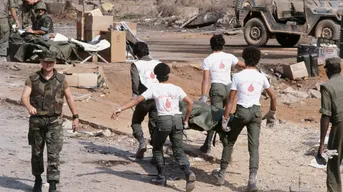
惠勒是爆炸发生五小时后最后一名从废墟中被拉出的在世军人。雷斯尼科夫说,挖出埋在瓦砾里的数百具尸体花了四天时间。“这些强硬的海军陆战队员在哭泣,帮助他们的战友,”雷斯尼科夫说。
Wheeler was the last living service member to be pulled from the wreckage five hours after the explosion. Resnicoff said that it took four days to dig out the hundreds of bodies buried in the rubble. "These tough Marines were crying, helping their fellow military personnel," Resnicoff said.
雷斯尼科夫从自己的犹太教传统中汲取力量,为在废墟中哀悼和劳作的海军陆战队员提供关怀。“人死后,我们有一周的时间让家人聚在一起,讲述逝者的故事,”他解释道。“传统是,如果你在这段时间探望家属,不要主动开启话题,只用你的在场表达关心和爱意,如果哀悼者跟你说话,你再交谈。所以,当我从一个海军陆战队员走到另一个海军陆战队员身边时,他们正在挖掘战友的遗体,我就用这种犹太教的方式。我不主动开启话题,只是站在他们身边,表明我就在那里,如果他们想说话,我再交谈。”
Resnicoff pulled from an element of his own Jewish tradition as he ministered to the Marines mourning and laboring in the wreckage. "After the death, we have a week of family gathering around and telling stories about the person who died," he explained. "The tradition is if you visit the family during that period, you don’t initiate the conversation, just show your concern and love through your presence, and if the mourners talk to you, then you have a conversation. So, when I would go from Marine to Marine, they were digging up the bodies of their comrades, I used that Jewish approach. I didn’t start the conversation, I just stood next to them to show them I was there, and then if they wanted to talk, I talked."
雷斯尼科夫说,这一传统呼应了天主教修士圣方济各的教诲,他教导追随者“到处传播福音。只有在绝对必要时才使用语言。”在贝鲁特爆炸案之前,雷斯尼科夫报告说,为犹太裔军人争取佩戴小圆帽的许可“一直是一场斗争”。
Resnicoff said that the tradition hearkened on the words of Catholic friar St. Francis of Assisi, who taught his followers to "preach the gospel everywhere. Use words only if absolutely necessary." Before the Beirut bombing, Resnicoff reported that gaining permission to wear the kippah "was always a struggle" for Jewish service members.
雷斯尼科夫说,20世纪80年代初,国会曾就《宗教服饰修正案》进行辩论,该修正案原本将允许服役的犹太教徒遮盖头部。“这项修正案连续两年未能通过。后来,在《国会记录》中,他们讲述了这位神父为我制作这顶头饰的故事,”雷斯尼科夫说。“修正案通过了。他们明白,我们能够来自不同宗教、并肩工作,这是一件值得自豪的事。”
In the early 1980s, Resnicoff says that Congress was debating the Religious Apparel Amendment, which would have allowed Jews serving in the military to cover their heads. "For two years, this amendment had failed. And then, in the Congressional Record, they told the story of this priest making this head covering for me," Resnicoff said. "The amendment passed. They understood that it was a matter of pride that we could work side by side from different religions.
时任副总统乔治·H·W·布什请雷斯尼科夫写一份关于自己经历的报告。前总统罗纳德·里根后来将这份报告分享给一个两万人的浸信会团体,“他们显然很欣赏这份报告,”雷斯尼科夫回忆道。
Then Vice President, George H. W. Bush asked Resnicoff to write a report on his experience. Former president Ronald Reagan would share that report with a group of 20,000 Baptists, "who evidently appreciated it," Resnicoff recalled.
雷斯尼科夫说,在随军牧师学校,牧师们接受的训练是照料宗教信仰背景与自己不同的重伤人员。“但结果我在贝鲁特安慰的人里,没有一个人问我宗教方面的问题。他们只是说‘如果我死了,告诉我母亲我爱她’。那些海军陆战队员大多太年轻,还没有自己的孩子。”他说,“这让我再次意识到,随军牧师的职责远比仅仅作为宗教代表要广泛和重大得多。”
In chaplain school, Resnicoff said that chaplains were trained to attend to severely wounded personnel from different religious backgrounds than their own. "But it turned out none of the people I comforted in Beirut asked me a religious question. It was just ‘if I die, tell my mother I love her.’Most of those Marines were too young to have their own children." He says that "I was reminded that the role of the chaplain is so much broader and bigger than just being a religious representative."
“我以前一直认为,在相互理解和合作方面,军队走在平民世界前面。当你在散兵坑或掩体里时,你并不真的在乎旁边的人是民主党人、共和党人还是独立人士,你并不真的在乎他们的宗教信仰是什么。你只在乎他们会保护你,就像你会保护他们一样,我们同舟共济。”
"I always used to believe that the military was ahead of the civilian world when it came to understanding and working together. And when you’re in a foxhole or a bunker, you don’t really care if the guy next to you is a Democrat or Republican or independent, you don’t really care what their religion is. You just care that they’re going to protect you like you’re going to protect them and we’re all in this together."
雷斯尼科夫说,贝鲁特爆炸事件让他明白,“如果世界上有更多跨信仰的散兵坑,我们对散兵坑的需求就会更少,而信仰的空间就会更大。”
Resnicoff says that the Beirut bombing showed him that "if the world had more interfaith foxholes, we would have less need for foxholes and more room for faith."