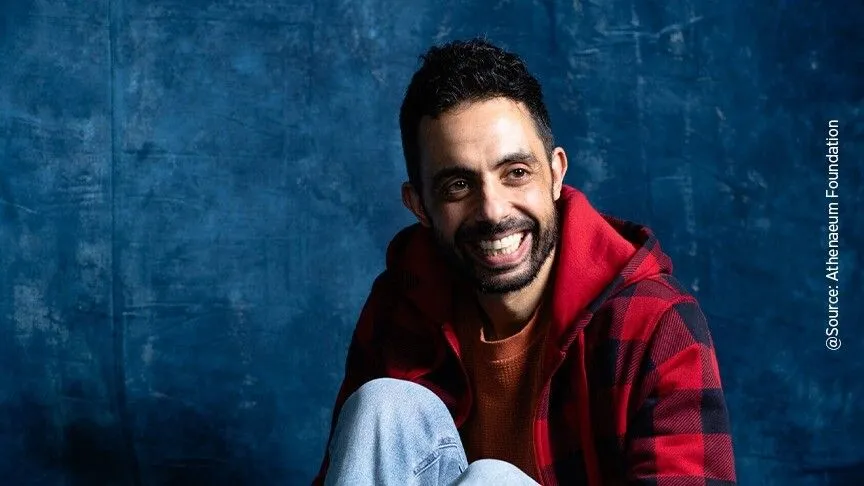
周五,巴勒斯坦裔美国喜剧演员萨米·奥贝德(Sammy Obeid)表示,日本当局以他未持有适用于在东京举行的单口喜剧表演的签证为由,拒绝让他入境,并将他单独关押了近24小时。
Palestinian American comedian Sammy Obeid said Friday that Japanese authorities denied him entry and held him alone for nearly 24 hours after determining that he lacked the appropriate visa for planned stand-up shows in Tokyo.
奥贝德在美国社交媒体上发布了一篇五部分的帖子,写道:“日本政府以我要在东京举办一场有40名观众参加的单口喜剧表演为由,拒绝让我入境,并将我单独关押了24小时。我和另外两位喜剧演员是在演出前两天抵达东京的,他们两人都顺利通过了入境检查。”
“The Japanese government denied me entry and held me in solitary confinement for 24 hours over a standup comedy show with 40 attendees,” Obeid wrote in a five-part thread on the US social media company Obeid said he arrived in Tokyo two days before the performances with two other comedians, both of whom entered the country without difficulty.
据奥贝德描述,移民官员以‘安全原因’将他关在等候室中,随后通过翻译询问了他的职业、旅行计划以及在日本的行程安排。截至周五,日本当局尚未对此事发表任何公开评论,他也无法独立核实这些拘留情况的真实性。
According to his account, immigration officials placed him in a holding room for “security reasons” and later questioned him through an interpreter about his occupation, travel plans and intended activities in Japan. Japanese authorities had not publicly commented on his account as of Friday, and his description of the detention conditions could not be independently verified.
奥贝德称,官员们要求他提供自己在日本四天期间的详细行程安排,并询问他离开日本后打算前往哪些国家。随后,询问的重点转向了他计划举行的单口喜剧表演。官员们表示,他持有的签证并不适合从事演艺工作。
Obeid said officials demanded an hour-by-hour itinerary for his four-day stay and asked about the countries he planned to visit after Japan. The questioning eventually turned to his planned stand-up performances. Obeid said authorities told him that he did not have the correct visa to work as an entertainer.
奥贝德承认签证问题部分是他自己的责任,因为他未能为该签证获得所需的赞助支持(主要是由于演出场地的规模较小)。他还表示,在日本没有任何人直接向他支付演出费用,门票是通过一个总部位于美国的平台销售的。根据之前的建议以及自己的经验,他原本认为自己应该能够顺利入境。
Obeid acknowledged that the visa issue was partly his responsibility, saying he had been unable to secure the sponsorship required for the relevant visa because of the small size of the venues. He said nobody in Japan was paying him directly and that tickets had been sold through a US-based platform. Based on advice he had received and his experience on previous trips, he believed he would be permitted to enter.
“没错,这次失误确实是我的责任,”他写道,“不过考虑到当时的实际情况,这种安排确实是为在日本的小规模观众面前进行表演的唯一可行方式。”
“And yeah, it’s on me for not seeing this coming,” he wrote, while arguing that the arrangements were the only practical way to perform for his relatively small Japanese audience.
根据日本的移民规定,戏剧表演和其他娱乐活动属于“演艺人员”签证的适用范围。
Japanese immigration rules classify theatrical and other entertainment performances under the “Entertainer” residence status.
该国外交部规定:短期旅游或商务访问不得包含任何收费性活动;此外,申请娱乐签证通常需要提交相应的资格证明文件。
The country’s Foreign Ministry says short-term visits for tourism or business must not include paid activities, while the entertainer visa process generally requires a Certificate of Eligibility.
奥贝德表示,他获得了申诉被拒的决定,但被告知申诉过程可能需要72小时,且在申诉期间他将被限制自由。最终他选择离开该国。
Obeid said he was offered the option of appealing the refusal but was told the process could take 72 hours and that he would remain confined while the appeal was considered. He instead agreed to leave.
他声称在被拘留期间,他被单独关押了约22个小时,期间没有食物、淋浴设施,也没有手机、笔记本电脑、书籍或写作工具。他的行李也被搜查,以确认是否存在武器或毒品。
He claimed he was then kept alone for about 22 hours without food, a shower, his phone, a laptop, books or writing materials. His luggage was also searched for weapons and drugs, he said.
奥贝德还表示,当局要求他乘坐原定的航班返回美国,拒绝了他前往香港或台湾的行程安排。
Obeid said officials required him to return to the US on the same airline on which he had arrived, rejecting his request to continue his tour by flying to Hong Kong or Taiwan.
尽管他承认自己确实违反了签证规定,但他认为自己是被针对的对象——要么是因为他被认定为可疑人物,要么是因为在他抵达之前就已经有人做出了相关决定。
Although he conceded that authorities had identified a visa violation, Obeid said he believed he was singled out, either because he had been flagged as suspicious or because of a decision made before his arrival.
奥贝德取消了周末的演出活动,并为购票观众提供了退款选择,或者允许他们观看另一场演出,或者观看他在日本为粉丝们准备的线上演出。
Obeid cancelled the weekend performances and offered ticket holders a refund, admission to another show or access to a future virtual performance for fans in Japan.
这位自称为黎巴嫩-巴勒斯坦-叙利亚-意大利裔美国人的喜剧演员曾出演过《Conan》、《America’s Got Talent》以及Netflix的《100 Humans》等节目。他的表演经常涉及巴勒斯坦与以色列在加沙地带的冲突主题。
The comedian, who describes himself as Lebanese-Palestinian-Syrian-Italian-American, has appeared on Conan, America’s Got Talent and Netflix’s 100 Humans. He is also known for incorporating Palestine and Israel’s war on Gaza into his performances.