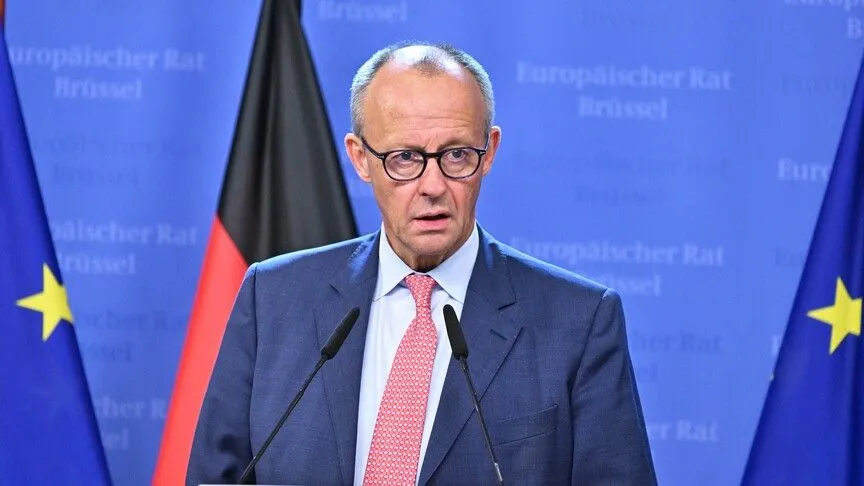
德国总理弗里德里希·默茨周五表示,欧洲有能力实现科学主权,并以德国先进的微电子研究为证据,说明该大陆正在关键技术领域迈向更大程度的独立。
German Chancellor Friedrich Merz said Friday that Europe is capable of becoming scientifically sovereign, pointing to advanced microelectronics research in Germany as evidence that the continent is moving toward greater independence in key technologies.
默茨在访问莱布尼茨高性能微电子研究所(IHP)时说:“我们在欧洲处于一个能够实现科学主权的位置。而我们正在路上。”“这里正在创造欧洲的未来,也正在塑造我们国家的未来。”
“We are in Europe in a position to become scientifically sovereign. And we are on the way,” Merz said during a visit to the Leibniz Institute for High Performance Microelectronics (IHP). “Here the European future is being made, and here the future for our country is being shaped.”
默茨还回顾了他对欧洲技术雄心的看法是如何随时间演变的。他说:“我非常感激主权这一概念也进入了你们的工作。你们可能知道,我曾一度犹豫是否使用这个术语,但现在我是出于深刻的内心信念才使用它。”此次访问是政府“高技术议程”的一部分,该议程聚焦人工智能、量子技术和微电子,旨在增强经济、创造就业并减少对他国的依赖。随附的微电子战略旨在加速研究成果向生产转化、支持熟练工人并鼓励对新制造基地的投资。
Merz also reflected on how his thinking on Europe’s technological ambitions has evolved over time. “I am very grateful that the concept of sovereignty has also entered your work,” he said. “You probably know that I hesitated a bit to use this term, but now I do it out of deep inner conviction.”The visit was part of the government’s Hightech Agenda, which focuses on artificial intelligence, quantum technologies, and microelectronics to strengthen the economy, create jobs, and reduce dependence on others. The accompanying microelectronics strategy seeks to accelerate the transfer of research into production, support skilled workers and encourage investment in new manufacturing sites.