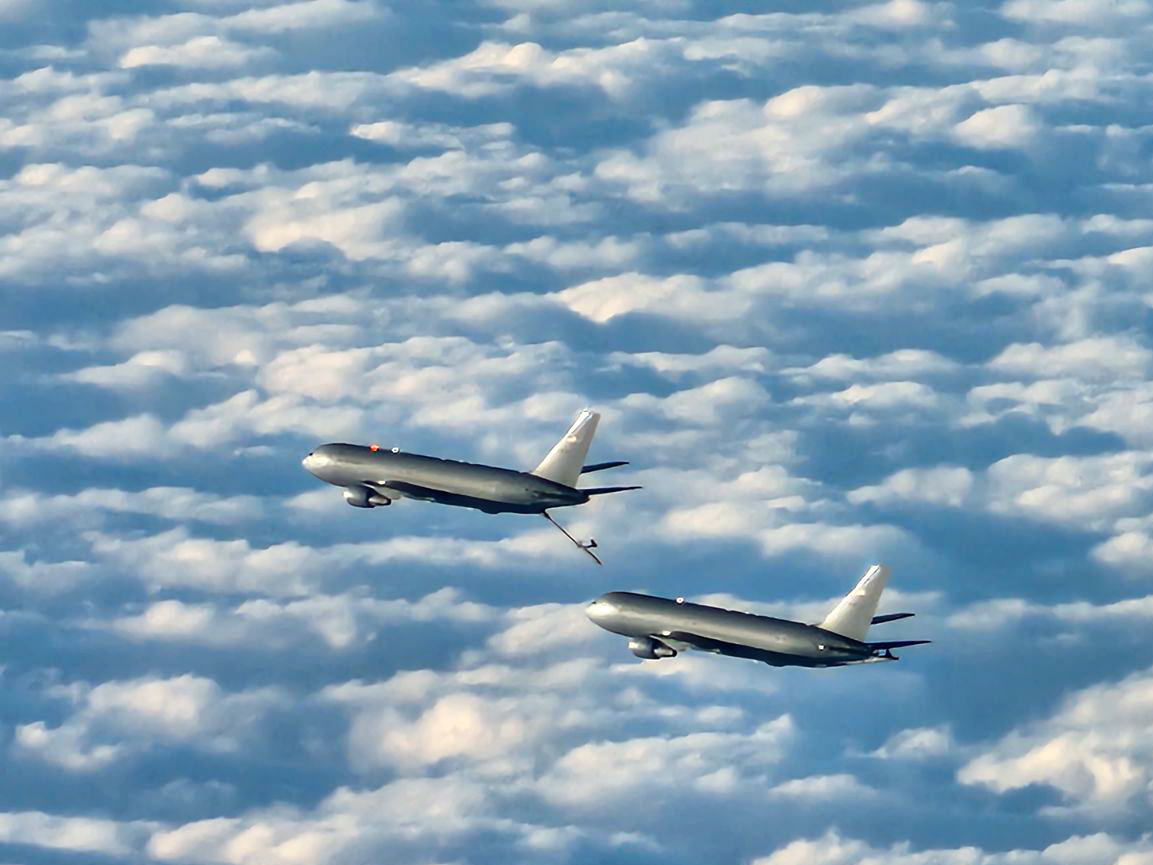
美国空军正在利用人工智能来提升其空中加油机组的表现。目标是让人工智能自动分析加油机上安装的摄像头拍摄的加油操作,并向加油机机组提供“事后复盘”反馈。
The U.S. Air Force is looking to artificial intelligence to improve the performance of its aerial refueling crews. The goal is for AI to automatically analyze refueling operations from cameras mounted on the tankers and provide “hot wash” feedback to the tanker crews.
根据美国空军小企业创新研究招标文件,空军希望开发一套系统,能够“利用先进的计算机视觉、机器学习以及航空(飞行动力学)分析技术,从空中加油事件中自动提取具有操作相关性的绩效指标,量化与期望飞行剖面的偏差,并生成可操作的飞行后反馈,以提高机组人员熟练度、减少由人为因素导致的事故,并增强任务备战状态。”申请截止日期为11月25日。
According to an Air Force Small Business Innovation Research solicitation, the service wants a system that can “leverage advanced computer vision, machine learning, and aviation (flight dynamics) analytics techniques to automatically extract operationally relevant performance metrics from aerial refueling events, quantify deviations from desired flight profiles, and generate actionable post-flight feedback to improve aircrew proficiency, reduce human-factor-driven mishaps, and enhance mission readiness.”The application deadline is Nov. 25.
该小企业创新研究项目聚焦于KC-46加油机,该机将配备远程视觉系统,允许操作员通过摄像头和3D显示屏远程操作加油杆。尽管该系统一直饱受初期问题困扰,但空军表示,大部分问题很快将得到解决。
The SBIR is focused on the KC-46 tanker, which will feature a remote vision system that will allow operators to remotely operate the refueling boom via cameras and a 3D display. Though the system has been plagued by teething problems, the Air Force says most will soon be resolved.
该系统将自动追踪加油机和加油杆,以及受油机。它将测量包括位置、速度、对准度和接近速度在内的多种数据,并评估这些数据是否偏离标称参数。
The system would automatically track the tanker and refueling boom, as well as the receiving aircraft. It would measure a variety of data, including position, velocity, alignment and closure rate, and assess whether they deviate from nominal parameters.
空军希望基于人工智能的评估系统能够减轻空中加油人工评估中固有的偏见,而空中加油是机组人员最具挑战性的任务之一。
The Air Force hopes an AI-based assessment system will mitigate the biases inherent in human assessment of aerial refueling, which is among the most demanding tasks for aircrew.
小企业创新研究招标文件指出:“当前的空中加油训练和飞行后评估流程严重依赖教员观察、飞行员自我评估、人工视频回顾以及对表现的主观评价。”
“Current aerial refueling training and post-flight assessment processes rely heavily on instructor observation, pilot self-assessment, manual video review, and subjective evaluation of performance,” the SBIR noted.
该系统将创建可视化显示,以提升接收燃料的飞机飞行员的表现,例如“图形AI叠加层、热力图、事件时间线以及沉浸式或交互式复盘环境”。它还可能与其他训练系统集成,包括虚拟现实和增强现实、模拟器、任务预演系统以及其他计算机辅助训练工具。空军将其视为未来基于人工智能的训练系统的原型。
The system would create visual displays to improve the performance of pilots of the aircraft receiving fuel, such as “graphic AI overlays, heat maps, event timelines, and immersive or interactive debrief environments.”It would also have the potential to integrate with other training systems, including virtual and augmented reality, simulators, mission rehearsal systems, and other computer-based training tools. The Air Force sees this as a prototype for future AI-based training systems.
招标文件写道:“期望的最终状态是,针对至少一种接收机型的作战能力已在实战中得到验证,可直接实施,并能支持融入现有航空训练生态系统,为国防部未来人工智能赋能的航空表现评估提供可扩展的基础。”
“The desired end state is an operationally demonstrated capability ready to implement for at least one type of receiver aircraft and that can support transition into existing aviation training ecosystems and provide a scalable foundation for future AI-enabled aviation performance assessment across the Department of Defense,” the solicitation reads.