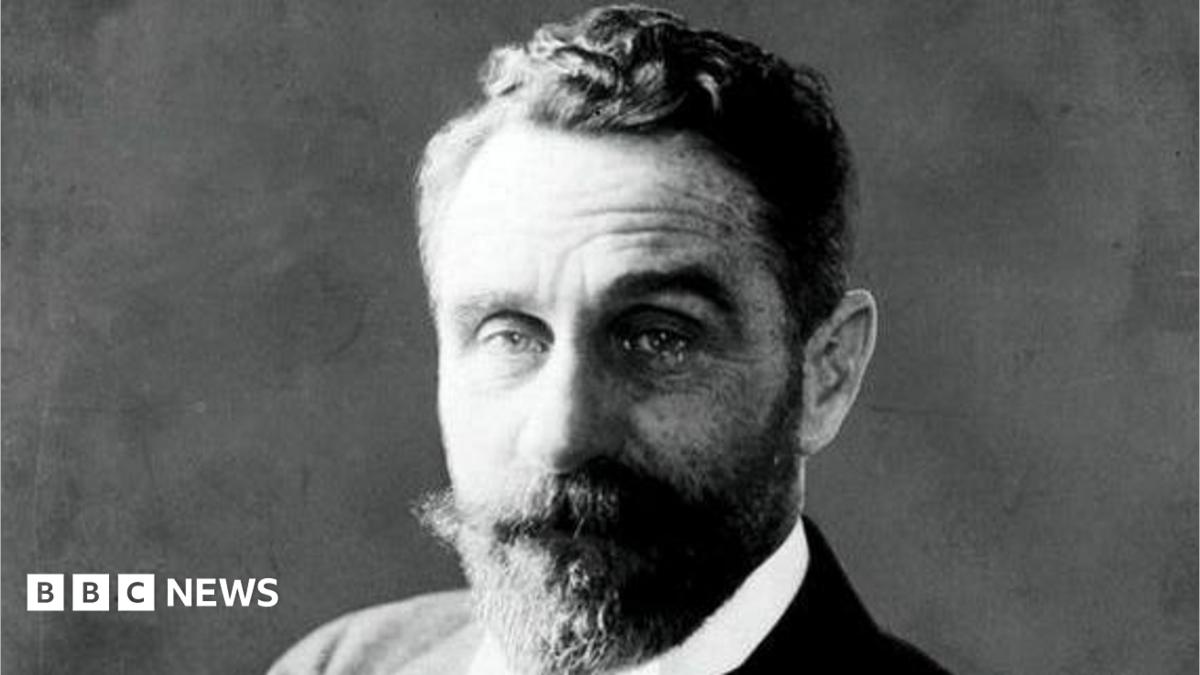
已提交申请,要求将已故骑士、后成为民族主义军火走私者的罗杰·卡斯门特的遗骸迁往北爱尔兰。如果申请成功,这将是卡斯门特遗骸第二次被掘出并重新安葬。
An application has been lodged to have the remains of a knight of the realm turned nationalist gunrunner, Roger Casement, moved to Northern Ireland. If successful, it would be the second time Casement will have been exhumed and reburied.
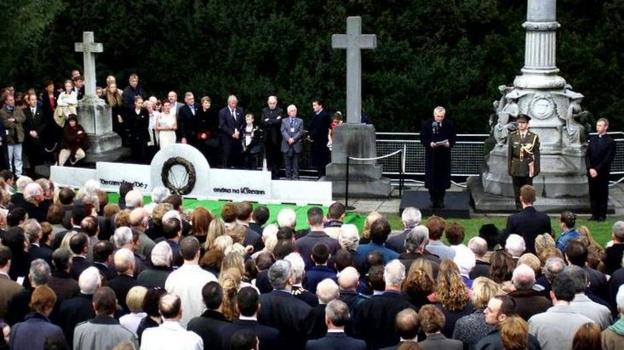
卡斯门特最初安葬在伦敦彭顿维尔监狱的院内,他于1916年在那里被绞死。此前他乘坐U型潜艇从德国返回爱尔兰途中被发现,他此行旨在为爱尔兰民族主义者争取武器。1965年,他的遗骸被掘出并迁至都柏林格拉斯内文公墓。
Casement was originally interred in the grounds of Pentonville Prison in London, where he was hanged in 1916 after being discovered returning to Ireland aboard a U-boat following a trip to Germany to secure arms for Irish nationalists. In 1965, his remains were exhumed and brought to Glasnevin Cemetery, Dublin.
但以他名字命名的一个纪念协会(即提交申请的一方)表示,希望“实现他的愿望”,将他安葬在安特里姆郡。
But a commemoration society in his name, who have lodged the application, has said it wants to "fulfil his wish" of being buried in County Antrim.
罗杰·卡斯门特纪念与重葬协会已向都柏林市议会和格拉斯内文公墓申请掘墓许可证。
The Roger Casement Commemoration and Re-interment Association has applied for an exhumation licence from Dublin City Council and Glasnevin Cemetery.
具体而言,他们希望将卡斯门特的遗骸从爱尔兰首都转移至安特里姆郡的默洛湾——他们称,一名叫帕特里克·麦卡里的男子已同意允许在其土地上重新安葬。
Specifically, they want to transfer Casement's remains from the Irish capital to Murlough Bay in County Antrim - where, they said, a man called Patrick McCarry has agreed to allow the reburial on his ground.
1916年7月25日,即他去世前一周多,卡斯门特在一封信中写道:“别让我的尸体躺在这里——把我带回默洛的青山,麦加里家旁,俯瞰莫伊尔海峡,那是我现在想去的地方,也是我想长眠的地方。”该协会在一份声明中表示,其计划获得了卡斯门特家族的支持——即来自美国亚利桑那州的詹姆斯·卡斯门特。
In a letter on 25 July 1916, just more than a week before his death, Casement wrote: "Don't let my body lie here - get me back to the green hill at Murlough, by the McGarry's house, looking down on the Moyle, that's where I'd like to be now, and there's where I'd like to lie." In a statement, the association said its plans have the support of Casement's family - namely James Casement from Arizona in the United States.
周四晚,该协会和麦卡里在贝尔法斯特的卡斯门特社交俱乐部聚会,他们的法律团队——凤凰律师事务所律师,以及奥尼尔殡仪馆负责人也在场。
On Thursday night, the association and McCarry gathered at the Casement Social Club in Belfast alongside their legal team, Phoenix Law solicitors, and O'Neill's Funeral Directors.
协会主席艾伦·戴利表示:“经过数月的筹备,我们已正式申请掘出罗杰·卡斯门特的遗骸,将他带回家乡。”他说,“卡斯门特一直想回家”,并称“能与罗杰的直系在世亲属詹姆斯·卡斯门特共同提交这份申请,具有历史意义”。
Association chairperson Alan Daly said: "After many months of preparation, we have formally applied for the exhumation of Roger Casement to bring him home." He said "Casement always wanted to return home" and that it was "historic to be co-g this application with Roger's direct and surviving relative, James Casement".
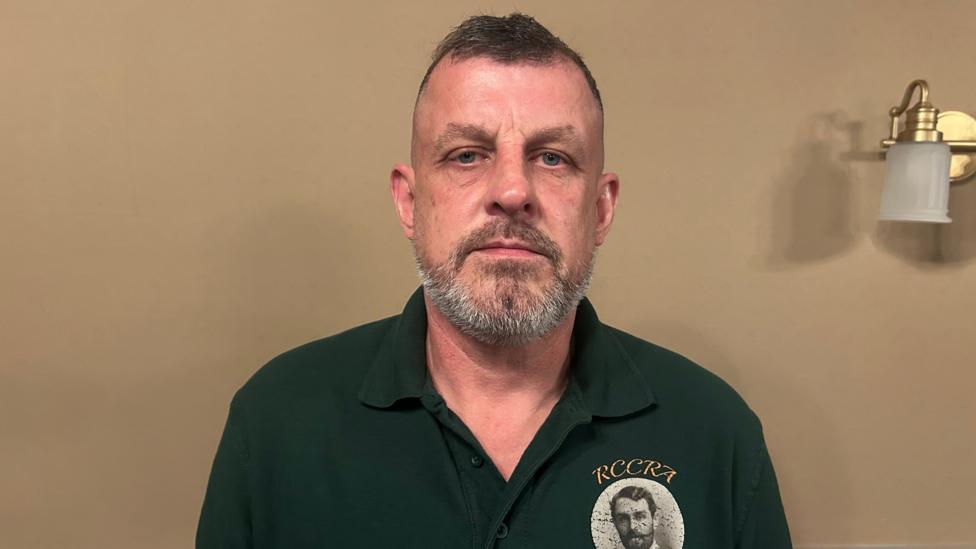
“这动人心弦。我们不仅想在这里纠正错误,还想实现一位垂死之人的愿望,”他对BBC新闻北爱尔兰说。
"It pulls the heart strings. Not only do we want to right a wrong here, we want to fulfil a dying man's wish," he told BBC News NI.
“我们会确保他的愿望得到实现——把他安葬在默洛湾,”达利补充道。该协会声称,“在爱尔兰全岛,遗体重新安葬的申请经常获批”。
"We're going to see that it's granted - his wish that he's laid to rest in Murlough Bay," added Daly. The association has claimed that "exhumations are regularly granted across the island of Ireland".
然而,在北爱尔兰或爱尔兰共和国(ROI)获取重新安葬许可涉及高度监管的程序,主要是因为围绕人类遗骸的严格法律、伦理和公共卫生保障。
However, obtaining an exhumation licence in Northern Ireland or the Republic of Ireland (ROI) involves a highly regulated process, primarily due to the strict legal, ethical, and public health safeguards surrounding human remains.
1965年有人建议将卡森特的遗骸从彭顿维尔遣返北爱尔兰时,哈罗德·威尔逊首相的政府予以禁止,坚称此举会激化政治紧张局势。
When it was suggested Casement's bones should be repatriated to Northern Ireland from Pentonville in 1965, Prime Minister Harold Wilson's government forbade it, insisting it would stir up political tensions.
卡森特错综复杂的遗产将如何影响这次最新的将其送回安特里姆郡的尝试,尚不明朗。
It is unclear how Casement's complex legacy will influence this most recent attempt to bring him to County Antrim.
不熟悉罗杰·卡森特生平的人,仍可能从北爱尔兰最持久的现代政治争议之一的体育场——卡森特公园的名字中认出他。虽然以被视为爱尔兰共和主义烈士命名的盖尔体育协会(GAA)体育场并不罕见,但以英国骑士命名的球场则少之又少。而在他晚年被剥夺爵位之前,卡森特曾同时拥有这两种身份。
Those unfamiliar with the life and times of Roger Casement might still recognise his name from the sports stadium at the heart of one of Northern Ireland's most enduring modern political rows - Casement Park But while it is not unusual for a GAA stadium to be called after a perceived Irish republican martyr, it is much less common for a pitch to be named after a British knight. And before being stripped of his knighthood at the end of his life, Casement had been both.
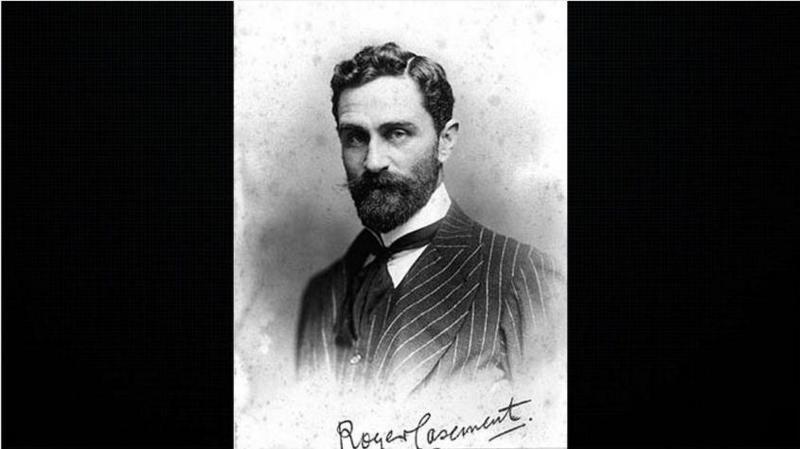
1911年,卡森特因其人道主义工作被乔治五世国王授予爵士称号——这些工作把他从中非带到南美最贫困的地区。
In 1911, Casement was knighted by King George V for his humanitarian work - which took him from central Africa to some of the poorest parts of South America.
但在旅行途中,卡森特——他一生大部分时间自认是新教徒——最终对殖民主义感到幻灭,退出外交事务,转而加入爱尔兰志愿军,投身爱尔兰民族主义事业。
But on his travels Casement - who considered himself a Protestant most his life - eventually became disillusioned with colonialism, retired from diplomacy and dedicated himself to the Irish nationalist cause by joining the Irish Volunteer Force.
第一次世界大战硝烟弥漫之际,卡森特对爱尔兰-德国联盟的潜在可能产生兴趣,视其为实现爱尔兰完全独立的途径。
With World War One raging, Casement became attracted by the potential of an Irish-German alliance as a way of securing full Irish independence.
就在爱尔兰共和兄弟会(IRB)秘密军事委员会策划复活节起义之际,凯斯门特同意前往德国,试图通过招募曾为英国作战、后被德军俘虏的爱尔兰士兵来组建一支旅。但他的计划失败了。
As the secret military council of the Irish Republican Brotherhood (IRB) planned the Easter Rising Casement agreed to travel to Germany, where he would attempt to raise a brigade by recruiting Irish soldiers who had fought for Britain and been captured by Germany. But his plan failed.
抵达欧洲大陆后不久,事情就变得很清楚:德国方面承诺的士兵和20万支步枪不会兑现。
Soon after arriving on the continent, it became clear than the German promises of soldiers and 200,000 rifles were not going to be fulfilled.
1916年4月,凯斯门特乘坐德国U型潜艇返回凯里郡,被英国当局拦截并逮捕。
Returning on a German U-boat to County Kerry in April 1916, Casement was intercepted and arrested by British authorities.
当帕特里克·皮尔斯在都柏林邮政总局的台阶上宣读宣言时,凯斯门特被关押在伦敦塔中,等待以叛国罪受审。
As Pádraig Pearse read the proclamation on the steps of the Dublin's General Post Office, Casement was locked in the Tower of London awaiting trial for treason.
1916年6月29日,凯斯门特被判犯有严重叛国罪,并被判处死刑。
On 29 June 1916 Casement was found guilty of high treason and sentenced to death.
一场争取减刑的运动得到了包括W·B·叶芝和乔治·萧伯纳在内的知名政治和文学界人士的支持,但最终失败。凯斯门特于1916年8月3日被处决。
A campaign for a reprieve was supported by leading political and literary figures, including W B Yeats and George Bernard Shaw, but ultimately failed. Casement was executed on 3 August 1916.
影响他获得减刑机会的部分原因,是其日记摘录被广泛传播,公开暴露了他的同性恋身份。
Part of what hampered his chances of a reprieve were extracts from his diaries which were widely circulated, publicly outing him as a homosexual.