东京 —— 日本公司三菱材料周五宣布,将把用于光通信设备的温度传感器(即热敏电阻)的产能提升六倍,因为生成式人工智能的兴起推动了需求增长。
TOKYO -- Mitsubishi Materials will increase by sixfold its production capacity of temperature sensors, known as thermistors, that are used in optical communication equipment, the Japanese company announced Friday, as the rise of generative artificial intelligence drives demand.
该公司将投入一笔未披露的资金,到2027年11月将泰国子公司MMC Electronics (Thailand)的产能提升至每月约1200万个,约为2025年水平的六倍。
The company will spend an undisclosed amount to boost the capacity at Thai subsidiary MMC Electronics (Thailand) by November 2027 to around 12 million units a month, roughly six times the 2025 level.
热敏电阻用于监测光收发模块内部的温度,该设备将电信号转换为光信号,反之亦然。由于温度波动会影响光收发模块的通信性能,因此需要温度控制来实现稳定。
Thermistors monitor the temperature inside an optical transceiver, a device that converts electrical signals into optical signals and vice versa. Since temperature fluctuations influence the communication performance of optical transceivers, temperature control is needed for stabilization.
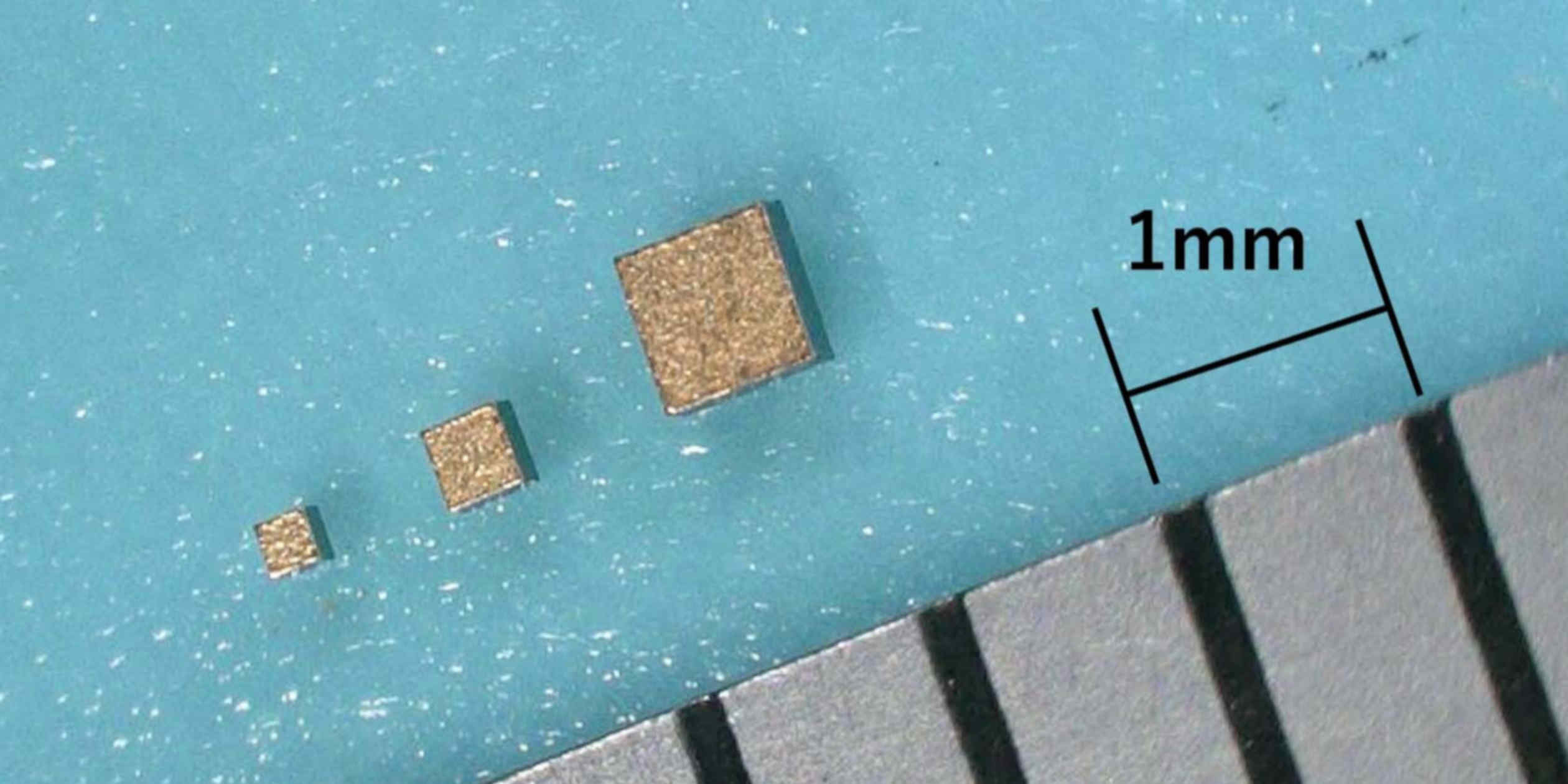
三菱材料的热敏电阻尺寸小于1毫米,也有助于光收发模块的小型化。
Measuring less than 1 millimeter, Mitsubishi Materials' thermistors also help miniaturize optical transceivers.
由于数据中心的高速、大容量数据通信需要光通信,光收发模块的需求正在上升。
Demand for optical transceivers is rising because high-speed, high-volume data communication in data centers requires optical communication.