英国一座重要的战时广播站正在出售,售价接近50万英镑。这座位于鲍伊斯(Powys)地区的克里金恩广播站(Criggion Radio Station)不仅在第二次世界大战和冷战期间用于向军舰和潜艇发送信息,还在卫星通信技术出现之前承担着连接英国与世界各地的任务。
One of Britain's key wartime radio stations is up for sale for nearly half a million pounds. Criggion Radio Station in Powys was used not only to transmit messages to warships and submarines during World War Two and the Cold War, but to connect Britain to the world before satellite communication.
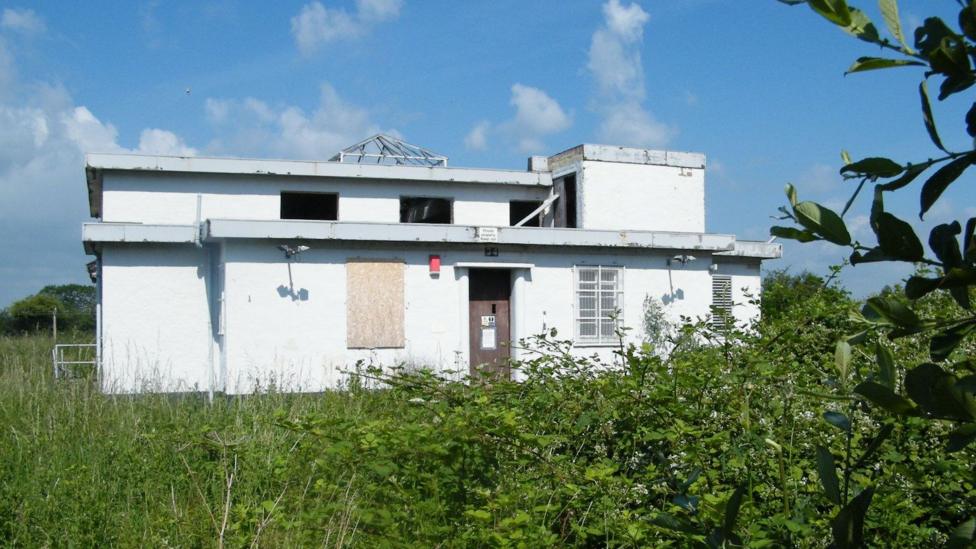
该广播站的一部分设备(名为“Shortwave A”)目前以49.5万英镑的价格出售,不过原有的无线电设备以及那两座高达600英尺(182.9米)的发射塔已经不复存在。
Part of the station, named Shortwave A, is now on the market for £495,000 - though neither the original radio equipment nor the station's distinctive 600ft (182.9m) towers remain.
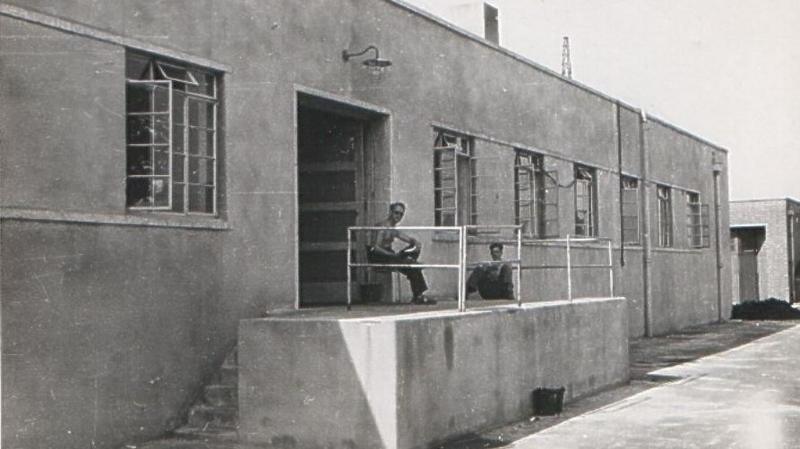
罗伯特·皮尔斯(Robert Pearce)是一位退役的英国皇家空军无线电工程师,他拥有该广播站的另一部分资产。他表示:“我们失去了这座广播站,实在令人痛心。我们在无线电通信技术方面曾处于世界领先地位。”这座广播站始建于1942年,当时是为了在拉格比(Rugby, Warwickshire)的主要通信中心遭到轰炸时作为备用设施而匆忙建造的。
Robert Pearce, a retired Royal Air Force radio engineer who owns another part of the former station, said: "It's very, very sad we've lost it. We were the absolute leaders in technology." The radio station, first used in 1942 was built quickly as a back-up to the main communications centre in Rugby, Warwickshire, amid fears that it could be bombed.
设计者需要一个地势平坦且与外界隔绝的地方,并且需要有一座山丘来支撑广播站的天线系统。他们最终在什罗普郡(Shropshire)与威尔士边境的克里金恩村找到了理想的地点。
Planners needed a location that was flat and isolated, with a hill to provide anchor points for the radio station's aerial system. They found this in Criggion, a quiet village on the Shropshire border.
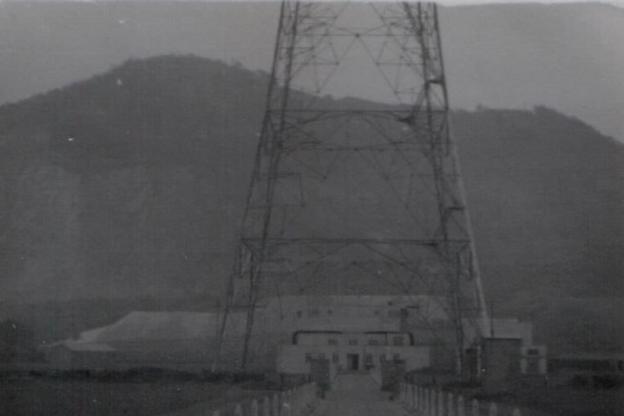
为了增强无线电信号,工程师们铺设了长达数英里的地下铜缆;同时,他们创造性地利用克里金恩村内的布里登山(Breidden Hill,海拔900英尺/274.3米)来支撑大型天线系统以及那些具有埃菲尔铁塔风格的发射塔——这一设计堪称工程学的杰作。
With miles of buried copper wire to boost radio signal, the inventive use of Criggion's 900ft (274.3m) Breidden Hill to hold up its large aerial system and its Eiffel-style towers, the site was a feat of engineering. To keep essential communications running, staff even used an amphibious military vehicle, which is a cross between an armoured truck and a motorboat, to get to work during floods.
在洪水期间,工作人员甚至使用了一种介于装甲卡车和摩托艇之间的两栖军用车辆来维持广播站的正常运行。
During World War Two, the station relayed messages from the Admiralty - the government department responsible for the command of the Royal Navy.
在第二次世界大战期间,该广播站负责转播英国海军部的指令;不过工作人员并不知道这些加密信息的具体内容。
Employees at the station had no idea what the content of these coded messages was.
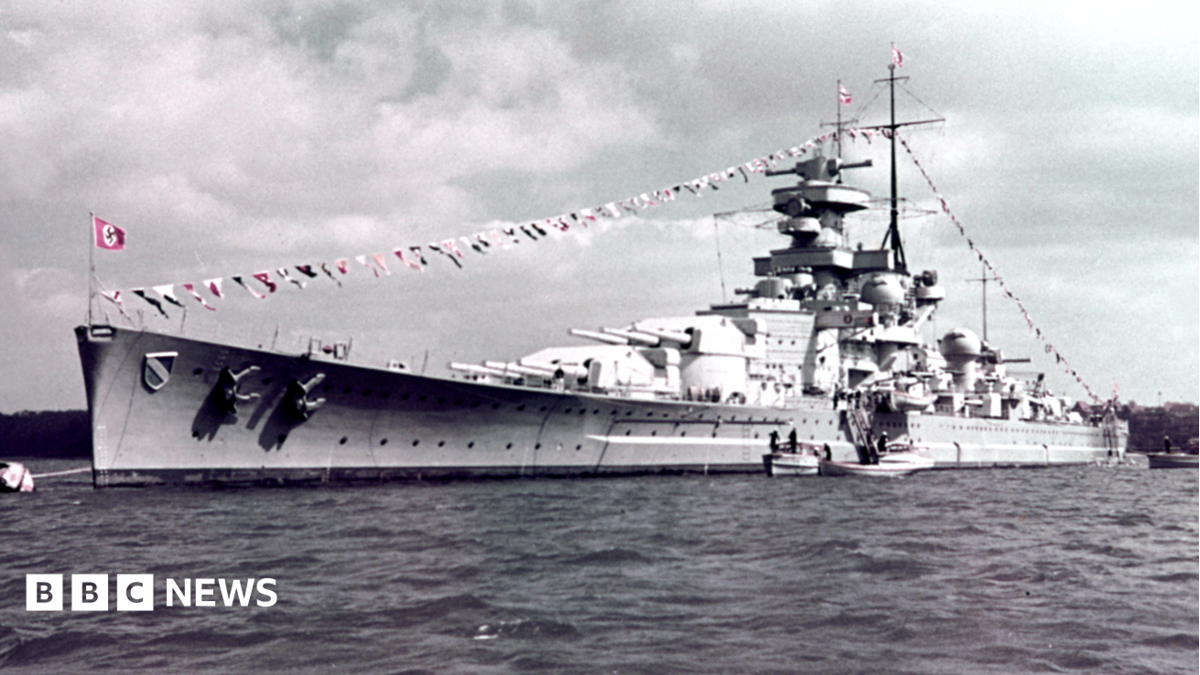
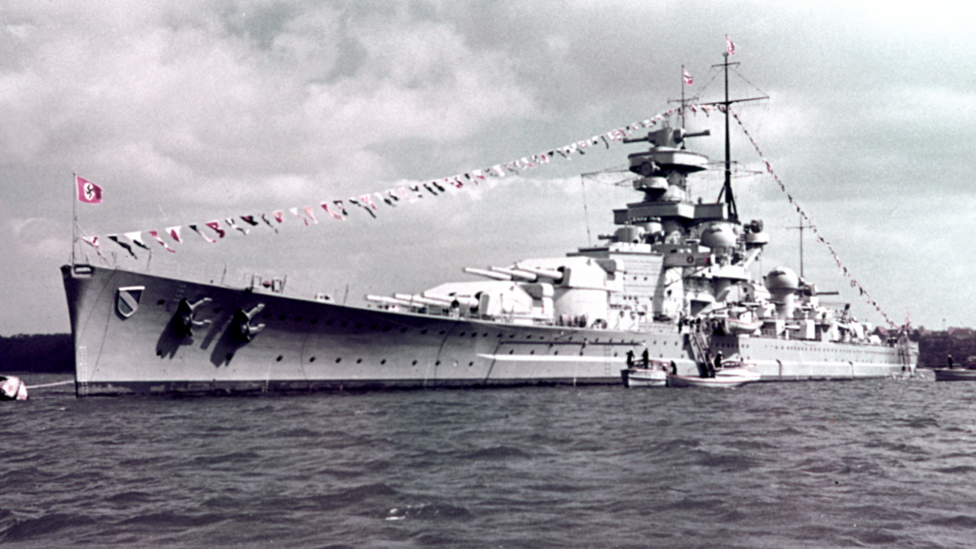
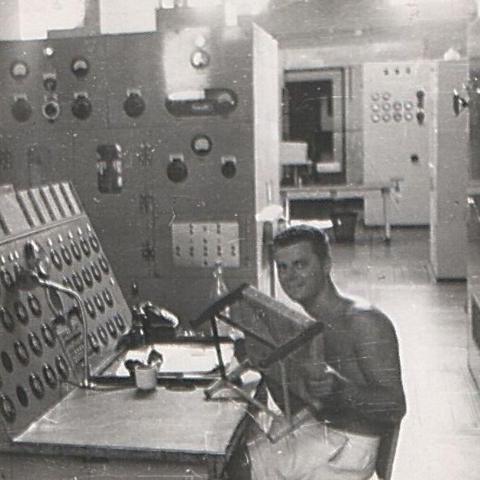
据记载,克里金恩广播站曾参与执行过击沉多艘德国军舰的任务,其中包括纳粹德国最危险的战列舰“沙恩霍斯特号”(Scharnhorst)。在冷战期间,该广播站的运营最为繁忙,据估计当时有120至160名工作人员在此工作。在此期间,克里吉昂向英国潜艇舰队中继甚低频(VLF)信息。在卫星通信广泛使用之前,该电台也用于民用通信。技术进步使克里吉昂的短波建筑在20世纪70年代过时。
However, Criggion is reported to have relayed orders to sink several warships, including Scharnhorst - which was one of Nazi Germany's most dangerous and successful battleships Criggion was at its busiest during the Cold War, when reports suggest between 120 and 160 people worked at the station. During this time, Criggion relayed Very Low Frequency (VLF) messages to Britain's submarine fleet. Before the widespread use of satellite communication, the station was also used for civilian traffic. Advancements in technology made Criggion's Shortwave buildings obsolete in the 1970s.
然而,其中两栋建筑仍由英国电信(BT)使用,BT是邮政总局电信部门私有化后的继任者。
However, two of its buildings remained in use by British Telecom (BT), the privatised successor to the General Post Office's telecommunications branch.
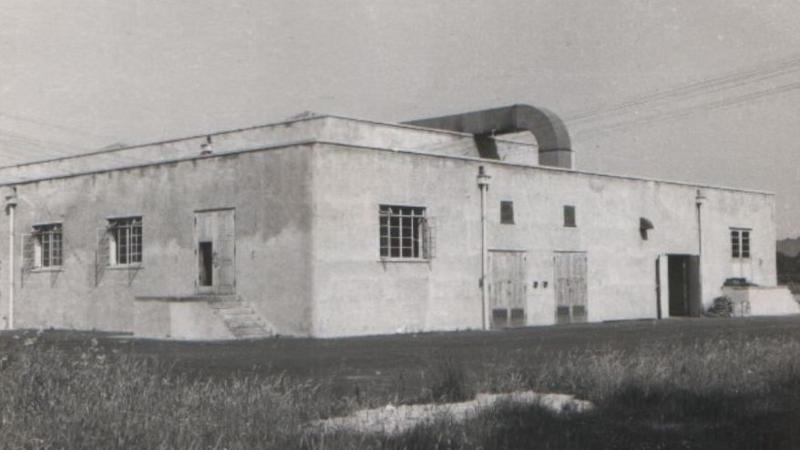
该电台于2003年正式退役,结束了克里吉昂60年的无线电运营历史。
The station was formally decommissioned in 2003, bringing 60 years of radio operations in Criggion to a close.
在随后的几年里,这座电台变成了一个破败不堪、被城市探险者光顾的地点。
In the years that followed, the radio station became a rundown location visited by urban explorers.
2014年,波伊斯郡议员格雷厄姆·布朗对电台退役后被“任其腐烂”表示失望,并呼吁将该场地改造成历史景点。
In 2014, Powys councillor Graham Brown expressed disappointment that the station had been "left to rot" after the decommission and called to turn the site into a historical attraction.
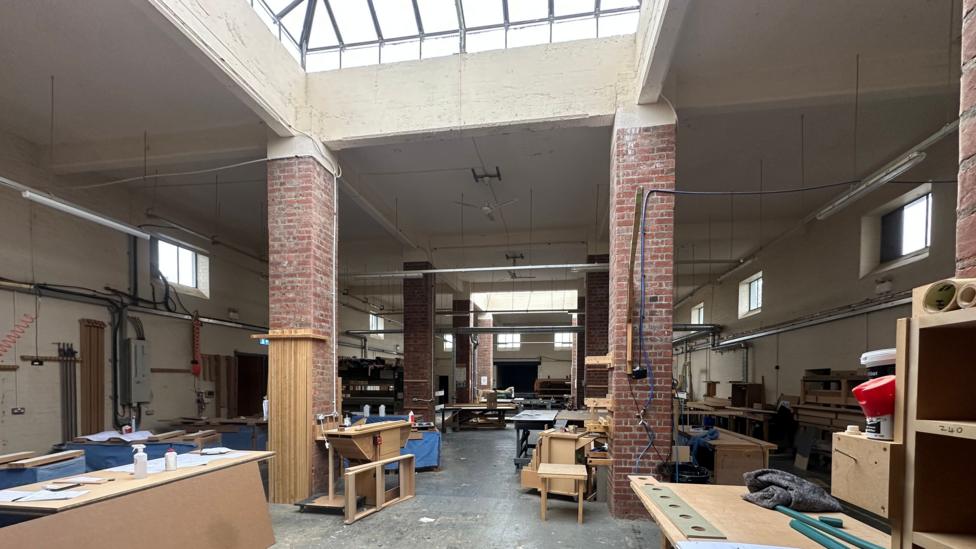
然而,电台的四栋主体建筑被不同的买家购买。短波A被The Studio People(一家声学设计与录音室安装公司)购得,并作为其办公室和车间使用,直至2026年。另一位买家是皮尔斯,他出生于什鲁斯伯里,离该地点不远。
Instead, the four main buildings of the station were bought by separate buyers Shortwave A was purchased by The Studio People, an acoustic design and studio installation company, and turned into its office and workshop until 2026. One of the other buyers was Pearce, who grew up in Shrewsbury, not far from the site.
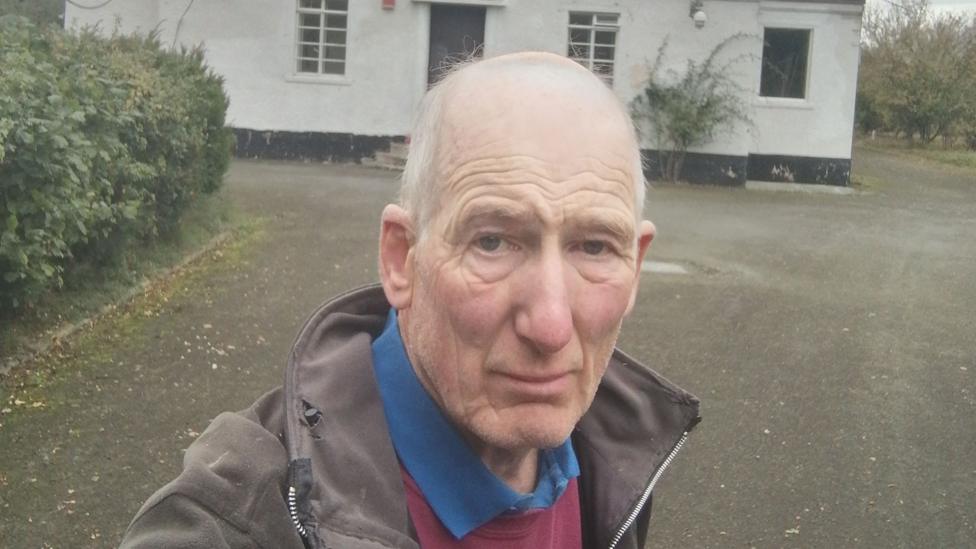
他购买克里吉昂低频(LF)建筑时的想法是将其改造成一座无线电博物馆。
His idea when he bought Criggion's Low Frequency (LF) building was to turn it into a radio museum.
然而,由于未获批准改变建筑用途,皮尔斯开玩笑说,它反而变成了“一个非常昂贵的花园棚屋”。
However, without permission to change the purpose of the building, Pearce joked it had instead become "a very expensive garden shed".
尽管如此,皮尔斯还是学习考取了业余无线电执照,现在他每天都从这个历史遗址向业余无线电波段上的其他人广播。
Despite this, Pearce studied to get his amateur radio licence and he now broadcasts daily from the historic site to others on the amateur radio band.
“我们交谈,发送信号报告,看看天气如何,或者你在做什么。”他的无线电呼号甚至以GBY结尾,GBY是克里吉昂运营期间使用的呼号之一。
"We talk, we give signal reports, see what the weather is like, or what you're building." His radio callsign even ends in GBY, one of the callsigns used by Criggion while in operation.
尽管皮尔斯认为该场地大量技术的流失“非常、非常遗憾”,但他仍继续从克里吉昂广播,并向无线电爱好者们参观他的建筑。
Though Pearce believes it is "very, very sad" that much of the technology from the site has been lost, he continues to broadcast from Criggion and gives tours of his building to fellow radio enthusiasts.