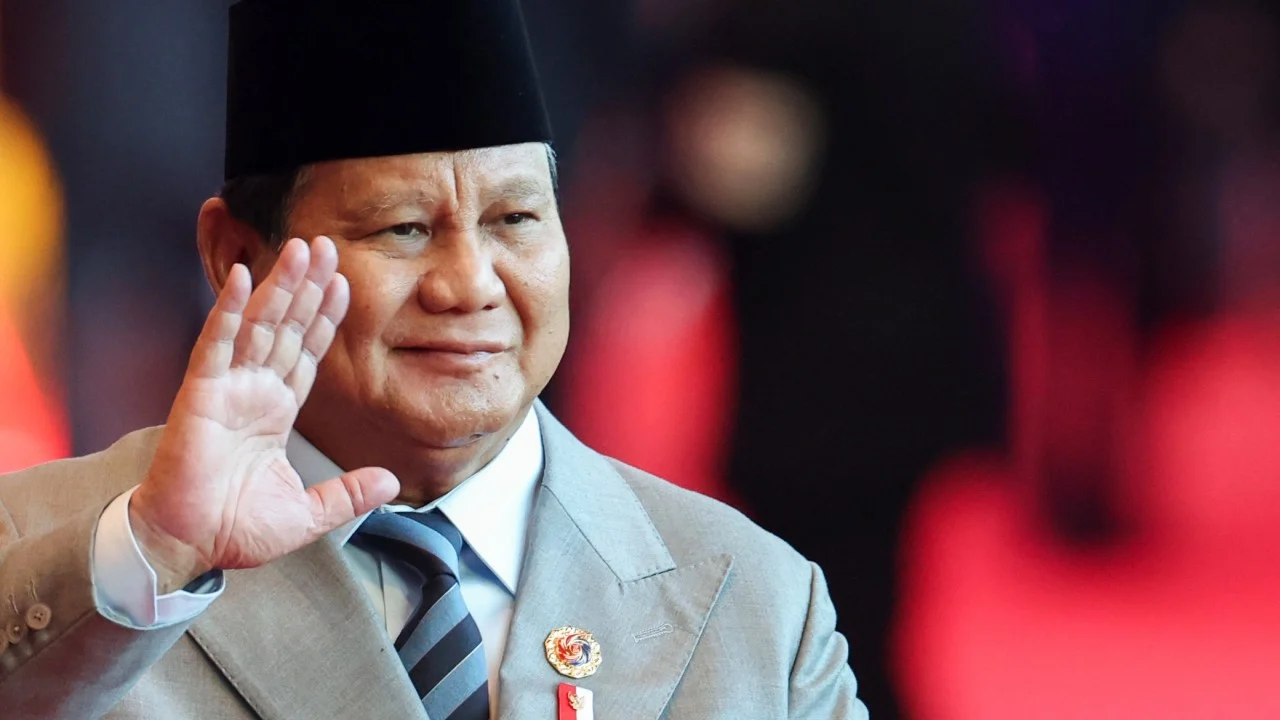
35岁的勿加泗居民伊卡·卡蒂卡在2024年印度尼西亚总统大选中投票给普拉博沃·苏比安托时,希望这位前将军能恢复一个“苏哈托式”的稳定时代,那时日常必需品价格亲民,生活更有保障。
When 35-year-old Bekasi resident Ika Kartika voted for Prabowo Subianto in Indonesia’s 2024 presidential election, she hoped the former general would restore a “Suharto-like” era of stability, when everyday essentials were affordable and life felt more predictable.
成长过程中,她常听父母怀念已故强人统治下的“美好旧时光”,那段统治给他们的生活带来了一种秩序感。
Growing up, she had often heard her parents reminisce about the “good old days” under the late strongman, whose rule had brought a sense of order to their lives.
然而,两年过去了,食品价格上涨让伊卡开始质疑,曾是苏哈托女婿的普拉博沃,能否兑现那个愿景。“我以为他会扭转局面。现在我觉得被骗了,很失望,”伊卡说。
Two years into his presidency, however, rising food prices have left Ika questioning whether Prabowo, who was once Suharto’s son-in-law, can deliver on that vision. “I thought he would turn things around. Now I feel cheated and disappointed,” Ika said.
她的幻灭反映出人们对这位75岁前特种部队指挥官更广泛的信心丧失——这与他在第三次竞选中终于赢得总统宝座后所享有的强势地位形成鲜明反转。
Her disillusionment reflects a broader loss of confidence in the 75-year-old former special forces commander – a sharp reversal from the position of strength he enjoyed after finally winning the presidency on his third attempt.
就职时,普拉博沃几乎没有面临议会反对,因为他将前对手政党纳入了一个庞大的执政联盟。他乘着就职后的蜜月期,公众支持率在任期初飙升至79%,并开始实施其蓝图,旨在改造东南亚最大经济体并提升其全球地位。
Taking office with virtually no parliamentary opposition after bringing former rival parties into a sprawling governing coalition, Prabowo rode a post-inauguration honeymoon that saw his public approval rating hit 79 per cent at the start of his term as he began implementing his blueprint to transform Southeast Asia’s largest economy and elevate its global standing.
在国内,他将消除儿童营养不良的全民免费营养餐计划——全面推行时最初预计每年耗资450万亿盾(约合250亿美元)——以及通过红白村合作社振兴农村经济,视为其政治遗产的押注。红白村合作社是一个国家支持的零售和物流枢纽网络。
At home, he staked his legacy on eradicating child malnutrition through his universal free nutritious meals programme – initially projected to cost 450 trillion rupiah (US$25 billion) a year at full scale – and reviving rural economies through Red and White Village Cooperatives, a state-backed network of retail and logistics hubs.
对于投资者而言,他的主张是:这些及其他国家主导的举措将创造数百万个就业岗位,并推动年度GDP增长达到8%,主权财富基金达南塔拉是其盘活国有资产、服务战略产业和加速发展计划的核心。
For investors, his pitch was that these and other state-led initiatives would create millions of jobs and propel annual GDP growth to 8 per cent, with sovereign wealth fund Danantara central to his plan to put state assets to work in strategic industries and accelerate development.
在国际舞台上,他与金砖国家集团的伙伴共同推动“全球南方”外交,并承诺继续做东南亚的稳定锚。
Abroad, he championed Global South diplomacy in the Brics bloc alongside a pledge to remain a stabilising anchor in Southeast Asia.
然而,当普拉博沃于周二迎来执政满24个月之际,这些宏大抱负在所有三个战线上都撞上了残酷的现实。
Yet as Prabowo marked his first 24 months in the top job on Tuesday, those lofty ambitions have collided with harsh realities on all three fronts.
赛富·穆贾尼研究与咨询公司(SMRC)10月的一项民调显示,普拉博沃的支持率已跌至44.5%,首次跌破50%大关。经济与法律研究中心(Celios)的一项单独调查则发现,75%的受访者因政府政策感到压力,基本必需品价格高企和就业机会匮乏是他们最关心的问题。
An October survey by Saiful Mujani Research and Consulting (SMRC) found that Prabowo’s approval rating had fallen to 44.5 per cent, below the 50 per cent mark for the first time. A separate survey by the Centre of Economic and Law Studies (Celios) found that 75 per cent of respondents felt stressed by government policies, with high prices for basic necessities and a lack of job opportunities among their chief concerns.
与此同时,即将到来的全球指数降级引发了惨烈的股市暴跌,肆虐的森林大火产生的毒烟笼罩了该地区,让马来西亚和新加坡等邻国深受其害。
Simultaneously, a looming global index downgrade has triggered a bruising stock market rout, while raging forest fires have blanketed the region in toxic smog, choking neighbours Malaysia and Singapore.
面对这些挑战,分析人士表示,普拉博沃在被动补救和固执坚持之间摇摆。
In the face of those challenges, analysts say Prabowo has oscillated between reactive damage control and stubborn resolve.
他没有从根本上重新思考议程,而是进行了调整,例如削减免费营养餐计划的预算但拒绝放弃该计划,并多次改组内阁。他的政府在对外释放信号上也令人困惑,先是批准外国消防援助抗击烟霾,随后又将这些援助提议搁置。
Rather than fundamentally rethink his agenda, he has made adjustments, such as slashing the budget for the free meals programme but refusing to abandon it, and repeatedly reshuffling his cabinet. His government has also sent confusing signals abroad, approving foreign firefighting help to battle the haze before subsequently putting the offers on hold.
执政党盟友为他的调整辩护,称之为维护财政稳定的“动态举措”,但观察人士认为,这不过是掩盖其政府更深层结构性缺陷的权宜之计。
While ruling party allies defend his adjustments as “dynamic moves” to protect fiscal stability, observers argue they merely paper over the deeper structural flaws of his administration.
现在的问题是,普拉博沃能否真正改弦易辙,还是说他第二年的挫折将定义其余任期的走向。
The question now is whether Prabowo can genuinely change course or whether the setbacks of his second year will define the rest of his term.
普拉博本人公开态度依然强硬。10月8日,在一个镍加工项目启动仪式上,他轻描淡写地回应了经济悲观论,指着强劲的国家支持投资,作为其政府取得成功的证明。
Prabowo himself remains publicly defiant. Brushing off economic pessimism at a nickel-processing project launch on October 8, he pointed to robust state-backed investments as proof that his administration was succeeding.
“每个月,他们都预测我们会崩溃。但今天,我来到这里,我看到了印度尼西亚光明的未来,”他宣称。
“Every month, they predict that we will collapse. But today, I have come here and I see a bright future for Indonesia,” he declared.
授权基础动摇 公众情绪逆转的核心,在于曾经奠定普拉博沃声望的标志性福利计划推行不力。SMRC 的调查显示,61% 了解免费营养餐计划的民众对其执行情况表示不满,而 71% 的人怀疑村级合作社计划能否成功。
Fraying mandate At the heart of the public mood shift is the troubled roll-out of the signature welfare schemes that once anchored Prabowo’s popularity. The SMRC survey showed that 61 per cent of citizens familiar with the free meals initiative were unhappy with its execution, while 71 per cent doubted the village cooperatives plan would succeed.
SMRC 研究员兼项目经理赛迪曼·艾哈迈德表示,民调揭示了支持者在所有人口统计群体中大面积流失,并指出总统旗舰项目的管理不善是招致公众谴责的主要原因。赛迪曼说,免费营养餐计划和村级合作社计划“都是重要因素”。
Saidiman Ahmad, a researcher and programme manager at SMRC, said the poll exposed a broad defection of supporters across all demographic groups, pinpointing mismanagement of the president’s flagship initiatives as the main cause of public censure. Both the free meals initiative and village cooperatives plan “were significant factors”, Saidiman said.
这些失误在选民眼中显而易见,比如 31 岁的卢加斯·利莫约,他是中爪哇省普尔沃克托的居民,2024 年在三组总统候选人中支持了普拉博沃。
Those missteps are glaring to voters like Lugas Limojoyo, 31, a resident of Purwokerto in Central Java who backed Prabowo in 2024 among the three presidential tickets.
曾任酒店厨师的卢加斯将免费营养餐计划和合作社计划称为普拉博沃的“主要危险信号”。
Lugas, a former hotel chef, described the free meals programme and the cooperatives as Prabowo’s “main red flags”.
他指出反复发生的大规模食物中毒案例,并注意到缺乏基本的食品安全规程——这一观察得到了印度尼西亚食品药品监督管理局的呼应,该机构多次指出卫生条件差和员工未受培训是导致数千名学生生病的主要原因。
Pointing to recurring mass food-poisoning cases, he noted a lack of basic food safety protocols – an observation echoed by Indonesia’s food and drug agency, which has repeatedly cited poor sanitation and untrained staff as the primary causes behind thousands of students falling ill.
卢加斯在村级合作社计划中也看到了类似的协调缺失,他指出许多国家出资建设的仓库“已经建成但未投入运营,像空壳一样闲置在那里”。路透社也曾报道分析人士对该计划自上而下的模式、部分选址的商业可行性以及合作社能否回应当地需求表示担忧。
Lugas saw a similar lack of coordination in the village cooperatives initiative, noting that many state-funded warehouses “have already been built but aren’t operational, sitting there like empty husks”. Reuters has also reported concerns from analysts about the scheme’s top-down approach, the commercial viability of some locations and whether the cooperatives can respond to local needs.
尽管如此,这些项目仍保留着一些支持者。在泗水经营蔬果生意的29岁商贩阿尼萨·法迪拉表示,她对普拉博沃的表现依然满意,并会在2029年再次投票给他,因为女儿享受到了学校供餐,她的生意也因该计划获得了供货合同。
Still, the programmes retain pockets of support. Anissa Fadhilah, a 29-year-old greengrocer in Surabaya, said she remained satisfied with Prabowo’s performance and would vote for him again in 2029 after her daughter received school meals and her business landed supply commissions from the scheme.
阿尼萨说:“我认为[免费供餐计划]达到了提振普通民众经济状况的预期效果,所以我支持它。”官员们也为政府两年来的执政记录进行了辩护。
“I think [the free meals initiative] has the desired effect of lifting ordinary people economically, so I’m for it,” Anissa said. Officials also defended the administration’s two-year track record.
印度尼西亚政府传播机构发言人贾丝明·赫拉万表示,政府已扩大社会安全网,免费供餐计划惠及5700万受益人,而在一年内,近150万人摆脱了极端贫困。
Jasmine Herawan, a spokeswoman for Indonesia’s Government Communications Agency, said the administration had expanded the social safety net, with its free meals programme reaching 57 million recipients, while nearly 1.5 million people had been lifted out of extreme poverty within a year.
她还提到粮食安全方面的成果,称印度尼西亚2025年生产了3471万吨大米,且当年未进口任何大米。
She also cited gains in food security, saying Indonesia produced 34.71 million tonnes of rice in 2025 without importing any that year.
在开采领域,贾丝明表示:“我们还通过为关键大宗商品建立单一出口渠道系统,确立了我们的矿产主权。”该系统旨在让政府对矿产出口拥有更大的监管权,并使企业更难低报出口价值,从而避免国家税收流失。
On the extractive sector, Jasmine said: “We’ve also affirmed our mineral sovereignty by setting up a single-door export system for our key commodities.”The system is intended to give the government greater oversight of mineral exports and make it harder for companies to understate the value of what they sell overseas, potentially depriving the state of tax revenue.
市场算账 然而,昂贵的支出承诺引发了对财政可持续性的更广泛担忧。今年早些时候,政府从免费供餐计划中削减了67万亿盾,随后在最后一个季度对各部委实施进一步的开支限制,以帮助将预算赤字控制在不超过GDP 3%的法定上限内。
Market reckoning Costly spending commitments, however, have raised broader concerns about fiscal sustainability. Earlier this year, the government cut 67 trillion rupiah from the free meals programme before imposing further spending curbs across ministries in the final quarter to help keep the budget deficit within its legal ceiling of 3 per cent of GDP.
但财政紧缩几乎未能安抚投资者。10月16日,指数编制机构MSCI警告称,鉴于对企业所有权不透明和交易操纵的担忧,印度尼西亚可能会从“新兴”市场降级为“独立”市场地位,引发印尼资产遭遇惨烈抛售。雅加达综合指数暴跌11.6%,盾兑美元汇率跌至18050比1。
But fiscal tightening did little to reassure investors. On October 16, index provider MSCI warned that Indonesia could be downgraded from “emerging” to “stand-alone” market status over concerns about opaque corporate ownership and trading manipulation, triggering a bruising sell-off in Indonesian assets. The Jakarta Composite Index plunged 11.6 per cent and the rupiah fell to 18,050 per US dollar.
尽管监管机构紧急对市场操纵者处以罚款,且交易所官员周一在与MSCI的会议上承诺迅速推进治理改革,但基准指数本周触及六年低位,投资者仍在消化该警告以及数十亿美元被动资金外流的风险。
Despite emergency regulatory fines against market manipulators and bourse officials pledging swift governance reforms during a meeting with MSCI on Monday, the benchmark index hit a six-year low this week, as investors continued to digest the warning and the risk of billions of dollars in passive capital outflows.
新加坡ISEAS-尤索夫·伊萨研究院印尼研究项目联合协调员Siwage Dharma Negara表示,地区投资者继续认为普拉博沃的经济政策难以预测。
Siwage Dharma Negara, co-coordinator of the Indonesia Studies programme at Singapore’s ISEAS – Yusof Ishak Institute, said regional investors continued to view Prabowo’s economic policy as unpredictable.
“他在民粹主义项目上不会退让,比如免费午餐和村级合作社,但这对国家的经济利益将是什么,目前尚不清楚,”Siwage说。
“He will not give up his populist programmes, like the free meals and rural cooperatives, but it is not clear what the economic benefit for the country will be,” Siwage said.
Siwage指出,最近的财政修正幅度太小,无法满足投资者,许多投资者认为免费午餐是对国家资源的浪费,这些资源本应转向教育、医疗或陷入困境的地方政府。
Siwage noted that the recent fiscal correction was too small to satisfy investors, many of whom viewed the free meals as a waste of state resources that should be redirected towards education, health or struggling regional governments.
“普拉博沃从根本上不信任其他人就经济方向向他提供建议,”Siwage说,并警告此类举措正在制造恶劣的投资环境。“如果我们要恢复市场信心,最紧迫的对策是减少这种国家对经济的干预。”
“Prabowo fundamentally does not trust anyone else to advise him on economic direction,” Siwage said, warning that such moves were creating a poor investment climate. “If we want to restore market confidence, the most urgent fix is reducing this state intervention in the economy.”
在普拉博沃执政的大印尼运动党(Gerindra)内部,议员们拒绝承认政府的经济议程正在失效。大印尼运动党发言人Sugiat Santoso将Celios为期两年的研究斥为“言过其实”并“故意渲染”,以制造大众恐慌。
Inside Prabowo’s ruling Gerindra party, lawmakers reject assertions that the administration’s economic agenda is faltering. Gerindra spokesman Sugiat Santoso dismissed Celios’ two-year study as “over the top” and “deliberately dramatised” to create mass panic.
为村级合作社辩护,称其是弱势群体实现财务独立的途径,并将免费餐食称为对未来世代的持续投资,苏吉亚特补充道:“总统绝对不是来取悦分析师的,而是要为人民福祉带来真正的变革。”
Defending the village cooperatives as a path to financial independence for disadvantaged communities and the free meals as an ongoing investment in future generations, Sugiat added, “The president is definitely not here to please analysts, but to bring about real changes for the welfare of the people.”
人事轮换 不愿放弃其核心民粹主义承诺,普拉博沃转而通过频繁的人事变动来加强对官僚体系的控制——仅10月前两周就进行了三次内阁改组或任命新官员,使其两年内的内阁震荡总次数达到八次。
Musical chairs Unwilling to abandon his core populist pledges, Prabowo has instead turned to frequent personnel changes to tighten his grip on the bureaucracy – reshuffling his cabinet or installing new officials three times in the first two weeks of October alone, bringing his total number of cabinet shake-ups to eight in two years.
印度尼西亚战略与国际研究中心政治与社会变迁部主任阿里亚·费尔南德斯表示,这些震荡源于总统潜在的政治脆弱性——具体而言,是大印尼运动党缺乏议会主导地位,以及其前任佐科·维多多的残留影响力。
Arya Fernandes, head of politics and social change at the Centre for Strategic and International Studies Indonesia, said these shake-ups stemmed from the president’s underlying political vulnerability – specifically Gerindra’s lack of parliamentary dominance and the lingering influence of his predecessor, Joko Widodo.
阿里亚指出,这迫使普拉博沃通过容纳广泛的政治光谱来巩固权力。但维持这种稳定的高昂代价——通过庞大的内阁和增加军费开支——加剧了财政压力,迫使中央政府削减地方拨款。“总之,普拉博沃赢得了精英支持,却失去了大众支持,”他说。
This has forced Prabowo to consolidate power by accommodating a wide political spectrum, Arya noted. But the high cost of maintaining that stability – through an oversized cabinet and increased military budgets – has driven up fiscal pressure and forced the central government to slash local funding. “In sum, Prabowo has secured elite support and lost mass support,” he said.
印度尼西亚调查机构研究员约斯·C·克纳瓦斯表示,这种动态反映了一位领导人,其专制本能使他对精英忠诚度感到不安。
Yoes C. Kenawas, a researcher at Lembaga Survei Indonesia, said this dynamic reflected a leader whose authoritarian instincts make him insecure about elite loyalty.
“他在精英背叛和遭到联盟伙伴捅刀子方面依然深感偏执,”尤斯说。“即使拥有80%的议会多数席位,他也不感到安全。”
“He remains deeply paranoid about elite betrayal and being backstabbed by coalition partners,” Yoes said. “Even with an 80 per cent parliamentary majority, he does not feel secure.”
西瓦格表示,更换官员无法解决政府更深层的弊端:“我们已经看过多次内阁改组,他很可能会继续调换官员,以为新人能解决问题。但真正的问题是,整个治理体系目前在落实稳健经济政策方面无效。”
Siwage said swapping out officials would not solve the administration’s deeper flaws: “We have seen many cabinet reshuffles so far, and he will likely continue shuffling officials, thinking a new person will fix the problem. But the real issue is that the entire system of governance is currently ineffective at implementing sound economic policy.”
火上浇油 行政压力溢出印尼国界、引来外界关注的最显著案例,莫过于跨境烟霾危机。
Fanning flames Nowhere has that administrative strain spilled beyond Indonesia’s borders more visibly than in the transboundary haze crisis.
自8月以来,苏门答腊岛和加里曼丹岛发生严重森林和泥炭地火灾,浓烟飘散至整个地区,迫使马来西亚停课,引发外交抗议,并导致新加坡总理警告将对肇事企业采取行动。
Since August, severe forest and peatland fires across Sumatra and Kalimantan have sent thick smoke across the region, forcing school closures in Malaysia, prompting diplomatic protests and leading Singapore’s prime minister to warn of action against errant companies.
西瓦格将火灾死灰复燃直接归因于普拉博沃的国内财政紧缩,称这导致地方政府“缺乏足够的运作资金来灭火”。
Siwage linked the resurgence of the fires directly to Prabowo’s domestic fiscal squeeze, which he said left local governments “without enough operational funds to fight the fires”.
数月来,雅加达拒绝了地区国家提供的灭火援助,而官员的公开言论只会火上浇油——最引人注目的是,新任通讯机构负责人建议邻国在没有烟霾时应记得印尼的森林“输送氧气”。
For months, Jakarta resisted regional offers of firefighting help, while public remarks by officials only inflamed tensions – most notably when the newly appointed communications agency head suggested neighbours should remember Indonesia’s forests “send oxygen” when there is no haze.
西苏门答腊安达拉斯大学国际关系讲师里夫基·德尔马万表示,这一事件凸显了鲜明对比:普拉博沃频繁出访全球,“东盟似乎并非优先事项”。
Rifki Dermawan, an international relations lecturer at Universitas Andalas in West Sumatra, says the episode highlights a stark contrast: while Prabowo frequently travels globally, “Asean does not seem to be a priority”.
里夫基指出,总统未就污染问题道歉或与地区对应方接触,这表明该集团“可能不在普拉博沃的关注范围内”。他将雅加达不愿接受外部援助归因于普拉博沃对外国介入的猜疑,以及反复指责“外国代理人”的言论。
Pointing to the president’s failure to apologise or engage with regional counterparts over the pollution, Rifki said it suggested the bloc “might not be among Prabowo’s interests”. He attributed Jakarta’s reluctance to accept outside help to Prabowo’s suspicion of foreign involvement and repeated rhetoric blaming “foreign agents”.
外交缓和似乎在10月15日到来,当时外交部长阿尔马纳塔·纳西尔宣布普拉博沃已批准地区灭火援助。但政府随后突然反悔,安全事务协调部长杜东·阿卜杜拉赫曼叫停了这些提议,宣称印尼“仍有能力”应对火灾。
A diplomatic thaw seemingly arrived on October 15 when Foreign Minister Arrmanatha Nasir announced Prabowo had approved regional firefighting help. But the administration later abruptly backtracked when security chief Dudung Abdurachman put the offers on hold, declaring Indonesia was “still capable” of managing the blazes.
在公众愤怒日益高涨、并有呼声要求将印尼视为该地区“弃儿”的背景下,普拉博沃随后抨击那些“喜欢侮辱”其国家的国家。
Prabowo then railed against “countries that like to insult” his nation over the wildfires, amid growing public anger and calls for Indonesia to be treated as an “outcast” in the region.
“印尼是一个礼貌且忍耐的国家。我们的国家经常受到侮辱,但请相信我,我们的民族不想一直被侮辱,”普拉博沃周三表示。
“Indonesia is a polite and patient nation. Our country is often insulted, but believe me, our nation does not want to be insulted all the time,” Prabowo said on Wednesday.
据路透社报道,普拉博沃周三还对内阁表示,摩根士丹利资本国际指数公司(MSCI)试图“吓唬我们”,并补充说印尼“不害怕”,不会屈服。
Prabowo also told his cabinet on Wednesday that MSCI was trying to “scare us”, adding that Indonesia was “not afraid” and would not buckle, Reuters reported.
尽管支持率暴跌、市场抛售、外交麻烦不断,约埃斯警告称,普拉博沃可能不会感到有必要改变方向,因为他执政第二年的低谷之痛尚未波及其核心政治圈层。
Despite plunging approval ratings, a market sell-off and diplomatic fires, Yoes warned Prabowo might not feel compelled to change course because the pain of his second-year slump had not hit his immediate political centre.
“危机是碎片化的,”约埃斯说。“有毒烟霾笼罩苏门答腊和加里曼丹,但并未笼罩雅加达或爪哇岛。”他补充道,因为痛苦集中在首都之外,所以在纸面上看起来可控,“但在表面之下,这是一场正在酝酿的危机”。
“The crisis is fragmented,” Yoes said. “The toxic haze chokes Sumatra and Kalimantan, but it does not blanket Jakarta or Java.”Because the distress was clustered outside the capital, it looked manageable on paper, he added, “but underneath the surface, this is a crisis in the making”.
对抗还是适应 分析人士表示,要在剩余三年任期内超越短期的外交救火,重建民众授权并安抚金融市场,可能取决于普拉博沃是否愿意打破核心圈子的局限。
Defiance or adaptation Analysts say moving beyond short-term diplomatic firefighting to rebuild his popular mandate and calm financial markets over the remaining three years of his term could depend on Prabowo’s willingness to look outside his inner circle.
然而到目前为止,总统将日益高涨的抵制声音定性为既得利益集团策划的运动,而非政策失误的症状,指责这些集团资助付费抗议者和网络水军——当地称为“buzzers”(造势者)。
So far, however, the president has framed mounting resistance not as a symptom of policy missteps but as a manufactured campaign by entrenched elites bankrolling paid protesters and online influencers – known locally as “buzzers”.
“我们毫不怀疑。即使他们拥有数百万亿盾,他们雇佣网络水军,购买算法,在社交媒体上攻击我们,资助示威活动,我们也不怕。我们站在人民一边,我们准备为人民而死,”普拉博沃在10月6日的一场激昂演讲中说道。
“We have no doubts. Even if they have hundreds of trillions of rupiah, they pay buzzers, they pay for algorithms, they attack us on social media, and they finance demonstrations, we are not afraid. We stand with the people, we are ready to die for the people,” Prabowo said during a fiery speech on October 6.
这种挑战姿态令观察人士担忧,他们相信普拉博沃必须调整应对方式,以应对面临的挑战。
That defiant posture worries observers who believe Prabowo must adapt his approach to meet the challenges he is facing.
印尼调查机构SMRC的赛迪曼认为,扭转民调下滑趋势需要结构性改革——从精简内阁、停止军队持续渗透文职领域,以及对政府“昂贵却无效的民粹主义项目”进行“彻底审查”开始。
SMRC’s Saidiman argued that reversing the polling slide would require structural reform – starting with shrinking the cabinet, pulling back from the ongoing militarisation of the civilian sphere and conducting a “radical review of the administration’s costly yet ineffective populist programmes”.
“总统需要挺身而出,对国家治理方式实行根本性变革,”赛迪曼说,并补充道,普拉博沃“应让反对派力量履行其在民主制度中应有的职能”。
“The president needs to step up and enact fundamental changes to how he governs the nation,” Saidiman said, adding Prabowo “should let opposition forces fulfil their function as a democracy should”.
西瓦格警告称,如果没有有效的议会反对派来制衡总统的本能,金融市场的动荡最终可能演变成更广泛的政治清算。
Siwage warned that without an effective parliamentary opposition to check the president’s instincts, financial market tremors could eventually spiral into a wider political reckoning.
“普拉博沃目前控制着大部分政府联盟和议会。由于基本没有反对派,当没人敢反对他的政策时,他为什么要改变方针?”他说。
“Prabowo currently controls most of the government coalition and the parliament. With essentially no opposition, why would he change course when nobody dares to oppose his policies?” he said.
在雅加达权力走廊之外,帮助普拉博沃入主总统府的选民表示,如果他开始倾听普通印尼人的声音,他仍有机会扭转局面。在中爪哇省,卢加斯敦促总统打破总统府的“回声室效应”。
Outside Jakarta’s corridors of power, voters who helped put Prabowo in the presidential palace say he still has a window to turn things around – if he starts listening to ordinary Indonesians. In Central Java, Lugas urged the president to break out of his palace echo chamber.
“我给普拉博沃的建议是,核实他从最亲近的人那里得到的报告,因为显然他只被灌输了好消息,”他说。
“My suggestion for Prabowo is to cross-check the reports he gets from those closest to him, because obviously he is only being fed information on the good things,” he said.
而在万隆,尽管因生活成本上涨而感到失望,伊卡表示,她还没准备放弃对普拉博沃总统任期的支持。
And in Bekasi, despite feeling let down by rising living costs, Ika said she was not ready to give up on Prabowo’s presidency just yet.
“也许这是我们的成长阵痛,”她说。“我对普拉博沃的领导依然抱有乐观态度,我祈祷他不会让我失望。”
“Maybe these are growing pains for us,” she said. “I’m still optimistic about Prabowo’s leadership and I pray he won’t prove me wrong.”