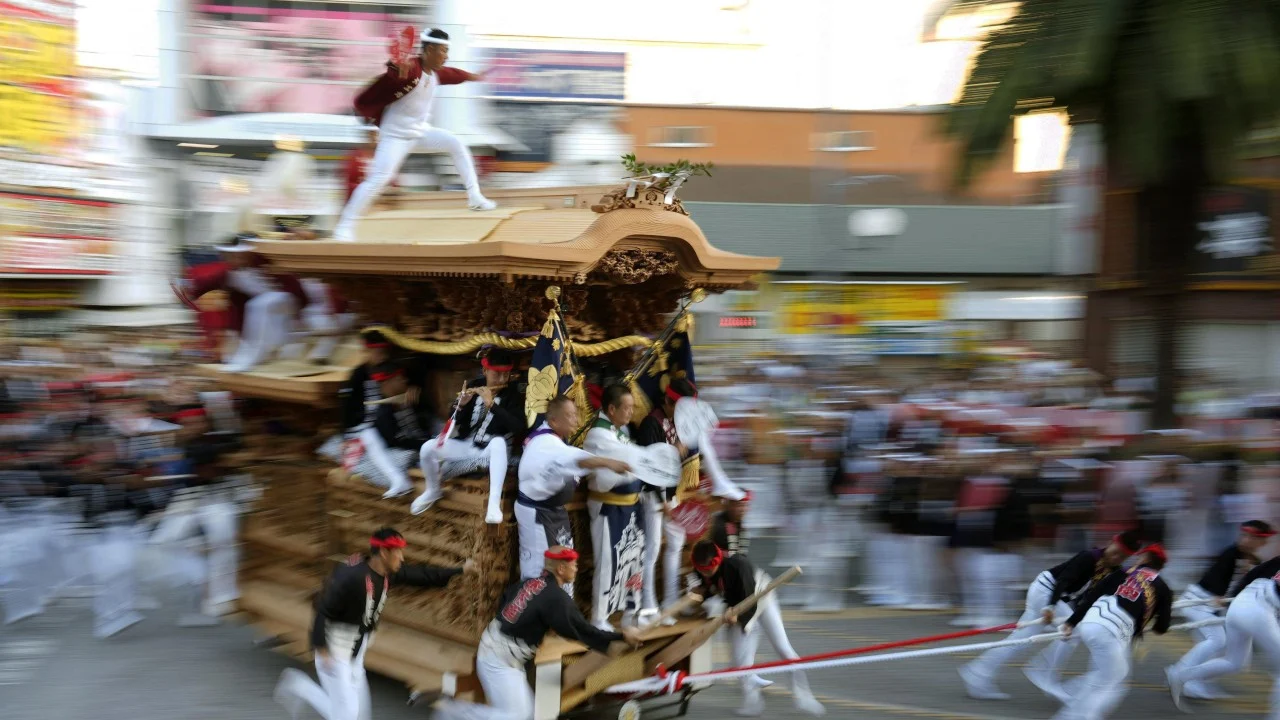
日本延续数百年的传统祭典在近几周接连发生致命事故后,正面临新一轮的审视,引发了社区如何在不危及生命的前提下传承文化传统的疑问。
Japan’s centuries-old festivals are facing renewed scrutiny after a series of fatal accidents in recent weeks, raising questions over how communities can preserve their cultural traditions without putting lives at risk.
近几周来,全国各地秋季祭典发生事故,造成三人死亡、十余人受伤。与此同时,另一大型祭典的主办方已取消明年的活动,理由是公共安全担忧;该祭典于2月曾发生两名男子死亡的事故。
Three people have been killed and more than a dozen injured in accidents at autumn festivals across the country in recent weeks. Meanwhile, organisers of another major festival, where two men died in February, have cancelled next year’s event, citing public safety concerns.
这些死亡案例引发了要求取消部分祭典的呼声,但专家警告称,放弃这些祭典将抹去当地身份认同和文化遗产的重要组成部分。
The fatalities have fuelled calls for some festivals to be scrapped, even as experts warn that abandoning them would erase an important part of local identity and cultural heritage.
10月10日,在大阪附近的泉佐野市,一辆(木制祭典花车)在转弯时倾覆,压死一名协助平衡车辆的51岁男子。同一天,在附近的和泉市,一名48岁男子被困在花车底下身亡。
On October 10, a (wooden festival float) toppled over while rounding a bend in Izumisano, near Osaka, killing a 51-year-old man who was helping balance the vehicle. On the same day, a 48-year-old man died after being trapped beneath a float in nearby Izumiotsu.
随后的周六,爱媛县西条市副市长锅江昭弘(Akihiro Nabae,音译),62岁,在一辆载有大型和太鼓、重达三吨的花车底下被压身亡。
The following Saturday, Akihiro Nabae, 62, the deputy mayor of Saijo in Ehime prefecture, was crushed to death beneath a three-tonne float carrying a large Japanese drum.
这些祭典是许多当地社区的盛事,但事故画面在社交媒体流传,引发了要求叫停危险活动的诉求。
The festivals are highlights of many local communities, but footage of the accidents circulated on social media, triggering demands for dangerous events to be shut down.
大阪府前知事桥下彻在关西电视台节目中呼应了这些担忧。他回忆称,在任期间曾向举办地社区发出通知,警告如果事故引发刑事调查,他将下令立即叫停活动。
Toru Hashimoto, former governor of Osaka prefecture, echoed those concerns on a Kansai TV broadcast. He recalled that when he was in office, he issued notices to host communities, warning that if an accident led to a criminal investigation, he would order the event halted immediately.
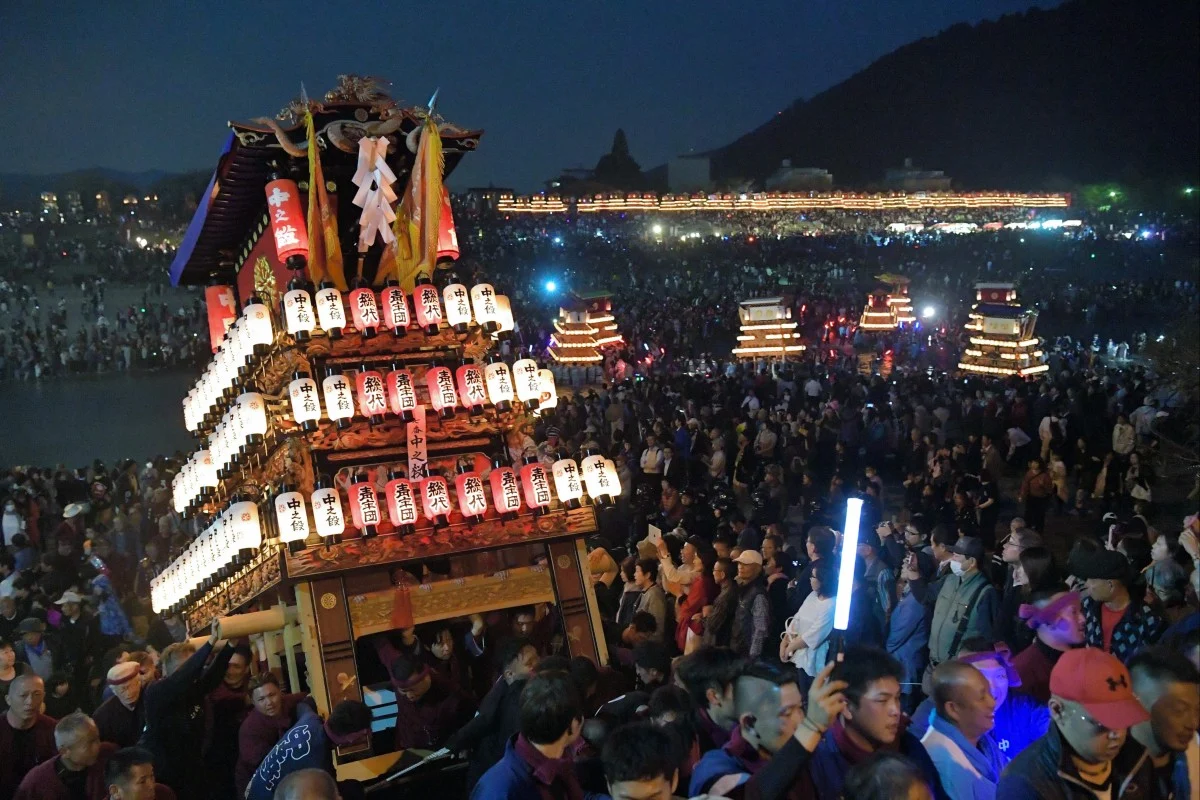
“传统很重要,但我绝对不认为为了保留节日传统而牺牲婴儿或儿童的生命是正确的,”桥本说。“在这些情况下,安全应是绝对优先考量,而非传统,我已告知主办方避免活动演变成刑事案件。”一些社区正试图调整适应,而非面临取消。10月19日,冈山县拥有200年历史的胜山斗犀牛祭在停办两年后恢复举行,此前曾因一名参与者死亡而暂停。该节日涉及对抗双方撞击重达两吨的木制花车。主办方报告称,在引入新的安全预防措施后,今年未发生受伤事故。
“Tradition is important, but I absolutely do not think it is right to preserve the tradition of a festival at the expense of the lives of babies or children,” Hashimoto said. “Safety should be the absolute priority in these cases, not tradition, and I told organisers to avoid events becoming criminal cases.”Some communities are trying to adapt rather than face cancellation. On October 19, the 200-year-old Katsuyama Fighting Danjiri festival in Okayama prefecture resumed after a two-year suspension caused by a previous participant’s death. The festival involves rival teams ramming two-tonne wooden floats into one another. Organisers reported no injuries this year following the introduction of new safety precautions.
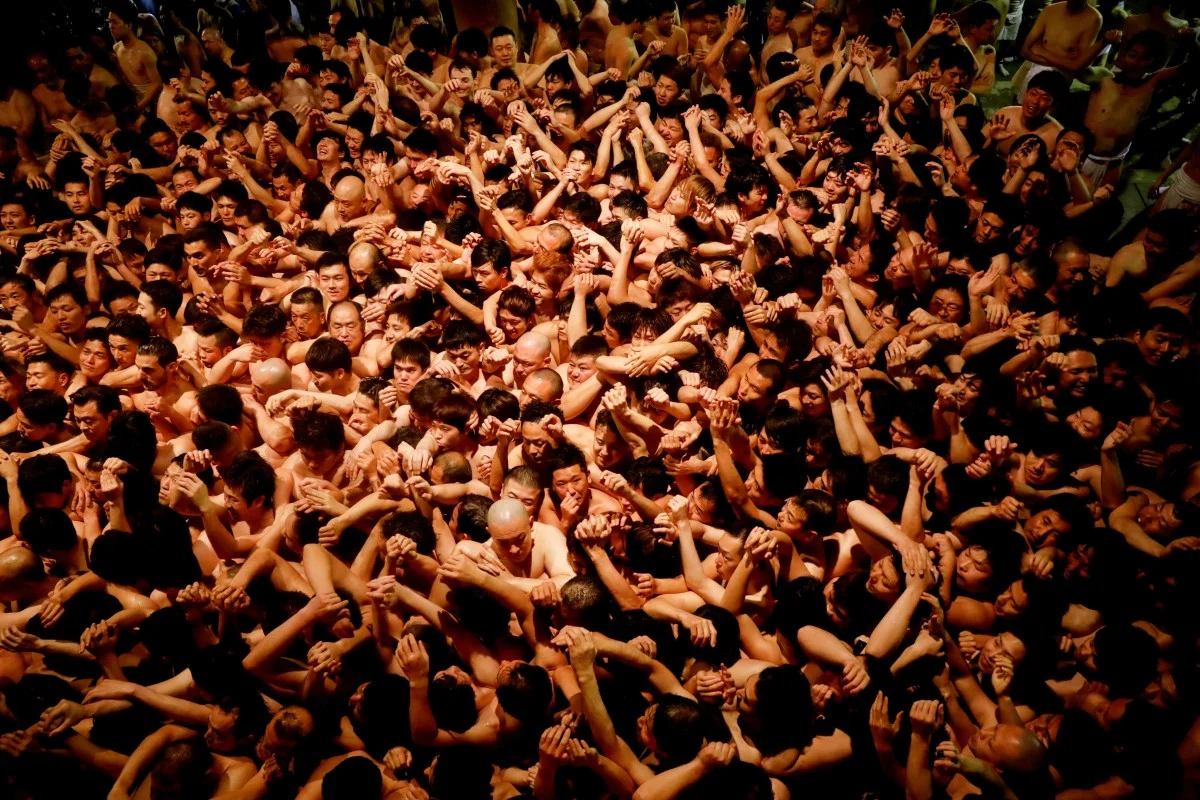
但其他节日正在退缩。拥有500年历史的西大寺会阳——更广为人知的是“裸祭”,身穿兜裆布的男性通过角力争夺祝福过的木棍——其主办方表示,明年2月的活动已取消。今年早些时候的节日中,有三名参与者被撞昏;其中两人后来死亡。
But other festivals are pulling back. Organisers of the 500-year-old Saidaiji Festival – more commonly known as the “Naked Man Festival”, in which loincloth-clad men wrestle to capture blessed wooden sticks – said that next February’s event was cancelled. Three participants were knocked unconscious during the festival earlier this year; two later died.
“我们非常重视两条人命的逝去,”节日委员会主席大森实对朝日电视台表示。“在以安全为首要前提的情况下举办节日极其困难。如果我们能确保防止重演的安全对策得到彻底落实,我们将尽最大努力让大家参加第519届节日(两年后)。”东京国立文化财研究所的久保田博道表示,节日是社区认同不可或缺的一部分,并强调日本每年数十万场节日活动中,仅极小部分以伤亡告终。
“We take the loss of two people very seriously,” Minoru Omori, chairman of the festival committee, told TV Asahi. “It is extremely difficult to hold the festival with safety as the top priority. If we can ensure that safety measures to prevent a recurrence are fully implemented, we will do our best to allow you to attend the 519th festival [in two years].”Hiromichi Kubota, of the Tokyo National Research Institute for Cultural Properties, said that festivals were integral to community identities, emphasising that only a small fraction of the hundreds of thousands of annual events across Japan ended in injury or death.
“某些节日确实涉及潜在危险活动,但正是因为存在这些风险,组织和参与这些活动的人才会以非同寻常的严肃态度和纪律对待,竭尽全力防止事故发生,”久保田说。
“Some festivals certainly involve potentially dangerous activities, but it is precisely because of these risks that the people who organise and participate in them approach them with extraordinary seriousness and discipline, making every effort to prevent accidents,” Kubota said.
“对他们来说,一场事故导致祭典无法正常举行,是深感遗憾且令人痛心的。”久保田也同意,近年来由于多种因素叠加,安全风险已有所升级。
“For them, an accident that prevents a festival from being carried out properly is deeply regrettable and distressing.”Kubota agreed, however, that safety risks had escalated in recent years due to several contributing factors.
“由于新冠疫情,日本各地的祭典停办了数年,”他说。“结果,安全举办祭典所需的实践技能和知识并未总能得到充分传承。
“Because of the coronavirus pandemic, festivals throughout Japan were suspended for several years,” he said. “As a result, the practical skills and knowledge necessary to conduct festivals safely were not always passed down adequately.
“例如,几年前有个祭典在长期中断后恢复举办,但一辆山车失控,造成人员伤亡,”久保田说。“事故发生是因为控制山车所需的技艺未能得到充分维护和分享。”他指出,另一个重要因素是少子化和当地社区老龄化。
“A few years ago, for example, a festival resumed after a long interruption, but one of its floats went out of control, causing casualties,” Kubota said. “The accident occurred because the techniques required to control the float had not been sufficiently maintained or shared.”Another important factor was the declining birth rate and the ageing of local communities, he pointed out.
“有时因缺乏年轻人,体力劳动只能由年长参与者承担,这可能带来额外风险,”久保田说,并强调参与者并非鲁莽地无视安全。
“In some cases, the shortage of younger people means that physically demanding tasks must be undertaken by older participants, which may create additional risks,” Kubota said, emphasising that participants were not recklessly disregarding safety.
久保田还将其与体育运动作比较,指出虽然体育运动中也会发生严重伤亡,但鲜有人要求彻底禁止体育运动。“我们真正需要讨论的问题是,如何在让这些活动得以继续的同时,防止人员伤亡。”非营利组织“日本祭典网络”的源孝史表示赞同,认为这些传统活动——往往起源于祈求丰收、大渔或避疫的宗教仪式——依然为当地社区提供精神支撑。
Kubota also drew parallels to athletics, pointing out that while serious injuries and deaths occur in sports, few demand that sports be banned entirely. “The real question we need to discuss is how we can prevent the loss of human life while allowing these activities to continue.”Takashi Minamoto, of the non-profit Japan Festival Network, agreed that these traditional events – which often began as religious rituals praying for bountiful harvests, abundant fishing catches or protection from epidemics – continued to provide spiritual support for local communities.
“许多祭典不涉及任何危险,我认为部分祭典的危险程度多年来并未显著改变,”源孝史说。
“Many festivals do not involve any danger, and I believe that the level of danger associated with some festivals has not changed significantly over the years,” Minamoto said.
“虽然我认为确保安全是第一要务,但我也认为,例如在成功操控巨大山车时所感受到的成就感与兴奋感,是与危险并存的。”源氏表示,日本每年举办超过30万场祭典,当地社区组织者最清楚如何制定适当的安全预防措施,并警告不要出现官僚主义的过度干预。
“While I consider ensuring safety to be the top priority, I do think there is an aspect where the sense of achievement and exhilaration felt when successfully manoeuvring large floats, for example, goes hand in hand with danger.”With more than 300,000 festivals across Japan each year, Minamoto said local community organisers were the best equipped to determine appropriate safety precautions, warning against bureaucratic overreach.
久保田表示赞同:“关于实际参与祭典的人员的安全,我认为具体的安全对策应主要由参与者自己决定。
Kubota agreed: “When it comes to the safety of the people actually participating in festivals, such as the festivals, I believe specific safety measures should primarily be determined by the participants themselves.
“参与者自己才是最强烈希望防止事故发生的人,”久保田说。“而让这些传统对传承者如此重要的,不在于它们是否涉及危险,而在于它们是代代相传的珍贵文化习俗。”
“The participants themselves are the people who most strongly wish to prevent accidents,” Kubota said. “And what makes these traditions so important to the people who preserve them is not whether they involve danger, but the fact that they are precious cultural practices handed down through generations.”