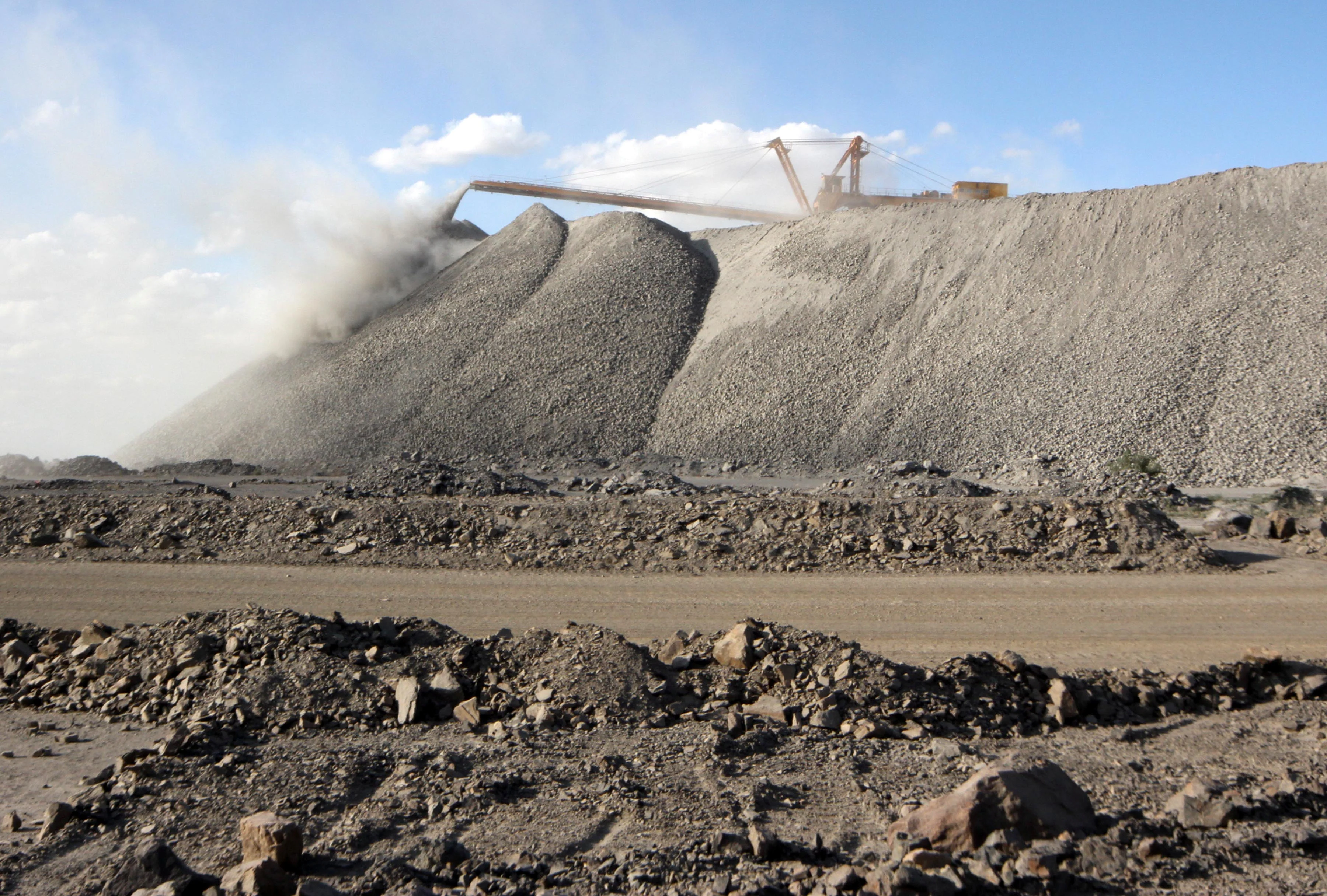
中国研究人员绘制了土耳其克兹尔贾奥伦矿床复杂的地质演化图景,为该国已知最重要的稀土储备提供了新见解,同时也降低了外界对其商业潜力的预期。
Chinese researchers have mapped the complex geological evolution of Turkey’s Kizilcaoren deposit, offering fresh insights into the country’s most significant known rare earth reserve while dampening expectations over its commercial potential.
尽管研究成果揭示了稀土元素如何在碳酸岩相关构造中富集,但研究人员得出结论,该矿床短期内不太可能成为现有生产国的主要全球替代来源。
Although the findings shed light on how rare earth elements accumulate in carbonatite-related formations, the researchers concluded that the site was unlikely to emerge as a major global alternative to existing producers any time soon.
首席科学家杨晓勇教授指出,该矿床的矿化“规模较小”,且“距离达到大型稀土矿床规模还很远”。研究结果凸显了各国在试图实现关键矿产来源多元化时面临的陡峭地质与经济障碍。
Lead scientist Professor Yang Xiaoyong noted that the deposit’s mineralisation was “small in scale” and “still far from reaching the large scale of rare earth deposits”. The findings point to the steep geological and economic barriers nations face as they attempt to diversify their sources of critical minerals.
“迄今为止,没有证据表明土耳其或中东其他国家拥有大规模稀土矿床,”中国科学技术大学和河北地质大学教授杨晓勇在接受《南华早报》采访时表示。
“So far, there is no evidence that Turkey or other countries in the Middle East have substantial rare earth deposits,” Yang, a professor at the University of Science and Technology of China and Hebei GEO University, said in an interview with the South China Morning Post.
他补充道:“全球稀土资源主要集中在中国、格陵兰、澳大利亚、加拿大和东南亚。”
“Globally, rare earth resources are concentrated mainly in China, Greenland, Australia, Canada and Southeast Asia,” he added.
这项经过同行评审的研究于10月9日在《地质学报》在线发表,由中国矿业大学的任义素与中国科学技术大学、河北地质大学、伊斯坦布尔大学-杰拉帕沙、山西能源学院及中国地质调查局西安中心的研究人员共同撰写。
The peer-reviewed study, published online in Acta Geologica Sinica on October 9, was co-authored by Ren Yisu of the China University of Mining and Technology alongside researchers from the University of Science and Technology of China, Hebei Geo University, Istanbul University-Cerrahpaşa, Shanxi Energy Institute and the Xian Centre of the China Geological Survey.
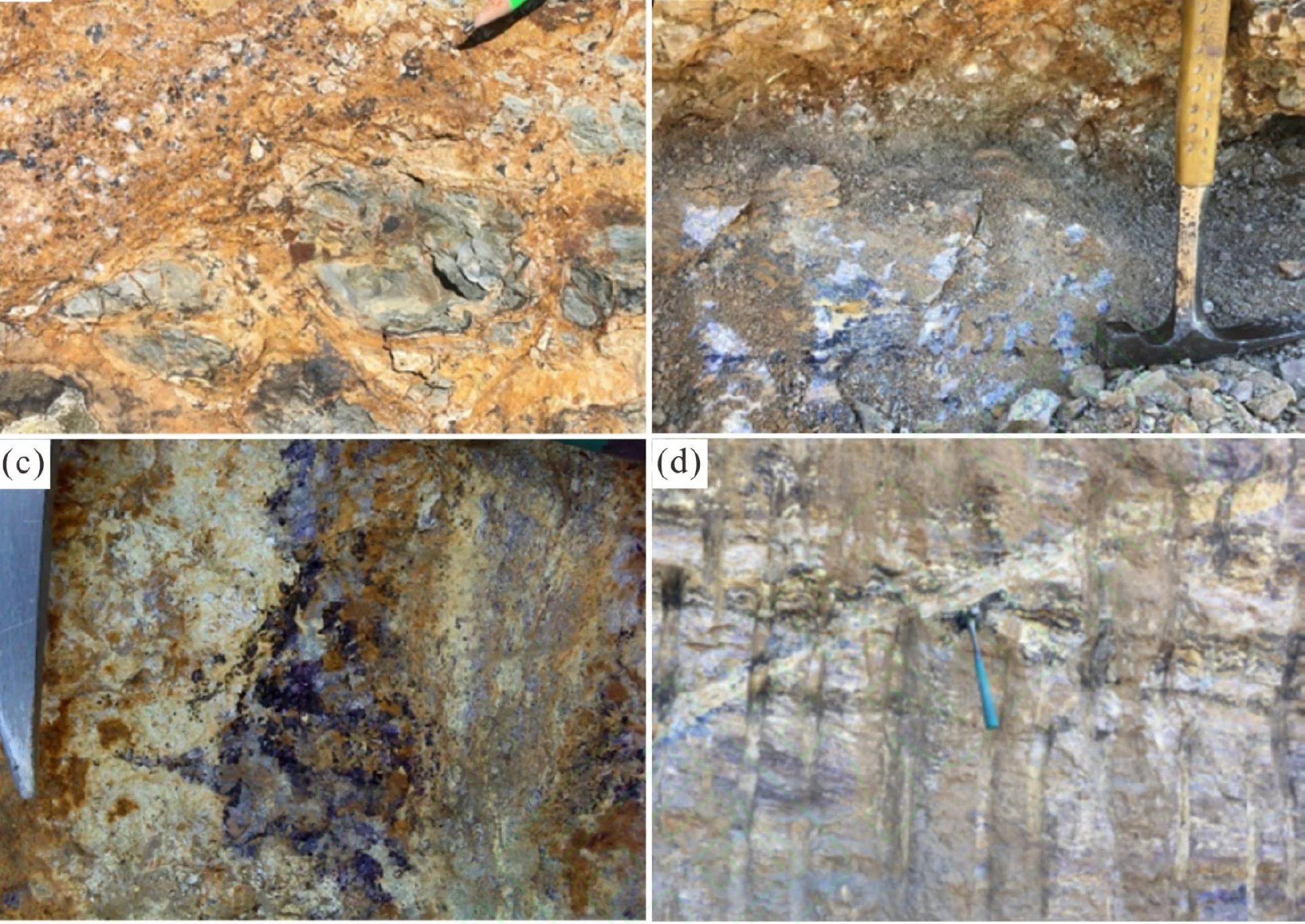
为重建矿床成因,研究团队综合运用全岩地球化学、矿物学分析、萤石微量元素测定及锶同位素数据,追溯了该矿区从初期岩浆侵入到后期热液矿化的演化历史。
To reconstruct how the deposit formed, the team synthesised whole-rock geochemistry, mineralogical analysis, trace-element measurements of fluorite and strontium isotope data, tracing the site’s history from initial magma emplacement to later hydrothermal mineralisation.
他们识别出一个三阶段过程:首先,碳酸盐岩浆侵入周围岩石,为成矿创造了初始条件;其次,岩浆演化触发液相分离,产生富集稀土元素、氟和硫酸盐的热液,这些热液运输并富集了金属。
They identified a three-stage process: first, carbonatite magma intruded into surrounding rocks, creating the initial conditions for mineralisation; second, magma evolution triggered liquid-phase separation, generating hydrothermal fluids enriched in rare earth elements, fluorine and sulphate that transported and concentrated the metals.
最后,大气降水进入系统,改变了围岩,并析出萤石、重晶石和稀土矿物。
Finally, meteoric rainwater entered the system, altering host rocks and precipitating fluorite, barite and rare earth minerals.
然而,解读矿床形成过程与证明其能够经济开采,根本不同。论文中引用的早期估计将基兹尔恰奥伦的稀土矿石量定为约467万吨,平均品位为2.78%。关键的是,这一数字反映的是原矿总量,而非加工后的稀土氧化物。
Yet deciphering how a deposit formed was fundamentally different from proving it could be mined economically. An earlier estimate cited in the paper put Kizilcaoren’s rare earth ore at around 4.67 million tonnes with an average grade of 2.78 per cent. Crucially, this figure reflected gross ore tonnage rather than processed rare earth oxides.
与世界顶级矿床相比,这个规模显得有限。杨指出,虽然基兹尔恰奥伦与中国四川省茅尼坪矿床属于同一大类的岩浆碳酸盐岩,但与内蒙古白云鄂博矿床截然不同。
That scale appears modest when benchmarked against the world’s premier deposits. Yang noted that while Kizilcaoren belonged to the same broad class of magmatic carbonatites as the Maoniuping deposit in China’s Sichuan province, it differed markedly from the massive Bayan Obo deposit in Inner Mongolia.
“我们的研究表明,基兹尔恰奥伦与白云鄂博不同,但属于与茅尼坪等典型岩浆碳酸盐岩矿床同一类别,”杨说。“成矿规模非常小。”相比之下,作为世界最大稀土矿床的白云鄂博,拥有超过5740万吨稀土储量,平均品位约为6%的稀土氧化物。茅尼坪是世界第二大产光稀土矿床。
“Our study shows that Kizilcaoren is different from Bayan Obo, but belongs to the same category as typical magmatic carbonatite deposits such as Maoniuping,” Yang said. “The scale of mineralisation is very small.”By comparison, Bayan Obo – the world’s largest rare earth deposit – holds over 57.4 million tonnes of rare earth-bearing reserves at an average grade of about 6 per cent rare earth oxides. Maoniuping ranks as the world’s second-largest producing light rare earth deposit.
由于报告标准存在差异,无法直接比较,但这些数字凸显了商业规模上的巨大差距。
While divergent reporting standards preclude a direct comparison, the numbers underscore a vast discrepancy in commercial scale.
评估源自北京大学地质学家李阳和中国科学院的观察。李阳8月17日指出,基兹尔恰奥伦和白云鄂博具有共同的核心地质特征:“两者都是火成岩碳酸盐岩,矿化的基本规律相同。”这两种观点并不矛盾。共同的形成机制并不意味着品位、成分或经济可行性相同,而杨的评估更侧重于该矿床的具体矿化规模。
The assessment follows observations by geologist Li Yang of Peking University and the Chinese Academy of Sciences, who noted on August 17 that Kizilcaoren and Bayan Obo shared core geological traits: “Both are igneous carbonatites, and the basic rules of mineralisation are the same.”The two views are not contradictory. Shared formation mechanisms do not imply identical grades, compositions or economic viability, and Yang’s assessment places greater weight on the deposit’s specific mineralisation scale.
这些地质现实反映了更广泛的工业瓶颈。根据美国地质调查局《2026年矿产品概要》,2025年中国稀土储量估计为4400万吨,巴西以2100万吨位居第二,澳大利亚为630万吨,俄罗斯、越南、美国和格陵兰也拥有相当可观的储量。
These geological realities reflect broader industrial bottlenecks. According to the US Geological Survey’s “Mineral Commodity Summaries 2026”, China held an estimated 44 million tonnes of rare earth reserves in 2025, followed by Brazil with 21 million and Australia with 6.3 million, with substantial reserves also in Russia, Vietnam, the United States and Greenland.
即使在境外开采的项目——如加利福尼亚州的山脉矿和澳大利亚的韦尔德矿——开采也只是供应链的第一步。原矿必须经过化学处理并分离成单独的元素,才能制成高性能永磁体。
Even where mining projects operate outside China – such as Mountain Pass in California and Mount Weld in Australia – extraction represents only the first step in the supply chain. Raw ore must be chemically processed and separated into individual elements before it can be manufactured into high-performance permanent magnets.
美国国会研究服务处的一份3月报告估计,中国占全球采矿量的约60%、加工和分离量的90%、磁体产量的94%。
A March report by the US Congressional Research Service estimated that China accounted for about 60 per cent of global mining, 90 per cent of processing and separation and 94 per cent of magnet production.
开采还受到技术和环境因素的进一步复杂化。在基兹尔恰奥伦,部分样品中钍含量超过每百万份1000份。
Extraction is further complicated by technical and environmental factors. At Kizilcaoren, select samples contained more than 1,000 parts per million of thorium.
尽管该数字代表的是采样岩石,而非整个矿床的平均值,但它说明了稀土系统中常见的放射性危害。
Although that figure represents sampled rock rather than a deposit-wide average, it illustrates the radioactive hazards common to rare earth systems.
“几乎所有稀土矿床都含有高水平的放射性元素,”杨说。“有时这些元素本身就是可以回收的副产品。”
“Almost all rare earth deposits have high levels of radioactive elements,” Yang said. “Sometimes these elements are themselves by-products that can be recovered.”
不过,他补充道:“开采总有环境代价。”杨强调,这项研究纯粹是学术性质,而非旨在开发土耳其资源或重塑全球贸易流向的运营项目。
Nonetheless, he added: “There is an environmental cost to mining.”Yang stressed that the study was purely academic rather than an operational project aimed at developing Turkey’s resources or restructuring global trade flows.
“科学研究没有国界,”他说。“这是合作研究和自由探索。”杨还警告不要将学术发现视为即时的商业解决方案:“一篇学术论文无法改变供应链,”他补充道。
“Scientific research has no borders,” he said. “This is collaborative research and free exploration.”Yang also cautioned against viewing academic discoveries as immediate commercial solutions: “A single academic paper cannot change a supply chain,” he added.