从关于奥德修斯的神秘故事,到尼泊尔加地迈节等现代仪式,动物献祭在人类历史上一直扮演着重要角色。
Animal sacrifice has played a major role in human history, from mythological stories about Odysseus to modern rituals such as Nepal’s Gadhimai Festival.
这一传统也可追溯到我们知之甚少的古代部族。8月下旬发表的一篇研究论文表明,神秘的三星堆人很可能实行过动物献祭。
The tradition also dates back to ancient peoples we know little about. A research paper published in the in late August suggests that the enigmatic Sanxingdui people likely practised animal sacrifice.
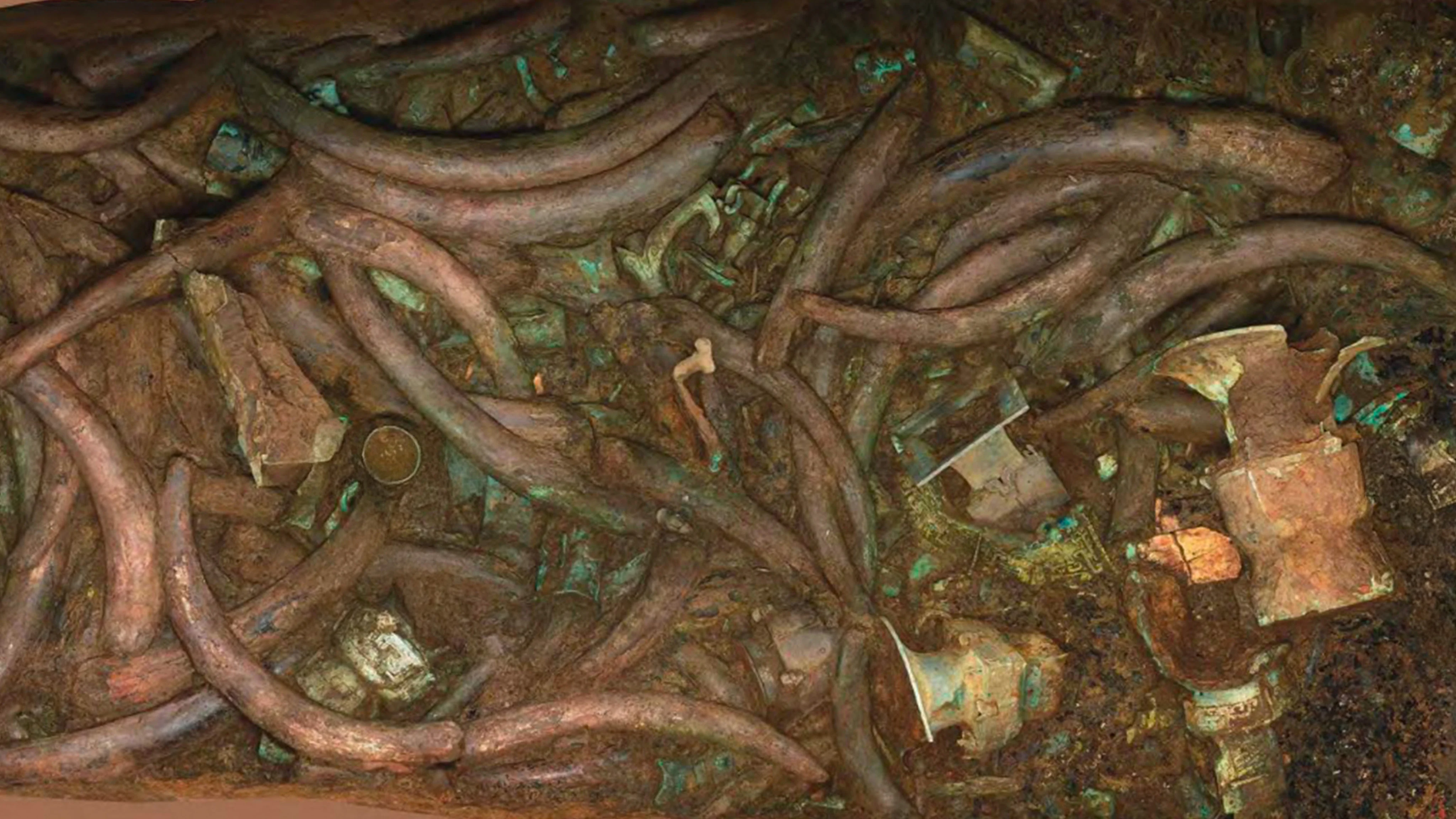
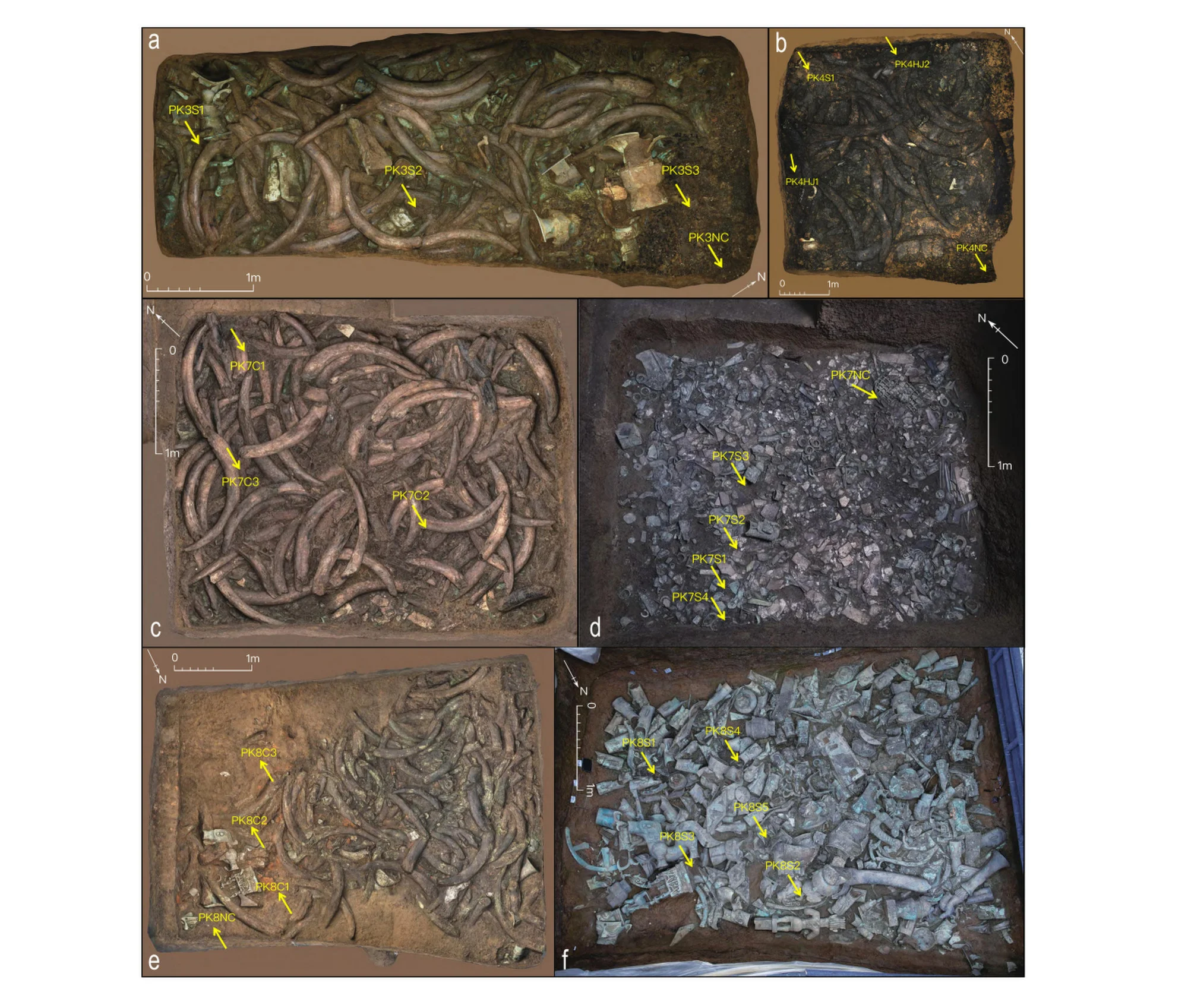
为了得出这一结论,研究人员根据贵重文物的空间排列,识别出了一个看似是祭祀坑的遗迹。
To reach this conclusion, researchers identified what appeared to be a sacrificial pit based on the spatial arrangement of valuable artefacts.
随后,研究团队采用了一种尖端的蛋白质分析技术,找到了生物分子证据,证明三星堆人在伴随有青铜器、玉器和象牙器物的仪式上献祭了牛。
The team then used a cutting-edge protein analysis technique to find biomolecular evidence that the Sanxingdui people sacrificed bovines in ceremonies that also featured bronze, jade and ivory artefacts.
该祭祀坑可追溯至商朝(公元前1600年至公元前1046年),其领土位于三星堆以北。在此期间,包括动物献祭在内的复杂文化习俗在中国历史上出现。
The pit dates to the Shang dynasty (1600 BC–1046 BC), whose territory lay farther north than Sanxingdui. During this period, complex cultural practices, including animal sacrifice, emerged in Chinese history.
曼哈顿巴德高中早期学院的戴维·塞纳在接受《南华早报》评论时表示:“在青铜时代的中国,动物献祭无疑是许多区域文化中的一种常见做法。”塞纳并未参与这项研究,此前曾在哈佛大学教授中国历史。
“Animal sacrifice was certainly a common practice among many of the regional cultures in Bronze Age China,” said David Sena, from the Bard High School Early College in Manhattan, who was not involved in the study and previously taught Chinese history at Harvard, in a comment to the SCMP.
这项生物分子分析意义重大,因为我们对这一时期的许多了解都来自甲骨文等早期文字记载,而动物献祭的直接物质证据却很难找到。
The biomolecular analysis is significant because much of our knowledge of the period comes from early written records, such as oracle bones, while direct physical evidence of animal sacrifice is elusive.
为了得出结论,科学家们提取了脂质和蛋白质,以区分人类遗骸与动物遗骸,以及现代样本与古代样本。
To reach their conclusion, the scientists extracted lipids and proteins to distinguish human from animal remains, as well as modern from ancient samples.
他们发现,青铜器、玉器和象牙等贵重物品上的许多残留物来自古代动物,具体而言是牛。
They found that much of the residue on valuable items such as bronze, jade and ivory came from ancient animals, specifically bovines.
作者写道:“这项工作展示了分子考古学如何能够解读古代行为中无形的面貌,为深入了解古代仪式的详细流程提供了一个直接的分子窗口。”
“This work exemplifies how molecular archaeology can decode intangible aspects of ancient behaviour, offering a direct molecular window onto the detailed sequence of ancient ceremonies,” wrote the authors.
尽管三星堆遗址以其相对于同时代遗址的独特性和奇异性而闻名,但系统性的动物献祭代表了三星堆人与同时代人之间的一种文化相似性。
Although the Sanxingdui excavation site is famous for being uniquely strange compared with those of its contemporaries, systematic animal sacrifice represents a cultural similarity between the Sanxingdui people and their contemporaries.
具体而言,牛的使用遵循了与商代从猪向牛转变相似的时间线,暗示了中原地区人民与三星堆人之间存在文化交流的可能性。
Specifically, the use of bovines follows a timeline similar to the Shang-era transition from pigs to cows, hinting at the possibility of cultural exchange between the people of the Central Plains and the Sanxingdui people.
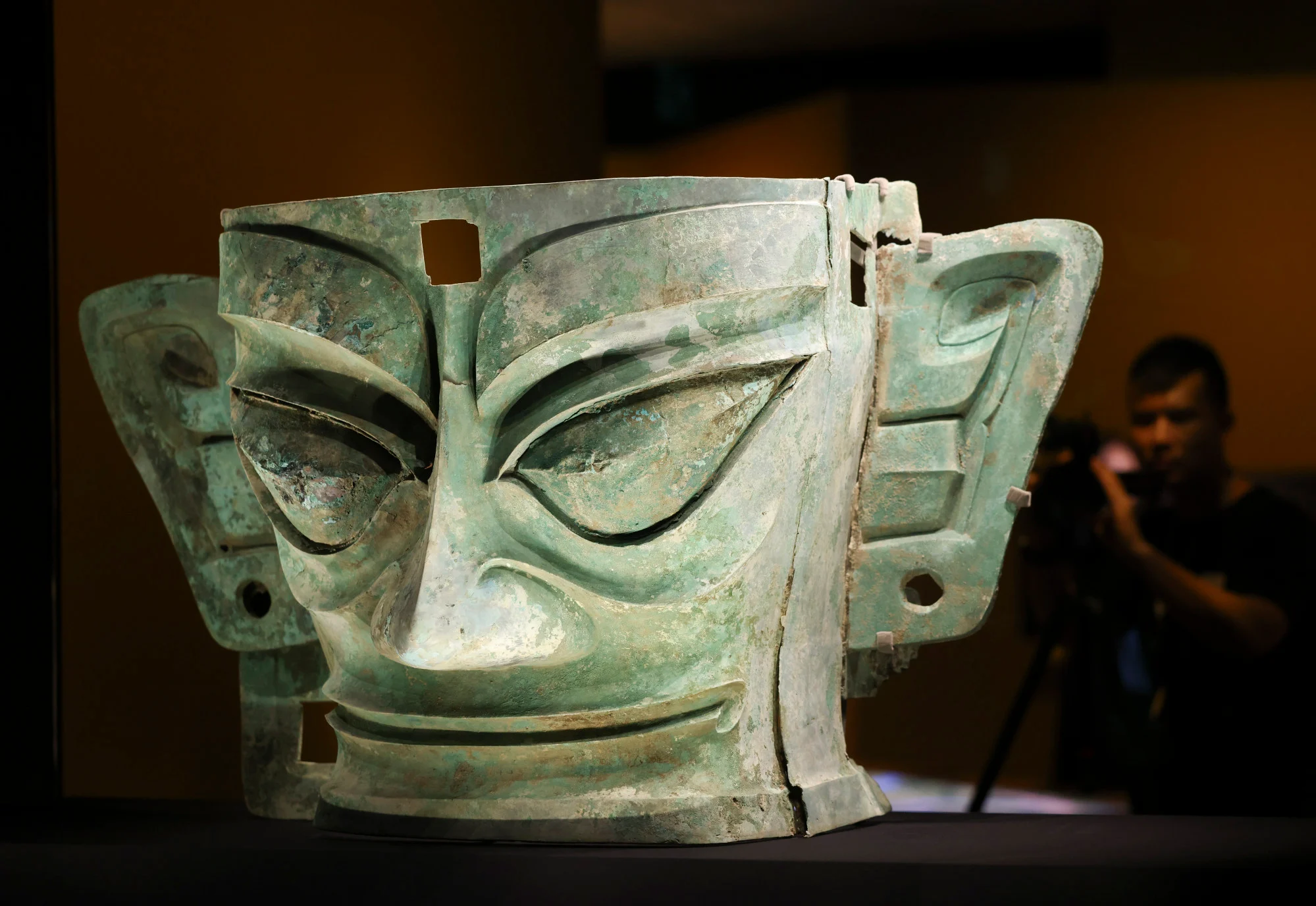
作者写道:“我们的分子证据扩展了此前对文化交流的考古观察,表明三星堆与其它420个青铜时代中心之间的联系已经延伸到了仪式表演这一较少有形实物的领域。”
“Our molecular evidence extends previous archaeological observations of cultural exchange, revealing that connections between Sanxingdui and 420 other Bronze Age centres extended into the less tangible realm of ritual performance,” wrote the authors.
这一发现得益于三星堆发掘遗址完好无损的保存状态,它正在改变考古学家在原本可能污染遗址的地方工作的方式。
The discovery was facilitated by the pristine condition of the Sanxingdui excavation site, which is changing how archaeologists work at sites they could otherwise contaminate.
科学家们穿着防护服进入密封舱,并在进出时遵循严格的规程。研究团队表示,这种文化创造了“进行生物分子研究的空前机遇”。这种谨慎的方法,再加上所分析蛋白质的出色保存状态——这很可能归功于历史的幸运——促成了一项重大发现,并展示了一种新研究技术的价值。
Scientists wear protective suits as they enter sealed cabins and follow strict protocols when entering and leaving. The team said this culture has created “unprecedented opportunities for biomolecular investigation.”This careful approach, along with the remarkable preservation of the proteins analysed – likely due to historical luck – helped enable a major discovery and demonstrated the value of a new research technique.
生物分子研究取得了令人瞩目的成果,不仅表明一个古代文明实行过动物献祭,而且更清晰地描绘了它如何融入其周边的世界。
The biomolecular investigation yielded impressive results, not only showing that an ancient civilisation practised animal sacrifice, but also painting a clearer picture of how it fit into the world around it.