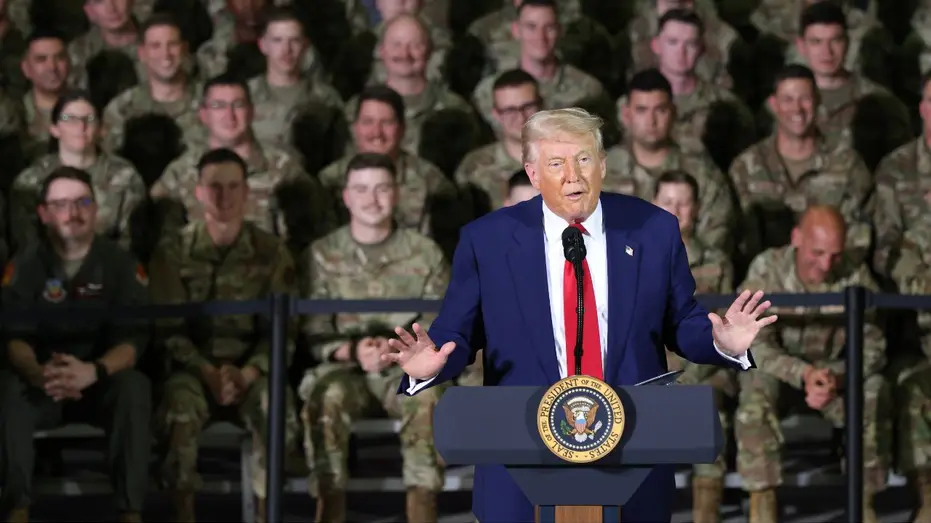
特朗普政府将睾酮缺乏视为军事备战状态的潜在威胁,在对美国男性健康状况日益担忧、以及符合服役资格的年轻人群体不断缩小的背景下,推出了针对男性现役军人的新筛查指南。
The Trump administration is targeting testosterone deficiency as a potential threat to military readiness, rolling out new screening guidelines for male service members amid growing concerns about the health of American men and the shrinking pool of young people qualified to serve.
“睾酮水平低绝对关乎国家防御备战状态,”美国卫生与公众服务部高级官员、海军上将布莱恩·克里斯汀在接受福克斯新闻数字频道采访时表示。
"There is absolutely a national defense readiness ramifications for [low testosterone]," Adm. Brian Christine, a senior Department of Health and Human Services official, told Fox News Digital in an interview.
克里斯汀还指出了军队招募群体面临的更广泛健康挑战,警告称77%的17至24岁美国人若不获得豁免不具备服役资格,肥胖、慢性疾病及其他障碍加剧了这一问题。他说,在年轻男性中,超过70%不具备资格,而只有约3%的美国年轻人表示有意服役。
Christine also pointed to broader health challenges facing the military's recruiting pool, warning that 77% of Americans ages 17 to 24 do not qualify for service without a waiver, with obesity, chronic disease and other barriers contributing to the problem. Among young men, he said, more than 70% are ineligible, while only about 3% of young Americans express interest in serving.
这一警告发布之际,特朗普政府重新强调军事备战状态,克里斯汀协助制定的一项倡议促使五角大楼于9月发布了针对30岁及以上男性现役军人的睾酮缺乏筛查指南。
The warning comes as the Trump administration places a renewed emphasis on military readiness, with Christine helping shape an initiative that led the Pentagon to issue testosterone deficiency screening guidelines for male service members ages 30 and older in September.
特朗普开启第二任期时采取激进举措重建美军,收紧体能要求,取消DEI(多元、公平与包容)政策,改革武器采购,扩大招募,并将部队重心重新聚焦于战备状态和杀伤力。
Trump entered his second term with an aggressive approach to rebuilding the American military, tightening fitness requirements, axing DEI policies, overhauling weapons acquisition, building up recruitment and refocusing the force on combat readiness and lethality.
克里斯汀是一名泌尿科医生,从事男性健康专业超过35年,他表示睾酮水平已下降数十年,引发了对美国男性长期健康状况以及对身穿军装者体能要求的担忧。
Christine, a urologist who spent more than 35 years specializing in men's health, said testosterone levels have been declining for decades, raising concerns about the long-term health of American men and the physical demands placed on those serving in uniform.
“我认为这极其重要,时机极其恰当,”克里斯汀谈及该筛查指南时说。
"I think it's incredibly important, incredibly timely," Christine said of the screening guidance.
根据五角大楼的指导方针,30岁及以上的男性现役军人必须接受睾酮缺乏症筛查,首先进行症状和风险因素评估,在医学上适当的情况下可进一步检测并接受潜在治疗。
Under the Pentagon's guidelines, male service members ages 30 and older undergo mandatory screening for testosterone deficiency, beginning with an assessment of symptoms and risk factors, with further testing and potential treatment available when medically appropriate.
“我们并没有强迫任何人使用睾酮,”克里斯汀说。“但我们正在做的是筛查,找出那些有症状且数值偏低的男性,为他们提供一条前进的道路。”这位卫生与公众服务部官员指出,肥胖和慢性疾病是与睾酮水平低下相关的既定因素,同时对环境暴露(包括微塑料和其他毒素)也可能导致睾酮水平下降表示担忧——研究人员仍在调查这一可能性。
"We're not forcing testosterone on anybody," Christine said. "But what we are doing is screening, taking those men who are symptomatic and have low numbers and offering them a pathway forward." The HHS official pointed to obesity and chronic disease as established factors associated with low testosterone, while raising concerns that environmental exposures, including microplastics and other toxins, could also be contributing to the decline — a possibility researchers are still investigating.
“20世纪70年代中期,这个国家男性的平均睾酮水平……远高于650。现在已接近350,”克里斯汀说。
"In the mid-1970s, the average testosterone level for men in this country... was well over 650. Now it's approaching 350," Christine said.
美国国家卫生研究院院长杰伊·巴塔查里亚博士在接受福克斯新闻数字频道的另一采访时也表达了类似担忧,警告称即使医学指南强调诊断需要同时具备症状和持续偏低的激素水平,仍可能存在一些睾酮缺乏症未被诊断出来的情况。
National Institutes of Health Director Dr. Jay Bhattacharya echoed those concerns in a separate interview with Fox News Digital, warning that some testosterone deficiency may be going undiagnosed even as medical guidelines stress that a diagnosis requires both symptoms and consistently low hormone levels.
“很有意思,因为如果你看流行病学趋势,美国男性的睾酮水平在过去几十年里一直在下降。同样,我们不知道为什么。我们没有答案,”巴塔查里亚说。
"It's interesting because if you look at the epidemiological trends, testosterone levels in the American male population have been declining over the last decades. And again, we don't know why. We don't have an answer," Bhattacharya said.
巴塔查里亚表示,研究人员不仅要弄清睾酮水平下降的原因,还要确定对被诊断为缺乏症的男性应采取何种医疗指导。“存在未被诊断的睾酮缺乏症。”“如何应对、如何预防,这是我最关心的问题,”他补充道。
Bhattacharya said researchers must determine not only why testosterone levels are declining, but also what medical guidance should follow for men diagnosed with a deficiency. "There are under-diagnosed testosterone deficiencies." "The question of what to do about it, how to prevent it, that's at the top of my mind," he added.
美国国立卫生研究院(NIH)主任还指出,精子数量下降是另一个需要进一步科学调查的领域,并暗示环境暴露可能正在导致更广泛的生殖健康问题。
The NIH director also pointed to declining sperm counts as another area requiring further scientific investigation, suggesting that environmental exposures could be contributing to broader reproductive health concerns.
“但更重要的是,是什么因素,可能是环境因素,导致了精子数量的下降?我们需要对这些问题有答案,”巴塔查里亚说。
"But even more importantly, what are the factors, probably environmental factors, that have led to the decline in sperm counts, for instance? We need an answer to those questions," Bhattacharya said.
巴塔查里亚表示,NIH正在投资研究,以更好地了解这些趋势的潜在成因,并确定医生应如何向美国男性提供建议。
Bhattacharya said the NIH is investing in research to better understand the potential causes of those trends and determine how doctors should advise American men.
克里斯汀表示,睾酮不仅关乎肌肉增长或外貌,并认为激素水平在男性整体健康中发挥着重要作用。
Christine said that testosterone is about more than muscle growth or physical appearance, arguing that hormone levels play an important role in men's overall health.
“男性的睾酮水平绝对与他们的整体健康状况、寿命、健康寿命以及健康状态息息相关,”克里斯汀说。他还指出,睾酮水平低的男性往往经历更高比率的焦虑和抑郁。
"Testosterone levels in men are absolutely related to their overall well-being, to their lifespan, to their health span, and to their wellness," Christine said. He also noted that men with low testosterone tend to experience higher rates of anxiety and depression.
克里斯汀表示,政府还在为女性军人制定单独的激素健康指南,国防健康署称该指南将遵循9月为男性军人发布的指南,并由女性健康专家参与制定建议。
The administration is also developing separate hormonal health guidance for female service members, which the Defense Health Agency said would follow the September guidelines issued for male troops, with women's health specialists contributing to the recommendations, Christine said.
克里斯汀表示,目标是确保军人能够胜任其职责,同时应对影响美国男性的更广泛健康挑战。
Christine said that the goal is ensuring that service members are equipped to perform their duties while addressing broader health challenges affecting American men.
“如果我们真的希望身着军装的男性处于最佳状态,”克里斯汀说,“重点必须放在他们的功能和履行工作的能力上。”
"If we truly want our men who are in uniform to be at their best," Christine said, the focus must be on their ability to function and perform their jobs.