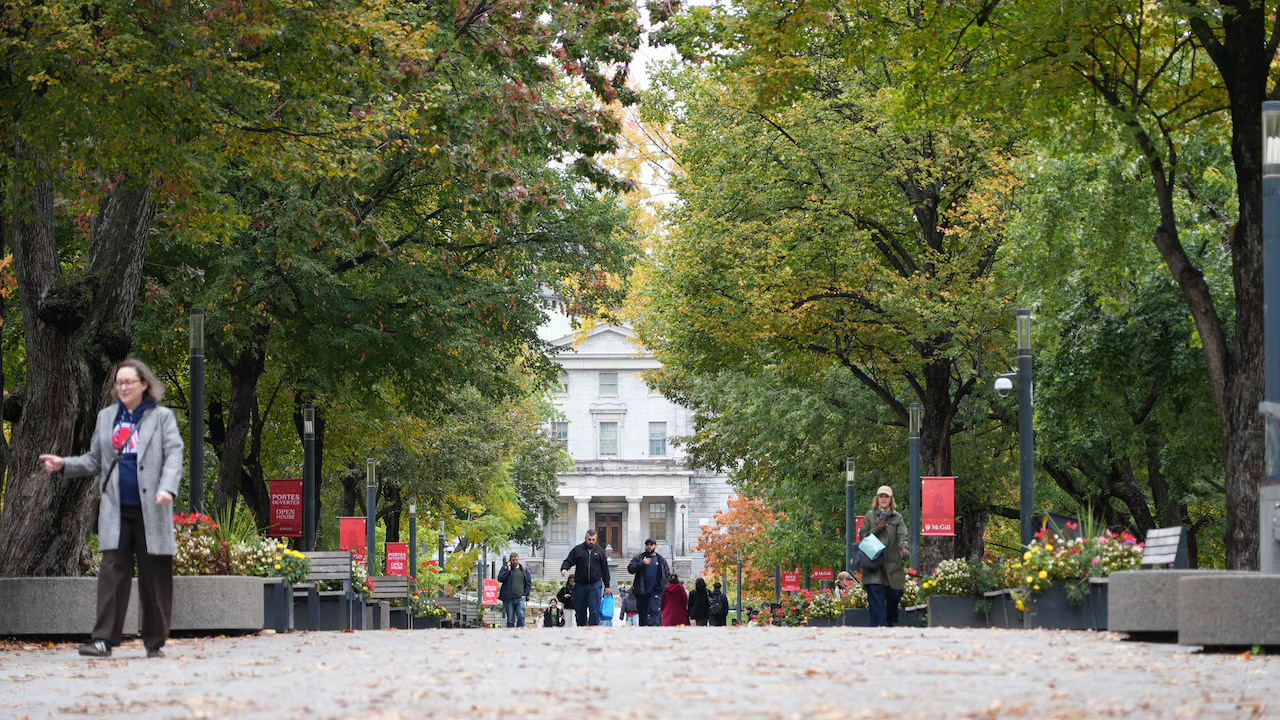
麦吉尔大学法学院学生因一名已定罪杀人犯在课堂上的存在而依然存在分歧,一份新的反请愿书阐述了为何部分学生感到不安全、不愿与其共处。
Students at McGill University's law faculty remain divided over the presence of a convicted murderer in the classroom, with a new counter-petition outlining why some students feel unsafe and don't want him in their presence.
这份日期为10月19日的匿名公开信由一群学生发起,指责大学未能履行保护女学生的责任。
The anonymous open letter, dated Oct. 19 and put forward by a group of students, accuses the university of failing in its duty to protect female students.
信中列举了对杰弗里·乔治·尤沃特的担忧,后者因1984年在不列颠哥伦比亚省针对两名女性实施的袭击,被判处二级谋杀和谋杀未遂罪。
It outlines concerns about Jeffrey George Ewert, who was convicted of second-degree murder and attempted murder for attacks against two women in B.C. in 1984.
作者认为,在缺乏充分安全框架的情况下试图改造一名已定罪杀人犯,违背了大学的核心价值观,也违反了其对学生群体的照护义务。
The authors argue that attempting to rehabilitate a convicted murderer without adequate safety frameworks goes against the university's core values and breaches its duty of care to the student body.
文件写道:“麦吉尔大学未能做到这一点,对我们社区中的年轻女性造成了不当且不成比例的伤害。”
"McGill’s failure to do so unduly and disproportionately harms the young women of our community," the document reads.
学生们要求大学成立一个委员会,成员包括学生和暴力犯罪者改造方面的专家,以制定后续步骤的指导方针。
The students want the university to form a committee that would include both students and experts on the rehabilitation of violent offenders in order to develop guidelines for next steps.
信中接着说:“任何让尤沃特恢复线下学习的决定,只能在委员会制定出这一框架之后才能做出。”
"Any decision to resume Ewert's in-person studies must be made only after the committee has developed this framework," the letter goes on to say.
作者表示,他们选择不具名,是因为该文件引发了对他们自身安全的担忧。
The authors say they chose to withhold their names becauseg the document raises safety concerns for them.
早前请愿书呼吁尤沃特返校 尤沃特正在服无期徒刑,并于2025年获准日间假释。
Earlier petition calls for Ewert's return to university Ewert is serving a life sentence and was granted day parole in 2025.
根据其假释委员会档案中的案件摘要,他曾性侵并杀害一名女性,不到六周后又殴打并勒住一名15岁少女的脖子,导致其瘫痪、终身残疾。
He sexually assaulted and killed one woman and, less than six weeks later, beat and choked a 15-year-old so severely that she was paralyzed and disabled for life, according to a summary of his case in his parole board file.
虽然各项临床评估将尤沃特的再犯风险评为中等到高等,但官方假释文件称,在中途宿舍的严密监督和临床跟进下,该风险“似乎更多地落入中等风险类别”。自10月初以来,他一直未在校园露面。
While various clinical assessments ranked Ewert’s risk of reoffending as moderate to high, official parole documents say with close supervision at a halfway house and clinical follow-up, that risk “seems to fall more into the moderate risk category.”He has not been on campus since early October.
这封信是在一份早先的请愿书之后发出的,该请愿书主张埃韦特应被允许重返大学。
The letter follows an earlier petition arguing Ewert should be allowed to return to university.
该文件指出,将埃韦特排除在外损害了他作为一名原住民男子和“六十年代掠夺”幸存者接受教育和康复的机会。
That document argues the exclusion undermines Ewert's access to education and rehabilitation as an Indigenous man and a survivor of the Sixties Scoop.
请愿书作者之一、三年级法学学生安妮卡·狄更斯表示,她对埃韦特在未获得先行回应关切的机会下即被移出校园一事感到不安。
Annica Dickens, one of the authors of the petition and a third-year law student, said she was troubled that Ewert was removed from campus without being given the chance to address the concerns first.
“如果人们的机会能如此轻易地被剥夺,他们就无法有意义地重建生活,”狄更斯在一份声明中说。与此同时,一份支持埃韦特的第二封公开信已由数百名学者、学生和市民签署,信件致函大学校方领导层。
"People cannot meaningfully rebuild their lives if their opportunities can be withdrawn so readily," said Dickens in an Meanwhile, a second letter supporting Ewert, addressed to the university's leadership, has been signed by hundreds of academics, students and citizens. It reiterates many of the concerns raised by Dickens and asks that the university restore Ewert's full access to the Faculty of Law and "review how decisions concerning Indigenous, racialized and formerly incarcerated students are made."
信中重申了狄更斯提出的许多关切,并要求大学恢复埃韦特进入法学院的全部权限,以及“审查有关原住民、种族化群体及曾被监禁学生的决策是如何制定的。”
Security of students 'paramount,' McGill says McGill University did not provide an update on Ewert's status, or answer questions about allegations raised in the counter-petition.
麦吉尔大学:学生安全“至上” 麦吉尔大学未提供关于埃韦特状况的最新消息,也未回应反请愿书中提出的指控。一位发言人告诉加拿大广播公司(CBC)新闻:“我们学生的安全和安保至上。句号。”
A spokesperson told CBC News that the "safety and security of our students is paramount. Full stop."
该大学援引隐私法拒绝就具体案件发表评论,但表示:“若有关于学生背景或校园行为的令人担忧的信息被提交,麦吉尔大学将迅速果断地采取行动。” 这场争议在加拿大更广泛的法律界引发了辩论。
Citing privacy laws, the university declined to comment on the specific case, but said "McGill would act quickly and decisively should concerning information be brought forward about a student’s background or behaviour on campus." The controversy has sparked debate within the broader legal community in Canada.
在《蒙特利尔公报》的一篇评论文章中,一位律师写道,要求女性与一名男子共享教育资源,存在着“辛酸的讽刺”,因为该职业要求自信、辩护能力和力量,而该男子的档案却显示出支配和控制女性的需求。皇后大学副教授、刑法研究组组长丽莎·克尔警告说,“我们应该对任何可能导致有犯罪记录者无法接受教育的措施保持高度警惕。”
In an op-ed in the Montreal Gazette, one lawyer wrote there is a "bitter irony in asking women entering a profession that demands confidence, advocacy and strength to share their education with a man whose own file describes a need to dominate and control women." Lisa Kerr, an associate professor and director of the Criminal Law Group at Queen's University, cautioned that "we should be very hesitant about any measures that could result in the exclusion of people with criminal records from accessing education.
她在给加拿大广播公司(CBC)的电子邮件中写道:“加拿大的在押人员迫切需要教育和职业培训。”
"Canada's incarcerated population is in desperate need of education and job training," she wrote in an email to CBC.
“我们希望有犯罪记录和监禁经历的人能够接受教育,获得成功重返社会所需的技能。”加拿大广播公司蒙特利尔分台联系了该省其他法学院,包括舍布鲁克大学、拉瓦尔大学、魁北克大学蒙特利尔分校和蒙特利尔大学,询问它们在录取有暴力犯罪前科的学生时,采取了哪些措施来管理或降低风险。所有四所大学均表示,不被允许询问申请人的犯罪记录。
"We want people with criminal records and experiences of incarceration to access education and gain the skills for successful reintegration." CBC Montreal contacted other law faculties in the province, including Université de Sherbrooke, Université Laval, Université du Québec à Montréal and Université de Montréal, to ask what measures they have in place to manage or mitigate risks when admitting students with past violent criminal convictions. All four universities said they are not permitted to ask applicants about their criminal history.
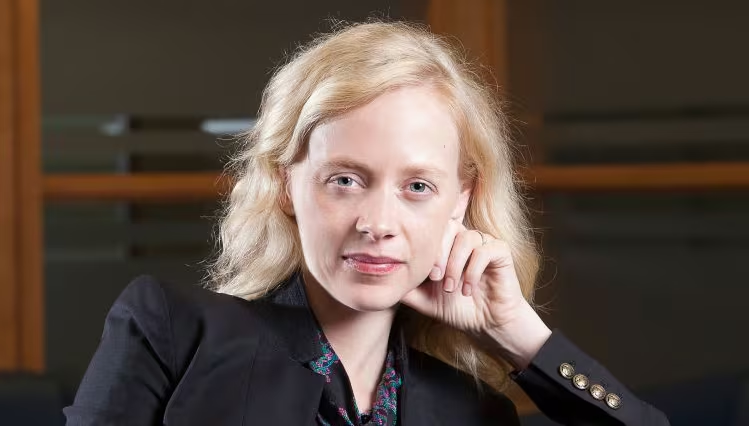
蒙特利尔大学发言人热内维耶夫·奥梅拉表示:“这违反了《权利与自由宪章》。”
“This violates the Charter of Rights and Freedoms,” said Geneviève O’Meara, a spokesperson at Université de Montréal.
拉瓦尔大学发言人西蒙·拉泰勒表示,该大学无意“取代主管部门评估一个人为假释目的可能构成的风险,但我们大学社区的安全仍然是重中之重。”
Simon La Terreur, a spokesperson at Université Laval, said the university does not intend "to take the place of the competent authorities in assessing the risk a person may pose for the purposes of parole, but the safety of our university community remains a priority nonetheless."