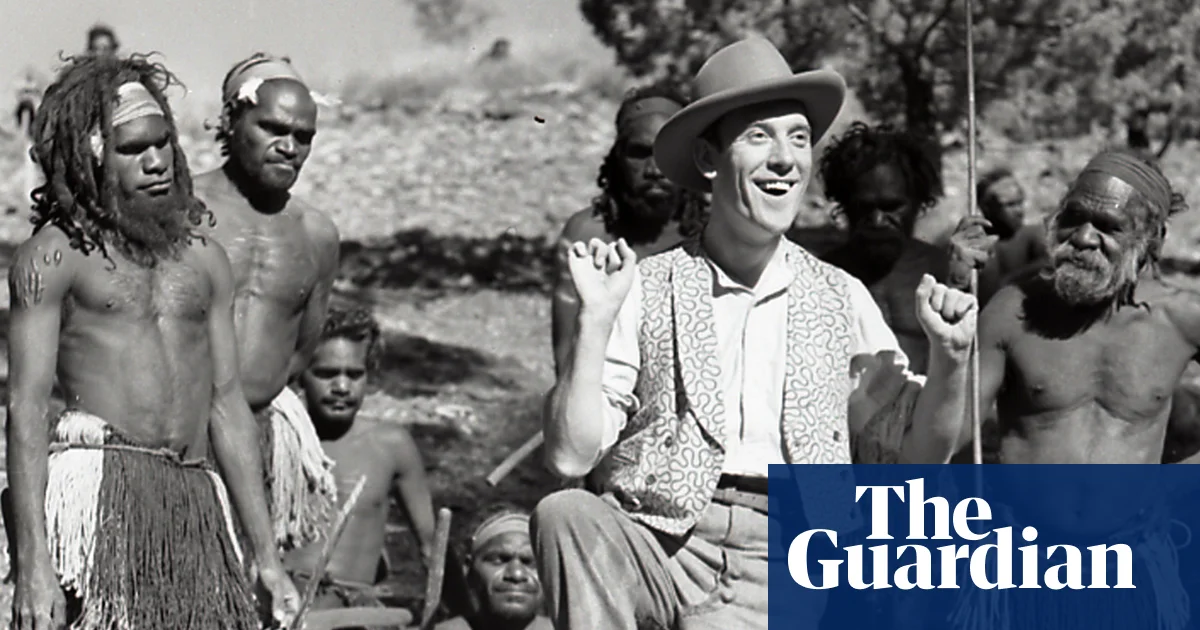
当翁达·拉斯特第一次观看《苦泉》时,她认出了自己的祖父。这部澳大利亚黑白经典影片当时因成为首部在南澳大利亚拍摄的英语电影而登上头条,主演包括汤米·特林德、奇普斯·拉弗蒂和查尔斯·“巴德”·廷韦尔。但对于中部沙漠地区乌尔迪亚的居民来说,这部影片之所以引人注目,是因为它还由120名安纳古人出演,并使用他们的语言对话。
he first time Vonda Last watched Bitter Springs, she recognised her grandfather. The black-and-white Australian classic drew headlines at the time for being the first English film made in South Australia starring the likes of Tommy Trinder, Chips Rafferty and Charles "Bud" Tingwell. But for the people of Ooldea in the central desert, it is notable for a different reason: it also stars 120 Anangu people, speaking in language.
拉斯特的祖父、图穆·普鲁托·希克斯就是那些从偏远社区出发、在火车车厢里行程两天、前往弗林德斯山脉的铁路小镇夸恩出演该片的人之一。希克斯在拉斯特七岁时去世,但她“立刻就认出了他”。
Last's grandfather, Thumu Pluto Hicks, was among those who travelled for two days in a train carriage from his remote community to the railway town of Quorn in the Flinders Rangers to appear in the film. He died when Last was seven but she recognised him "straight away".
“我感到非常自豪,”这位恩甘特贾拉族女性说。“他是一位瓦蒂(受过成年礼的男子),片中的所有男性本应都是资深男子,他们代表着原住民男性的力量与身份认同。”影片讲述了由拉弗蒂饰演的沃利·金向内陆深处迁徙600英里(约965公里),在政府租赁的土地上定居的故事。途中,白人定居者警告他,他极有可能会遇到“土著佬、黑鬼——成百上千个”。
"I was very proud," the Ngaantjatjara woman says. "He was a wati [initiated man], and all of the men would've been senior men in that film, who were representing their strength and identity as Aboriginal men." The film tells the story of Wally King, played by Rafferty, who moves 600 miles into the outback to settle land he has leased from the government. On the journey, white settlers warn him about the "Abos, blacks – hundreds of them" he would most likely encounter.
该片被视为最早挑战澳大利亚边疆叙事及定居者夺取原住民土地权利的主流故事之一。
It is regarded as one of the first mainstream stories to challenge the narrative of the Australian frontier and the right of settlers to take Aboriginal land.
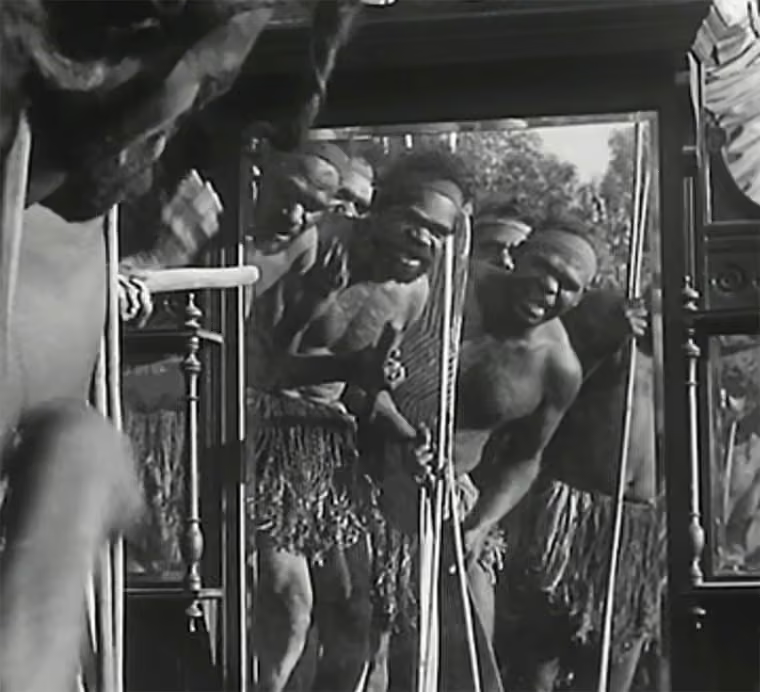
安纳古演员没有拿到剧本。他们被安排饰演两个虚构部落的成员,只被要求说话。
The Anangu actors weren't given a script. They were cast in the roles of two fictitious tribes and just told to talk.
语言学家与原住民语言使用者联合开展的一个项目,旨在梳理这种古老方言并翻译他们的台词,如今揭示了一个更深层的故事。安纳古演员并非像剧组当时认为的那样在说毫无意义的词句——他们即兴演绎了这段历史对话,真实呈现了白人定居者入侵并驱逐他们时的生活图景。
A joint project by linguists and First Nations language speakers to unpick the older dialect and translate what they said has now revealed a second, deeper story. The Anangu actors weren't just saying meaningless words or sentences, which is what the film crew thought at the time – they were improvising this historical dialogue and giving a true depiction of what life was like when white settlers invaded their land and displaced them.
该翻译项目旨在揭示一段被遗忘的历史,并让那些乘火车从南澳大利亚州西北部偏远地区(包括马拉林加土地附近的社区)前来的安南古演员得到认可。还有一些演员来自西澳大利亚州的偏远地区。“听到那种语言很有力量,因为那是这片土地上最早使用的语言,”拉斯特说。“我对另一位阿姨说:‘你能听懂那种语言吗?’——因为我把那部电影的链接发给了她。
The translation project aims to shine a light on a forgotten piece of history and bring recognition to the Anangu actors who journeyed by train from remote parts of north-west SA, including from communities near the Maralinga lands. Some also came from remote parts of Western Australia "Its powerful to hear that language because that's the first language spoken in country," Last says. "I said to another aunty, I said, 'Can you understand that language?' – because I sent her a link to that film.
“她觉得那是他们在乌尔迪亚说的语言,在更南边的琼琼查拉。你能听出那是皮钦查查拉语的一种不同方言。我不知道这是不是一种人们已经有一阵子没说过的古老语言。”“苦泉时代”澳大利亚国立大学社会人类学家、荣誉副教授玛吉·布雷迪博士过去五十年来一直与亚拉塔、奥克瓦利、马拉林加以及安南古皮钦查查拉杨昆亚查拉土地上的偏远原住民社区居民合作。
"She reckon it's language they spoke at Ooldea, back down Tjuntjuntjara. You can hear that it's a different dialect to Pitjantjatjara. I don't know if it's an old language that people haven't spoken for a while." 'Bitter Springs time' A social anthropologist and honorary associate professor at the Australian National University, Dr Maggie Brady, has been working with people from the remote Aboriginal communities of Yalata, Oak Valley, Maralinga and the Anangu Pitjantjatjara Yankunytjatjara lands for the past five decades.
在协助1984年关于英国在马拉林加核试验的皇家委员会工作时,她听到当地人将核试验开始前(始于1952年)的那些年称为“苦泉时代”。
While working to support the 1984 royal commission into the British nuclear tests at Maralinga, she heard locals speak of the years immediately proceeding the tests, which began in 1952, as "Bitter Springs time".
后来,她前往昆恩询问当地非原住民居民对拍摄制作的记忆。她被展示了记录电影制作和剧组在片场情况的相册,其中包括许多安南古人的照片,并带了一卷胶片拷贝到亚拉塔为社区放映。
Later, she would travel to Quorn to ask the non-Indigenous locals what they remembered of the production. She was shown photo albums featuring the film production and crew on set, including many pictures of the Anangu, and took a reel-to-reel copy of the movie to Yalata to play for the community.
“我猜我只是意识到这部电影可能是他们历史的重要组成部分,”她说,并补充道:“我获得了昆恩历史学会的许可制作复印件,将它们制成相册带回马拉林加和奥克瓦利。”
"I guess I just realised that the film is probably a big part of their history," she says, adding: "I got permission from the Quorn Historical Society to make copies and I made them up into photobooks and took them back to Maralinga and Oak Valley.
“我原本以为我们或许能从这些照片中辨认出一些人物;令我惊讶的是,人们竟然能够认出照片中的自己的父母和祖父母——尽管那些照片拍摄时,他们的祖父母还只是小孩子。”这部电影的拍摄原计划耗时10周,但由于恶劣的天气而被迫延期。拍摄期间,参与拍摄的演员们住在Quorn市的Transcontinental酒店里,而Anangu族成员则被安排在拍摄地点附近的露营地中。
"I thought maybe we can identify some people in these photographs and, to my shock, I found that people were able to recognise their parents and grandparents in these images, even though, when those pictures were taken, their grandparents were just children." The production was scheduled to take 10 weeks but was delayed by bad weather. The white stars of the film stayed in Quorn's Transcontinental hotel while the Anangu were housed in a campsite near the filming locations.
阿德莱德大学的一位原住民语言专家萨姆·奥斯本(Sam Osborne)副教授精通Pitjantjatjara语。他与位于阿德莱德港的Iwiri原住民公司合作,并邀请了会说Pitjantjatjara语和Yankunytjatjara语的译员共同参与这部电影的翻译和字幕工作。这个过程非常复杂,因为其中涉及一些已经不再被使用的方言。
An Aboriginal language expert at Adelaide University, Associate Prof Sam Osborne, who speaks fluent Pitjantjatjara, is working with the Iwiri Aboriginal Corporation in Port Adelaide, alongside Pitjantjatjara and Yankunytjatjara interpreters, to translate and subtitle the film. It's a complex process, involving some now unspoken dialects.
奥斯本表示,在翻译项目开始之前,关于Anangu族演员的参与程度存在一个主要疑问:他们只是简单地“重复一些台词”,还是真的在即兴表演、参与到故事的发展过程中去。他说:“我们发现,Anangu族演员在整个拍摄过程中都进行了富有创意的即兴表演。这为观众理解影片中的意义提供了极大的帮助……”在影片中,他们通过一系列互动场景来表达自己的想法:比如“看到自己在镜中的样子”、点燃火柴,还有一个人展示他的步枪并解释它的使用方法;随后Anangu族演员会指出“这种步枪无法穿透树木或岩石”,并说明他们的投矛技术虽然可以绕过障碍物,但子弹却做不到这一点。他们的表演充满了创造力与智慧。
The primary question about the Anangu actors' involvement before the translation project began, Osborne says, was whether they were just "verbalising, or vocalising and saying 'blah, blah, blah, blah'" or whether they were improvising and taking part in the story's development. "What we discovered is that Anangu were improvising in really clever and thoughtful ways throughout the film," he says. "It showed that a very creative space was opened up for meaning and understanding for the times …"In coming together and meeting each other, there's a series of interactions like seeing yourself in a mirror, striking a match, there's a scene where the guy shows his rifle and what it can do. "Then the Anangu goes, 'Yeah, well it can't shoot over a tree or around a rock'… and he sort of shows that you can sort of spear around a corner, but his bullets can't do that. "Theres a creativity and a genius to what the Anangu actors performed."
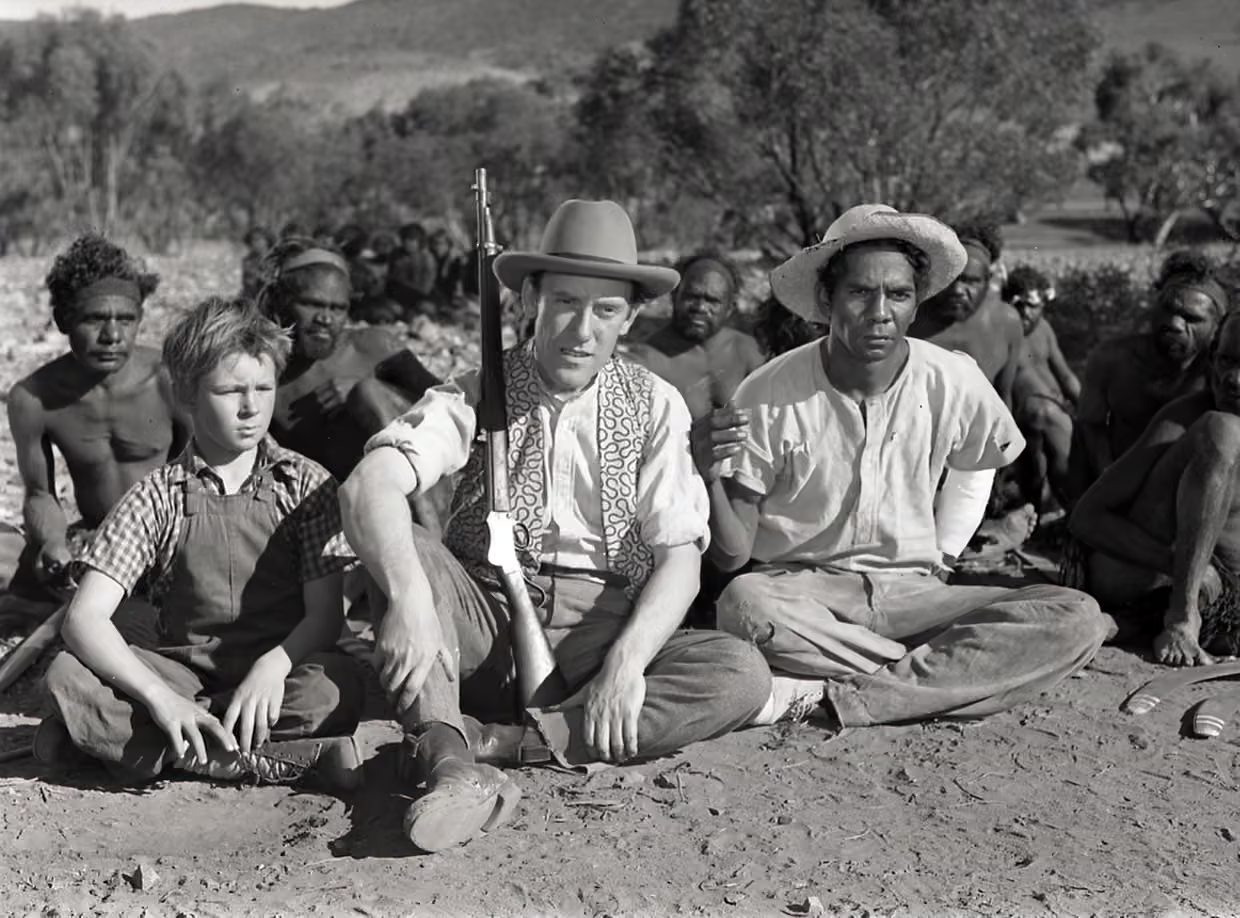
在一个场景中,当虚构的Mangarayi部落和Yangman部落与白人定居者对峙时,一位年长的Anangu族男子举起他的长矛并大喊“ma-pitija”,意思是让白人离开。
In one scene, when the two fictitious tribes of Mangarayi and Yangman are confronted by the white settlers, a senior man holds his spear and yells "ma-pitija", telling the white men to "go away".
观看这部电影的翻译片段,明知导演、制片人和白人演员并不完全理解他们在制作什么,对我来说——一个在许多安纳古演员故乡长大、能听懂大部分语言的原住民记者——是一种超现实的体验。这部故事有着大多数观众无法触及的深度。
Watching translated extracts of the film, knowing that the director, film producers and white actors did not understand the whole of what they were making, was to this reporter – an Aboriginal man who grew up on the same country where many of the Anangu actors were from and can understand much of the language – a surreal experience. There is a depth to the story that is inaccessible to most viewers.
奥斯本表示,这个翻译项目提供了“难得的洞察,让我们了解安纳古人当时在思考什么,以及他们是如何为那个更宏大的故事做出贡献的”。
Osborne says the translation project gives a "rare insight into what [Anangu] people were thinking about and how they were contributing to that bigger story".
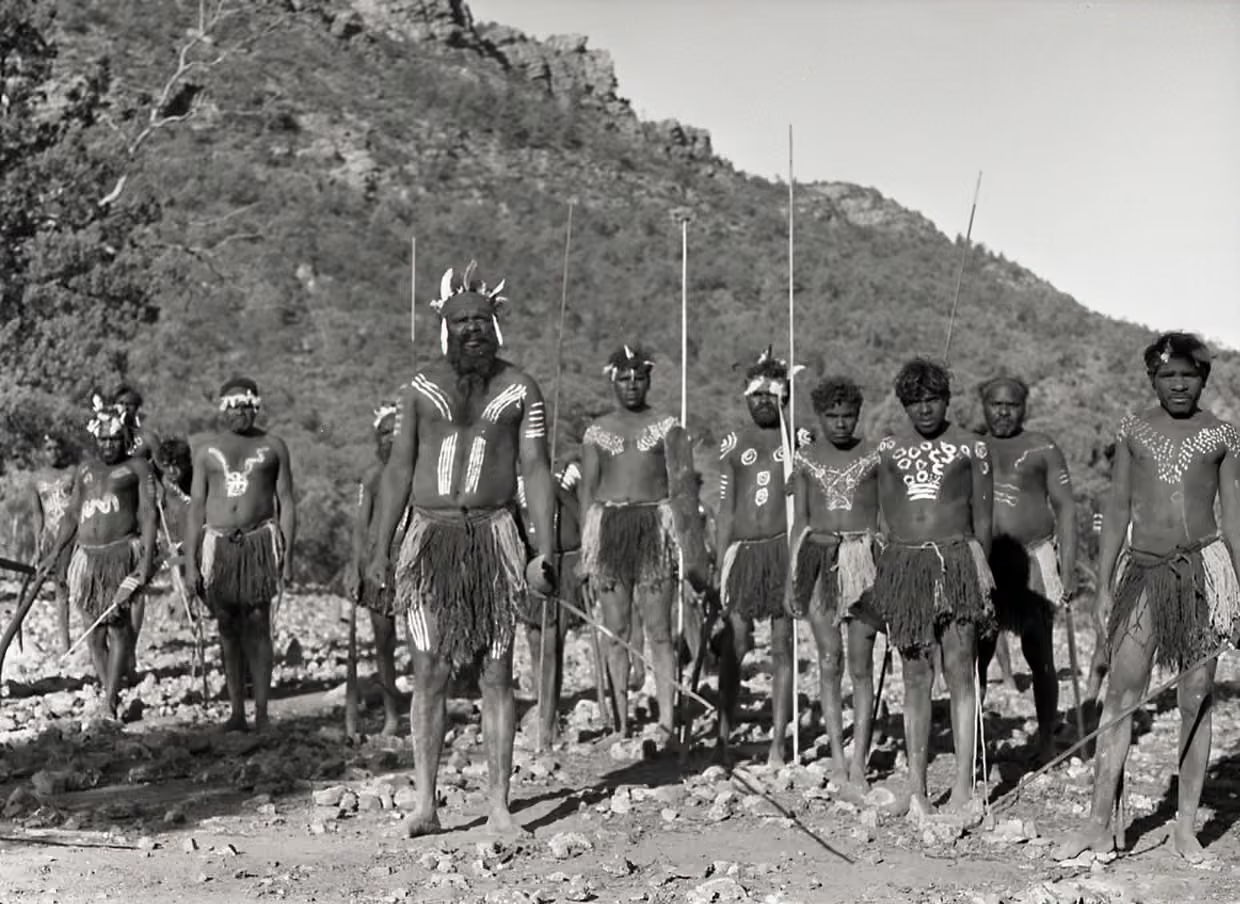
通过重映实现补偿 2024年,布雷迪回到昆恩进行更多关于该片的研究时,结识了辛迪·德雷南,她是Illuminart公司的创始人兼总监,该公司专门在地标建筑上投影艺术作品。
Redress through rescreening In 2024, while back in Quorn conducting more research about the film, Brady was introduced to Cindi Drennan, the founder and director of Illuminart, a company that projects art on to landmarks.
此后,德雷南加入了该项目,致力于将影片完整翻译、加配字幕,并在未来的澳大利亚电影节上放映。5月,Illuminart制作并展示了一部关于《苦泉》拍摄制作过程的30分钟纪录片,并将其投影在昆恩的谷物筒仓上。
Drennan has since joined the project and effort to see the film translated in full, subtitled and shown at future Australian film festivals. In May, Illuminart produced and showcased a 30-minute documentary about the filming and production of Bitter Springs, and projected it on to grain silos in Quorn.
德雷南说:“这部电影在阿德莱德首映时,大肆宣传、声势浩大,却没有邀请任何原住民演员。”她补充道:“大家都在为白人演员大肆喧哗,却对原住民演员毫无认可。他们只是被当作黑色的群演,尽管我估计他们在银幕上的台词时间远比白人演员长得多。”德雷南和布雷迪共同憧憬着这部电影迎来第二次首映机会,这一次能得到对安纳古演员贡献的认可。
"When the film was played in Adelaide and it opened, there was a big hoo-ha fanfare but no Aboriginal actors were invited," Drennan says, adding: "There was all this fanfare about the white actors in it but there was no recognition for the Aboriginal actors. They were just kind of like, black extras, even though they spent far more time speaking on screen I reckon then the white actors do." Together, Drennan and Brady are dreaming of a second chance at the film's premiere, this time with the contribution of Anangu actors recognised.
德雷南说:“玛吉一直念叨着,‘我们想在阿德莱德放映这部片子,想邀请尽可能多的人参加那场放映’。”她补充道:“我认为她理所当然地觉得,这将是一种补偿,是对多年来缺乏认可的一种弥补,我同意她的看法。”
"Maggie, she keeps coming back to, 'We want to play this in Adelaide and we want to invite as many people as we can to that screening,'" Drennan says. "I think she justifiably feels like that would be, kind of a redress, or reparation for a lack of recognition over many years and I agree with her."