
That Girl Boina肯尼亚美食内容创作者That Girl Boina因员工盗窃关闭脱毛工作室昂迪罗·奥甘加(Ondiro Oganga)内罗毕13分钟前当备受欢迎的肯尼亚美食内容创作者That Girl Boina前往欧洲进行为期两周的度假时,她本希望能好好放松一下。但在行程过半的一周里,一条Instagram私信曝光了一个最终导致其业务关闭的问题。
That Girl Boina Kenyan food creator That Girl Boina shut her waxing studio due to employee theft Ondiro Oganga Nairobi 13 minutes ago When popular Kenyan food creator That Girl Boina took a two-week holiday to Europe, she expected to relax. A week into the trip, an Instagram direct message exposed a problem that would ultimately lead to the closure of her business.
“我在你们的工作室做项目,我很喜欢一切。唯一的问题是,我被要求把钱发到一个不同的号码上。那不是墙上贴的号码,”一位客户给她写道。
"I was at your studio, I liked everything. The only problem was that I was asked to send money to a different number. It wasn't the number on the wall," a customer wrote to her.
Boina于2024年9月1日在内罗毕中央商务区开设了一家名为Waxaholic Studio的脱毛与水飞梭美肤沙龙。一年后,她雇用了前台和两名专业人员,并且信心十足地去进行为期两周的假期,这是她今年第一次出国旅行。
Boina had opened Waxaholic Studio, a waxing and hydrafacial parlour in Nairobi's central business district, on 1 September 2024. A year later, she had hired a receptionist and two specialists and felt confident enough to take a two-week holiday, her first international trip of the year.
“我信任他们。总共是两个房间和一个前台——你怎么能把这搞砸呢?”她回忆起自己当时的所想。
"I trusted them. It's two rooms and a reception - how do you mess that up?" she recalls thinking.
“我从未想过,也许我迎来了客户,而另有人在偷走我的钱,”她告诉BBC。
"It never occurred to me that maybe I was getting clients and someone else was stealing from me," she tells the BBC.
这一发现促使Boina更仔细地审视这项业务。尽管该业务在头几个月里获得了利润,但在2025年初开始收入下降。她起初将这种下降归咎于季节性低迷,但随后意识到出了问题。“除了我之外,周围的所有人都在赚钱,”她事后说道。
The discovery prompted Boina to examine the business more closely. Although the business had made a profit in the first few months, revenue began to fall in early 2025. She initially dismissed the decline as a seasonal slump but then realised there was a problem. "Everyone around was making money apart from me," she says in hindsight.
她此前已经考虑过关闭工作室,因为它没有盈利,但她最初的投资、三个赖以谋生的员工以及她对该业务的愿景让她坚持了下去。这位客户的信息成为了转折点。
She had already considered closing because it was not making a profit, but her initial investment, three employees depending on the business and her vision for it kept her going. The customer's message became the turning-point.
“如果我没有赚钱,而且我愿意观望事态发展,而你们却没有给我付出同样的精力,那么我们为什么还要开门营业?”博伊纳没有去质问员工,而是决定关闭这家工作室。那个周末,她将工作室挂牌出售,但没有找到买家。她卖掉了一些设备,并把包括装饰品在内的其他物品带回了家。Waxaholic Studio于2025年10月关门。
"If I am not making money and I am willing to wait and see where this goes and you guys are not giving me the same energy, then why are we still open?" Rather than confront the employees, Boina decided to close the studio. That weekend, she put it up for sale but found no buyer. She sold some of the equipment and took others, including decorations, home. Waxaholic Studio closed in October 2025.
“我记得朋友带我去一家餐厅,我哭了起来。我们俩都沉默不语。”“我们还能做什么?”
"I remember my friend taking me to a restaurant, and I started crying. We were both silent." "What else would we do?"
博伊纳将这段经历形容为她感受过的最糟糕的感觉。这次倒闭不仅是一次财务上的挫折,更是失去了她为保障未来而建立的东西。
Boina describes the experience as the worst feeling she has ever felt. The closure was not just a financial setback, but the loss of something she had built to secure her future.
9月,在企业倒闭近一年后,博伊纳在TikTok上发布了一段视频,讲述了这段经历,并解释说她需要时间疗伤,然后才能公开谈论发生的事情。
In September, nearly a year after the business closed, Boina shared a video on TikTok recounting the experience, explaining that she had needed time to heal before speaking publicly about what happened.
这段视频在被重新发布到前身为推特的X平台上后走红,获得了近100万次观看。它吸引了许多肯尼亚企业主的回复,他们讲述了从资金挪用到库存盗窃以及昂贵设备售卖等偷盗行为如何将他们的企业逼入绝境,迫使他们解雇员工、出售企业或关门大吉。
The video went viral after being reposted on X, formerly Twitter, garnering close to one million views. It drew responses from many Kenyan business owners who described how theft, ranging from payment diversion to stock theft and the sale of expensive equipment, had pushed their businesses to the brink, forcing them to fire staff, sell their businesses or shut down.
博伊纳说:“虽然我在情感上已经恢复,但我还没有收回用于建立和运营这家工作室的投资。”
"Although I have recovered emotionally, I am yet to recoup the money I invested in setting up and running the studio," says Boina.
对她故事的反响表明,员工盗窃对于非洲的许多小企业主来说是一个巨大的问题,在这些地方,少数员工可能会控制支付、库存和供应商交易,且往往缺乏监督。
The reaction to her story showed that employee theft is a huge problem for many small businesses owners in Africa, where a handful of employees may control payments, stock and supplier transactions, often with limited oversight.
全球最大的咨询公司之一普华永道在2022年进行的一项调查发现,63%的东非受访者表示其所在的组织经历过经济犯罪,而全球这一数字为46%。
A 2022 survey by PwC, one of the world's biggest consultancy firms, found that 63% of respondents in East Africa said their organisations had experienced economic crime, compared to a global figure of 46%.
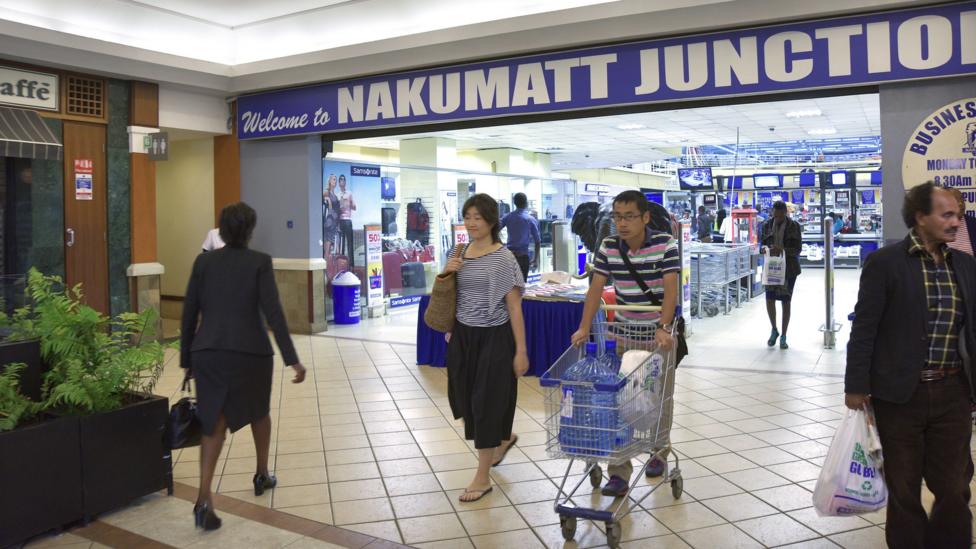
盖蒂图片社(Getty Images)肯尼亚最大的零售商之一纳库马特(Nakumatt)于2020年倒闭,部分原因是归咎于员工偷盗造成的重大库存损失。这些风险并不局限于小型企业。东非一些最大的超市也曾报告与员工欺诈和库存盗窃有关的重大损失。由于部分归咎于员工盗窃的更广泛财务和运营问题,Tuskys和纳库马特这两家公司都在本十年倒闭了。
Getty Images Nakumatt, one of Kenya's biggest retailers collapsed in 2020, partly because of significant stock losses attributed to employee theft The risks are not confined to small businesses. Some of East Africa's biggest supermarkets have also reported significant losses linked to employee fraud and stock theft. Tuskys and Nakumatt have both collapsed this decade amid wider financial and operational problems partly attributed to employee theft.
在其鼎盛时期,Tuskys在肯尼亚和乌干达拥有6000多名员工和60多家分店。2015年,该零售商聘请了防损公司东非希波拉商业解决方案公司(Hipora Business Solutions East Africa)来协助打击欺诈行为。据《商业日报》(Business Daily)报道,一项审计发现,Tuskys因员工盗窃每月损失超过1亿肯尼亚先令(约合58.1万英镑;77万美元)。据称这些计划包括收银员私吞现金、操纵收银机交易以及在收到的货物上与供应商串通。
At its peak, Tuskys had more than 6,000 employees and over 60 branches across Kenya and Uganda. In 2015, the retailer hired loss-prevention firm Hipora Business Solutions East Africa to help tackle fraud. An audit found that Tuskys was losing more than 100m Kenya shillings (£581,000; $770,000) a month to employee theft, Business Daily reported. The alleged schemes included cashiers pocketing money, manipulating till transactions, and colluding with suppliers over goods received.
纳库马特在倒闭前也遭受了归咎于员工盗窃的重大库存损失,一家肯尼亚政策公司报告称,有价值超过1亿美元(约合7500万英镑)的库存去向不明。
Nakumatt also suffered significant stock losses attributed to employee theft before going under, with a Kenyan policy firm reporting that more than $100m (£75m) worth of stock was unaccounted for.
希波拉的业务遍及东部和南部非洲,该公司表示员工偷盗是一个巨大问题,并估计其占小型企业所记录损失的60%以上。
Hipora, which works with businesses across East and Southern Africa, says employee theft is a huge problem, estimating that it accounts for more than 60% of losses recorded by small businesses.
希波拉负责人约翰·万乔希(John Wanjohi)对英国广播公司(BBC)表示,员工偷盗多年来一直在演变。“员工就像一个与客户和供应商串通以实施盗窃的贩毒集团。”员工偷盗并不总是涉及将钱转移到员工的手机上。有时它会采取隐蔽的形式,使企业主更难察觉。
Employee theft has evolved over the years, Hipora boss John Wanjohi tells the BBC. "Employees are like a cartel that colludes with clients and suppliers to perpetuate theft." Employee theft does not always involve money being diverted to an employee's phone. It can sometimes take subtle forms, making it harder for business owners to detect.

克里斯·恩焦基(Cris Njoki)克里斯·恩焦基不得不因采购差异而辞退一名员工。对于肯尼亚成衣品牌IKOJN的创始人克里斯·恩焦基来说,问题出在供应链的更上游。
Cris Njoki Cris Njoki had to let go of an employee due to procurement discrepancies For Cris Njoki, founder of IKOJN, a Kenyan ready-to-wear clothes brand, the problem lay further up the supply chain.
“我发现我的一名员工要求供应商把我们从他们那里采购的一些原材料报价报高,”她说。
"I found out that one of my staff was asking our suppliers to quote higher for some of the raw materials we were getting from them," she says.
这名员工涉嫌与供应商勾结抬高价格,在公司支付发票后,两人瓜分多出的资金。恩乔基(Njoki)调查了这一计划,并拿着证据与该员工对质。这名员工随后离开了公司。此后,恩乔基收紧了她公司的采购管控。
The employee allegedly colluded with a supplier to inflate prices, with the two sharing the excess money after the company paid the invoices. Njoki investigated the scheme and confronted the employee with the evidence. The employee subsequently left the company. Since then, Njoki has tightened her firm's procurement controls.
“我们现在已经将采购流程集中化,并建立了纸质记录痕迹。财务部门与供应商对接,然后进行付款,”她告诉英国广播公司(BBC)。
"We have now centralised the procurement process and created a paper trail. Finance speaks to the supplier and then makes payment," she tells the BBC.
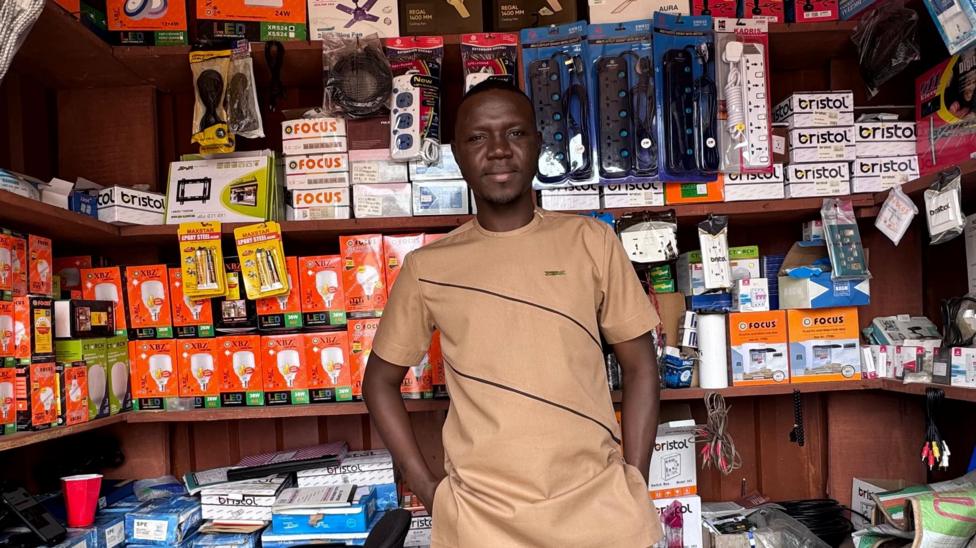
在非洲大陆另一端的加纳阿克拉,员工偷盗险些让穆夫塔武·纳比拉(Muftawu Nabila)的生意走到尽头。
Across the continent in Accra, Ghana, employee theft came close to bringing Muftawu Nabila's business to an end.
这位《乔伊新闻》(Joy News)体育记者说,在他经营电器店的四年里,他曾被两名不同的员工偷窃。但他表示,第三名员工的盗窃行为差点迫使他彻底关门。
The Joy News sports journalist says he was robbed by two different employees in the four years he has run his electronics shop. But theft by a third employee, he says, nearly forced him to close it altogether.
加纳体育记者穆夫塔武·纳比拉利用其YouTube频道的收入开了一家电器店,该店差点被员工偷窃搞垮。他的第一名员工被予以警告后放过。第二名员工使月销售额增加了两倍,但随着大学学期恢复而离职。
Nabila Muftawu Nabila Muftawu, a sports Journalist in Ghana, used proceeds from his YouTube channel to open an electrical shop that was nearly collapsed by employee theft His first employee was let off with a warning. The second tripled monthly sales but left when her university semester resumed.
在2026年6月前往美国报道国际足联世界杯之前,纳比拉雇用了第三名店员,这使得该业务几乎处于无人监管的状态。“她差点搞垮我的店,”他说。
Before traveling to the United States to cover the Fifa World Cup in June 2026, Nabila hired a third attendant, leaving the business with little supervision. "She almost collapsed my shop," he says.
他说,虽然其他员工拿走的金额较小,有时一次仅有50塞地(约合4美元;3英镑),但第三名店员的作案规模更大。
While other employees had taken smaller amounts, sometimes as little as 50 cedis ($4; £3) at a time, the third attendant was operating on a larger scale, he says.
“假设我们一天的销售额是200美元(约合150英镑),她最高可以拿走30美元,”他说。
"Assuming we are making a sale of $200 (£150) a day, she could take up to $30," he says.
这种盗窃行为持续了两个月。当纳比拉试图为店铺补货时,他意识到进账的资金不足以补充货架。他开始每天早晨清点库存。
ft continued for two months. When Nabila tried to restock the shop, he realised the money coming in was not enough to replenish his shelves. He began counting his stock every morning.
当他找那名员工对质时,她否认了这些指控。但她自己进行的盘点发现,库存与销售小票之间存在巨大差距。
When he confronted the employee, she denied the allegations. But a stock count she conducted herself revealed a significant gap between inventory and sales receipts.
他说道:“我当时只对她说:‘你今天要是回家了,就别再回来了。’”他从新闻工作岗位上获得的薪水使他得以重建这家企业。
"I just told her: 'If you go home today, don't come back,'" he says. His salary from his journalism job allowed him to rebuild the business.
对他而言,这家店铺是创造就业岗位的一种方式,这使得这起盗窃案格外令人沮丧。
For him, the shop is a way of creating jobs, making the theft particularly frustrating.
“我们必须从店里赚钱来付你工资。所以如果我付了你工资、电费、店租,而你又偷走了一些,你让我去哪里赚钱?”彭博社通过盖蒂图片社提供 小企业尤其容易受到员工盗窃的侵害 盗窃行为在世界各地的企业中都有发生,但其后果对非洲的小企业而言可能会极其严重。
"We have to generate the money from the shop for me to pay you. So if I pay you, pay electricity bills, shop rent and you steal some, where am I expected to generate money?" Bloomberg via Getty Images Small businesses are particularly vulnerable to employee theft Theft happens in businesses around the world, but its consequences can be particularly severe for small businesses in Africa.
许多企业的利润空间微薄,融资渠道有限,借贷成本高昂,税收环境也难以预测。
Many operate on tight margins, with limited access to finance, high borrowing costs and unpredictable tax environments.
许多非洲市场的购买力也较低,这限制了企业通过销售弥补损失或将成本转嫁给客户的能力。
Purchasing power is also lower in many African markets, limiting how much businesses can recover through sales or pass on to customers.
在一个非正式经济占就业和经济活动很大份额的大陆上,这一点尤为重要。
This is especially significant in a continent where the informal economy accounts for a large share of employment and economic activity.
对于缺乏充足财务缓冲的企业而言,现金、库存或设备的损失可能会威胁到它们支付员工工资、补货或维持运营的能力。
For businesses without much of a financial cushion, the loss of cash, stock or equipment can threaten their ability to pay staff, restock or keep operating.
对于大公司而言或许尚可承受的损失,却可能把一家小企业逼入绝境。万乔希表示,许多小企业缺乏防止盗窃的妥善保障措施。
What might be a manageable loss for a larger company can push a small business to the wall. Wanjohi says many small businesses lack proper safeguards to prevent theft.
在一家经营困难的药店分店,他的团队加强了对现金处理、库存流转和收银员操作的管控。万乔希表示,做出这些改变后,日销售额随后从8万肯尼亚先令增加到了20万。
At one struggling pharmacy branch, his team tightened controls over cash handling, stock movements, and cashier operations. Wanjohi says daily sales subsequently increased from 80,000 Kenya shillings to 200,000 after the changes.
万乔希表示,许多企业只有在问题变得严重之后,才会寻求防损专家的帮助。
Wanjohi says many businesses seek help from loss-control specialists only after the problem has become serious.
然而,发现涉嫌盗窃只是挑战的一部分。雇主在调查相关指控以及决定是否解雇员工时,还必须遵守法律。
Detecting suspected theft, however, is only part of the challenge. Employers must also follow the law when investigating allegations and deciding whether to dismiss an employee.
执业律师朱迪斯·古瑟瓦(Judith Guserwa)表示,在采取纪律处分之前,雇主必须调查涉嫌盗窃的行为、收集证据并允许员工进行回应。
Judith Guserwa, an advocate, says employers must investigate suspected theft, gather evidence and allow employees to respond before taking disciplinary action.

如果员工承认盗窃并选择退还,必须留下书面记录:“如果他们不这么做,你就要以正当理由予以解雇并提起诉讼,”她说道。这段经历改变了博伊纳(Boina)对待招聘的方式。她表示,自己现在将采取审慎招聘、果断解雇的做法。“我无法教你诚实,”她总结道。
If employees admit to theft and choose to repay, let it be in writing: "If they don't, you terminate with a valid reason and press charges," she says. The experience has changed how Boina approaches hiring. She says she will now be slow to hire and quick to fire. "I cannot teach you integrity," she concludes.