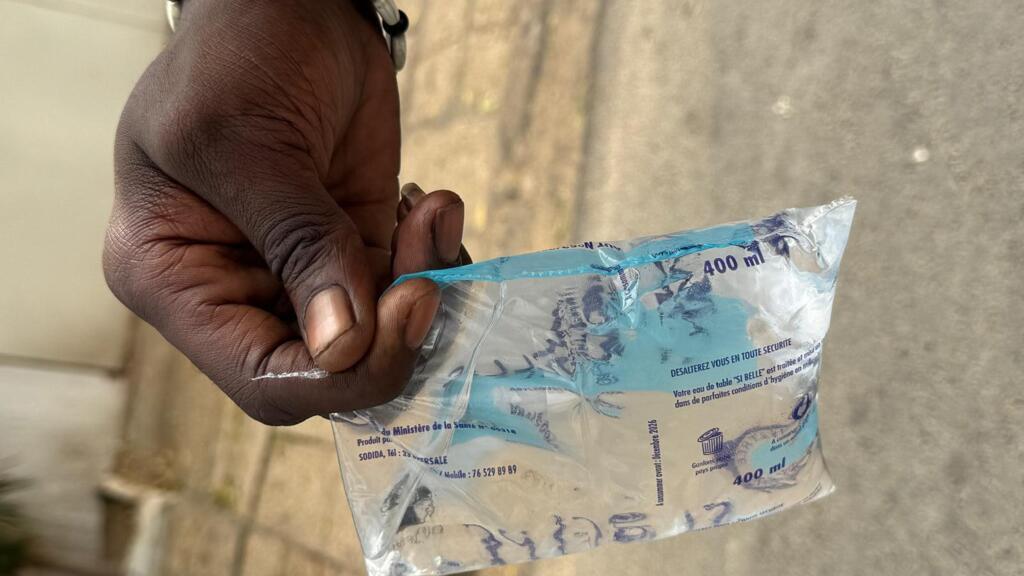
在几内亚,塑料袋装水是向民众提供安全、负担得起的饮用水的一种必不可少的方式。但这种做法与政府取缔一次性塑料制品的目标相冲突。在找到解决方案之前,当局被迫在实施禁令不到三周后予以解除。
Plastic water sachets are an essential way to provide people in Guinea with safe and affordable drinking water. But their use clashes with the government’s objective of outlawing single-use plastics. Until a solution can be found, authorities have been forced to lift a ban, less than three weeks after implementing it.
几内亚共和国两年前通过了禁止一次性塑料制品的法律,但直到9月20日才开始执行。
The Republic of Guinea passed its law to ban single-use plastics two years ago, but only enforced it on 20 September.
然而,面对日益高涨的公众愤怒,政府被迫改弦更张,于10月7日解除了禁令,为期六个月。
However, in the face of mounting public anger, it was forced to do a U-turn and lifted the ban on 7 October, for the next six months.
“治国就要有预见性。这项禁令是最鲁莽的决定,”每天在首都科纳克里购买袋装水的埃马纽埃尔说。
“To govern is to foresee. The ban was a most reckless decision,” said Emmanuel, who buys water sachets every day in the capital Conakry.
“在没有提供替代方案的情况下,你怎么能禁止民众获得安全饮用水的唯一途径?”同样来自科纳克里的乌穆问道。“你不能突然搞环保,却让人们没水喝。”法国国际广播电台还采访了法亚·布莱斯,他说他希望政府部长们“来看看贫困社区的生活是什么样子”。
“How can you ban the population’s only access to safe drinking water without having provided an alternative solution?" asked Oumou, also from Conakry. “You can’t suddenly go green and make people go thirsty.”RFI also spoke to Faya Blaise, who said he would like government ministers to “come see how life goes in the poorer neighbourhoods”.
“他们应该先看看我们如何生活、面临哪些困难,然后再做出直接影响我们的决定。”健康问题世界银行称几内亚基础设施薄弱、贫困普遍,该国1510万人口中有370万人每天生活费不足4.20美元。
“They should see how we live and the difficulties we face before making decisions that impact us directly." Health issues The World Bank describes Guinea as a country with poor infrastructure and widespread poverty, with 3.7 million of its 15.1 million people living on less than $4.20 per day.
科纳克里的埃马纽埃尔讲述了他为了获得安全饮用水不得不费尽周折,因为购买瓶装水开销很大。
Emmanuel in Conakry described the lengths he has to go to for safe drinking water, given the expense of buying it bottled.
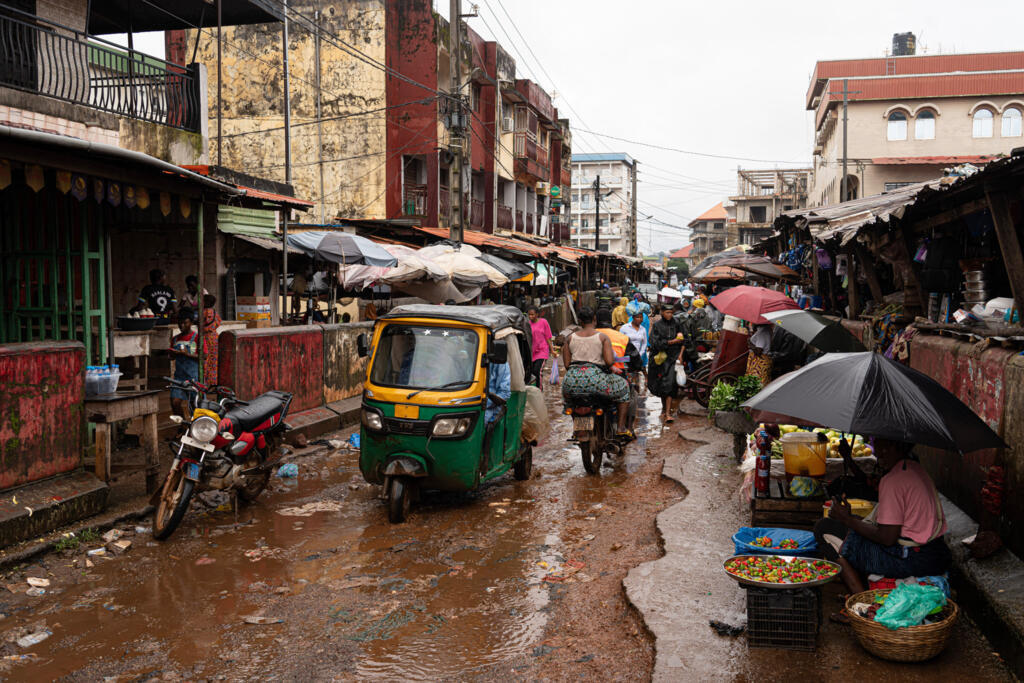
“一小瓶水我要付3000非洲法郎(约合4.50欧元),一袋400毫升的袋装水要付500非洲法郎(0.75欧元)。我决定收集雨水,并在药店买了一种产品来杀灭雨水中可能含有的细菌并进行净化。”几内亚中部达博拉的乔纳斯告诉法国国际广播电台,他所在的小镇上没有人喝国家自来水公司提供的自来水。
“I pay CFA 3,000 [around €4.50] for a small bottle of water and CFA 500 [€0.75] for a water sachet of 400ml. I decided to collect rainwater and bought a product at the pharmacy to kill the bacteria it might contain and purify it.”Jonas from Dabola, in central Guinea, told RFI that nobody in his small town drinks the tap water provided by the national water company.
“它脏得像猪圈里的水,里面还有泥块,我得过滤后才能洗澡。”世界未能就塑料污染条约达成一致,人们对此感到失望和愤怒。在科纳克里经营一家医疗中心的医生本·优素福·凯塔告诉法国国际广播电台,自9月实施禁令以来,水源性疾病患者人数有所增加。
“It is as filthy as water in a pig’s wallow. It contains bits of clay, and I have to filter it to bathe." Disappointment and anger after world fails to agree plastic pollution treaty Ben Youssouf Keita, a doctor who runs a medical centre in Conakry, told RFI there had been a rise in the number of patients with water-borne diseases after the ban was enforced in September.
“很多病人因腹痛和腹泻入院。与他们交谈后,我们发现他们一直饮用钻孔井水或自来水。”
“A lot of patients were admitted for abdominal pain and diarrhoea. After talking to them, we found out that they have been drinking water from boreholes, or tap water."
他对禁令的暂时中止表示欢迎,称这可以避免伤寒或痢疾的发生,并补充说:“与此同时,政府应该开展宣传活动,让人们了解无论水来自哪里——雨水、河水还是井水——都需要煮沸后再饮用。”替代解决方案:禁令解除后,生产一次性塑料水袋的工厂恢复了生产——至少在未来六个月内。
He welcomed the temporary pause in the ban, saying it could avert cases of typhoid or dysentery, adding: “Meanwhile, the government should launch an awareness campaign on the need to boil water wherever it comes from – rain, river, wells – before drinking it." Alternative solutions Following the lifting of the ban, factories producing single-use plastic water sachets have resumed their activities – for the next six months, at least.
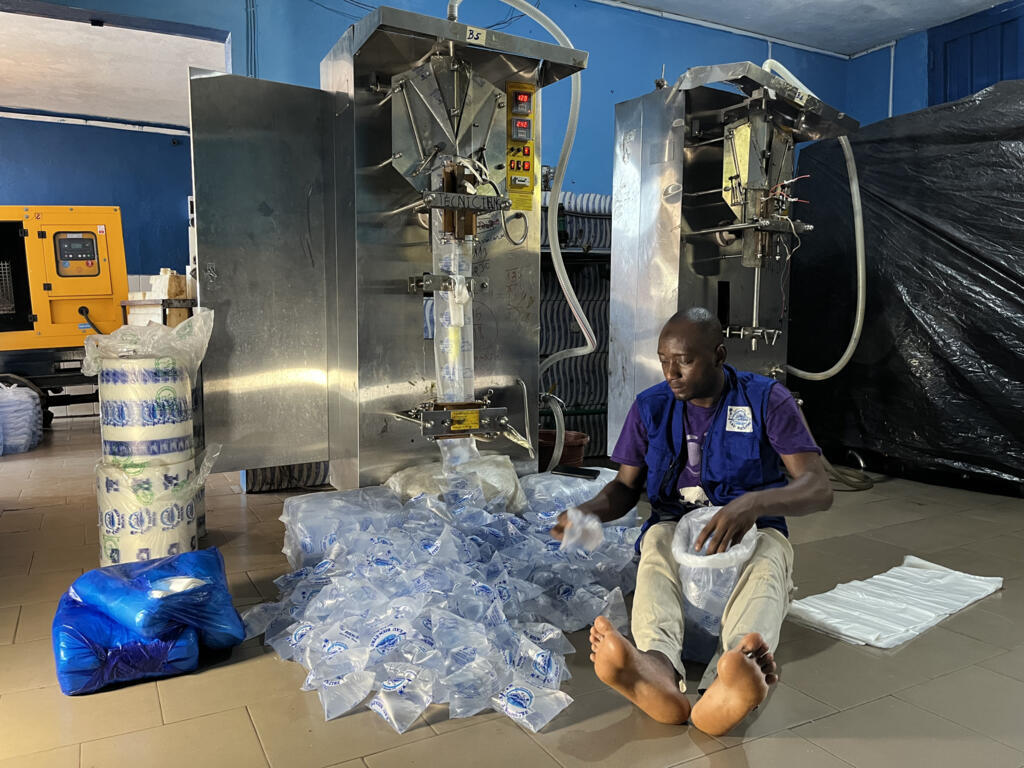
阿卜杜拉耶·福法纳是一家水袋生产厂的负责人,也是矿泉水生产商联盟的主席。他告诉法国国际广播电台,该行业需要尽快找到环保的解决方案。
Abdoulaye Fofana heads a water sachet production plant and is the chairman of the Union of Mineral Water Producers. He told RFI that the sector needs to quickly find environmentally friendly solutions.
“我们正在要求供应商寻找可生物降解的塑料。希望以此建立小型公司来收集和回收塑料。这应该能确保一个健康、无污染的环境。”阿卜杜拉耶还领导着一家小型工业卫生公司。他说,由木薯纤维制成的袋子可以替代塑料水袋。
“We are challenging our suppliers to find biodegradable plastics. In order, hopefully, to set up small companies for collecting and recycling the plastic. That should ensure a healthy, unpolluted environment." Abdoulaye heads up a small industrial sanitation company. He said that bags made of cassava fibre could replace plastic sachets.
“它是环保的,因为它是可生物降解的,六个月即可分解。木薯在几内亚被广泛食用。这是一种替代方案,将为农民提供工作机会,”他说。然而,可生物降解水袋的价格远高于塑料水袋。
“It is environmentally friendly because it is biodegradable and takes six months to disintegrate. Cassava is widely consumed in Guinea. This is an alternative that will give work to the farmers,” he said. However, the price of biodegradable sachets is far higher than that of plastic sachets.
有鉴于此,环保活动人士马马迪·阿米纳塔·图雷呼吁政府将精力集中在发展回收行业上。
In light of this, Mamady Aminata Touré, an environmental campaigner, is calling on the government to focus its efforts on developing the recycling sector.
“几内亚从事塑料加工和回收的公司不多。我们需要发展这个行业,并建立对这些公司的信心。而这正是政府可以通过激励措施和补贴发挥作用的领域。”对于几内亚消费者保护联盟负责人姆巴尼·西迪贝来说,最好的长期解决方案是发展国家水务管理机构。
“There aren’t many companies involved in plastic processing and recycling in Guinea. We need to develop this sector and build confidence in these companies. And that’s where the government has a role to play with incentives and subsidies." For M’Bany Sidibé, head of the Union for the Defence of Consumers in Guinea, the best long-term solution is to develop the national water authority.
他告诉法国国际广播电台:“要让全几内亚都能获得安全的饮用水,至少需要5到10年时间。”
“It will take at least five to 10 years to get safe, drinking water across the whole of Guinea,” he told RFI.
西迪贝警告说,在缺乏像塑料水袋一样便宜的替代品的情况下,塑料水袋仍将不可或缺。
Sidibé warns that in the absence of an alternative that is as cheap as plastic water sachets, they will remain essential.