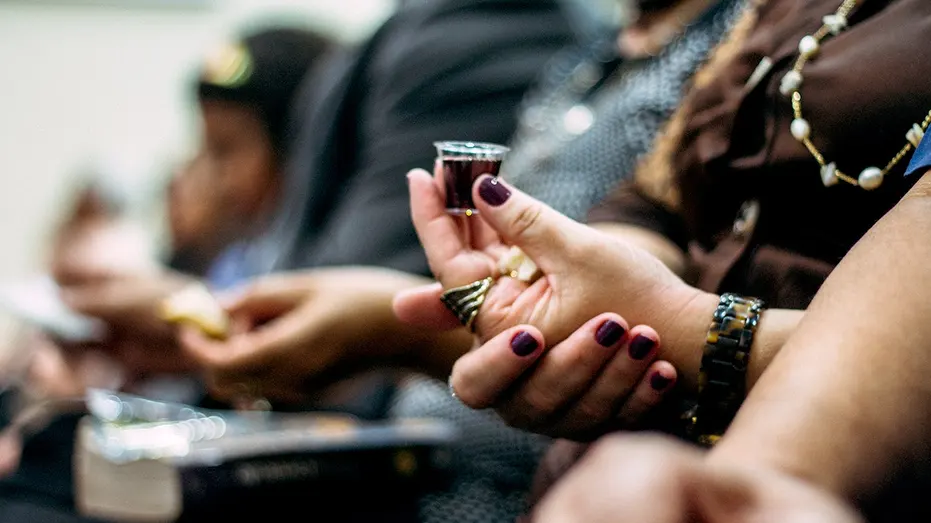
一项盖洛普报告显示,美国饮酒习惯出现历史性转变,天主教徒饮酒率降至历史最低,但科学专家警告称,不应将下降严格归因于宗教或文化变化。
A historic shift in American drinking habits shows Catholic alcohol consumption reaching record lows, though scientific experts caution against attributing the drop strictly to religious or cultural changes.
据分析师弗兰克·纽波特撰写的盖洛普报告,美国自称饮酒的天主教成年人比例已降至55%。
The share of Catholic adults in the United States who report drinking alcohol has fallen to 55%, according to a Gallup report authored by analyst Frank Newport.
这与2002年至2004年期间的79%相比有所下降。在同一时期,自称饮酒的新教徒比例保持在54%,没有变化。
That marks a decline from the 2002–2004 period, when 79% of Catholics reported consuming alcoholic beverages. Over that same timeframe, self-reported Protestant drinking rates remained flat at 54%.
纽波特在分析中写道:“饮酒量在没有宗教身份的群体中大幅下降,尤其是在天主教徒中,下降尤为明显。”然而,专家呼吁在从子群体调查数据中得出笼统结论时保持谨慎。
"Drinking has dropped significantly within both the group of those who have no religious identity and, in particular, among Catholics," Newport wrote in the analysis. However, experts urged caution when drawing sweeping conclusions from subgroup survey data.
科罗拉多大学安舒茨医学院放射学系副教授、研究酒精对大脑影响的约书亚·戈温指出,自报式民调数据可能因抽样而波动。
Dr. Joshua Gowin, an associate professor in the Department of Radiology at the University of Colorado Anschutz Medical Campus who studies alcohol's effects on the brain, noted that self-reported polling figures can fluctuate based on sampling.
戈温告诉福克斯新闻数字版:“各群体中饮酒量下降的总体模式是确定的。”
"There's definitely a general pattern of alcohol use decreasing across groups," Gowin told Fox News Digital.
他接着说:“就子群体而言,对我来说,并不清楚也不一定有说服力的是,某一群体呈现出其他群体未反映的广泛趋势。”
"As far as the subgroups go, it wasn't clear or necessarily compelling to me that one group was showing a broad trend that wasn't reflected in the other groups," he went on.
“似乎只有一个数据点显示了这种效果……这让我有点怀疑,这是一种更广泛的现象,还是仅仅是单一调查样本。”尽管在追踪特定宗教子群体方面存在方法论局限,但研究人员一致认为,更广泛的社会和健康趋势正在推动整体饮酒习惯的转变。
"It seemed like really only one data point showed that effect ... which made me a little skeptical that this is a broader phenomenon versus a single survey sample." Despite methodological limitations in tracking specific religious subgroups, researchers agree that broader social and health trends are driving a shift in overall drinking habits.
盖洛普的调查结果显示,目前多数美国人认为适度饮酒——即每天喝一两杯——对健康有害。
Gallup findings indicate that a majority of Americans now view moderate drinking — defined as one or two drinks per day — as bad for their health.
最新民调显示,52%的天主教徒认为适度饮酒有害健康,无宗教信仰的成年人中这一比例为56%,新教徒为48%。
In the latest polling, 52% of Catholics said moderate alcohol consumption is bad for health, alongside 56% of adults with no religious affiliation and 48% of Protestants.
高文指出,公众观念的这一转变反映了数十年的神经科学和医学研究成果。
Gowin noted that this public shift reflects decades of neuroscience and medical research.

他说:“二十年前,关于酒精的一些益处与当时我们已知的潜在危害之间,还存在一种此消彼长的拉锯。”
"Twenty years ago, there was still kind of a push and pull between some benefits of alcohol and then some things that even then we knew were potentially harmful," he said.
“随着时间的推移,我们对哪些事物有害健康有了更清晰的认识……天平已经更多地倾向于负面健康影响的证据。”高文指出,大规模神经影像学研究现在一致将较高酒精摄入量与脑容量减少联系起来,强化了公共卫生警示。
"Over time, we've gotten a lot more clarity on the things that are bad for our health ... the balance has just shifted more in favor of the evidence for negative health effects." Gowin pointed out that large-scale neuroimaging studies now consistently link higher alcohol consumption to reduced brain volume, reinforcing public health warnings.
研究人员还将饮酒模式的变化归因于更广泛的社会变迁,包括社交行为和孤独感的转变。
Researchers also attribute shifting consumption patterns to broader societal changes, including shifts in social behavior and loneliness.

他们认为,美国的酒精消费历来多发生在群体场合,人们社交聚会方式的变化可能正在影响饮酒习惯。
Much of America's alcohol consumption has historically occurred in group settings, and changes in how people gather socially may be influencing drinking habits, they believe.
与此同时,专家警告,普遍社交性饮酒的下降并不意味着严重酒精问题已经消失。
At the same time, experts caution that a drop in general social drinking does not mean severe alcohol problems have dissolved.
高文指出:“其中有一点略显矛盾……虽然所有成年人中饮酒者的总体患病率下降了,但过去几年与酒精相关的死亡人数实际上更多了。”“严重问题并没有消失。”
"One of the things that is a bit of a contradiction ... is that although the overall prevalence among all adults is down for the number of drinkers, there is actually a larger number of alcohol-related deaths in the past few years," Gowin noted. "It's not like the serious problems have gone away."