AI在警务中的应用可能加剧歧视,研究发出警告AI工具从有偏见的记录中学习,研究人员表示,如果缺乏监管,可能会加深对少数群体的歧视。
AI in policing risks deepening discrimination, research warns AI tools learn from biased records and may deepen discrimination against minorities without oversight, researchers say.
在获奖文章中,年轻的英国科学作家阿德里安·德雷奇探讨了AI与警务的潜在陷阱。
In his award-winning essay, young British science writer Adrian Dredge wrote about the potential pitfalls of AI and policing.
该文章获得了2026年青年科学作家奖,该奖项由英国科学作家协会每年评选。以下是参赛作品的编辑版本。
The essay won the 2026 Young Science Writer Award, chosen each year by the Association of British Science Writers. Here is an edited version of the entry.
研究人员警告称,AI在警务中日益增长的应用,有加剧对少数群体歧视的风险。
The growing use of AI in policing risks increasing discrimination against minority groups, researchers have warned.
研究表明,未来犯罪热点的预测可能基于有偏见的数据,这可能放大现有的偏见,并形成一个危险的反馈循环。专家呼吁在更多的人工监督下,对AI在警务中的应用进行审查。
Studies suggest that predictions of future crime hotspots may be based on biased data, which can magnify existing prejudice and create a dangerous feedback loop. Experts are calling for the use of AI in policing to be reviewed with greater human oversight.
悉尼大学法学院数字司法副教授兼研究员卡罗琳·麦凯博士表示,这将涉及检查警方使用的数据,以发现并消除任何偏见。她说:“国家警务的公共职能应当接受人工监督和审查。”
This would involve checking the data that forces use to find and remove any bias, according to Dr Carolyn McKay, an associate professor and researcher in digital justice at the University of Sydney Law School. "The public functions of state policing ought to be subject to human oversight and scrutiny," she says.
麦凯指出,问题在于AI系统是基于已包含人类偏见的数据进行训练的,这可能导致自我实现的预言。
The problem, according to McKay, is that AI systems are trained on data that already contains human bias, and this can lead to self-fulfilling prophecies.
请将AI想象为一位制图师,受命绘制一座从未造访过的城市的地图。他们被锁在一间没有窗户的房间里,无法外出。他们手中只有50年前的地图。
Think of AI as a map-maker asked to draw a map of a city they have never visited. They are locked in a windowless room and can't go outside. All they have are maps that are 50 years old.
任何遵循这张新地图的人,都会发现自己停在多年前已被拆除的墙前,寻找早已不存在的道路。制图师并没有创造任何新东西,只是复制了旧地图。
Anyone following the new map would find themselves stopping at walls that were knocked down years ago and looking for roads that no longer exist. The map-maker hasn't made anything new. They have only copied the old maps.
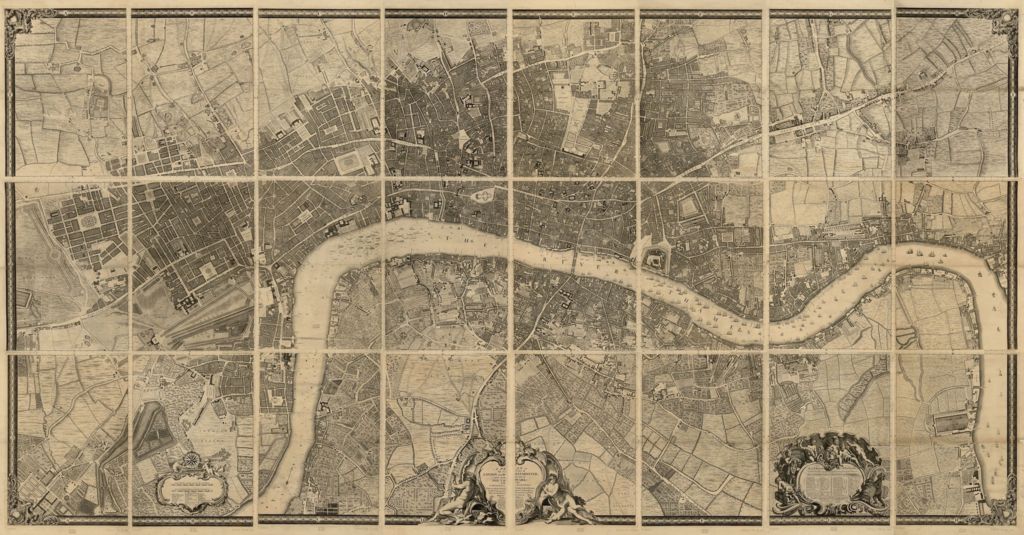
现在假设,制图师拿到了一份过去犯罪及其发生地点的清单,并被要求标注出下一起犯罪最可能发生的区域。警方随后会巡逻这些被标注的区域。
Now suppose the map-maker is handed a list of past crimes and where they took place, and asked to shade in where the next ones are likely to happen. Police then patrol the shaded areas.
那里记录的犯罪更多,仅仅是因为那里部署的警力更多,能看到的情况也就更多。阴影区域之外的地方看似犯罪较少,是因为关注的人更少。等到下一张地图绘制时,同样的区域会被标上更深的阴影。
More crime is recorded there simply because more officers are there to see it. Areas outside the shading appear to have less crime, because fewer people are looking. When the next map is drawn, the same areas are shaded even darker.
因此,犯罪数字并非犯罪的完整清单。它们在一定程度上记录的是警方选择关注的地点。
So the crime figures are not a full list of crimes. They are partly a record of where police have chosen to look.
这个问题由来已久,与警务工作同龄,但人工智能可能正在加速这一进程。
The problem is as old as policing, but AI may be speeding it up.
德克萨斯大学奥斯汀分校的社会学家莎拉·布雷恩曾深入洛杉矶警察局,研究其如何使用大数据。在发表于《美国社会学评论》的研究论文中,她发现该局越来越多地利用数据来预测犯罪,而不再仅用于事后应对。
Sarah Brayne, a sociologist at the University of Texas at Austin, spent time inside the Los Angeles Police Department studying how it uses big data. In her research paper, published in the American Sociological Review, she found that the force increasingly used data to predict crime, rather than only to respond to it.
她还发现,输入这些系统的数据存在偏差。发生在公共场所的犯罪更容易被发现和记录,警方的关注点不成比例地集中在黑人社区。她写道,一旦这些数据进入系统,“预测结果看起来就是中立客观的”。
She also found that the data fed into these systems was skewed. Crimes in public places were more likely to be seen and recorded, and police focus was disproportionately on black neighbourhoods. Once this goes into the system, she writes, "the predictions appear impartial".
她表示,这些模型制造了“一个反馈循环,它们不仅预测犯罪或警民接触等事件,还促成了这些事件未来的发生。”但伦敦玛丽女王大学多模态人工智能副教授迪米特里奥斯·科利亚斯博士对这一观点提出异议。他表示,技术已发展到能够考虑历史数据偏差的程度。
The models, she says, create "a feedback loop in which they not only predict events such as crime or police contact, but also contribute to their future occurrence." But that is a view challenged by Dr Dimitrios Kollias, an associate professor in multimodal artificial intelligence at the Queen Mary University of London (QMUL). He says that the technology has moved on to take the bias of historical data into account.
他对BBC新闻表示:“‘旧地图’类比有助于解释历史偏见如何被继承,但它有其局限性。”
"The old-map analogy is useful for explaining how historical bias can be inherited, but it has its limits," he told BBC News.
“现代AI系统并非简单地检索或复制训练样本;它们能以新方式组合所学信息,生成训练样本中未明确包含的输出和解决方案。”但科利亚斯补充说,这些新见解带来了另一种风险。
"Modern AI systems do not simply retrieve or copy their training examples; they can combine learned information in new ways and generate outputs and solutions that were not explicitly present in those examples." But those new insights pose a separate risk, Kollias adds.
“随着人工智能系统在生成新决策和以更大自主性行动方面变得更加强大,我们需要确保其行为保持安全、可靠,并处于有意义的人类控制之下,”他说。
"As AI systems become more capable of generating novel decisions and acting with greater autonomy, we need to ensure that their behaviour remains safe, reliable and under meaningful human control," he said.

但可以说,一个更棘手的问题是如何处理当局存储的、且有时存在缺陷的信息,而人工智能系统正是从中获取数据。
But arguably a more intractable problem is dealing with the sometimes flawed information stored by authorities and which AI systems draw from.
纽约大学的研究人员表示,他们的许多预测可能依赖于他们所谓的“脏数据”。他们称,这些是由腐败、偏见或非法做法塑造的警方记录,包括被篡改的犯罪数字和对无辜者的逮捕。
Researchers at New York University said that many of their predictions may rely on what they call "dirty data". These are police records shaped, they say, by corrupt, biased or unlawful practices, including rigged crime figures and arrests of innocent people.
在他们的研究中,研究人员发现,在他们考察的13个美国地区中,有9个地区在非法或有偏见执法时期的警方数据可用于训练这些系统。
In their study, the researchers found that in nine of the 13 US areas they looked at, police data from periods of unlawful or biased policing was available to train these systems.
据研究人员称,系统无法判断这些数据存在缺陷。它只是将其视为一种需要重复的模式。这就像制图师的指南针只指向以前记录过犯罪的地方。制图师以为自己发现了一个新的犯罪热点,实际上只是沿袭了早期警员的偏见。
The system can't tell that this data is flawed, according to the researchers. It simply treats it as a pattern to repeat. It is as if the map-maker's compass points only to where crime has been recorded before. The map-maker thinks they have found a new crime hotspot, when all they have done is follow the bias of earlier officers.
麦凯的回答是,在任何人使用这张地图之前,让独立的第三方进行核查,并擦除错误的线条。
McKay's answer is to have someone independent check the map before anyone uses it and rub out the lines that are wrong.
但清理“脏数据”并非易事。这些错误不是几处杂乱的铅笔痕迹。整张地图都是在这些错误之上绘制而成的。纽约大学的研究人员表示,出售这些系统的公司提供的技术修复手段是不够的,除非有人独立核查数据最初是如何产生的。
But cleaning up dirty data won't be easy. The mistakes aren't a few stray pencil marks. The whole map has been drawn on top of them. The New York University researchers say that technical fixes offered by the companies selling these systems aren't enough unless someone independently checks how the data was produced in the first place.
因为人工智能只能通过被提供的数据来“看”世界,所以它可能会犯下危害人类的严重错误。
Because AI can see the world only through the data it is given, it can make serious mistakes which can harm people.
例如,发表在《科学》杂志上的一项2019年研究,考察了美国医疗保健领域使用的一个AI系统,该系统旨在帮助决定哪些患者应获得额外支持。它的做法是预测哪些患者的护理成本最高。但它所依赖的数据中存在内在偏见。在病情同样严重的情况下,黑人患者的医疗支出本来就低于白人患者,部分原因是他们获得医疗服务的机会较差。该系统将较高费用视为需求更大的信号,从而不公平地偏向白人患者。
For example, a 2019 study in the journal Science looked at an AI system used in US healthcare to help decide which patients should get extra support. It did this by predicting whose care would cost the most. But there was an inherent bias in the data it drew from. Less was already being spent on black patients than on equally ill white patients, partly because of poorer access to care. By treating higher costs as a sign of greater need, the system unfairly favoured white patients.
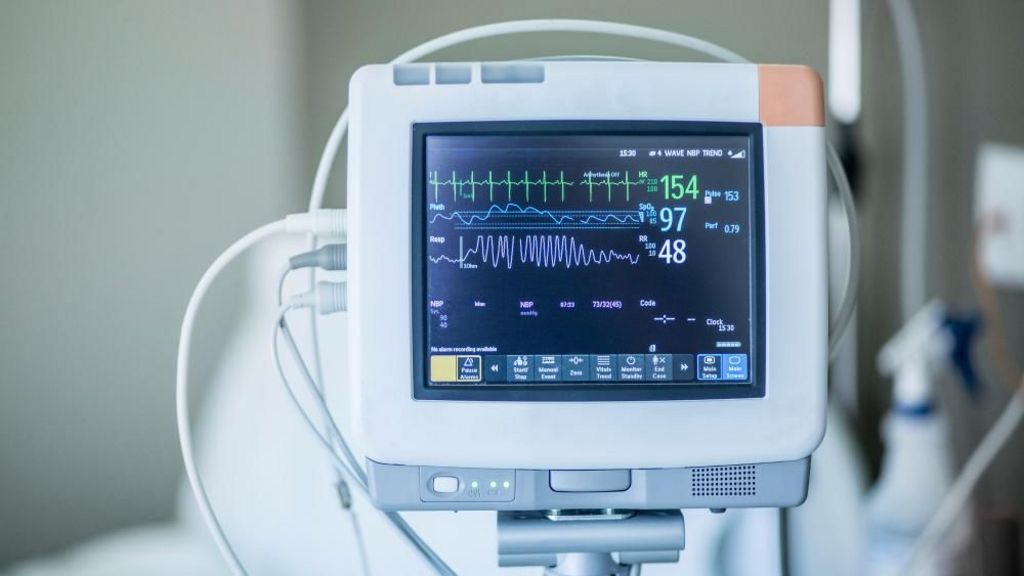
这就好比制图者被要求标记城市中病患最集中的区域,却标记了花费资金最多的地方。当研究人员将系统改为预测患者病情有多重,而不是预测护理成本有多高时,偏见在很大程度上消失了。入选获得额外帮助的黑人患者比例本将从约18%上升至47%。科利亚斯承认,源自“脏数据”的AI偏见“是一个重要关切”。“但这并不意味着偏见是不可避免的。”他说。
It was as if the map-maker had been told to mark the sickest parts of the city but had marked the places where the most money was spent instead. When the researchers changed the system to predict how ill patients were, rather than how much their care would cost, the bias largely disappeared. The share of black patients picked for extra help would have risen from about 18% to 47%. Kollias acknowledges that AI bias from dirty data is "an important concern". "But this does not mean that bias is inevitable." he says.
“我们可以测试系统是否存在不公平结果,改进它们所使用的数据和目标,并引入保障措施以减轻这些影响。”一种改进方法是提供能提供背景信息的额外数据。如果制图者获得的不只是犯罪清单呢?他们还可以看到哪些区域被忽视了——路灯损坏、资金匮乏、公共服务缺失的地方。这能显示当地环境是否起了作用。市政部门或许不再向阴影区域派遣警车,而是拨款修缮照明、支持社区、整治区域本身。然而,据麦凯说,即使这样可能仍不够。
"We can test systems for unfair outcomes, improve the data and objectives they use, and introduce safeguards to reduce these effects." One improvement would be to provide additional data that provides context. What if the map-maker were given more than a list of crimes? They could also be shown which areas have been neglected - places with broken streetlights, little funding and missing public services. That could show whether the local environment plays a part. Instead of sending police cars to the shaded areas, councils might send money to fix the lighting, support the community and repair the area itself. Yet even this may not be enough, according to McKay.
“目标环境与其居民依然紧密相连,”她说。“它们可能(继续)面临过度警务和边缘化。”她指出,有些系统设计初衷是使用地点信息而非人员信息。即便如此,批评者仍担忧它们会导致过度警务。
"The target environments are still intimately linked with their inhabitants," she says. "They might (continue to) be over-policed and marginalised." She points to systems which were designed to use information about places rather than people. Even so, critics raised concerns that they still led to over-policing.
这就好比制图师承诺不再在地图上标注人名,只标注街道和建筑。但那些街道因多年的忽视和严厉管控而被阴影笼罩,抹去名字几乎无法改变什么。
It is as if the map-maker promised to stop writing people's names on the map and to mark only the streets and buildings. But those streets were shaded because of years of neglect and heavy policing, so rubbing out the names changes very little.
AI 本身没有信仰或个性。就像那间无窗房间里的制图师,它只知道别人告诉它的东西。如果描述城市的人对某个社区怀有成见,那份成见就会出现在地图上。
AI has no beliefs or personality of its own. Like the map-maker in the windowless room, it knows only what it is told. If the person describing the city holds a grudge against one neighbourhood, that grudge ends up on the map.
但归根结底,问题在于喂养 AI 的人类偏见。人们决定监控录像里什么样的人显得可疑,什么样的贷款算作高风险,并将自身的文化、教育和政治偏见带入其中。因此,Kollias 表示,或许 AI 可以成为解决问题的一部分,而不是放大问题的放大镜。
But ultimately the problem is the human bias that fed the AI. People decide what a suspicious person looks like on CCTV, or what counts as a risky loan, and they bring their own cultural, educational and political biases with them. So perhaps AI can be part of the solution rather than a magnifier of the problem, says Kollias.
“经过精心设计并经独立评估的 AI 系统,能让其中一些模式变得更可衡量、更可见,给我们一个识别并减少它们的机会。”但人类也必须发挥作用。医疗研究表明,这些选择是可以被检查和改变的。这就是研究人员主张人类必须保持在决策回路中的原因。否则,就像制图师在旧铅笔痕迹上覆盖墨迹,AI 就有把我们都关在无窗房间里的风险,永远困在昨天的错误中。
"A carefully designed and independently evaluated AI system can make some of these patterns more measurable and visible, giving us an opportunity to identify and reduce them." But humans too have to play their part. The healthcare study shows that those choices can be checked and changed. That is why researchers argue that people must stay in the loop. Otherwise, like a map-maker inking over old pencil lines, AI risks leaving us all in a windowless room, permanently trapped in yesterday's mistakes.